The kind politics Tunibu led Apc dey play for this primaries na the more you look the less you see
Them collect people money for nomination form finish,
Even Cubana Chief Priest borrow money come buy, begin dey cry sorry small boy wey want eat with elder without washing hand
A keke rider being shot by air force officer at eleme junction Rumuokwurusi port Harcourt on Ester Monday
The keke riders were engaging in a peaceful protest for extortion by the task force or bus stop operators..
The keke rider was shot dead in the process.....
May God help
We are often familiar with the long-reigning monarchs of the western world. Queen Elizabeth II reigned for 70 years. Queen Margrethe II of Denmark reigned 52 years (1972-2024). King Carl XVI Gustaf of Sweden has reigned for 52 years, from 1973-present. King Harald V of Norway, on the throne for 35 years (1991-present).
But Africa’s kingdoms, kings and queens have not been so globally famous. That’s because “world” history has often been written by Western historians focused on their own backyards.
Yesterday, I was interviewed virtually in Washington DC for a documentary on the life and times of Igwe (King) Kenneth Orizu III, Igwe of ancient Nnewi Kingdom in today’s Nigeria (but like of most African kingdoms, Nnewi was a self-governing kingdom before the British occupied the kingdom and made it part of the colonial Southern Nigeria Protectorate in 1904). I hail from Nnewi Kingdom, founded in 1498.The dynastic kingship was established then, and has remained unbroken in the larger Nnofo family (of which the Orizus are a branch) for 528 years.
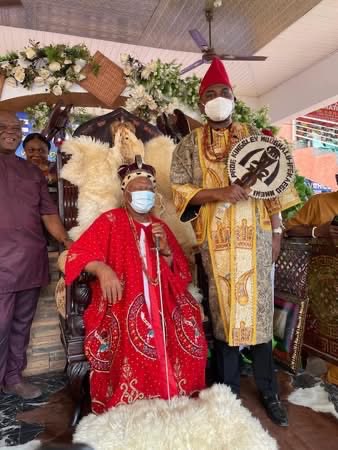
Igwe Kenneth Orizu turned 100 years old in late 2025, and has been on the throne since 1963 - 62 plus years. He is the oldest living and longest reigning monarch in the world today. This historic feat was marked last December at his 62nd Ofala (kingship) Festival in Nnewi.
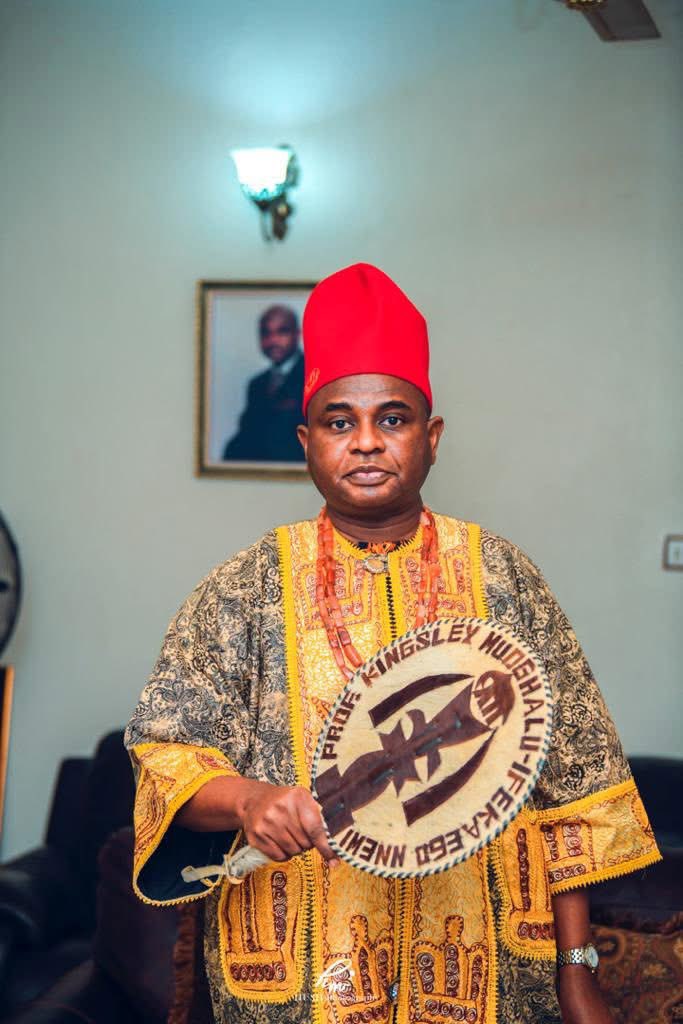
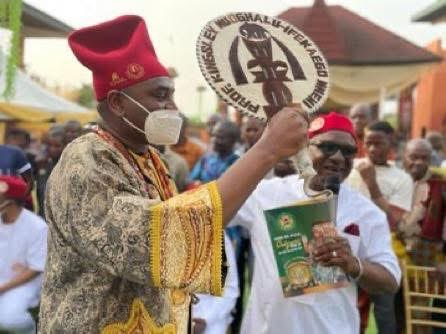
In December 2020 (the year of #Covid19) Igwe Orizu honored me with the traditional chieftaincy title of Ifekaego of Nnewi Kingdom for my services and contributions to Nnewi Kingdom, Nigeria, and the world. Ifekaego means “the priceless one”, “above money and material things”, “the one whose value and values cannot be measured by money” in Igbo language. I am honored to serve as a member of Igwe Orizu’s Body of Titled Chiefs of Nnewi (BOTCON).
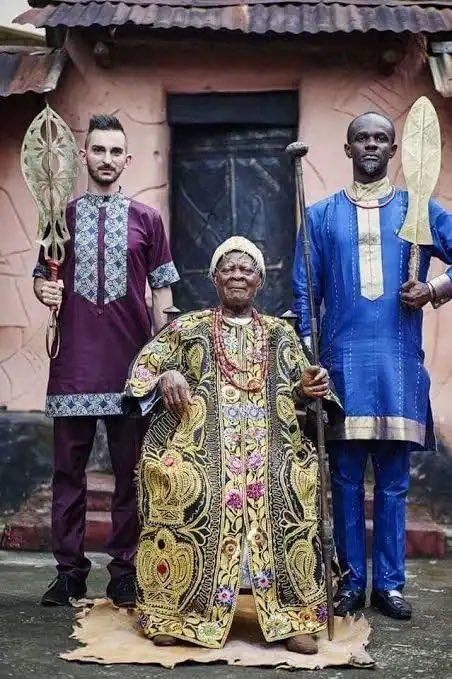
Traditional rulers and institutions play critical roles in Africa, even with their formal authority diminished first by the structures of the colonial state and then the “modern” post-colonial one. In most African states, in reality, there are two parallel states- the formal state, run by the government at different levels, national and sub-national, and then the traditional society, run by traditional rulers. In reality, also, the citizens have more regard for the traditional rulers and traditional institutions, the worldviews of which exert more influence in their private lives, than the denizens of the modern state. This is because the modern state in most of Africa has not built or delivered trust between it and the citizens.
Traditional institutions serve as:
✅ A bridge between the state and the society.
✅ A bridge between the ancient and the modern.
✅Custodians of societal values - cultural heritage, moral and ethical guidance, and social cohesion.
✅Anchors of stability (where this exists, and before the rise of terrorism in several African states) through communal governance and conflict mediation.
Governance in Africa should bring them back in. The western model has gaps.