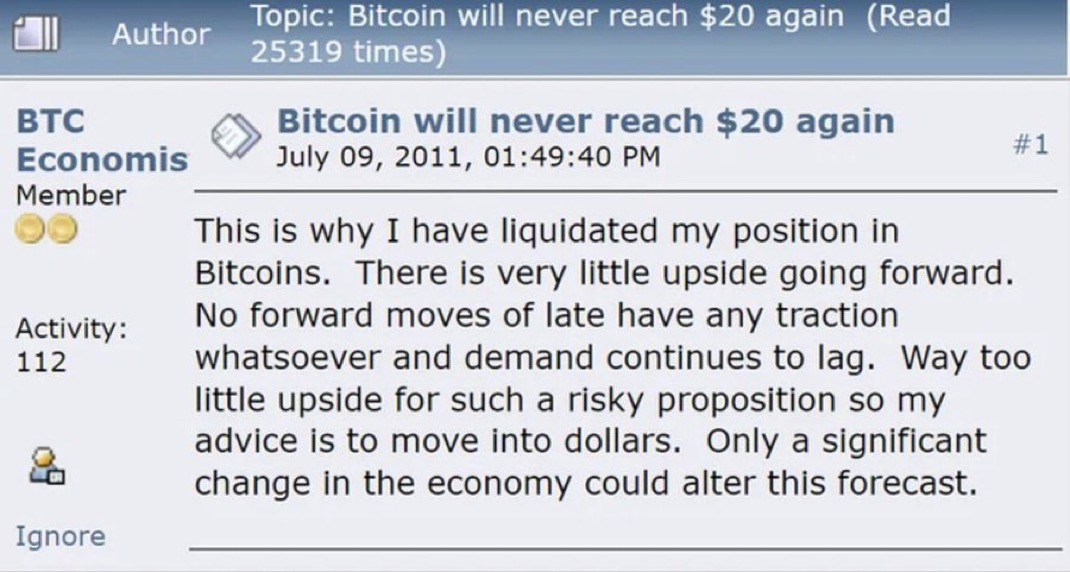
One of the craziest phenomenons in crypto is something can be down 90% and people think it’s a great buying opportunity and then it goes down another 90%
CZ said Binance offers "the best liquidity in the world" for consumer protection. He's right. But let's talk about WHERE that liquidity comes from.
It comes from retail getting rekt on Binance Launchpad.
Since 2019, Binance has launched 60+ projects. The narrative is always the same: Binance vets the project, lists it at launch, and retail piles in. Binance becomes the gatekeeper of "credibility." But here's the part CZ doesn't mention.
The Lazio Fan Token (LAZIO) launched October 2021 at $1.00 on Binance Launchpad. Private investors got in at $0.10. Binance announced it. Retail FOMO'd. Price hit $26.75 in 48 hours. Retail thought they were early to something Binance blessed.
Fast forward to today. LAZIO trades at $0.65. That's a 97.5% loss from the peak. Retail never stood a chance.
Alpine F1 Team (ALPINE)? Same blueprint. Launched Feb 2022 at $1.00. ATH $11.29. Current price: $0.42. Down 96%. The token was delisted from Bitget in Feb 2026 due to zero trading volume just dead weight.
But here's where it gets darker. Binance Launchpad isn't a bug. It's the business model.
1) Binance identifies a hype narrative (sports fan tokens, move-to-earn, etc)
2) Binance vets the project (gives it institutional credibility)
3) Private/VC investors get massive allocations at $0.001-$0.10
4) Launchpad subscription creates artificial scarcity ("hard cap" per user)
5) Retail buys at $1.00 thinking Binance wouldn't list garbage
6) Token pumps 10-100x in first week (retail euphoria)
7) Vesting schedule unlocks over 12 months (insiders exit)
8) Token declines 90-99% over next 24 months (retail holds bags)
9) Binance collected trading fees on every step of the decline
The liquidity CZ brags about? It's built on retail extraction.
Let's look at the pattern across Launchpad:
- STEPN (GMT): Launched at $0.01, peaked at $4.11 (411x), now bleeding lower
- Open Campus (EDU): 33x peak, now declining
- Space ID (ID): 41x peak, now sliding
- Hooked Protocol (HOOK): 41x peak, lost 90%+ since ATH
- Arkham (ARKM): Only 16x at peak in 2023 (falling returns as the grift gets known)
Notice the trend? Earlier projects had bigger peaks (because retail still believed). Recent ones are smaller. Why? Because the market is learning that Binance Launchpad = slow-motion rug pull.
But retail is trapped. Binance has 100M+ users. Binance has regulatory licenses. Binance is THE credibility anchor. When Binance lists something, retail thinks "this must be vetted, this must be safe." It's not. It's the opposite.
The vetting isn't for retail protection. It's for Binance's protection. Binance ensures the project won't implode in week 1 (that would hurt Binance's brand). But they don't care if it implodes in month 12. The damage is already extracted.
Here's what "consumer protection" actually means in the Binance universe:
- Deep liquidity pools (so Binance profits from every trade)
- IEO credibility (so retail trusts the listing)
- Vesting schedules published (so insiders can front-run the dumps)
- No accountability for post-launch performance (so Binance faces zero liability)
Retail thinks liquidity = safety. It's the opposite. High liquidity on a scarcity pump = maximum extraction efficiency.
Compare Binance Launchpad to actual consumer protection:
- SEC-regulated IPOs: Lock-up periods for insiders are EQUAL to retail
- Traditional venture: Downside protection, governance rights, legal recourse
- Binance Launchpad: Insiders get $0.10 pricing, retail gets $1.00, both tokens identical = wealth transfer complete
The 60+ projects Binance has launched since 2019 represent billions in retail wealth extraction. LAZIO alone = $26.75 ATH on a $1.00 launch = $26.75B market cap at peak. The fact it's now $0.65 doesn't erase the fact that retail lost 97% while Binance kept the trading fees.
CZ's statement about "the best liquidity in the world" is technically true. But it's like bragging about having the best highway system while running tolls that siphon wealth from drivers. The liquidity exists to serve extraction, not protection.
The real consumer protection would be:
- Identical vesting schedules for all token holders (no insiders first)
- Binding lock-up periods (prove you believe in your own project)
- Performance clawback clauses (if the token dumps 90%, insiders pay retail back)
- Regulatory disclosure (project financials, insider allocations, exit plans)
Binance offers none of this. Because that would kill the model. The model is:
- Build hype through Binance credibility
- Capture retail FOMO
- Execute insider exit
- Repeat
Liquidity is the tool. Extraction is the goal.
So when CZ says Binance offers "the best consumer protection," what he means is: Binance offers the most efficient wealth extraction vehicle the crypto world has ever seen. And the liquidity is so good, retail can watch their investment die in real-time on every refresh.
That's not protection. That's the grift, just wrapped in institutional packaging.
The Lazio Token didn't fail because it was a bad project. It failed because the Binance Launchpad model requires failure. Insiders need to exit. Retail needs to hold bags. Binance needs trading volume on the decline. The ecosystem needs constant new projects to pump and dump because the old ones are dead.
It's a machine. And it's working exactly as designed.
Binance isn't protecting users from bad liquidity. Binance is using liquidity to protect itself from accountability.
Bitcoin bear markets are hard enough.
Adding the risk that a new financial product might break their peg is a game I stopped playing a couple of cycles ago.
Too much stress, don't want to have to gamble on these things surviving or not.
Keep it simple.
ETH in 2021: $1,700
ETH in 2022: $1,700
ETH in 2023: $1,700
ETH in 2024: $1,700
ETH in 2025: $1,700
ETH in 2026: $1,700
ETH before BitMine buying: $1,700
ETH after BitMine buying: $1,700
ETH before ETF approval: $1,700
ETH after ETF approval: $1,700
ETH during anti-crypto President: $1,700
ETH during pro-crypto President: $1,700
ETH before US-Iran war: $1,700
ETH after US-Iran war: $1,700
Performance of $ETH is an absolute joke.
#ALTCOINS DOWN -99% FOR MONTHS.
PUMP 2% IN ONE DAY:
“BULL MARKET CONFIRMED, WE ARE BACK”
I SWEAR CRYPTO PEOPLE ARE
THE MOST DELUSIONALLY
FUCKING OPTIMISTIC HUMANS
ON EARTH.
Often think about how I would’ve done during the dot-com crash.
Amazon dumped -94%, then ~670x from the bottom.
Priceline (now Booking) was worse: $990 → $6.60 (-99%), then ~700x to today.
Would I have bought the dip and held until now? Maybe not.
Crypto taught me that short- to mid-term holding is optimal. But times are changing, and crypto feels post-dot-com right now.
Speculation is gone, but real adoption keeps growing. The tricky part is profiting from that adoption. Airdrop farming was an easier game.
Anyway, the AMZN and Booking of this cycle are already live.
Just need to find the right tickers.
The general goal for most crypto traders is that you get rich enough to escape the permanent underclass and also escape crypto. most of the crypto traders I know who have made it to the next level rarely even participate in crypto anymore, they just buy stocks and chill
years of getting rugged in crypto have forced us to develop a collective defense mechanism. we have zero tolerance for even the slightest red flag and naturally approach everything as a potential rug pull
so expecting a general altcoin rally in this environment would be delusional. what’s more likely is a bull run where only a select few coins break out, and whoever finds those coins makes it