"Civil society should not wait for the UN alone. The people’s tribunals and domestic accountability avenues may also play an important role," said the UN Special Rapporteur on the situation of human rights in Afghanistan during the discussion at the UN HRC.
The Special Rapporteur concluded that "the Human Rights Council could and should do more." He noted that language on Hazaras in the previous year’s resolution should be reviewed and strengthened. Read more here: https://t.co/2y20RMhYNr
#Afghanistan #Accountability #HumanRights
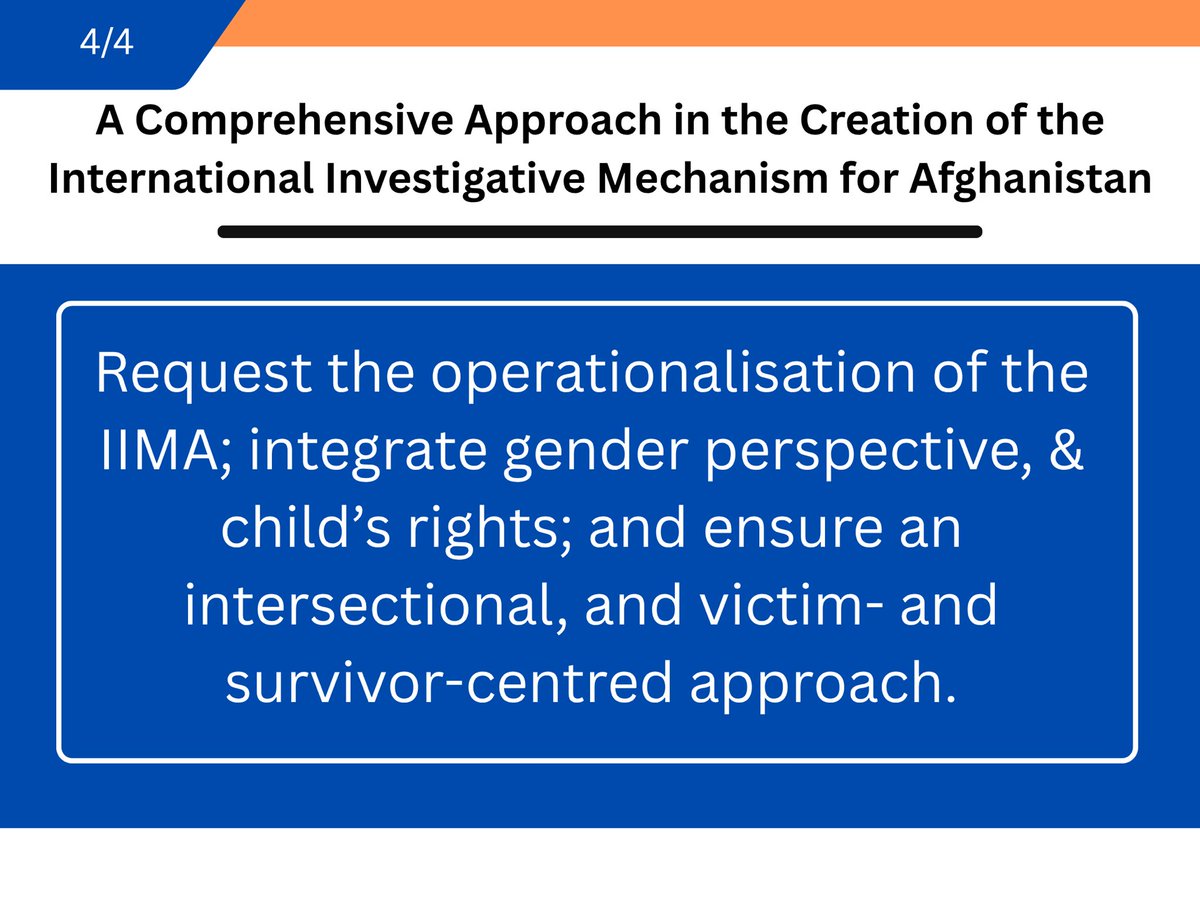
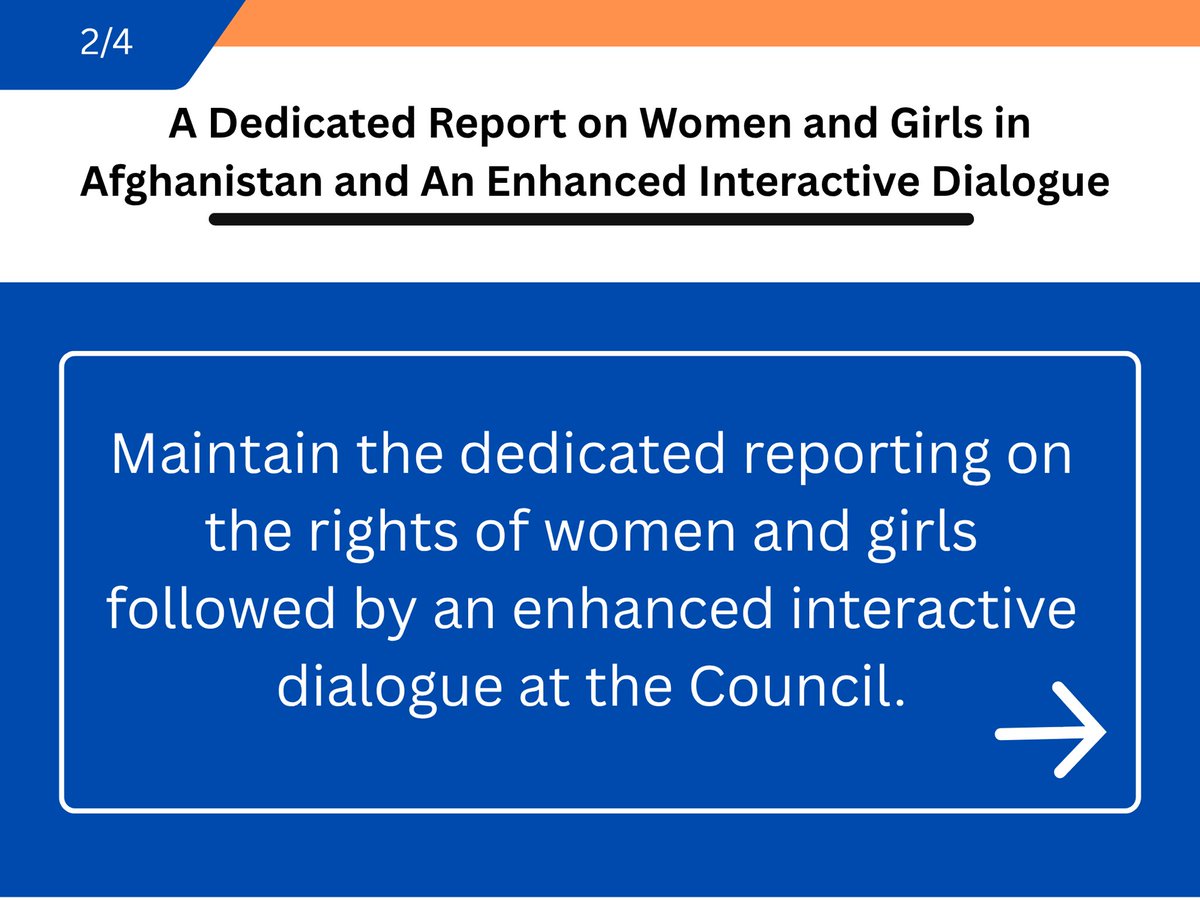
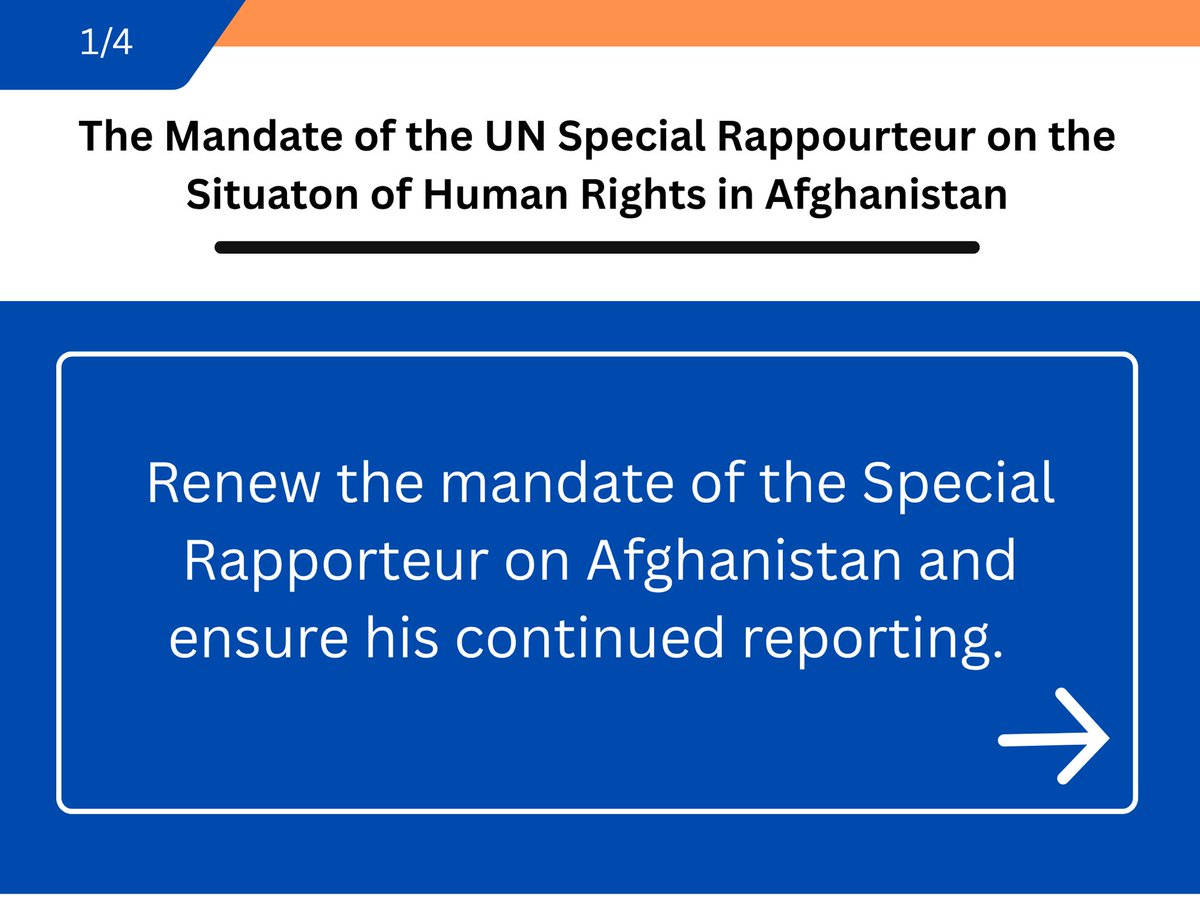
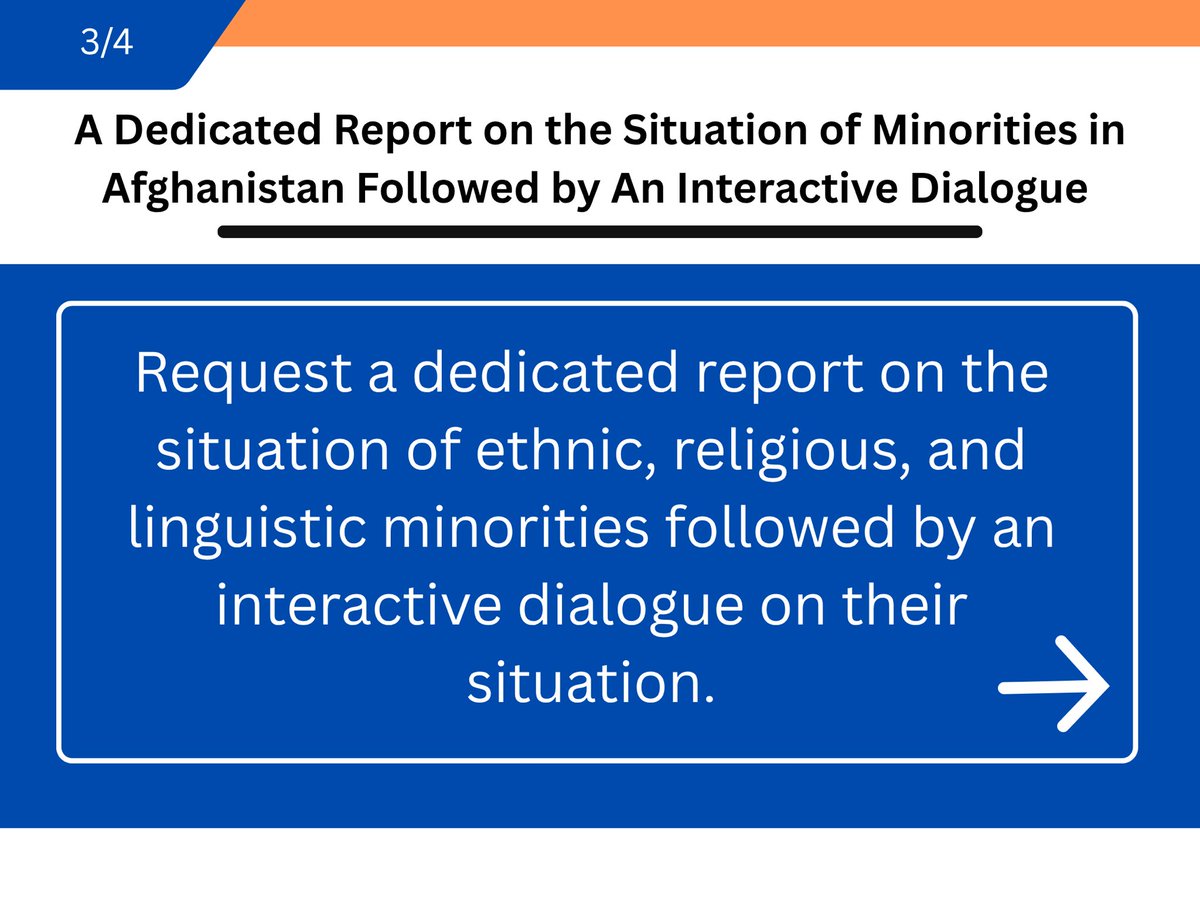
What should the @UNHumanRights Council's upcoming resolution on #Afghanistan include? As part of our advocacy mission at the UN-Geneva during the HRC63, we advocated for the advancement of the Council's mandates on Afghanistan, particularly highlighting the gaps in reporting on grave human rights violations in Afghanistan. Read below a recap of the civil society call emphasizing on key priority issues to be included in the Human Rights Council's upcoming resolution. @EU_UNGeneva #Accountability #Women #Minorities #Afghanistan #IIMA
During the #HRC63, we joined over 90 civil society organizations calling on the @UNHumanRights Council to strengthen it's existing mandates on Afghanistan and further cooperate with other accountability avenues including with the International Criminal Court (@IntlCrimCourt). Read the full statement here: https://t.co/jWwlgv0sIY @CSHRN_AF@forum_asia@hrw@amnesty
"While the Taliban appear to openly justify discriminatory treatment of women through religious texts, they often deny discrimination against ethnic and religious minorities, framing such concerns as attempts to sow discord." Read more about his discussion in our side event report from the HRC63: https://t.co/2y20RMhYNr
#Afghanistan #HumanRights #Women #Minoroties #Accountability
"Richard Bennett, @SR_Afghanistan, welcomed the event as timely and well-structured, including survivor testimony, contemporary updates, and legal analysis. He noted that although the IIMA [International Investigative Mechanism for Afghanistan] was not yet fully operational, the discussion was not too early for the International Criminal Court (ICC), other accountability mechanisms, or his own mandate.
The Special Rapporteur acknowledged that his mandate includes monitoring, reporting, documenting and preserving information relating to human rights violations and abuses. He stated that he has reported on the Hazaras and other minorities but added that he had “not done enough” and that more should be done.
He recalled that in his first report he had noted that some ISKP attacks may amount to war crimes and crimes against humanity and that he had recommended that the United Nations Human Rights Council should establish a specific #inquiry into attacks on the Hazaras and other minorities. He observed that the Council had not yet done so."
Read full event report here: https://t.co/2y20RMhYNr
Last week at the UN Human Rights Council, Accountability Watch Afghanistan, together with eight partner organizations, co-organized a side event to discuss the persecution of Hazaras and women and girls in Afghanistan.
The discussion highlighted the interconnected patterns of systematic discrimination, violence and persecution against the Hazaras and women and girls in Afghanistan, including targeted attacks, arbitrary detention, and restrictions on religious rights and freedoms of the Shia-Hazara community since the Taliban’s return to power in 2021. The event also explored the territorial and socioeconomic dimensions of marginalization and persecution of the Hazaras through cases of forced evictions and land dispossession as well as their long-term impacts and implications for protection, rights to housing, livelihood, safety and security, migration, identity, and belonging.
Read full event on our website: https://t.co/2y20RMhYNr
Thanks for co-organizing with us @forum_asia, @omctorg, Bolaq Analysts Network, @CSHRN_AF, @MinorityRights , @fidh_en, @ICJ_org ,and @IBAHRI
Thanks for supporting us @EU_UNGeneva, @UKMissionGeneva , @FinlandGeneva and @IrelandUNGeneva
#Accountability #Afghanistan #HumanRights #UN_HRC63
Last week at the UN Human Rights Council, Accountability Watch Afghanistan, together with eight partner organizations, co-organized a side event to discuss the persecution of Hazaras and women and girls in Afghanistan.
The discussion highlighted the interconnected patterns of systematic discrimination, violence and persecution against the Hazaras and women and girls in Afghanistan, including targeted attacks, arbitrary detention, and restrictions on religious rights and freedoms of the Shia-Hazara community since the Taliban’s return to power in 2021. The event also explored the territorial and socioeconomic dimensions of marginalization and persecution of the Hazaras through cases of forced evictions and land dispossession as well as their long-term impacts and implications for protection, rights to housing, livelihood, safety and security, migration, identity, and belonging.
Read full event on our website: https://t.co/2y20RMhYNr
Thanks for co-organizing with us @forum_asia, @omctorg, Bolaq Analysts Network, @CSHRN_AF, @MinorityRights , @fidh_en, @ICJ_org ,and @IBAHRI
Thanks for supporting us @EU_UNGeneva, @UKMissionGeneva , @FinlandGeneva and @IrelandUNGeneva
#Accountability #Afghanistan #HumanRights #UN_HRC63
When does discrimination become persecution? And when does persecution cross the threshold into international crimes?
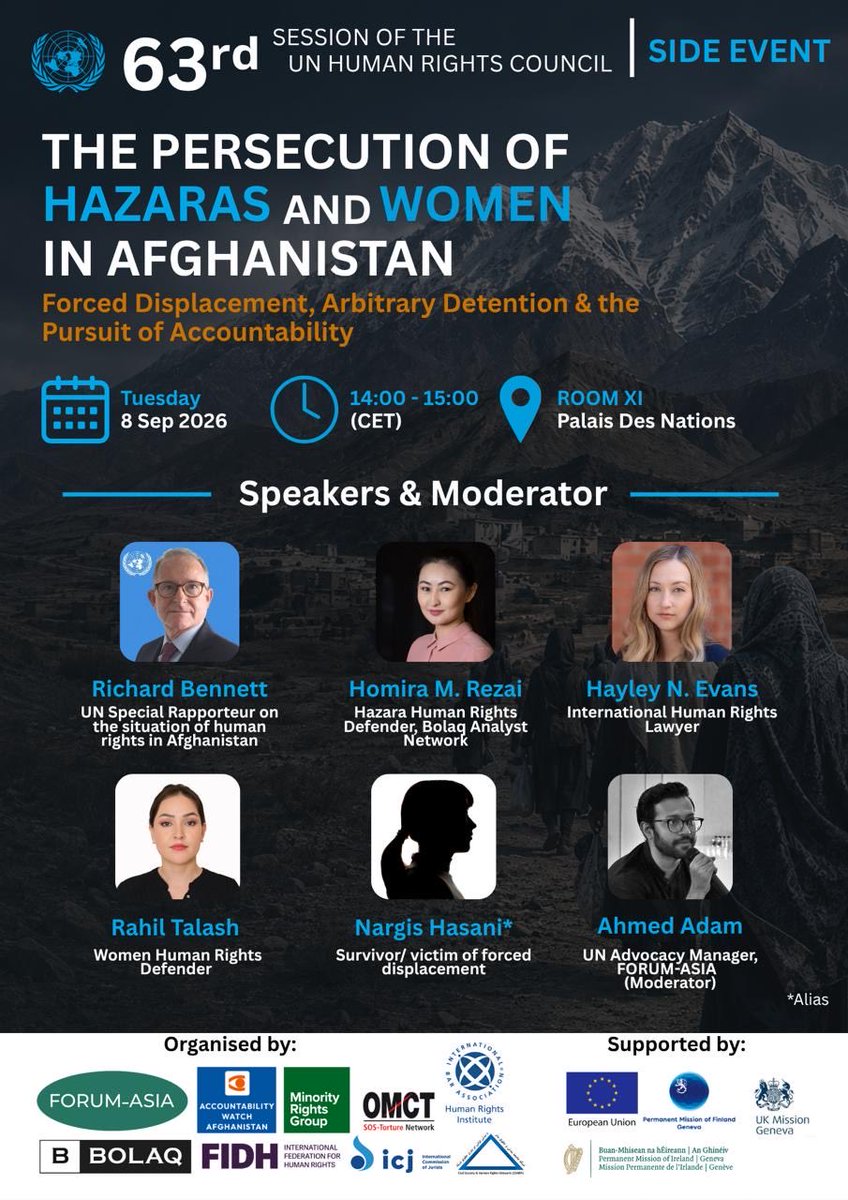
Join our side event today at the @UNHumanRights Council to hear directly from Hazara women, victims and survivors from Afghanistan and international experts as we seek to address the entrenched impunity and strengthen accountability for international crimes in Afghanistan.
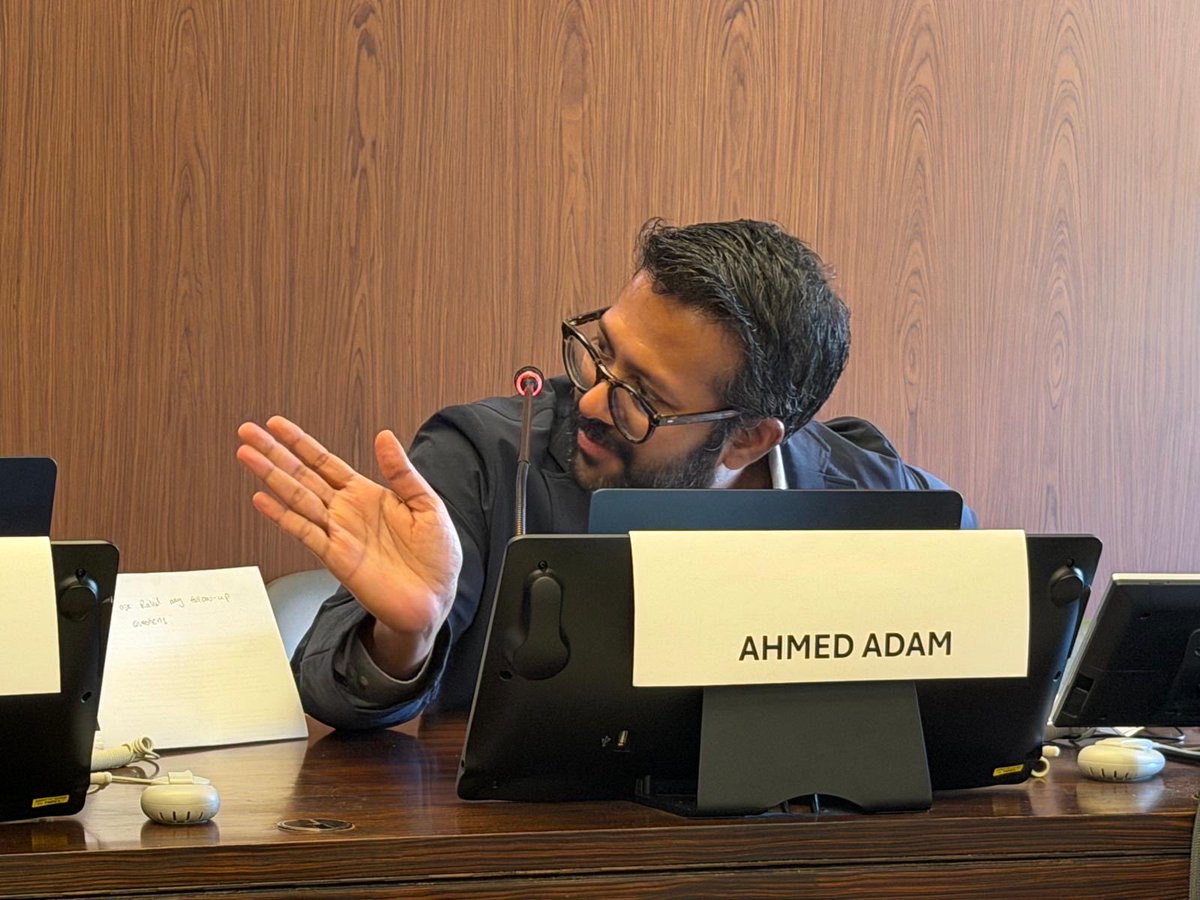
Our esteemed speakers @SR_Afghanistan@TheHomira@HayleyNEvans@TalashRahil, Nargis Hasani and the leading moderator Ahmed Adam will discuss the intersectional experiences and patterns of persecution faced by the Hazaras and women in Afghanistan.
Join us in room XI, 14:00 - 15:00, Palais des Nations, Geneva.
As the #UN_HRC63 kicks off today, we invite those in #Geneva to attend this important event happening tomorrow 8th September. Mark your calendar🗓!
#AccountabilityMatters
Next week, during the 63rd session of the United Nations Human Rights Council, we will convene a side event on the human rights situation of the Hazaras and women and girls in Afghanistan.
Since the Taliban’s return to power in August 2021, the Hazara community has faced an intensified and systematic pattern of persecution, reinforcing its position as one of the most vulnerable and marginalised communities in Afghanistan. The Taliban’s ethno-religious-centric policies and gender-based oppression, reinforced by pervasive impunity, have institutionalised the exclusion and marginalisation of Hazaras and other minorities, laying the groundwork for escalating violence, persecution, and atrocity crimes.
Women and girls continue to face an unprecedented system of institutionalised gender-based discrimination, oppression and persecution. In addition to bans on education, employment, freedom of movement, and participation in public life, there has been a marked increase in the arbitrary arrest, detention and forced disappearance of women and girls across the country.
Join us in Geneve on 8 September, 2:00–3:00 PM, as we bring together survivor testimonies, report findings on arbitrary detentions, and legal perspectives to discuss the systematic violations and pathways towards accountability.
#Accountability #Afghansitan
Since the Taliban’s return to power, Hazaras in Afghanistan have faced an intensified and systematic pattern of persecution, reinforcing their position as one of the most marginalized communities in Afghanistan. The Taliban’s ethno-religious policies and gender-based oppression with impunity, have institutionalized the exclusion and marginalization of Hazaras and other minorities, laying the groundwork for escalating violence, persecution, and atrocity crimes.
Join us to hear more about the situation of Hazaras in Afghanistan at room XI at Palais des Nations, Geneva, on 8 September at 14h00.
Next week, during the 63rd session of the United Nations Human Rights Council, we will convene a side event on the human rights situation of the Hazaras and women and girls in Afghanistan.
Since the Taliban’s return to power in August 2021, the Hazara community has faced an intensified and systematic pattern of persecution, reinforcing its position as one of the most vulnerable and marginalised communities in Afghanistan. The Taliban’s ethno-religious-centric policies and gender-based oppression, reinforced by pervasive impunity, have institutionalised the exclusion and marginalisation of Hazaras and other minorities, laying the groundwork for escalating violence, persecution, and atrocity crimes.
Women and girls continue to face an unprecedented system of institutionalised gender-based discrimination, oppression and persecution. In addition to bans on education, employment, freedom of movement, and participation in public life, there has been a marked increase in the arbitrary arrest, detention and forced disappearance of women and girls across the country.
Join us in Geneve on 8 September, 2:00–3:00 PM, as we bring together survivor testimonies, report findings on arbitrary detentions, and legal perspectives to discuss the systematic violations and pathways towards accountability.
#Accountability #Afghansitan
Political, diplomatic, economic and migration-related #engagement with Taliban should be guided by clear and measurable human rights benchmarks, including an end to discriminatory restrictions on women and girls, protection of minorities and other vulnerable groups, respect for fundamental freedoms, release of persons arbitrarily detained.
States should ensure that engagement with the Taliban does not confer legitimacy or normalize #repression.
Read more here: https://t.co/Pbcg3WDblL
#AccountabilityMatters #Afghanistan #HumanRights
Accountability Watch Afghanistan @AccWatchAFG urges States, international institutions and other relevant actors to move beyond expressions of concern and take decisive action to end the Taliban impunity, support the people of Afghanistan, and uphold their fundamental rights.
States, international institutions and other relevant actors should not allow the Taliban’s de facto control of Afghanistan to shield it from accountability. Claims of sovereignty, peace and stability, domestic jurisdiction, internal affairs, or traditional and religious norms and practices must not be used to excuse violations of international law. De facto authorities remain bound by applicable international obligations and must be held responsible for violations committed under their authority.
#Afghanistan #Accountability #HumanRights
In Afghanistan, the Taliban have shown utter disregard for people’s pleas, community-based advocacy and efforts to peacefully protest their oppression – including Afghanistan’s religious scholars’ repeated calls to lift restrictions on female education. When addressing genuine concerns to Taliban administrators, #community_members and representatives including #victims and survivors report being mistreated and often remain fearful of further reprisals from the regime.
Read more here: https://t.co/Pbcg3WDblL
Even though the Taliban lack national and international #legitimacy, many States, public institutions, and private entities have continued to unconditionally engage with them to the unmitigated chagrin of the people of Afghanistan. In 2025, #Russia recognized the Taliban as a legitimate government, contributing to further normalization of the Taliban’s oppressive rule. In 2026, the European Union (EU)/European Commission hosted a Taliban delegation in Brussels for talks over forced return of Afghanistan’s migrants, breaching the refugee law and the EU’s own benchmarks for engagement. The growing trend of normalizing ties with the Taliban – whether for humanitarian needs or migration control – has only bolstered the regime’s brutality.👇🏼
Multinational accountability proceedings initiated by Australia, Canada, Germany and the Netherlands under the Convention on the Elimination of all Forms of Discrimination Against Women (CEDAW), the International Criminal Court (@IntlCrimCourt)’s arrest warrants for senior Taliban leaders for alleged crimes against humanity, and the United Nations Human Rights Council (@UNHumanRights)’s establishment of an independent investigative #mechanism collectively demonstrate a clear #message that the time for investigations and accountability has arrived and serious violations committed by the Taliban can no longer be treated as an internal matter or left to local informal mechanisms.
Read more on our website:
https://t.co/Pbcg3WDblL
#Afghanistan #AccountabilityMatters #engagement #InternationalLaw
Even though the Taliban lack national and international #legitimacy, many States, public institutions, and private entities have continued to unconditionally engage with them to the unmitigated chagrin of the people of Afghanistan. In 2025, #Russia recognized the Taliban as a legitimate government, contributing to further normalization of the Taliban’s oppressive rule. In 2026, the European Union (EU)/European Commission hosted a Taliban delegation in Brussels for talks over forced return of Afghanistan’s migrants, breaching the refugee law and the EU’s own benchmarks for engagement. The growing trend of normalizing ties with the Taliban – whether for humanitarian needs or migration control – has only bolstered the regime’s brutality.👇🏼
Since their return to power, the Taliban’s fundamentalist religious ideologies, ethno-nationalist approach and violent practices have threatened to turn Afghanistan into a hotbed of religious radicalization, jihadist ambitions and violent extremism, leading to serious national and transnational human and security threats. As of December 2025, as the United Nations Security Council reported, more than 20 international and regional terrorist organizations, including IS-KP and al-Qaeda, remain active in the country. Between January and March 2026, during Taliban-Pakistan cross-border strikes, 372 civilians were killed and 397 injured in Afghanistan.
Read more here: https://t.co/Pbcg3WDblL
The institutionalized system of oppression against women and girls’ based on gender identities constitutes #gender_apartheid, and should be codified as such, under international law. The persecution of ethnic and religious minorities, especially the Hazaras, amounts to crimes against humanity as reported by the United Nations Special Rapporteur. Furthermore, the documented pattern of systematic persecution and attacks against the Hazaras bear the hallmarks of the crime of #genocide.
Read more here: https://t.co/Pbcg3WDblL
The Taliban have implemented their oppressive policies and practices with complete impunity. Since 2021, the group has introduced more than a hundred decrees, edicts and directives severely curtailing fundamental rights, and limiting access to justice, protection and accountability avenues. Its more recent measures include the Prevention of Vice and Promotion of Virtue (PVPV) Law, the Criminal Procedure Code for Courts and its Decree No. 18, which further entrench discriminatory restrictions on women and girls, non-Sunni Muslims, and other religious groups. These regulations contain provisions relating to practices such as #slavery, caste-like differentiation of society, as well as #child_marriage. 👇🏼
https://t.co/Pbcg3WDblL