New Revision Resource!!
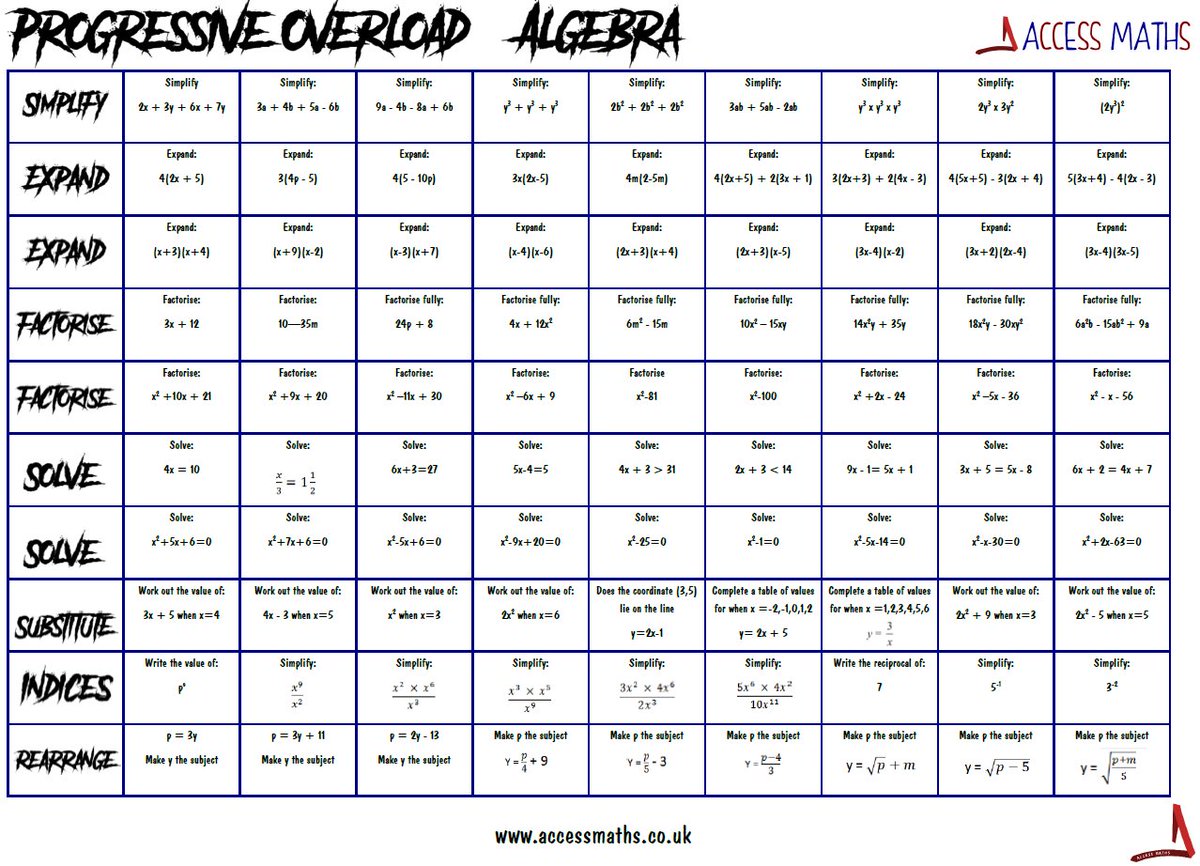
PROGRESSIVE OVERLOAD - All things algebra 🤓🤟
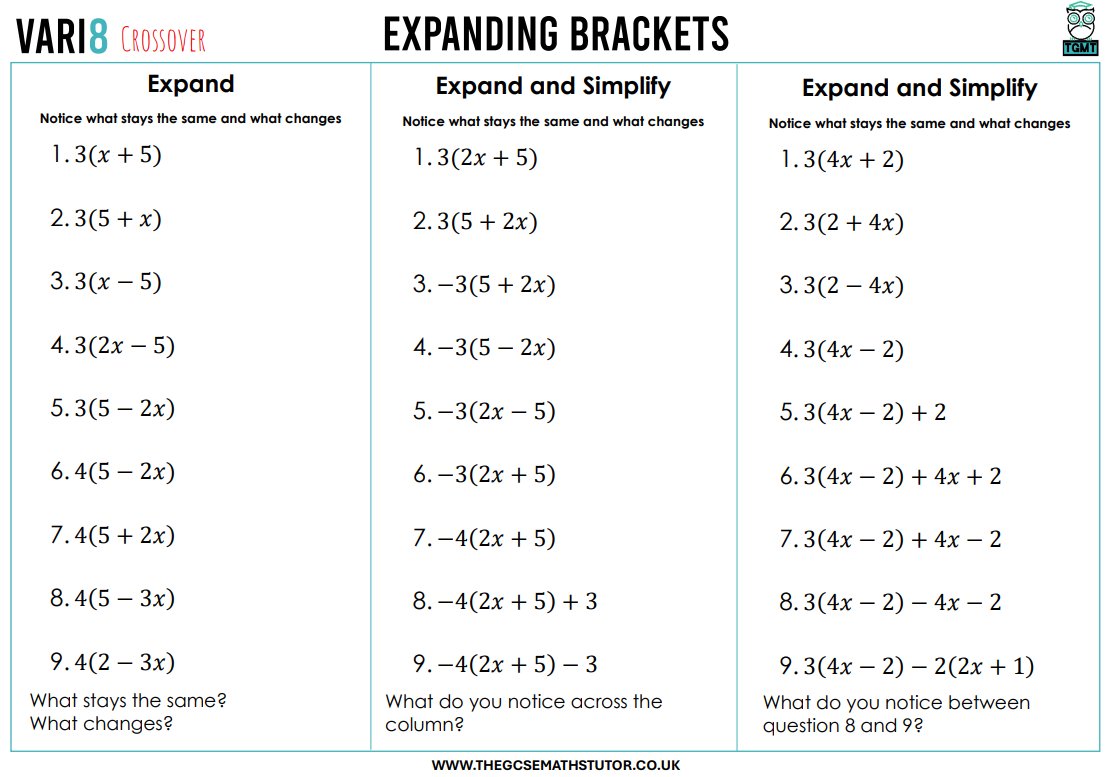
🔷 Minimally Different Examples
🔷 90 Algebra Questions!!!
🔷 Funky Fonts
🔷 One enormous sexy grid!
What more could you want for the final stretch up to the exams? 😂
#mathschat
https://t.co/GoUrk9X3Yy
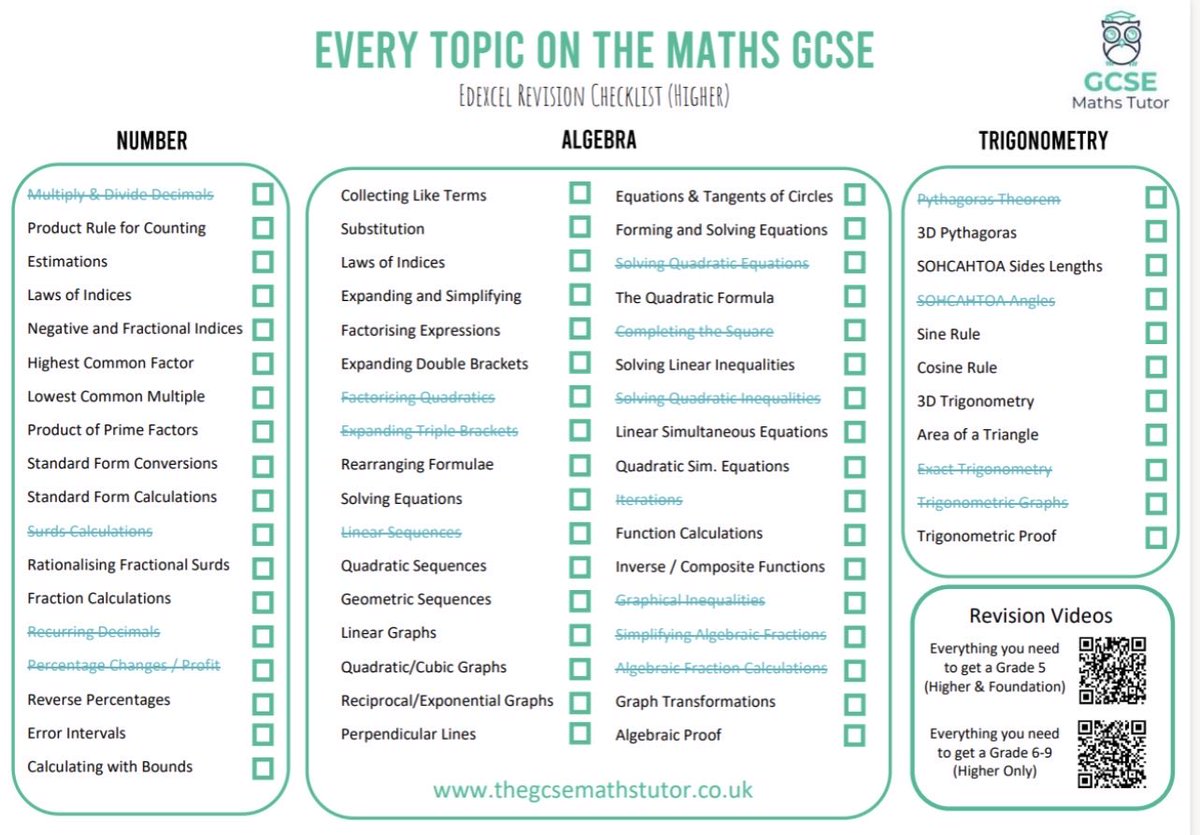
🚨 Paper 3 Unseen Topics Checklists 🚨
✅ Edexcel
✅ Higher & Foundation
✅ Seen Topics Still Visible
✅ Completely Free
Hope you find these useful, best of luck to all of your students 🙂
🔗 Free Download Link: https://t.co/h7uc1lEZeO
🚨 Paper 2 Unseen Topics Checklists 🚨
✅ Edexcel
✅ Higher & Foundation
✅ Seen Topics Still Visible
✅ Completely Free
Hope you find these useful, best of luck to all of your students 🙂
🔗 Free Download Link: https://t.co/V2UbNaGgQf
🚨 Practice Paper 1 Available Now 🚨
✅ GCSE Maths Paper 1
✅ Higher
✅ Foundation
✅ Video Solutions
✅ Completely Free
Free download here: https://t.co/PQlzFG03dE
@tombennett71 This feels particularly true in maths.
Students don’t “think critically” about algebra without knowing algebra.
The thinking is inseparable from the knowledge
We created a system of interleaved starter booklets called:
PRIME
Each booklet is carefully designed around high-leverage topics students need repeated exposure to.
The tasks are not random.
They are sequenced and interleaved across the year.
4/12
Starter activities shouldn’t be:
Random
rushed
or reinvented every lesson.
When designed well they can:
✅ reinforce key knowledge
✅ reduce teacher workload
✅ improve curriculum coherence
✅ strengthen long-term retention
🔗 Here's the free examples for anyone who wants them: https://t.co/5aGk8rcfZv
Here's the framework we use 👇
12/12
Perhaps the biggest benefit:
teacher workload drops dramatically.
The entire year of starter tasks is already planned.
Teachers don't need to:
📉 create daily starters
📉 search for questions
📉 reinvent tasks each lesson
📈They simply deliver the system.
10/12
There are two ways starter activities usually get used in schools.
⌛️One is random questions thrown together each lesson.
📈The other is a systematic routine that actually builds long-term learning.
Most departments end up with the first.
Our maths department built the second.
It’s reduced teacher workload, improved coherence across classes, and strengthened students’ retention of key topics.
Here’s the system 👇
1/12
Most workload in schools doesn’t come from teaching.
It comes from things that don’t improve teaching.
As a Head of Faculty, my filter is simple:
Does this make lessons better?
If not… it doesn’t stay.
Curious, what actually adds the most to your workload? 👇
This isn’t just for expanding brackets.
It changes how you:
☑️sequence examples
☑️respond to misconceptions
☑️design independent practice tasks
Example below 👇
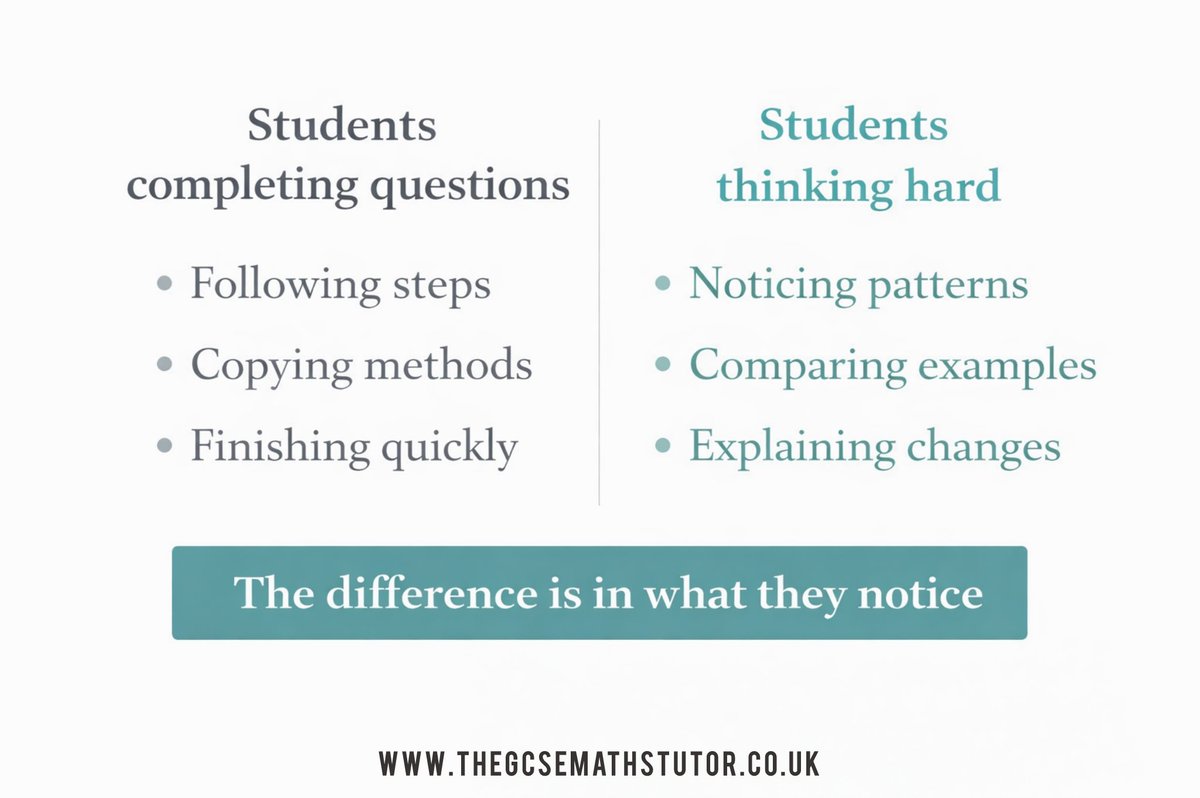
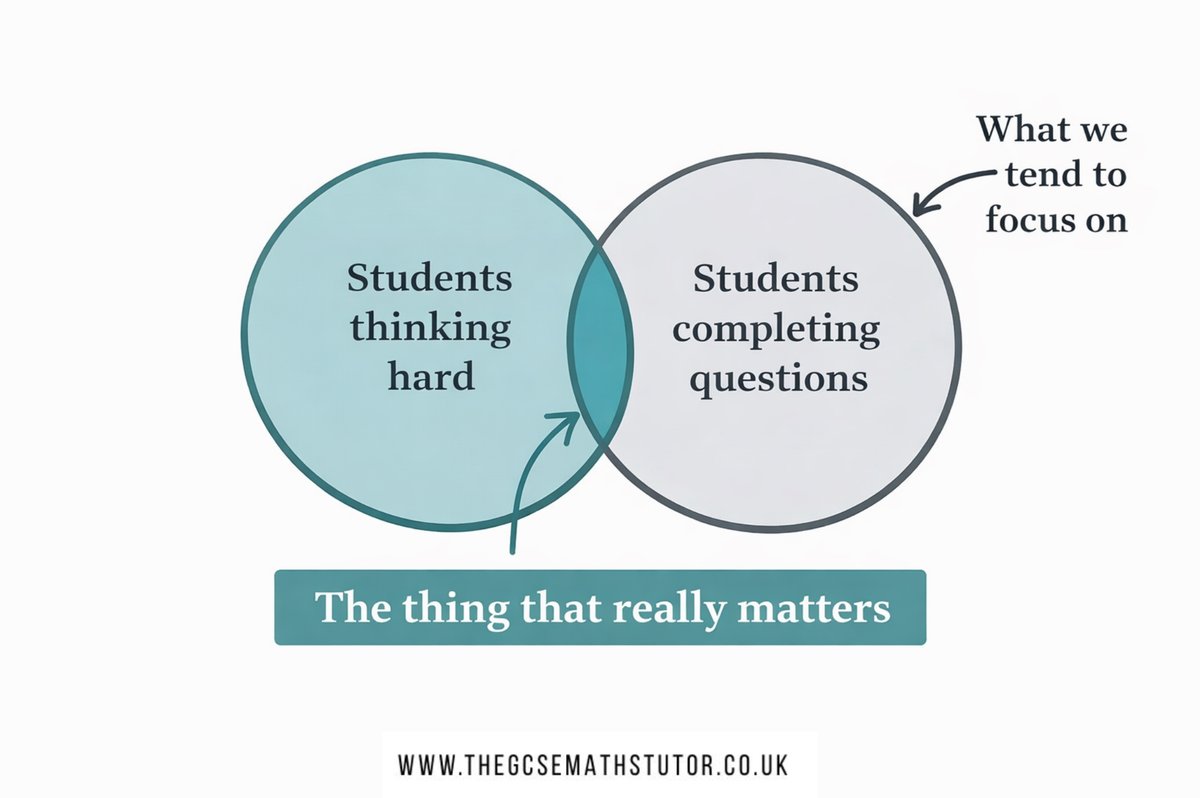
The overlap doesn’t happen by accident.
It comes from how we sequence questions.
Careful variation → students notice more → deeper understanding.
More on this later 👇
Over-explaining is the silent killer of maths lessons.
Tighter explanations
→ more thinking
→ better learning.
Say what matters.
Then get out of the way.
🧵
The worst lesson I ever taught?
Graph transformations.
Nothing landed.
Students were lost.
I’d “explained it”… and it still didn’t work.
So I stopped repeating myself
and started changing my approach.
Different model.
Different explanation.
Same goal: understanding.
And the result?
The best lesson I ever taught.
If your students don’t get it…
say it differently.
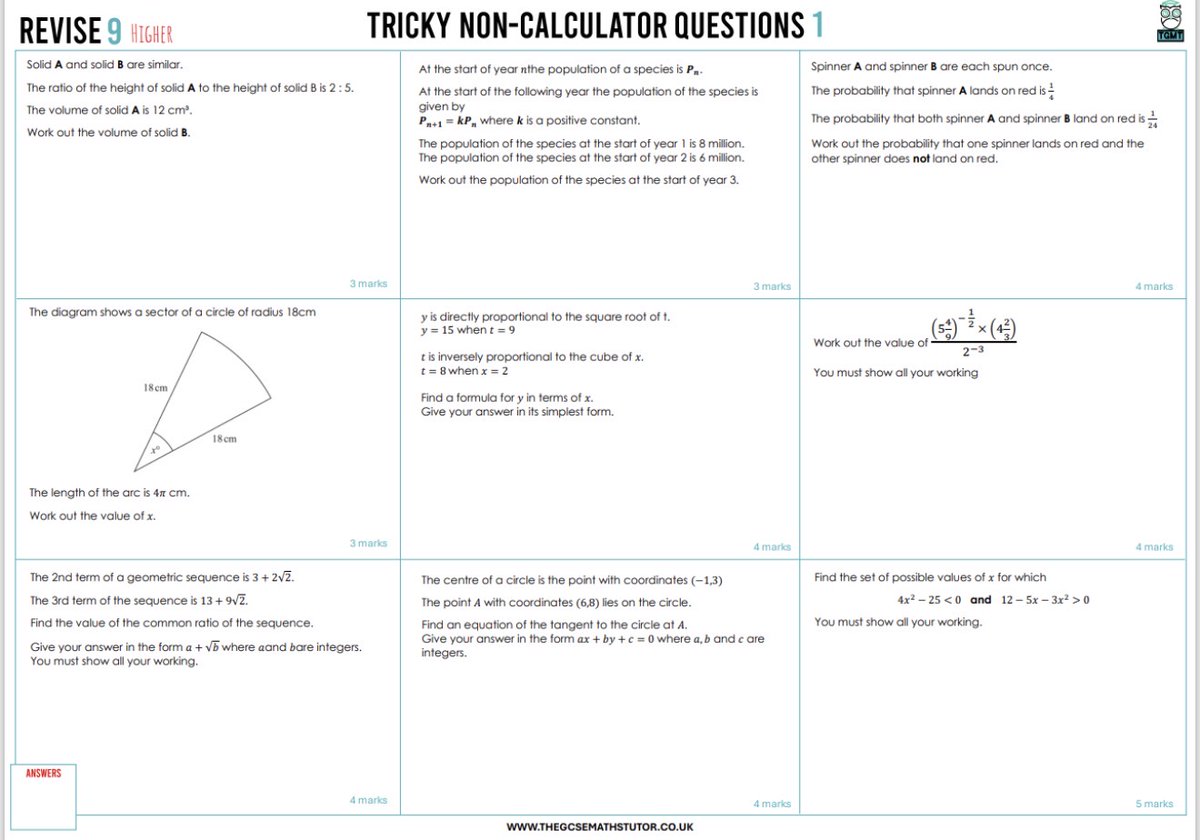
From those patterns we identify key topics that need work and then draw from our ELEV8 and REVISE9 worksheet library to fill in the gaps.
1⃣ ELEV8 worksheets ➡️ practice for common misconceptions
2⃣ REVISE9 grids ➡️ structured revision of key topics
This data evolves every year because the QLA tells us what students actually struggle with.
Example of ELEV8 worksheets here: https://t.co/5aGk8rcfZv
Example of a REVISE9 grid ⬇️
8/12
Once the data is entered, the reports generate automatically.
☑️ Student reports are created instantly
☑️ Parent report comments are auto-written
☑️ Each comment highlights specific strengths and gaps
At this point, QLA immediately becomes useful information rather than stored data.
5/12
First, students collect the data.
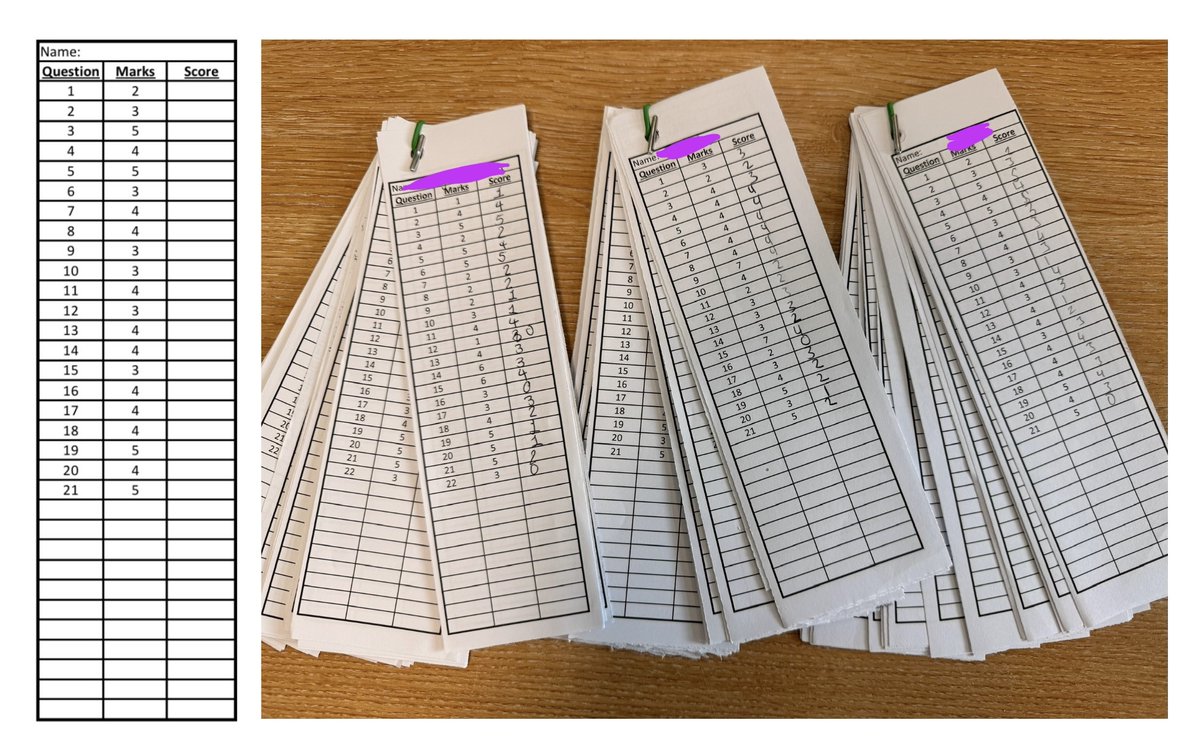
After an assessment, every student completes a simple auto-generated QLA slip like this ⬇️
This does two important things:
☑️ Students re-read the entire paper
☑️ They engage with each question again
Meanwhile teachers avoid manually counting through scripts.
Workload 📉
Student reflection 📈
3/12