We exist to promote rational, informed, responsible debate to develop a more humane, equitable, and effective justice system. RTs don't constitute endorsements.
We are seeking a dynamic and strategic Executive Director to lead the organization into its next chapter of growth, impact, and national engagement.
Would you or someone you know would suit the role? Read the full description and apply here: https://t.co/SK8tFDOhZj
⚖️ Read about the direction that we believe the government should take #bailreform in! The Canadian Criminal Justice Association just published a paper proposing reforms to bail reform, more comprehensive than current recommendations: https://t.co/fKBemU2B4j
This #nationaldayoftruthandreconciliation we would like to bring awareness to the over-incarceration of Indigenous people in Canada, which has only increased in recent decades. Without justice, reconciliation cannot occur.
Next Tuesday is National Day of Truth and Reconciliation. Did you know that a fifth of the truth and reconciliation commission calls to action are related to law and justice reform? Find out what they are here: https://t.co/YdPTvw3Dtx
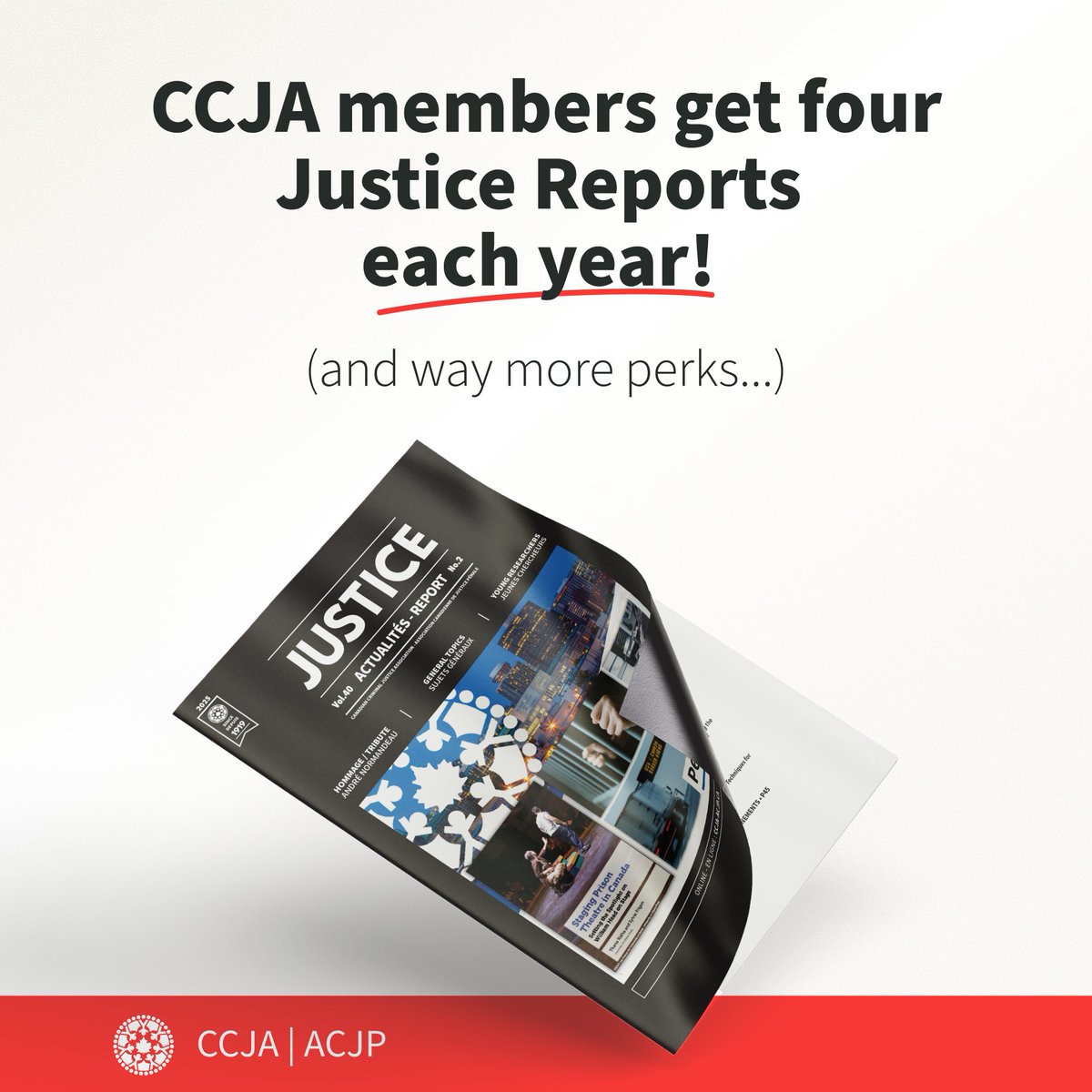
Did you know that CCJA members get four editions of the Justice Report each year? That's just one of the many perks that you can look forward to as part of the CCJA. Learn more about joining: https://t.co/PQlw0pd4PX
It's International Literacy Day! Studies show that literacy and education programs help reduce recidivism. With prisoners in Canada tending to have much lower education levels, it’s time that we put more emphasis on expanding literacy in prisons.
#InternationalLiteracyDay
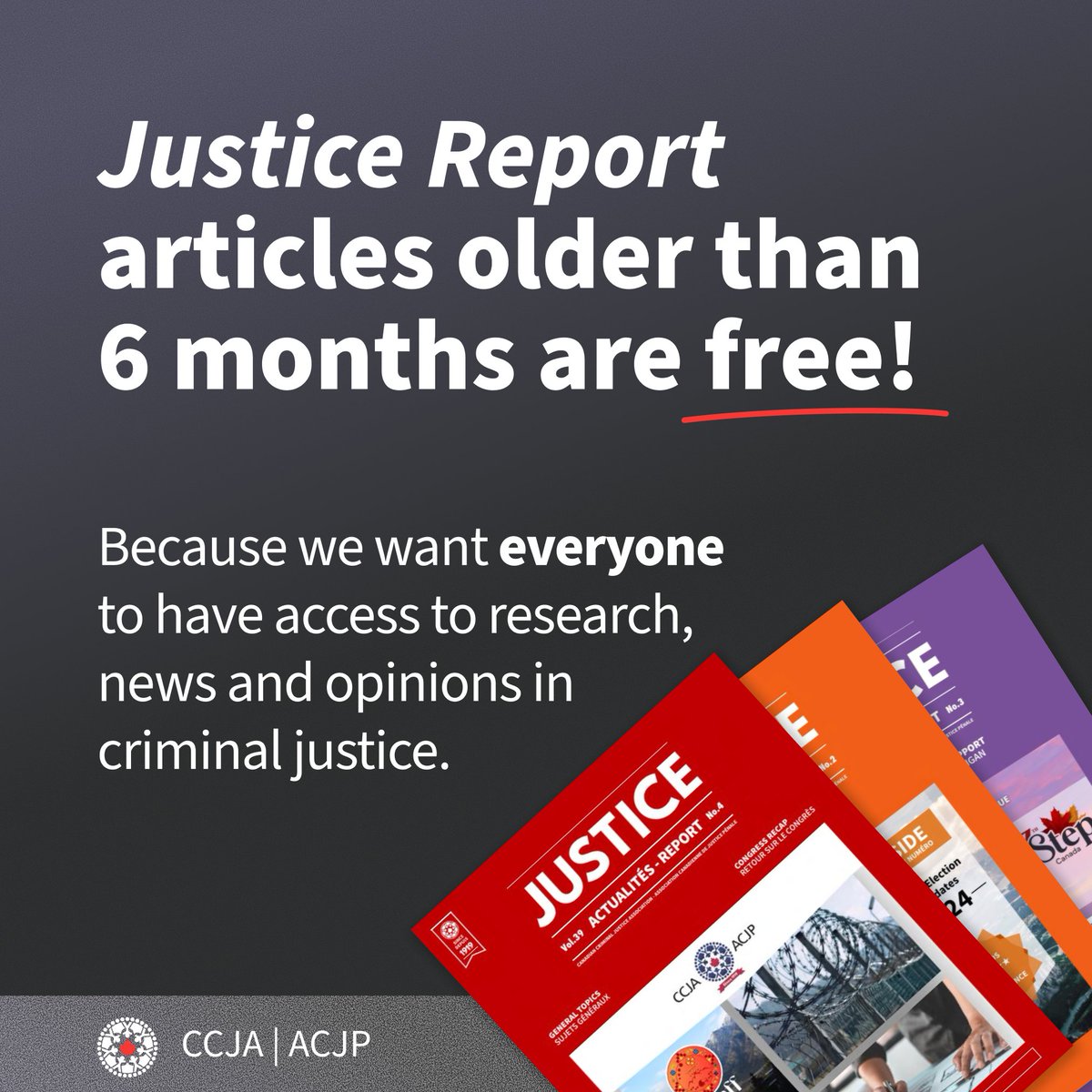
Martin Spielauer’s article is now free to read online, alongside all other articles from Justice Report 39.4! Did you know that all Justice Report articles older than 6 months are completely free to read? Read the full article here: https://t.co/HybunUW5Ar
Because it's important to us that everyone has access to research, news and opinions in criminal justice, all Justice Report articles older than 6 months are completely free to read. You can check them out here: https://t.co/AaI6sW41iI
The CCJA calls for further reduction or elimination of mandatory minimum sentences! Mandatory minimums can lead to unduly harsh sentences that overburden our criminal justice system.
Read our full position on mandatory minimums! https://t.co/THAT8EavfV
Offenders are more likely to respond positively to conditional sentences than to incarceration. They allow offenders to support themselves and contribute to society.
Read our full position on conditional sentences online!
https://t.co/5NBuMBmRgx
Did you know that, in 2019, the Truth And Reconciliation Commission called for the creation of more healing lodges? Only one has been created since, for a total of 10 healing lodges. Currently, none exist in Ontario or Atlantic Canada.
Former offenders can be refused jobs for crimes they committed decades ago, often regardless of the crime.
This continues the cycle of poverty that often causes crime in the first place.
Let's make it simpler and cheaper to get a record suspension, and help them move on.
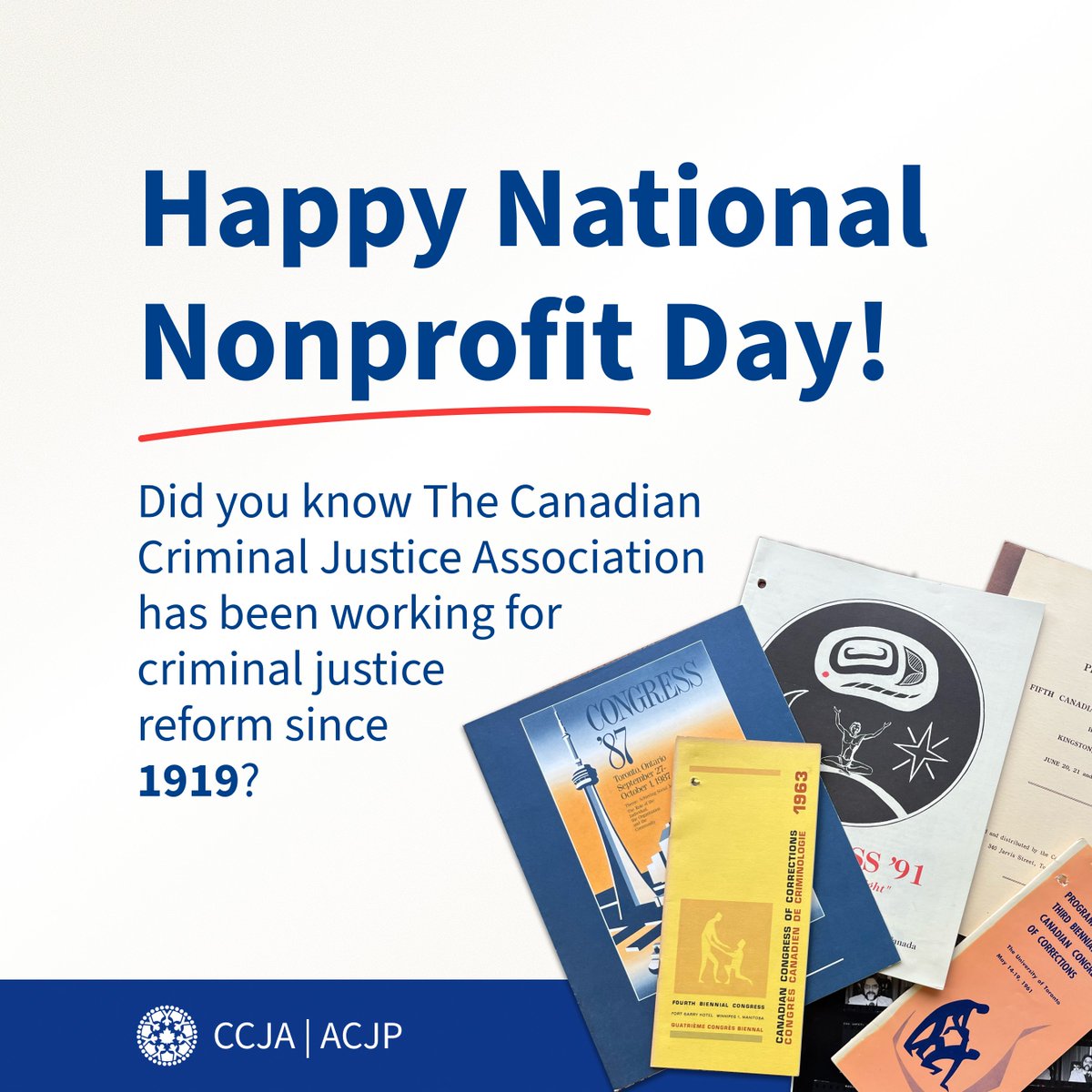
Happy Nonprofit Day! The CCJA is proud to have been a non-profit since 1919, always with the same goal: to continue to work for criminal justice reform in Canada!
#nationalnonprofitday
August 10th is Prisoners' Justice Day. 50 years ago today, a group of Canadian prisoners began a hunger strike to protest the death of Edward Nalon who had died by suicide one year earlier while kept in solitary confinement. #prisonersjusticeday
The truth: research has consistently shown longer sentences aren't a deterrent and may actually make people more likely to reoffend. They can make it harder for prisoners to reintegrate. Longer sentences lead to higher costs, which can divert money away from crime prevention.
Is the risk–need–responsivity model relevant to justice-involved persons with serious mental illness (SMI)? Read about the assessment and rehabilitation of justice-involved persons SMI in the new issue of CJCCJ: https://t.co/8OjYMxPYSl
#SocialJustice#MentalIllness@AcjpCcja
Many fatal shootings have occurred at the hands of frontline police officers, yet little research has investigated the relationship between #MentalHealth and confidence in the #police. This gap is addressed in CJCCJ 67.1: https://t.co/GkZBivAnY4
@ontariotech_u@OT_FSSH@AcjpCcja
Restorative justice often leads to a higher rate of victim satisfaction, a lower rate of re-offending, and can benefit communities as a whole. Why aren’t we using it more often? #restorativejustice
Read about the dangerous results the US/Canadian trade war could have on human trafficking in John Winterdyk’s new article. Members can read volume 2 of the Justice Report online! https://t.co/Om91gIpM9c