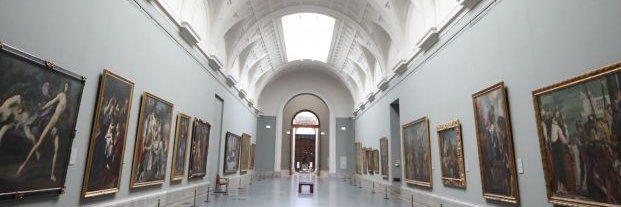
Informative, unique walking tours for adults and families led by historian Dr. Almudena Cros
Spanish Civil War, Prado Museum, Prado for Children, amongst others
Yo en sueños, me imagino a este tipazo como ministro de educación y cultura, y España sería el paraíso del emprendimiento y no una cloaca de vagos, vividores de paguitas.
🇪🇸⛪️
Dans la cathédrale de Mondoñedo, vieille de 870 ans, le multi-instrumentaliste espagnol Abraham Cupeiro a su ressusciter la musique des ancêtres celtes, en jouant du carnyx.
Un son rugissant du passé au milieu d'un lieu sacré.
Magnifique !🤩
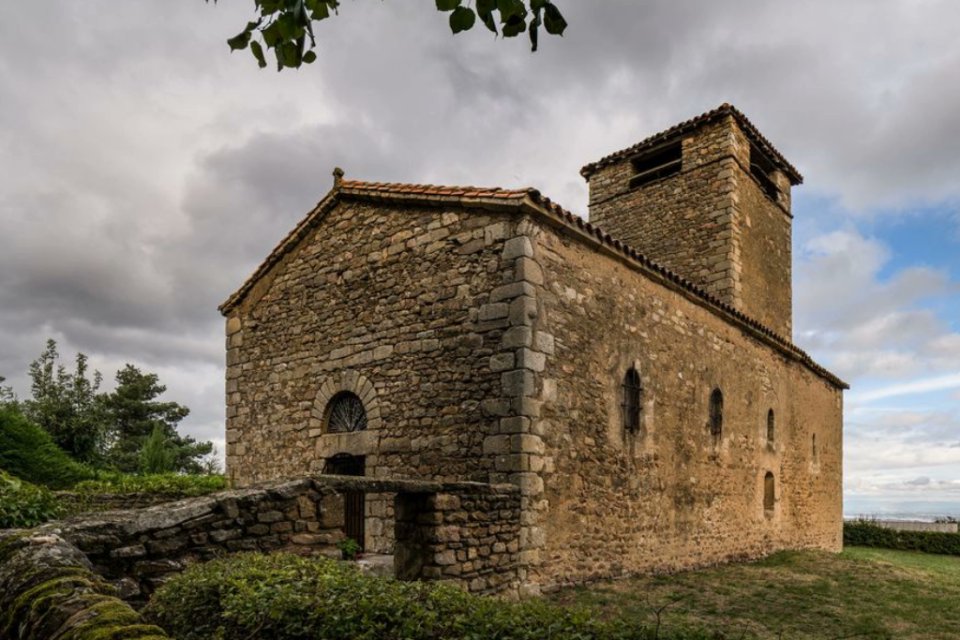
La chapelle millénaire située à Châteauvieux, à 1h de Lyon, reste "en grand danger" : un plan est lancé depuis plusieurs mois pour la sauver, la commune d'Yzeron (Rhône) appelle à l'aide.
https://t.co/z8HcLnbmn2 / Faire un don https://t.co/gDz87zcKO3
@PatrimoineRural May l suggest that the original text states the age of the endangered chapel in Ardeche? Americans will be blown away by the fact that we Europeans are 'OK' with demolishing centuries-old churches!
Please consider a donation. We cannot let this demolition happen! This is our heritage. This is our shared European culture, attacked now from every flank. I have promised a donation to help- please join us!
La chapelle Saint Régis, à Rocles (Ardèche), devrait déjà être démolie depuis une dizaine de jours, mais le maire a souhaité organiser une ultime réunion publique afin d’expliquer à la population pourquoi la démolition est la meilleure option.
https://t.co/gBpyGsq4Tv
@romanhelmetguy They were "garishly"painted in the Archaic period and then it seems they restrained the coloured surface to details?
https://t.co/CHWcihmKmk
@romanhelmetguy So statues would have been 'garishly' painted but she does not mention the great work done by the German scholars (Brinkmann) or the fabulous exhibition CHROMA at the Met? Why not acknowledge the academic work done by others?
https://t.co/ktzTrgpJs4
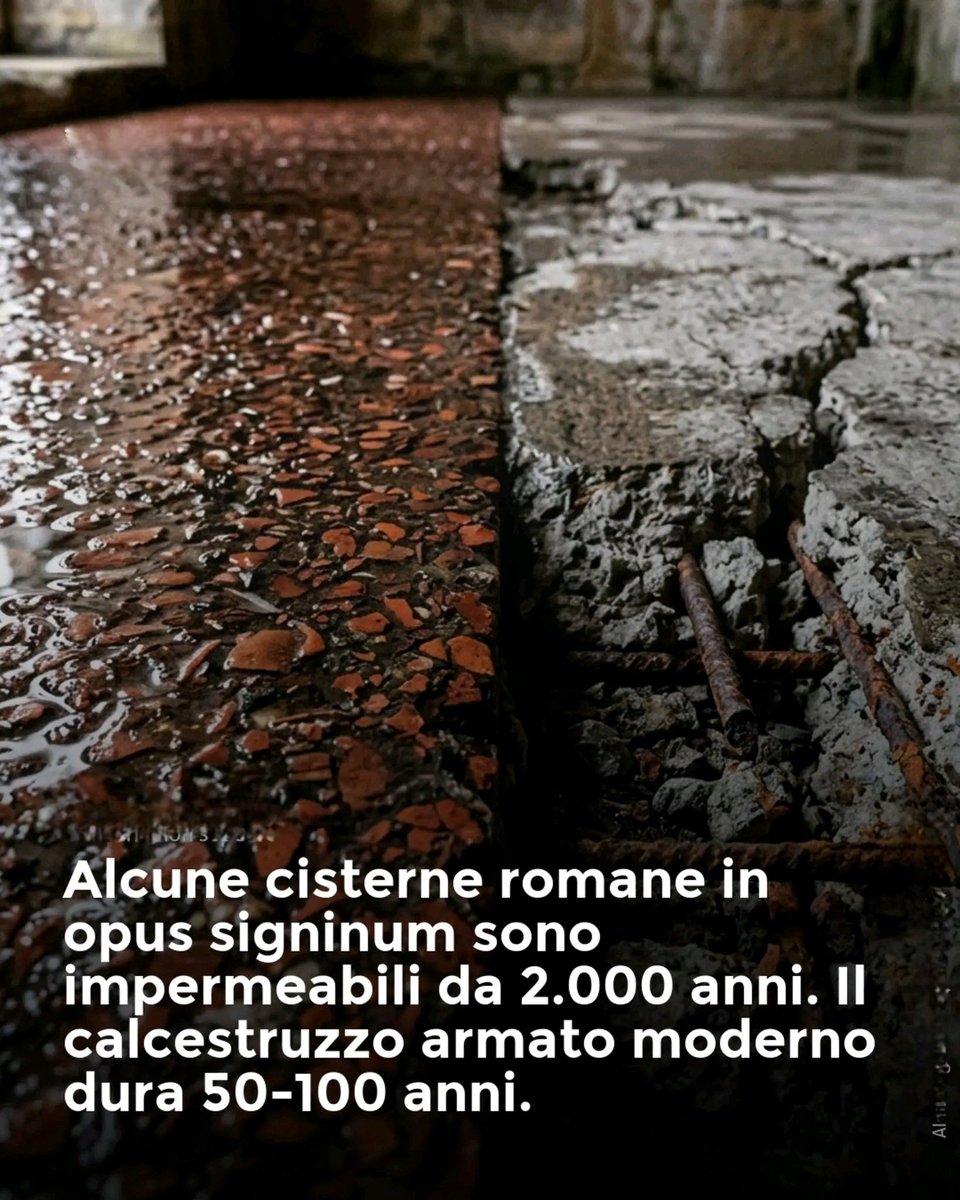
Il pavimento romano dura più di 2.000 anni.
Il nostro cemento Armato, meno di 100.
Non è un'esagerazione. Alcune vasche e cisterne romane rivestite con opus signinum sono ancora idraulicamente intatte nessun cedimento, nessuna infiltrazione. Dopo duemila anni.
Il calcestruzzo armato moderno, per confronto, ha una vita utile certificata di 50-100 anni prima di richiedere interventi strutturali.
L'opus signinum non era un materiale sofisticato nel senso moderno. Era una malta composta da calce, sabbia e cocci di terracotta tritati finissimi materiali di scarto, praticamente polvere di vasi rotti.
Il punto è come veniva preparata. I cocci di laterizio dovevano essere stati cotti alla temperatura giusta, frantumati alla granulometria precisa, dosati nel rapporto corretto: una parte di calce, due di sabbia, una di polvere di terracotta. Se tutto tornava, scattava qualcosa.
La reazione pozzolanica: la silice e l'allumina dei cocci reagiscono con la calce e formano nuovi legami minerali calcio-alluminio-silicato-idrato. Il risultato è uno strato compatto, stabile, praticamente impermeabile. Non si incrina, non assorbe, non lascia passare l'acqua.
Vitruvio lo descriveva già nel I secolo A.C. nel De Architectura. I romani lo usavano ovunque ci fosse acqua: terme, cisterne, vasche, condotte. A Segni, nel Lazio, una vasca di 10 per 5 metri con pareti spesse 61 centimetri è sopravvissuta intatta fino a oggi.
Non è un'anomalia. È il risultato di una chimica precisa che il cemento armato, nonostante l'acciaio interno, non riesce a replicare nel lungo periodo. L'armatura metallica si corrode, si espande, spacca il calcestruzzo dall'interno.
L'opus signinum non ha armature da ossidare. Ha solo legami chimici che si consolidano nel tempo invece di degradarsi.
I romani non sapevano di fare chimica. Sapevano solo che funzionava.
In breve:
L'opus signinum era una malta di calce, sabbia e cocci di terracotta che reagivano chimicamente formando uno strato impermeabile
Alcune cisterne e vasche romane rivestite con questo materiale sono ancora idraulicamente intatte dopo 2.000 anni
Il calcestruzzo armato moderno ha una vita utile certificata di 50-100 anni.
Western Civilization isn't just cathedrals and constitutions. It's Bach's Mass in B Minor, Mozart's Jupiter Symphony, and Beethoven's Ninth.
These pieces aren't just entertainment...they're the soundtrack of a civilization reaching toward God and beauty.
Know this, guard this, and pass it on.
The Spanish Empire established the 8-Hour Workday 300+ years before any Liberal Democracy
On this International Workers’ Day, let’s honour a remarkable yet often overlooked milestone in labour history: the world’s first legally mandated eight-hour workday, established by King Philip II of Spain in 1593.
Through the Ordenanzas de Felipe II, specifically Title VI, Law VI, the king decreed:
“All workers shall work eight hours a day, four in the morning and four in the afternoon, in fortifications and factories, scheduled at the most convenient times to avoid the sun’s intensity, as deemed appropriate by the engineers, ensuring that, without missing any possible work, their health and preservation are also considered.”
This pioneering regulation, documented in the Recopilación de Leyes de los Reinos de las Indias, applied not only to Spanish labourers but also extended to indigenous workers in the American viceroyalties. Notably, mine workers were granted a reduced workday of seven hours to safeguard their health.
Furthermore, indigenous communities operated under their own legal systems, known as “Indian republics,” where they elected their own mayors and maintained certain autonomies.
Centuries before the industrial labour movements of the 19th and 20th centuries, this royal decree recognized the importance of balancing work with health and rest. Today, we remember this early commitment to workers’ rights and continue to advocate for fair and humane labour practices worldwide.
Please pray for the Catholic hostages kidnapped by islamist terrorists in Nigeria
As their ransom demands have not been met, the terrorists have begun to execute women and children
No coverage in western media
Please RT so that the world knows about the inhuman crimes committed in Nigeria with the compliance of western politicians, religious leaders and media
BREAKING: Islamists in Nigeria who kidnapped 416 women and children three days ago, say that ultimatum has expedited and they will begin executing the hostages.
There has not been a word about this in the media for the last three days.
Now they’re starting executions.
Otro error verificable. La destrucción de templos, códices y escuelas en Mesoamérica fue operación conjunta hispano-indígena, no obra exclusiva española.
Los tlaxcaltecas participaron activamente en el desmantelamiento de templos mexicas y cholultecas, sus enemigos históricos. La destrucción del Templo Mayor se hizo con mano de obra indígena masiva, cuya piedra fue reutilizada para la Catedral Metropolitana. Los autos de fe contra códices documentados por Zumárraga (Texcoco, caso Ometochtzin) tuvieron acusadores indígenas conversos. Diego de Landa en Maní actuó con denunciantes mayas conversos. Y conviene añadir otro dato que el revisionismo indigenista siempre omite y es que los propios mexicas habían destruido sistemáticamente códices históricos de pueblos sometidos antes de la llegada española, era su forma de actuar habitual. Itzcóatl, en el siglo XV, ordenó la quema masiva de códices para reescribir la historia mexica desde el poder. Lo recogen León-Portilla, López Austin y Matos Moctezuma.
Reducir el proceso a "españoles destruyeron, indígenas no" es falsificación historiográfica que ningún manual mesoamericanista actual serio sostiene.
“Siete solo saponette mancate”, urlano contro la Brigata Ebraica.
Al corteo che ricorda la sconfitta, 81 anni fa, di chi gli ebrei li trasformava davvero in saponette nei campi di concentramento.
Ora ditemi, con calma eh, se qui abbiamo un problema oppure no.
@annapaolaconcia@MGloucester Scuse pubbliche alla #BrigataEbraica le dovrebbe il @Quirinale a nome di tutti gli italiani civili e realmente democratici.
Perché la firma di chi volle insignirla del massimo onore militare fu proprio del Pres. #Mattarella.
E auspico che lo stendardo possa marciare il #2giugno
@annapaolaconcia Non ho le parole per questa infamia. Mi dispiace davvero vedere tutta questa 'sinistra antifascista' sviluppare come dai veri neonazi. Ché vergogna. Viva la #BrigataEbraica
A wool jumper, made in 1985, washed in cold water once a month, worn through three decades of British winters, would currently be sitting in someone's wardrobe doing fine.
A polyester fleece, made in 2026, machine-washed weekly, will start to lose its structural integrity within three to five years, shed an estimated 700,000 microfibres per wash into the water system, and end its life in landfill where it will persist for approximately 200 years.
The wool jumper:
- Came from a sheep
- Required grass and rain
- Will biodegrade entirely within three years of being buried
- Will keep you warm when wet
- Will not melt if exposed to a flame
- Will probably outlive you
- Cost £80 in 1985, which is £230 today, and represents the entire jumper budget for the next forty years
The polyester fleece:
- Came from an oil refinery in Texas
- Required hexane extraction, polymerisation and dyeing in three different factories on three different continents
- Will not biodegrade in any human timeframe
- Will get cold and clammy when wet
- Will melt against your skin if exposed to a flame
- Will be in landfill within five years
- Cost £40 in 2026, which means you'll buy ten of them across the next forty years for a total of £400, and the planet will still be eating the residue in the year 2226
But yes. The sheep is the problem.
The sheep, standing in a field in mid-Wales, growing a renewable fibre from grass and rain.
The sheep is the problem.