Our 🚨new🚨 paper in @GlobalChangeBio reviews & roadmaps how physiology can improve our understanding of range extensions 🔄 of marine fishes 🐠 & help inform management https://t.co/aIS0IfDfiP
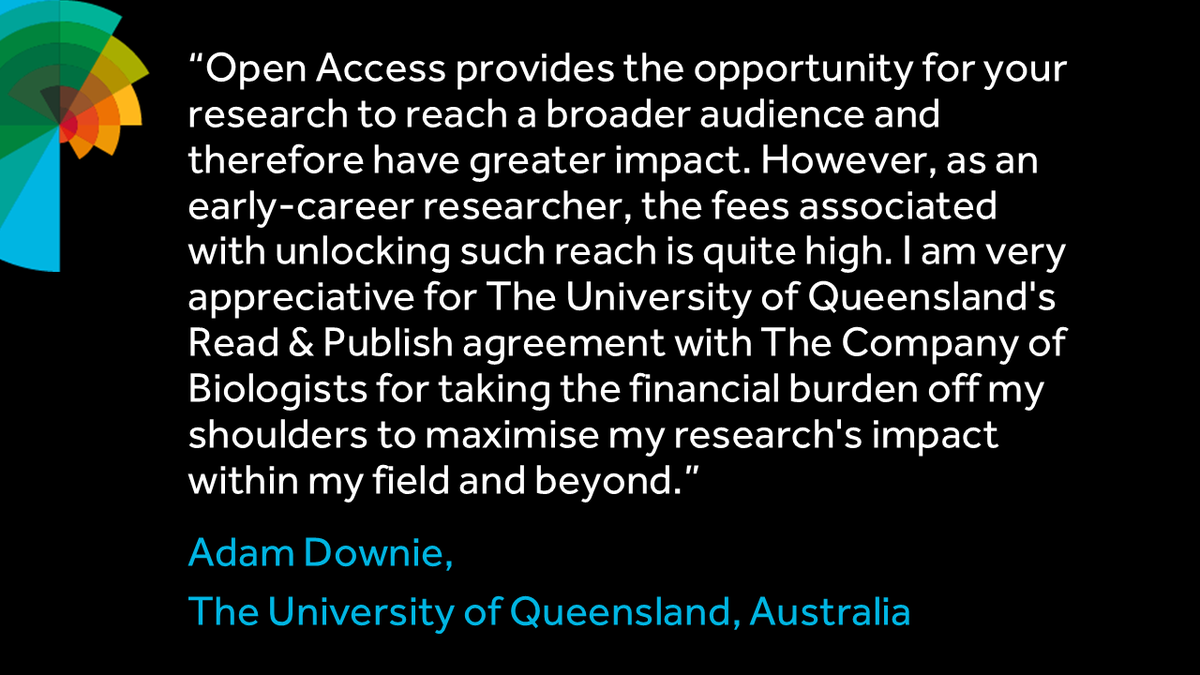
Thank you Adam Downie @AdamDownUnder for sharing your experience of fee-free #OA publishing in @BiologyOpen via our #ReadAndPublish agreement @UQ_News@UQ_Library. Read Adam’s paper: https://t.co/p3CDunpvIH
See if your institution is participating too: https://t.co/WpJcxTtBmG
Thank you Adam Downie @AdamDownUnder for sharing your experience of fee-free #OA publishing in @BiologyOpen via our #ReadAndPublish agreement @UQ_News@UQ_Library. Read Adam’s paper: https://t.co/p3CDunpvIH
See if your institution is participating too: https://t.co/WpJcxTtBmG
Adam T. Downie & co expose clownfish embryos to UV radiation (UVR) corresponding to water depths reflective of their settlement, mimicking what could happen in a future coral reef with fewer structures shielding against UVR. 🐟
https://t.co/wGEvFPfd3J
Interesting new study on lateral line system of deep sea chimaeras. So much we don't know about these bizarre animals. Happy to have helped with creating the figures for this cool and important research
https://t.co/8EgcFHh3uu
Due to limited reached, I've moved to Blue Sky.
Follow for all things coral reef fish eco-physiology and marine dispersal.
Will post a few recent publications this year on Blue Sky that I haven't posted here (nor will I).
Increasing land drying & drought will threaten water-sensitive species such as frogs 🐸. We examine the potential exposure risk under different warming scenarios | https://t.co/7DbqVeADRT | @NatureClimate
Like healthy coral reefs in the South China Sea (🙂) but dislike Crown-of-Thorns starfish (#COTS ☹️) outbreaks? Peiris et al. used #eDNA metabarcoding to audit coral communities before and after their population expansion, published in @SpringerCORE.
https://t.co/2MkFhvIWFc
PROOF OF CONCEPT STUDY: Downie et al. found that combining "Tree of Life" #metabarcoding biodiversity data with water quality indexes can be an effective means to assess estuarine condition.
https://t.co/K97Zy3mBY5
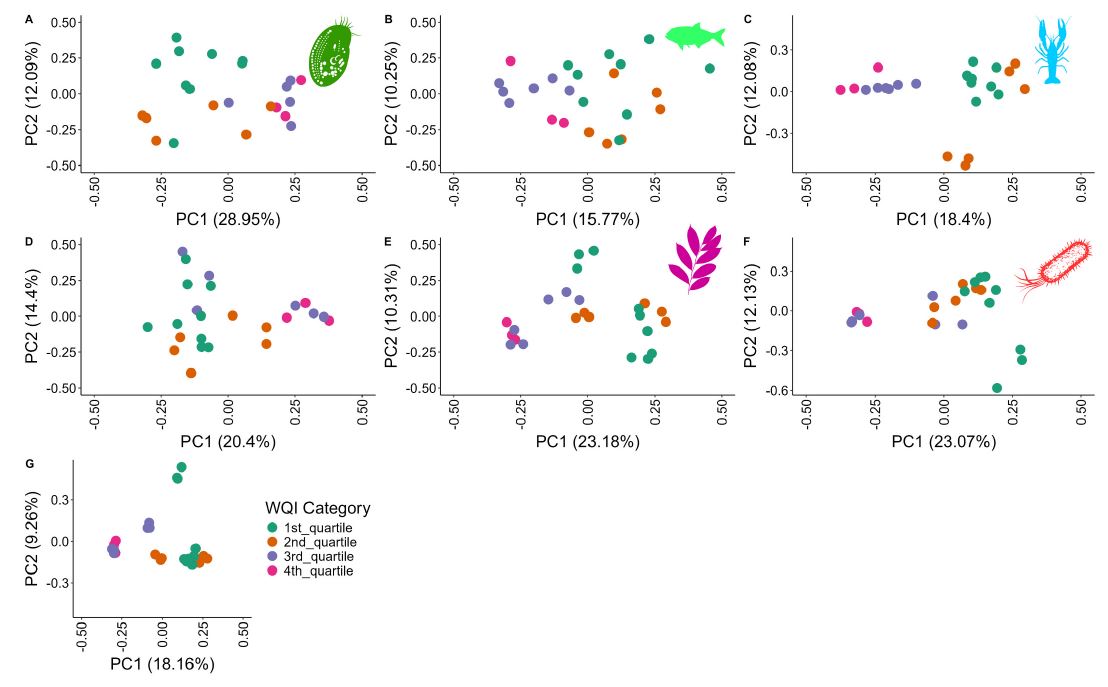
In this study, published in #MarinePollutionBulletin, we compared #eDNA detections in the urbanized Gold Coast Broadwater Estuary to a common water quality index (WQI). Species diversity and composition correlated with lower WQI for some, but not all, taxonomic subgroups.
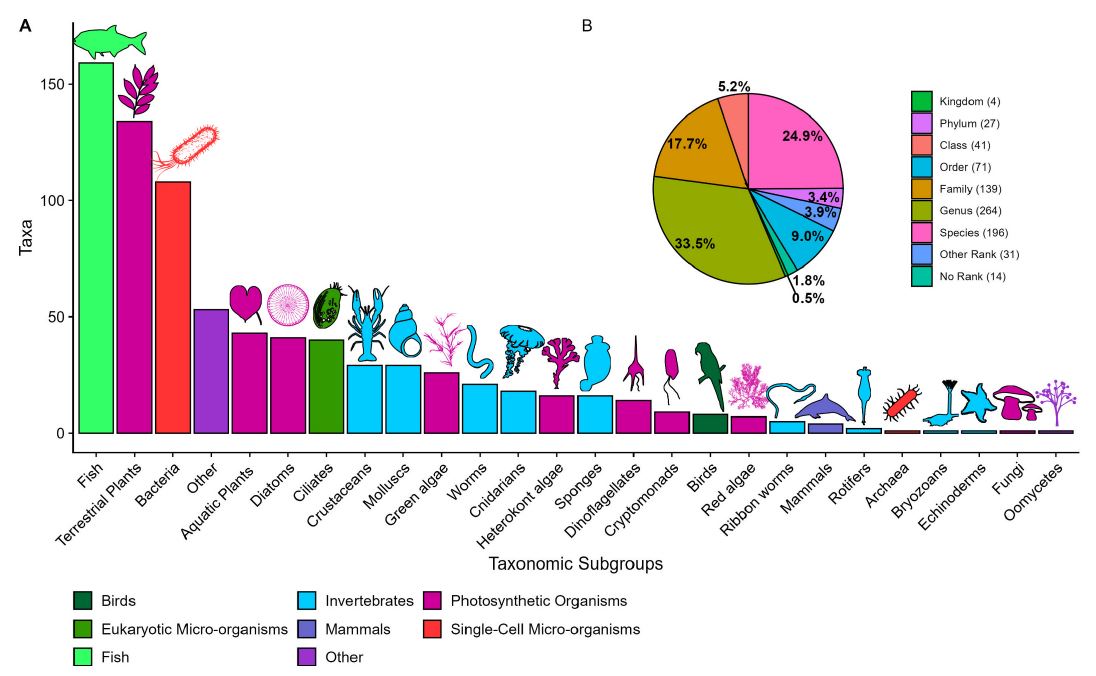
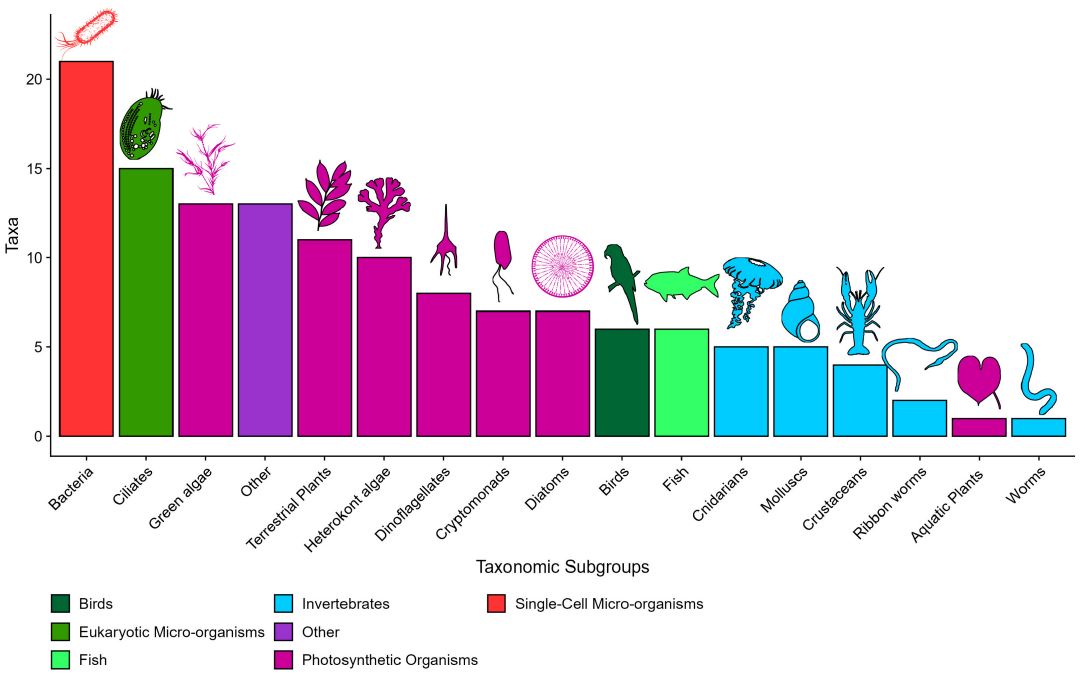
Using ToL-metabarcoding, we also added 137 new biodiversity records to the region, mostly microorganisms such as bacteria, ciliates, diatoms, dinoflagellates, and cryptomonads, noting that these may be the result of incomplete historical records for these microscopic organisms.
🔥🌊A new JCU study has revealed mangrove habitats may serve as temporary sanctuaries for stingrays, but scientists fear the ‘saunas’ could become too hot to handle with climate change accelerating. @physiologyfish @Bouyoucos
📸by @SharkColin
Happy to say that the last paper from my #PhD has been published 🥳
A story about the impact of #MHW on the #physiology of a #coralreef#snapper 🌡️🐟🪸
https://t.co/dV2MotWIZE
Excited to share our recent work at @NYUADMarineBio investigating potential mechanisms behind the shrinking of fishes on the world’s hottest coral reefs 🐠 https://t.co/MSaVRfH73g
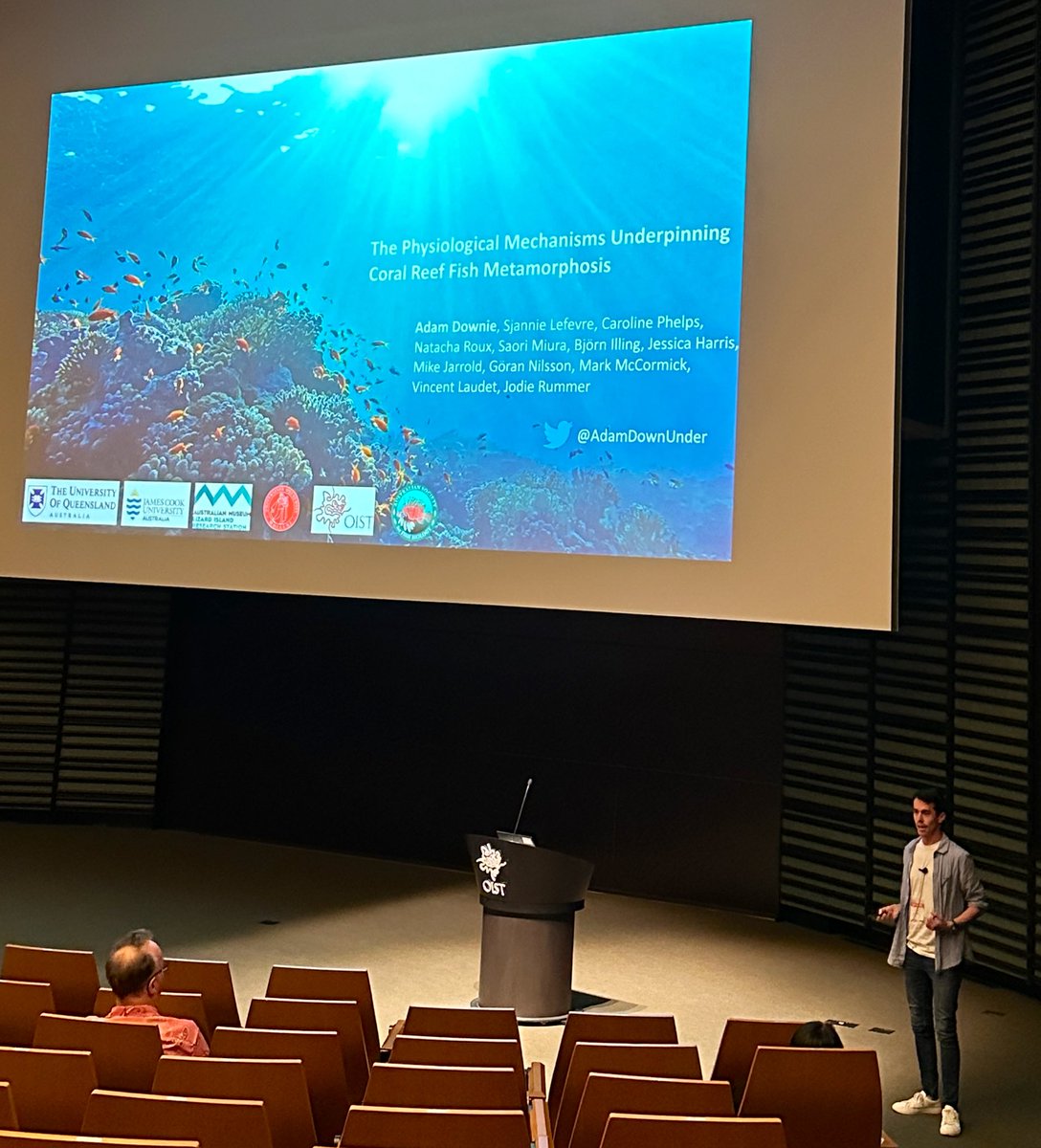
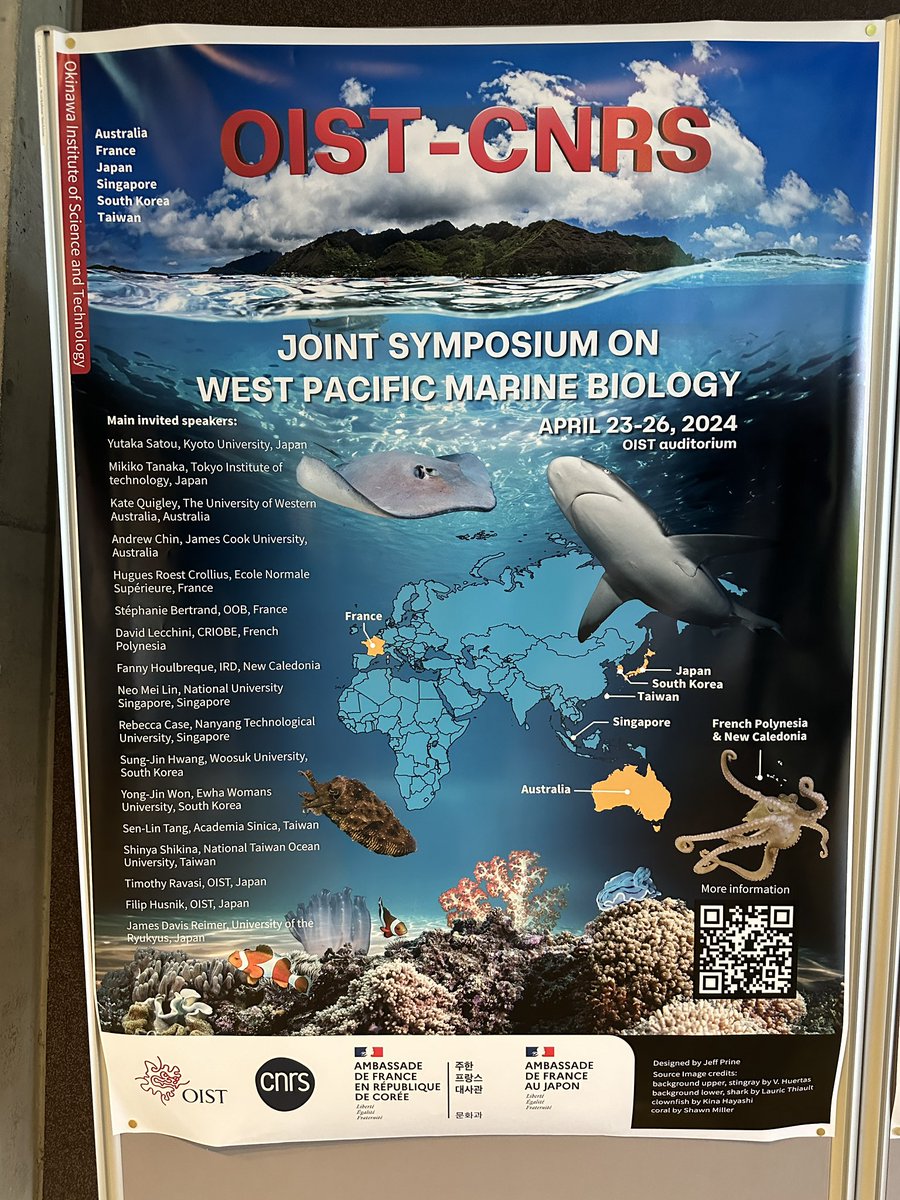
A fav story w/ continued research questions by @AdamDownUnder here at @OISTedu@cnrs West Pacific Marine Biology Symposium - the tiniest athletes, metamorphosis, #coralreef#fishes
More here in @PLOSBiology
https://t.co/dJSMOhIadc
Introducing the symposium & opening of the International Research Lab (IRL) @oist President & @CNRS signing the agreement.
https://t.co/3BrtQQgGok