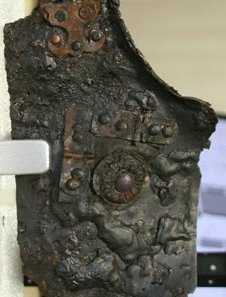
#archéologie: retour sur les 1ers résultat des fouilles exceptionnelles dans le quartier de Sainte Colombe dans les faubourgs de la Vienne antique en Isère en 2017 par Archeodunum: c'est tout une place de marché avec des artisanats et des boutiques au rdc et des logements au Ier étage, ravagée par un incendie en 69 après JC qui a en quelque sorte été scellée dans son état d'abandon les objets non récuperés en place.
Parmi ceux-ci, le paquetage complet d'un soldat romain est une découverte rare (il n'y a que 2 autres découvertes du même niveau dans le monde) : dans un coffre en bois, dans un appartement au nord ouest de la place, on a trouvé une armure complète segmentée (lorica segmentata), un glaive de type Mayence, un poignard (pugio) encore dans son fourreau, un pilum complet, un élément de casque en bronze ainsi que des clous de chaussures caractéristiques des caligae portées par l’armée romaine. Il s'agit très vraisemblablement de l'équipement d'un vétéran ayant été recruté sous Auguste ou Tibère au début du Ier siècle et venu s'installer à Vienne.
L'armure segmentée à été restaurée par le CREAM de Vienne (Centre de Restauration et d’Études Archéologiques Municipales) de Vienne mais compte tenu de sa grande fragilité, elle a également été numérisée par la Maison des sciences humaines et environnementales dont voici les premières images (lors de sa découverte /après restauration)..
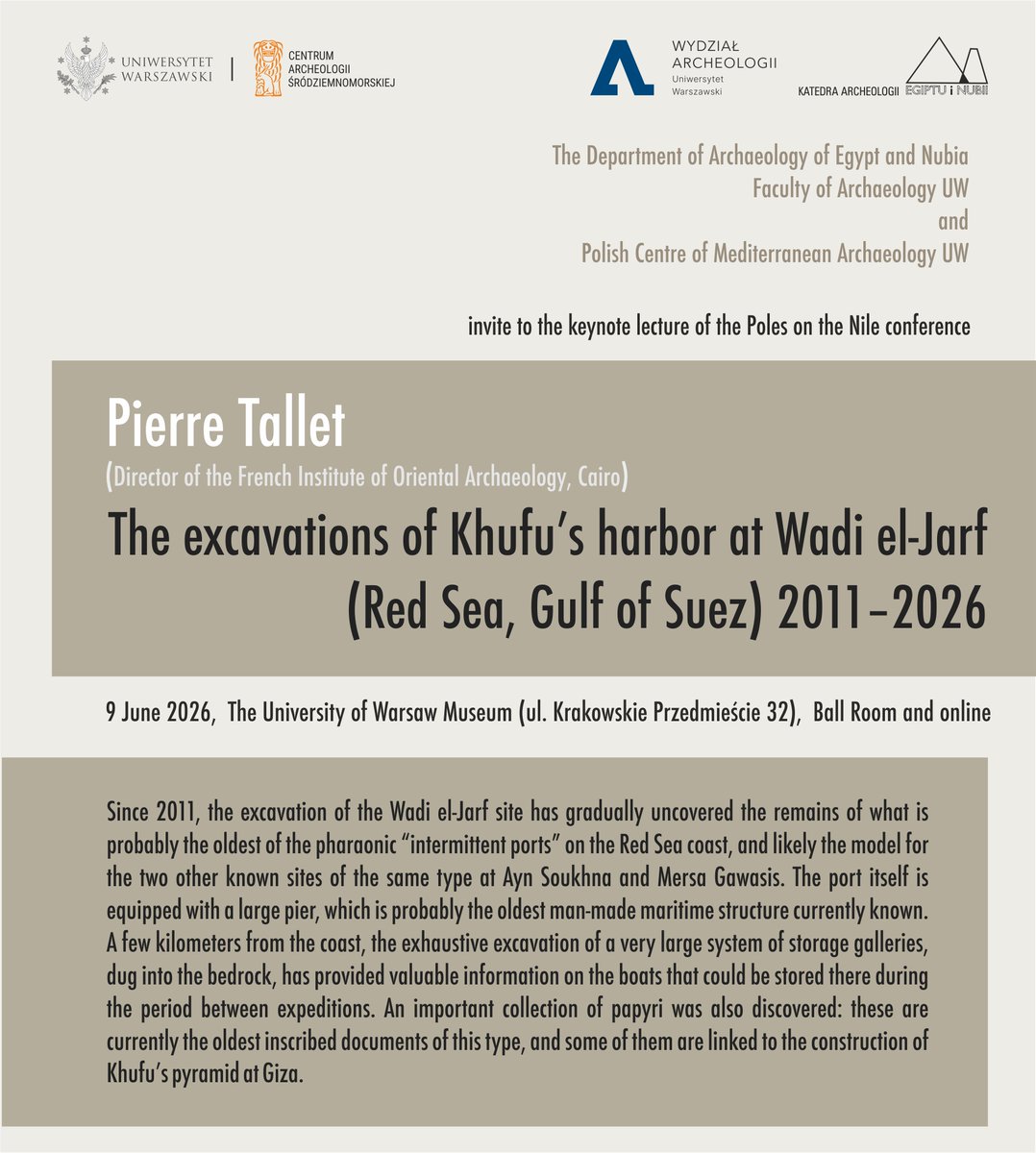
Invitation to keynote lecture:
The excavations of Khufu's harbor at Wadi el-Jarf (Red Sea, Gulf of Suez) 2011-2026. Pierre Tallet.
📆 9 June 2026
📍 The University of Warsaw Museum (ul. Krakowskie Przedmieście 32), Ball Room and online.
https://t.co/o14Edaa0Yn
Prof. Ludwig Morenz from Uni Bonn deciphers 5,000-year-old inscription displaying early Egyptian dominance in Sinai
Spectacular discovery in the Sinai https://t.co/8zSFVs74gk
So glad to see this out in the world. The volume seeks to introduce a new field of intervention in social and labour historiography, that connects studies of labour with that of punishment and a global history of power.
NEW Archaeologists discover a major New Kingdom (c. 1550–1069 BC) settlement at Kom el-Nugus, Egypt!
The region was thought to have only been occupied from the Hellenistic period (332–31 BC) onwards, prompting re-evaluation of northern Egypt's history.
🆓 https://t.co/6Uzi6xlZj8
The volume asks how do punitive practices contribute to shape the processes of labour extraction and workers’ mobility? It is based on empirically grounded research from a wide range of geographical and temporal contexts.
For a table of contents, see:
https://t.co/kzl9AaHyPm
Me, @KatyARoscoe, and @nabhojeet are happy to announce that our edited volume "Punishment, Labour and the Legitimation of Power" with @AmsterdamUPress is out now.
https://t.co/BygPqp51Az
Check the new volume of Monografías de Oriente Antiguo (MOA 4): L.D. Morenz, Egyptian meeting Canaanites (AdH, 2024), and discovers Serabit el-Khadim as the birthplace of alphabetic writing. Visit our website @UAHes Press and check the TOC of this volume: https://t.co/O3VDpiG5iJ
Submitted my first ever edited collection, with @AdamFagbore@nabhojeet 🙌198 pages and 97,756 words by fantastic contributors for @AmsterdamUPress - time for the weekend 🍻
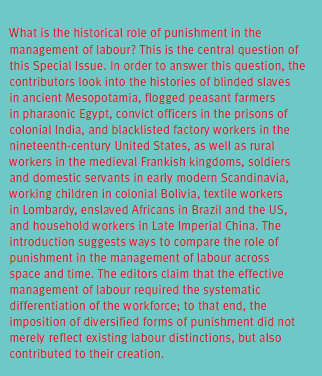
What is the historical role of punishment in the management of labour? That is the central question of our newest Special Issue: Punishing Workers, Managing Labour, eds Christian De Vito and Adam Fagbore. Read here: https://t.co/PCSfRAMpil #twitterstorians#socialhistory
Our special issue on "Punishing Workers, Managing Labour", in the International Review of Social History is now out.
#socialhistory#labourhistory
https://t.co/zTBBzJqCah
'What is the historical role of punishment in the management of labour?' is the central question of our newest Special Issue, 'Punishing Workers, Managing Labour', eds Christian De Vito/Adam Fagbore. Available online soon @cambridgecore#socialhistory#labourhistory
Simulation of Hammurabi's court in the square of the Iraqi Museum
The implementation of the Iraqi sculptor Abbas Gharib
محاكاة لمسلة حمورابي في ساحة المتحف العراقي - بغداد
تنفيذ النحات العراقي عباس غريب
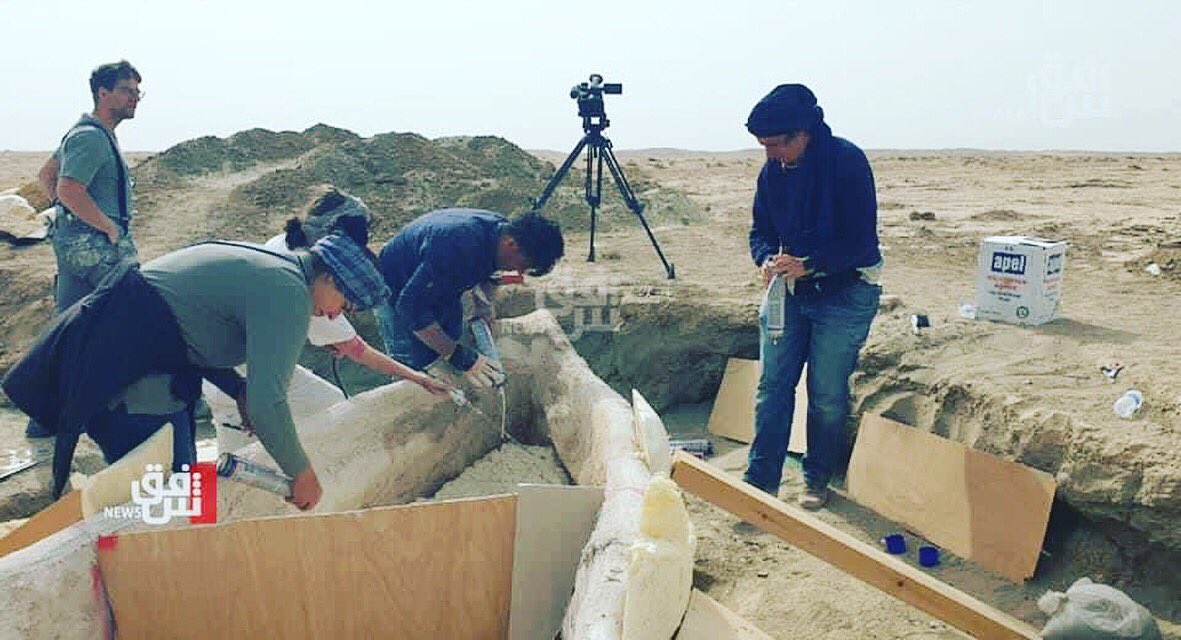
The German mission that is excavating at the site of the city of Uruk (Al-Warka) found an archaeological boat in the ruins of the city that dates back to the yearly Sumerian dynasties (around 3000 to 2350 BC), and it is in very good condition.
#EgyptianMuseum#Inspiring
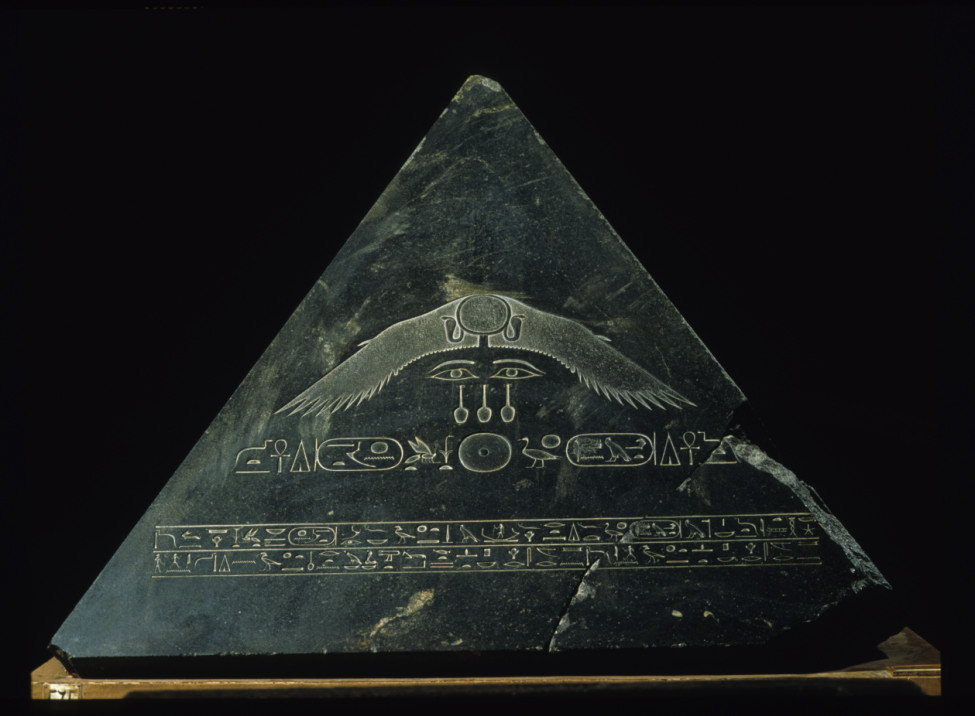
Pyramidion of Amenemhat III
From the pyramid complex of Amenemhat III at Dahshur. Reign of Amenemhat III. The Middle Kingdom, 12th Dynasty, ca. 1860-1814 BC. JE 35133
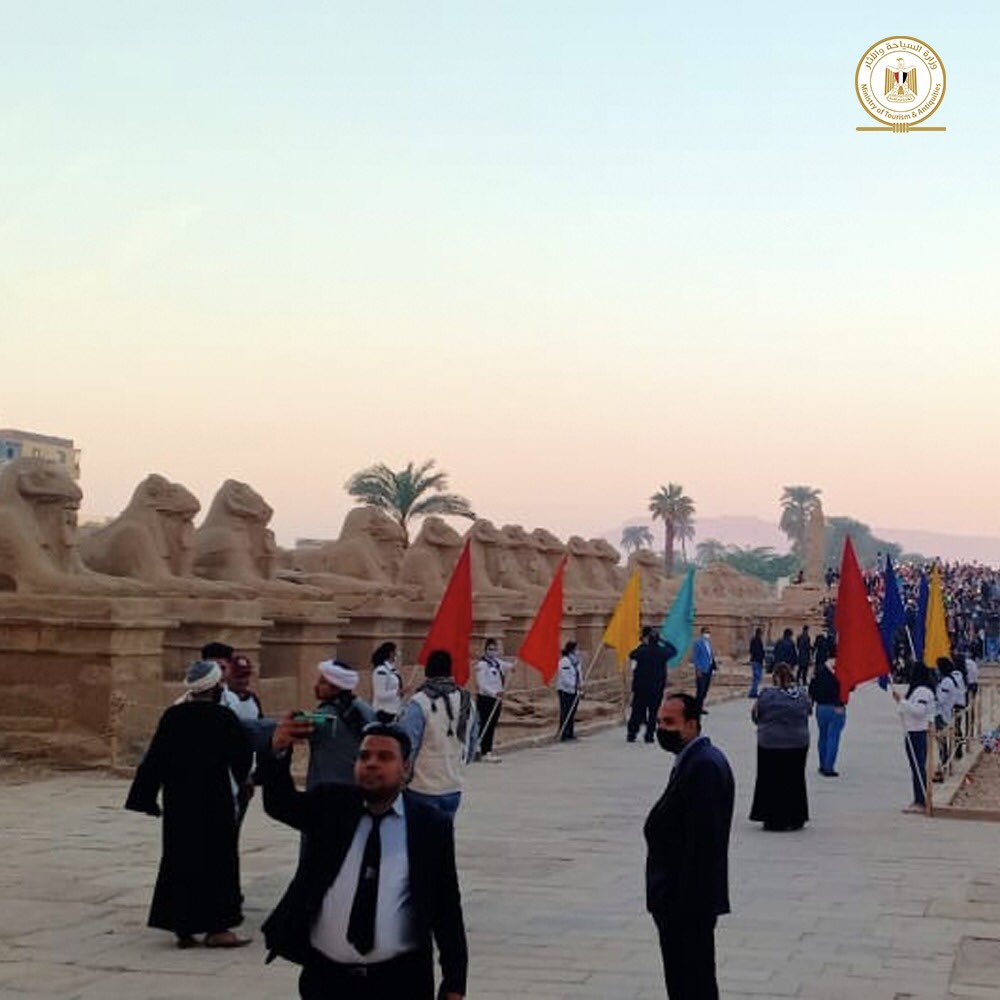
شهد الكرنك صباح اليوم احتفالية تعامد الشمس على المحور الرئيسي لمعبد الكرنك، وهي الظاهرة التي تحدث في ٢١ ديسمبر كل عام
This morning Karnak witnessed the celebration of the solar alignment on the main axis of the Karnak Temple, a phenomenon that occurs on December 21 yearly
#EgyptianMuseum#Inspiring
Dancing Dwarfs
This is a child's toy, a system of strings threaded through holes and around a pulley makes the figures dance .the Middle Kingdom, 12th Dynasty, ca. 1991-1802 BC. Ivory, JE 63858
What is delivered is a refreshing and indeed original re-reading of Great Zimbabwe and its location in world archaeology.
Sabelo J. Ndlovu-Gatsheni, Professor and Chair of Epistemologies of the Global South, University of Bayreuth, Germany.