We whole genome sequenced ancient and modern Bluefin tuna and find evidence for a demographic decline beginning around the year 1900, and a loss of genetic diversity. Collab between @Unibo@archaeogenomics and many fantastic ecologists and archaeologists https://t.co/6hPGJR88ws
@chris_harrod Unfortunately not from the same specimens, not sure what the offsets are but I can share some values from the literature i cobbled together. Challenging because of variety of methods for muscle (whole vs collagen, fat vs defatted etc)
Using stable isotope analyses of archaeological bones, we find Atlantic bluefin tuna have become more pelagic in recent centuries and lost a Black Sea trophic niche by the 1980s—likely due to exploitation. Great collab with @York_BioArCh and @MMAlexande
https://t.co/l6EPb2xt7t
🧬🐟Here is our preprint "Unidirectional trans-Atlantic gene flow and a mixed spawning area shape the genetic connectivity of Atlantic bluefin tuna" @ICES_ASC @planettunaIEO@FAOfish#ICCAT. We show that:
https://t.co/UyZhDY7FUX
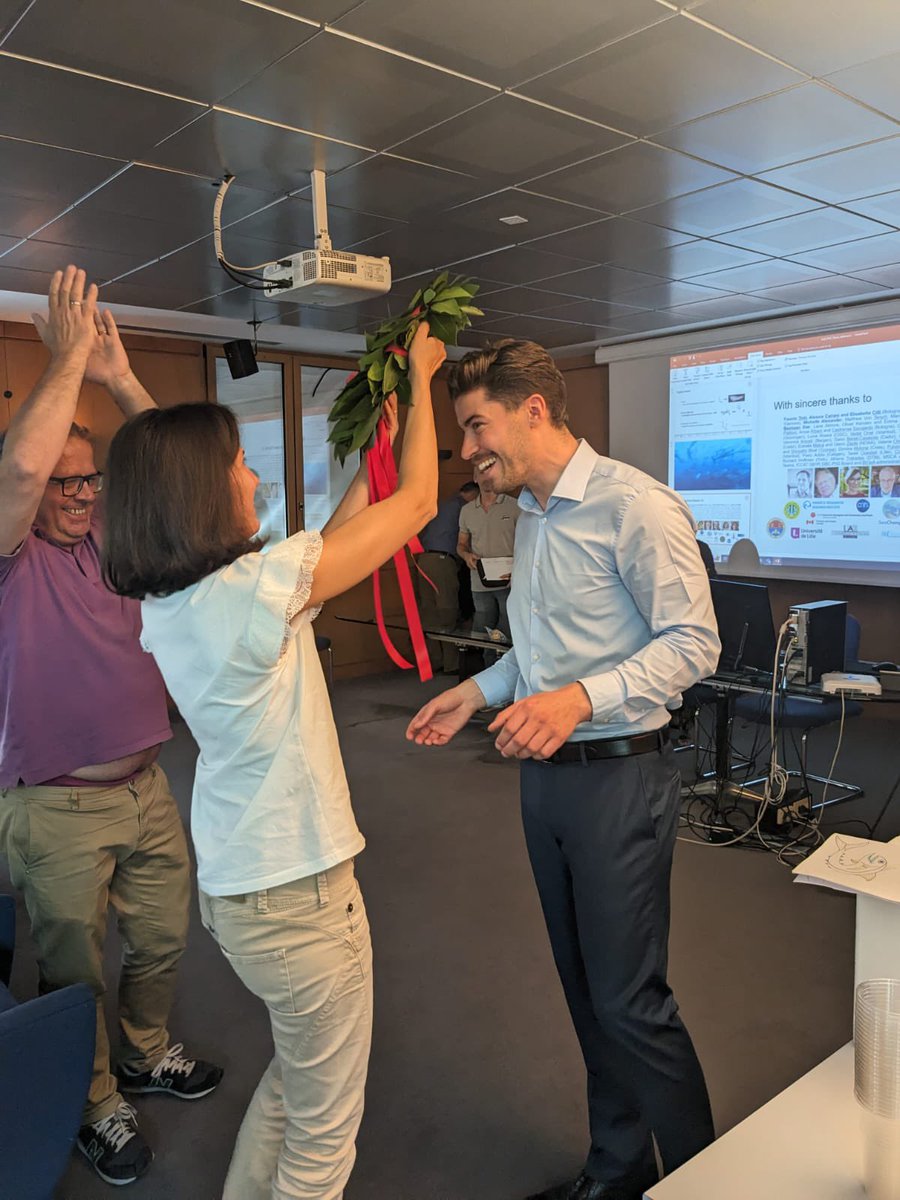
PhD cum laude ✅ Thankful for a great few years in Bologna and delighted to announce I will begin a permanent research position @NIVAforskning in Oslo 🇳🇴 in September 🥳 Excited to work on ecosystem consequences of offshore wind and contribute towards the green transition 🌍
Only a few days left before the May 15 deadline to apply for the summer school Anthropocene: how humans shaped the earth. @UGsummerschools We've got an excellent line-up of speakers and discussants.
Groningen and Wadden Sea! Here we come!
https://t.co/6e63gumgbS
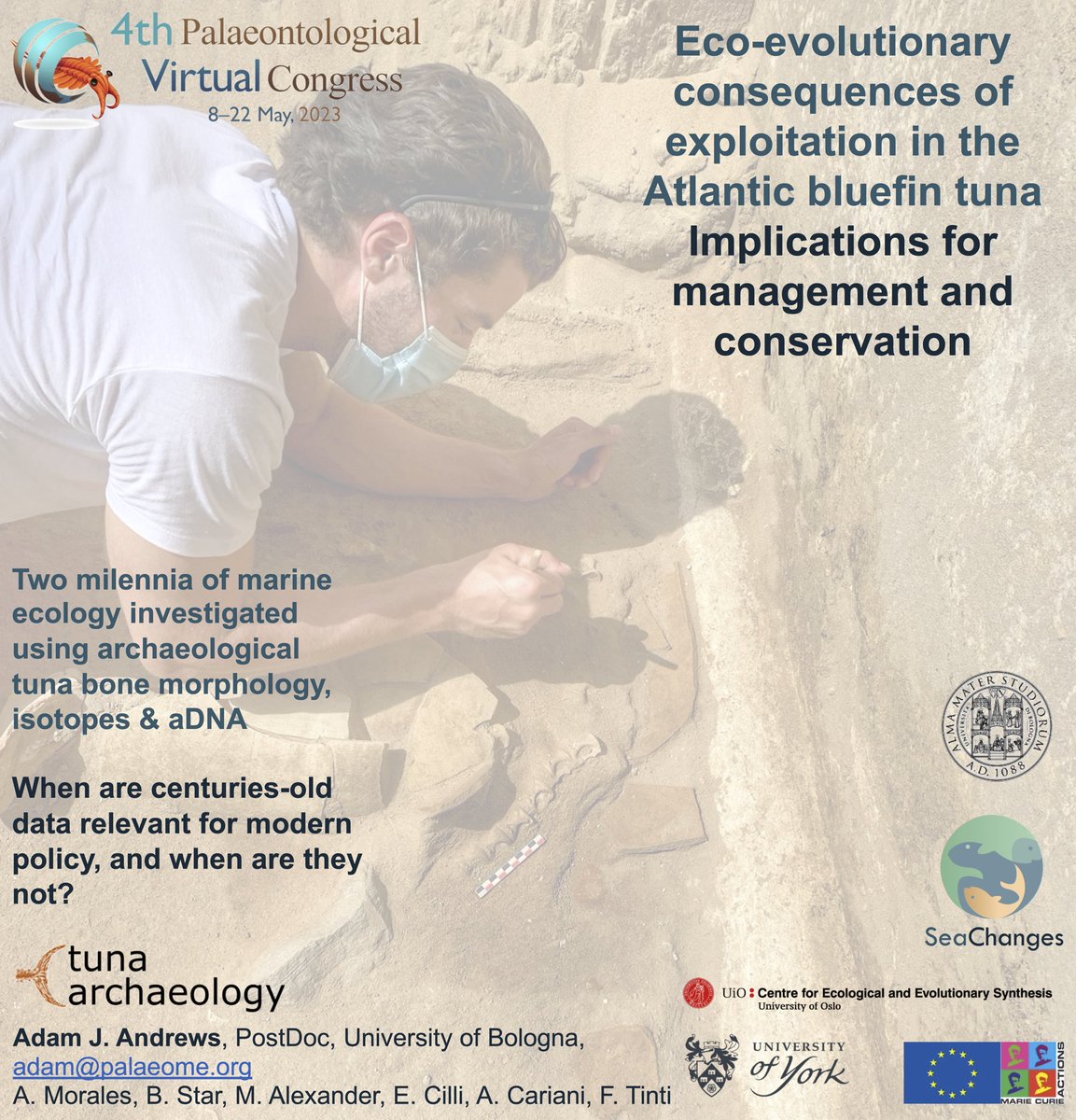
Pleasure to be a part of the @palaeovc which is kicking off today…
Presenting on my PhD findings, how historical ecology has value for policy, and also the challenges of making these data relevant.
Thanks to the organisers and to a good friend @PAbondio
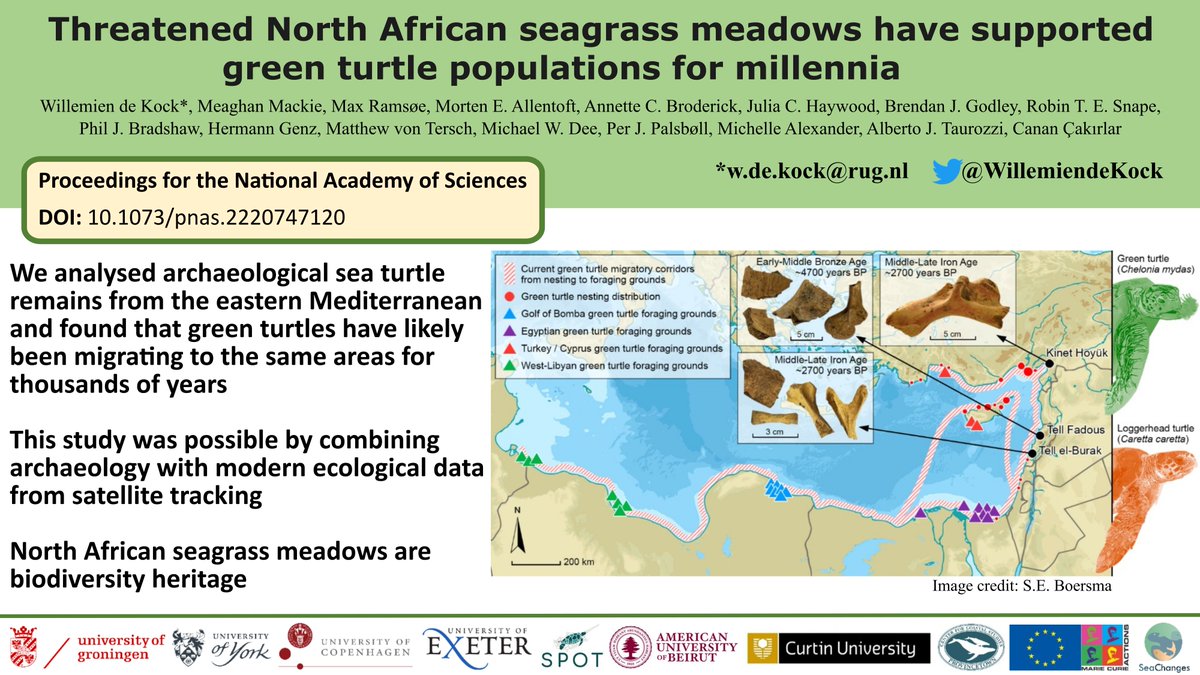
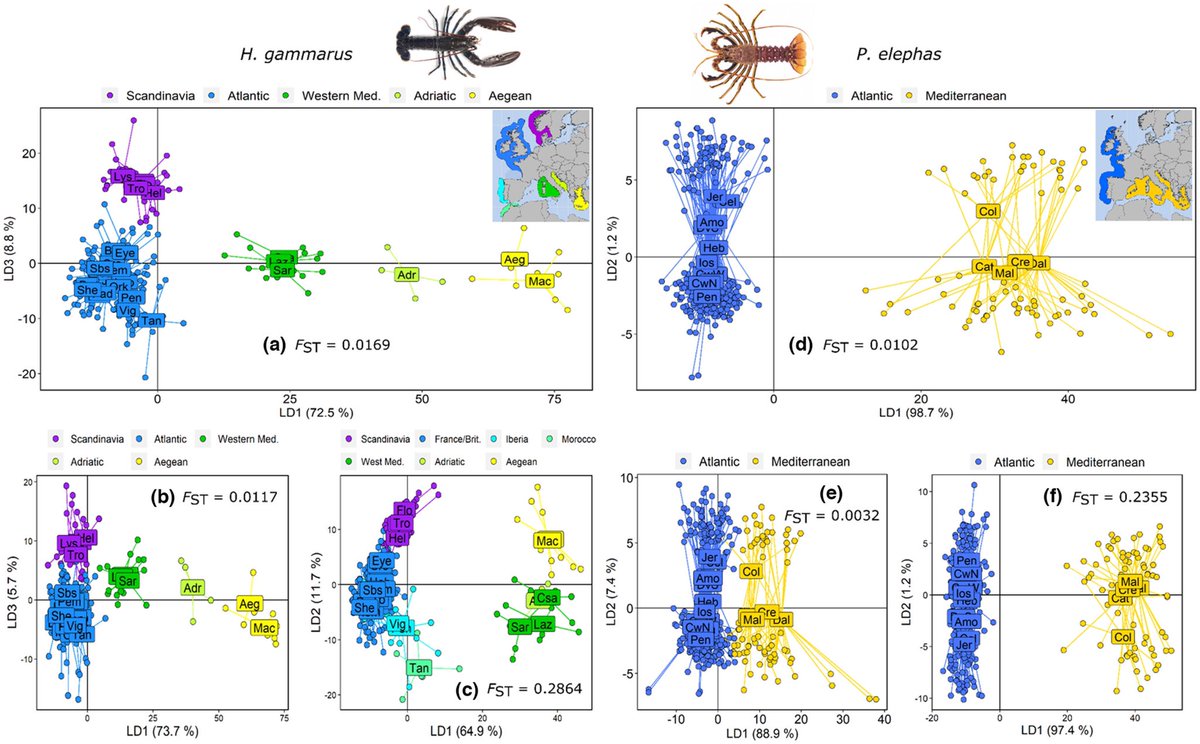
We found clawed lobsters exhibit greater differentiation than spinys, both rangewide & within basins, and show that the hydrographic & topographic barriers separating the Atlantic from the Mediterranean form the strongest genetic break in both species. 🦞
Delighted to see our article in collaboration with @UoYArchaeology out in @TheFSBI
https://t.co/YQjUEF5f6j
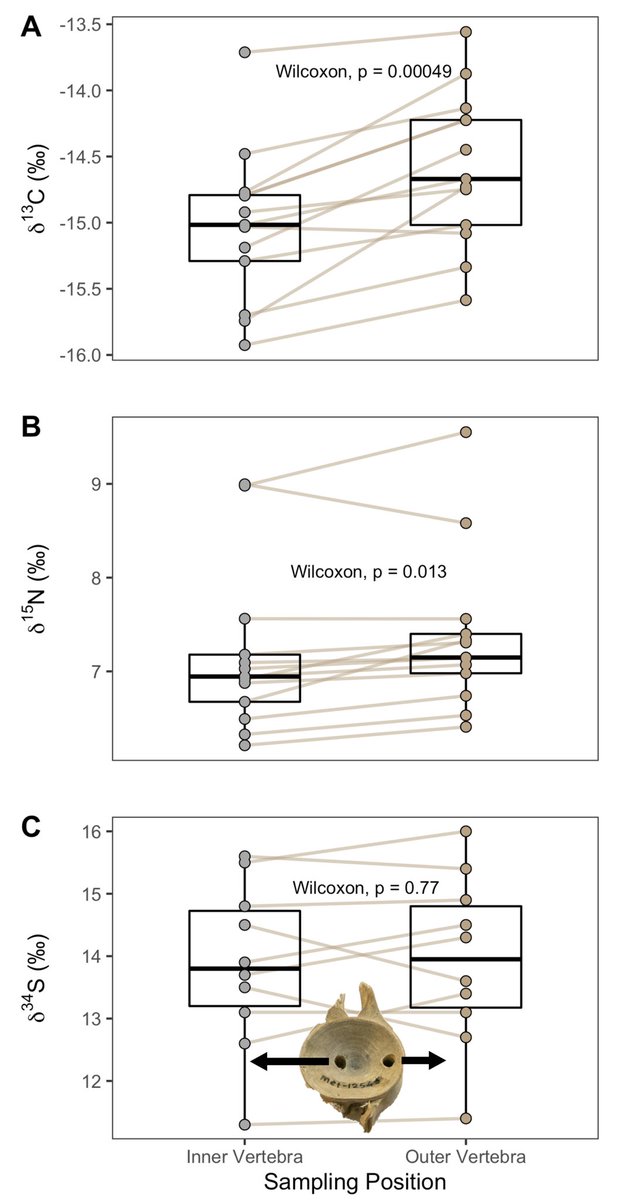
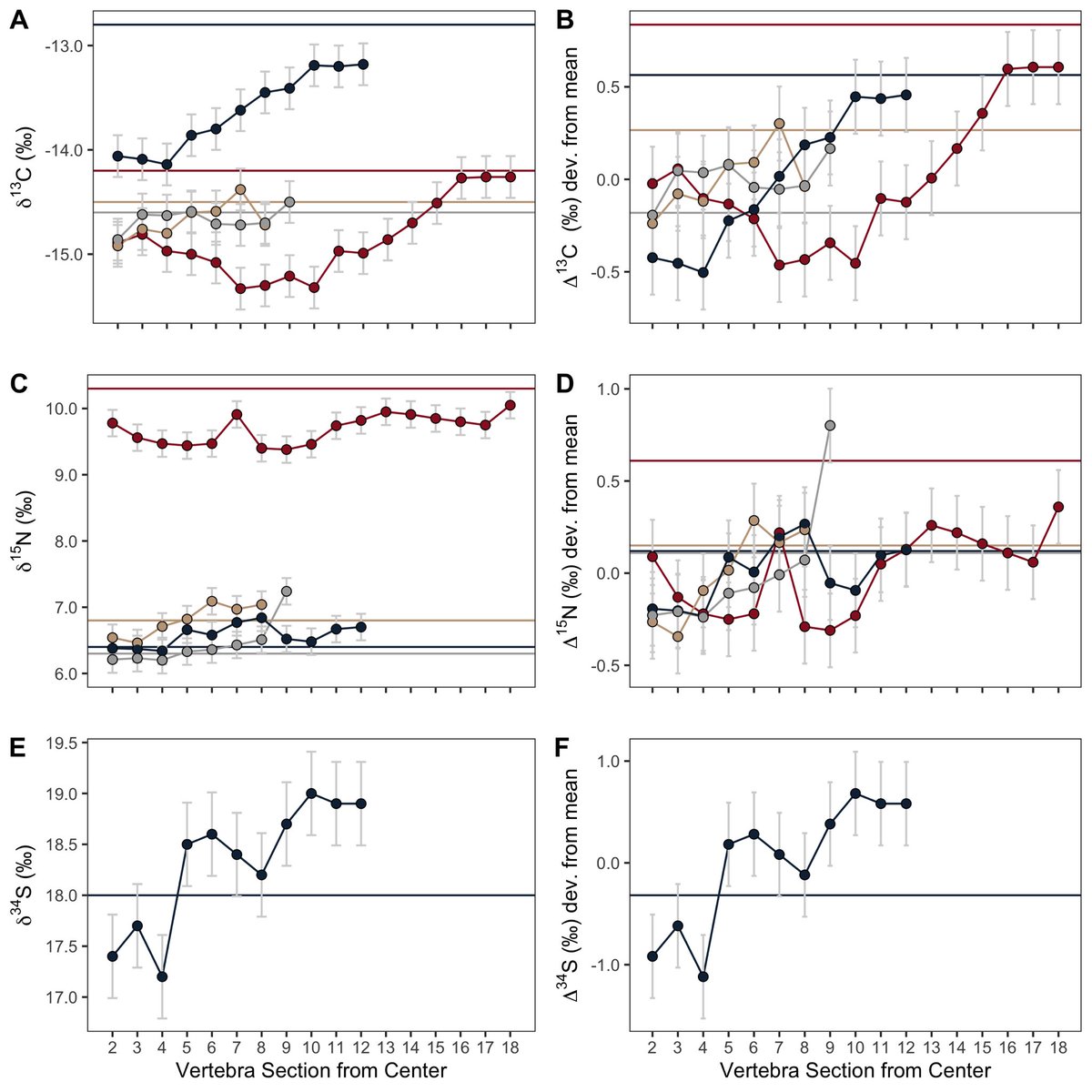
We looked at the variation in stable isotopes across vertebrae 🦴 centra in Atlantic bluefin tuna 🐟 and found multiple years of foraging behavior are likely archived!
Similar patterns were observed in archaeological vertebrae - meaning life histories can be reconstructed also for ancient fish.
Results likely to be transferable to other teleosts since tuna is probably one of the most rapidly remodeling species!
Remodeling rates are unknown but our work suggests remodeling is sufficiently slow to retain significant isotopic variation, but not all years since juvenile signatures (really low 13C, 15N) were not observed