🚨 BREAKING: Google Gemini can now completely rewire your brain so you can learn anything at lightning speed.
Here are 7 Gemini prompts to learn anything 10x faster:
🚨BREAKING: Google Gemini has incredible features that almost nobody uses.
Most people only use Gemini for basic prompts… while Google has quietly packed it with tools that replace hours of work in seconds.
You’re probably using less than 5% of what Gemini can actually do.
Here are 10 hidden Gemini features that will blow your mind once you start using them: 👇
🚨 BREAKING: Gemini has a feature called Director's Prep System.
You can use it to plan an entire video from concept to edit-ready blueprint before you open a single editing tool.
Here are 7 prompts to access it: 👇
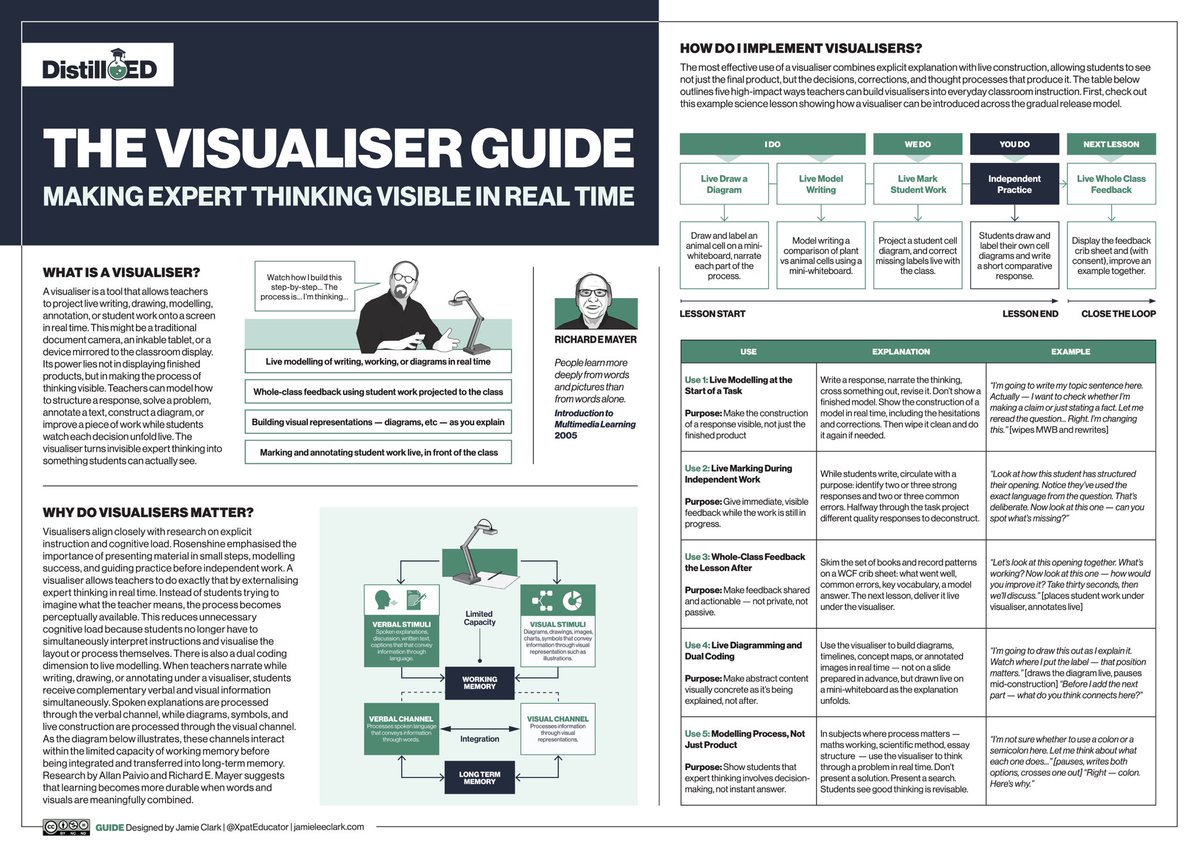
The visualiser is one of the most powerful instructional tools in the classroom. From live modelling expert thinking to whole-class feedback and dual coding, it helps make thinking visible for every student.
This FREE one-page guide breaks down the WHAT, WHY, and HOW of using visualisers effectively.
🚨 BREAKING: Google Gemini can now analyze any stock like a Wall Street analyst (for free).
Here are 10 insane Gemini prompts that replace $4,000/month Bloomberg terminals:
(Save this 🔖 you’ll need it later)
NEW! The Visualiser: The Complete Guide — 5 practical classroom uses, from live modelling to whole-class feedback, the research behind why they work, and a FREE one-page guide. 👍
https://t.co/1w1qlLpZP4
INSTEAD OF WATCHING NETFLIX TONIGHT.
Spend 1 hour with this.
Claude AI FULL COURSE that teaches you how to BUILD and AUTOMATE anything.
The people who watch this tonight will wake up tomorrow with a new skill.
Watch it and Bookmark it now.
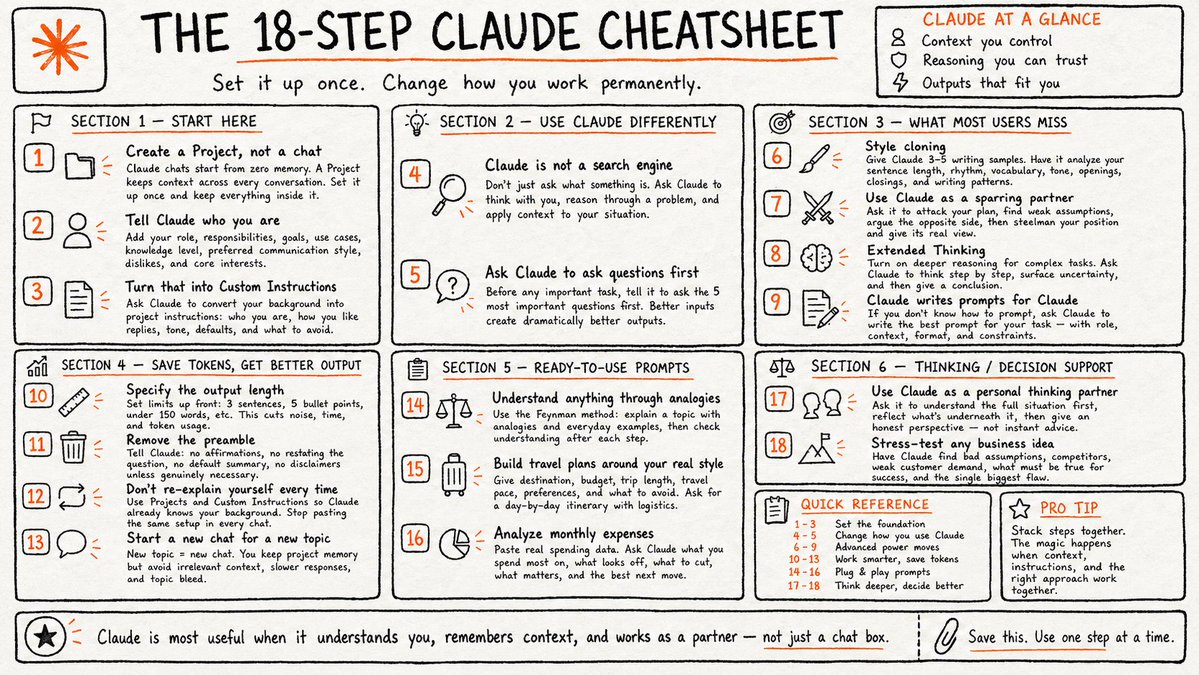
🚨Stop using Claude as if it were ChatGPT. They are completely different tools.
Here's how to set it up correctly in 10 minutes👇🏼
(Save this for later 🔖)
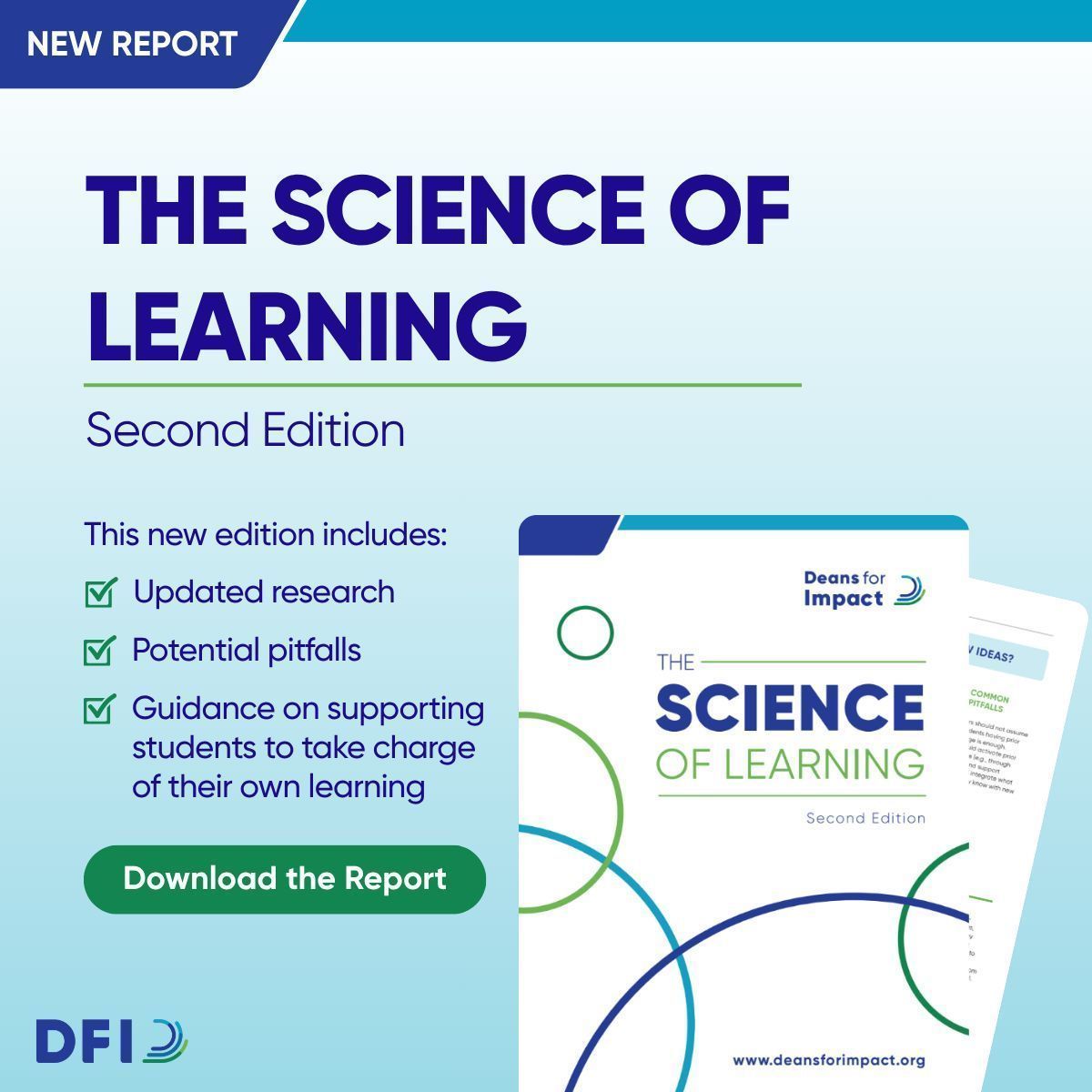
The Science of Learning, 2nd ed. is here! Updated #cogsci research on attention, memory & motivation, plus new sections on instructional pitfalls & student self-regulated learning. Download now: https://t.co/U501E4ydeN
#TheScienceOfLearning2
this is f*cking gold
the Claude setup most people will never find on their own
if I had this a year ago, I would've worked 5x faster
in the right hands, this changes everything:
A community college professor taught the same study skills lecture for 30 years, and the video quietly became one of the most watched educational recordings on the internet.
His name is Marty Lobdell. He spent his career as a psychology professor watching students fail not because they were lazy, but because nobody had ever taught them how their brain actually works under the pressure of learning something hard.
The lecture is called "Study Less Study Smart." Over 10 million views. Passed around in Reddit threads, Discord servers, and university study groups for over a decade. And the core insight buried inside it has been sitting in cognitive psychology research for years, waiting for someone to explain it in plain language.
Here is the framework that completely changed how I think about effort.
Your brain does not sustain focus the way you think it does. Studies tracking real students found that the average learner hits a wall somewhere between 25 and 30 minutes.
After that, efficiency doesn't just decline. It collapses. You're still sitting at your desk, still looking at the page, but almost nothing is going in.
Lobdell illustrated this with a student he knew personally. She set a goal of studying 6 hours a night, 5 nights a week, to pull herself out of academic probation. Thirty hours of studying per week. She failed every single class that quarter.
She wasn't failing because she lacked effort. She was failing because she had confused time spent near books with time spent actually learning. The 25-minute crash hit her at 6:30pm every night. She spent the next five and a half hours sitting in the wreckage of her own focus and calling it studying.
The fix sounds almost too simple. The moment you feel the slide, stop. Take five minutes. Do something that actually gives you a small reward. Then go back. That five-minute reset returns you to near full efficiency. Across a six-hour window, the difference is not marginal. It is the difference between thirty minutes of real learning and five and a half hours of it.
The second thing he taught destroyed something I had believed about how memory actually works.
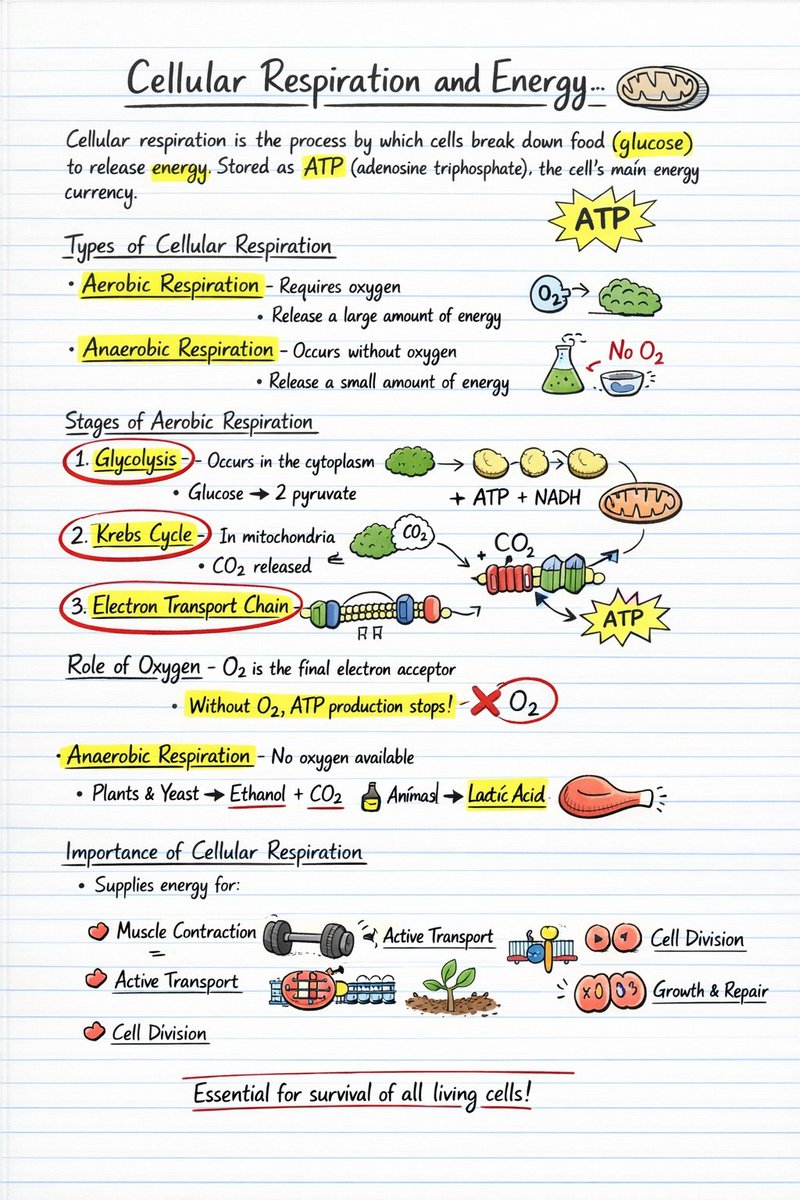
Highlighting feels productive. Going back over your notes and recognizing everything feels like knowing. But recognition and recollection are two completely different cognitive processes, and your brain is very good at making you confuse them.
You can see something you've read before and feel completely certain you understand it, even when you couldn't reconstruct a single sentence from memory if the page were blank.
He proved this live in the room. He read 13 random letters to his audience. Almost nobody could recall them. Then he rearranged the same 13 letters into two words: Happy Thursday. The whole room got all 13 without effort.
Same letters. Same count. The only thing that changed was meaning.
The brain stores meaning. Not repetition. The moment new information connects to something you already understand, the retention changes entirely.
This is what the cognitive psychology literature calls elaborative encoding, and it is the mechanism underneath every effective study technique.
The third principle was the one that hit me hardest, and the one almost nobody applies.
Lobdell cited research showing that 80 percent of your study time should be spent in active recitation, not passive reading. Close the material. Say it back in your own words.
Teach it to someone else, or to an empty chair if no one is around. The struggle of retrieval is where the actual learning happens. Reading your notes again is watching someone else do the work.
His parting line has stayed with me longer than almost anything else I have read about learning.
He told the room that if what he shared didn't change their behavior, they hadn't actually learned it. It would just live in their heads as something they had heard once and felt good about.
He was right. And most people leave every lecture exactly like that.
The students who remember everything aren't putting in more hours.
They stopped confusing the feeling of studying with the fact of it.
A MIT PhD student told me he can predict exam questions before seeing the syllabus.
Using NotebookLM.
I thought he was full of shit. Then he walked me through it.
He doesn't wait for the course to start.
Before day one, he uploads 10-15 past papers from similar courses. Adds the core textbooks. Throws in a few field research papers.
Most students never do this. He's already built a training dataset of how the subject gets tested.
First prompt he runs:
"What patterns exist in how this subject is examined?"
Not summarize. Not explain. Patterns.
NotebookLM starts surfacing things like concepts that reappear every year in different disguises, question formats professors recycle, and topics that always show up together.
Then comes the move that makes it unfair.
"What hasn't been tested recently, but should be?"
That's where the predictions come from. Exams rotate. Professors don't repeat last year's exact questions, but they never change the underlying ideas either.
Final prompt:
"Generate 20 high-probability exam questions based on these patterns and gaps."
They don't look like practice questions. They look like real exam questions.
He spends the next few hours solving them against the source material. Every wrong answer triggers one more prompt: "Why is this wrong and what concept am I missing?"
By the time the syllabus drops, he's already mapped 70-80% of it.
By exam day, nothing feels new. Just slightly different versions of problems he already solved.
Most students study what they're given.
He studies how the system behaves.
That's not studying harder. That's playing a different game entirely.
🚨BREAKING: GOODBYE POWERPOINT forever.
Claude just collapsed 5 hours of presentation building into 100 seconds completely free.
10 prompts to go from completely unprepared to completely untouchable in every meeting:
(Save this before it goes viral):
1. Literature Gap Finder
"I'm researching [topic]. Analyze current research trends and identify 5 unexplored angles or gaps that could lead to novel contributions."
This finds white space in saturated fields.
9. Recent Developments Scanner
"What are the most significant developments in [field] from the past 6 months? Include studies, breakthroughs, and emerging debates."
Perplexity's web access = always current.
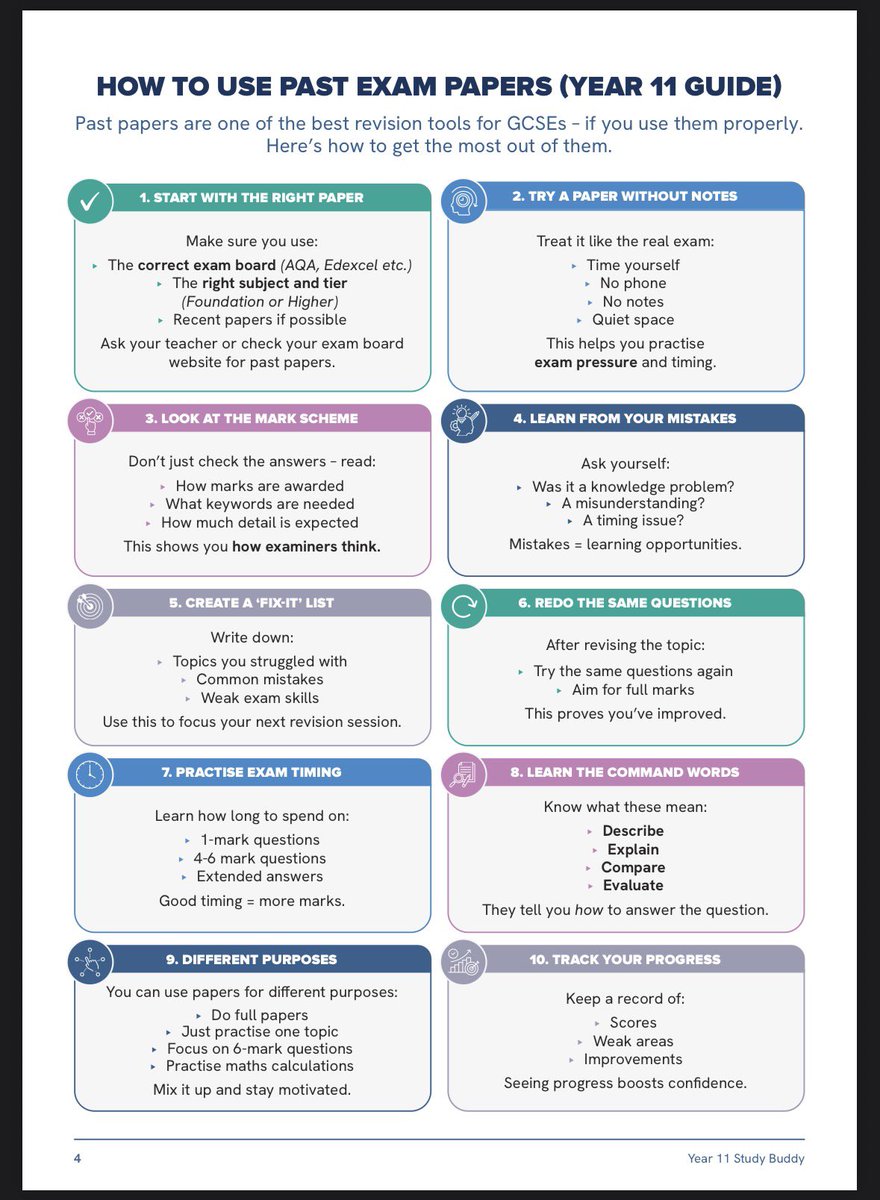
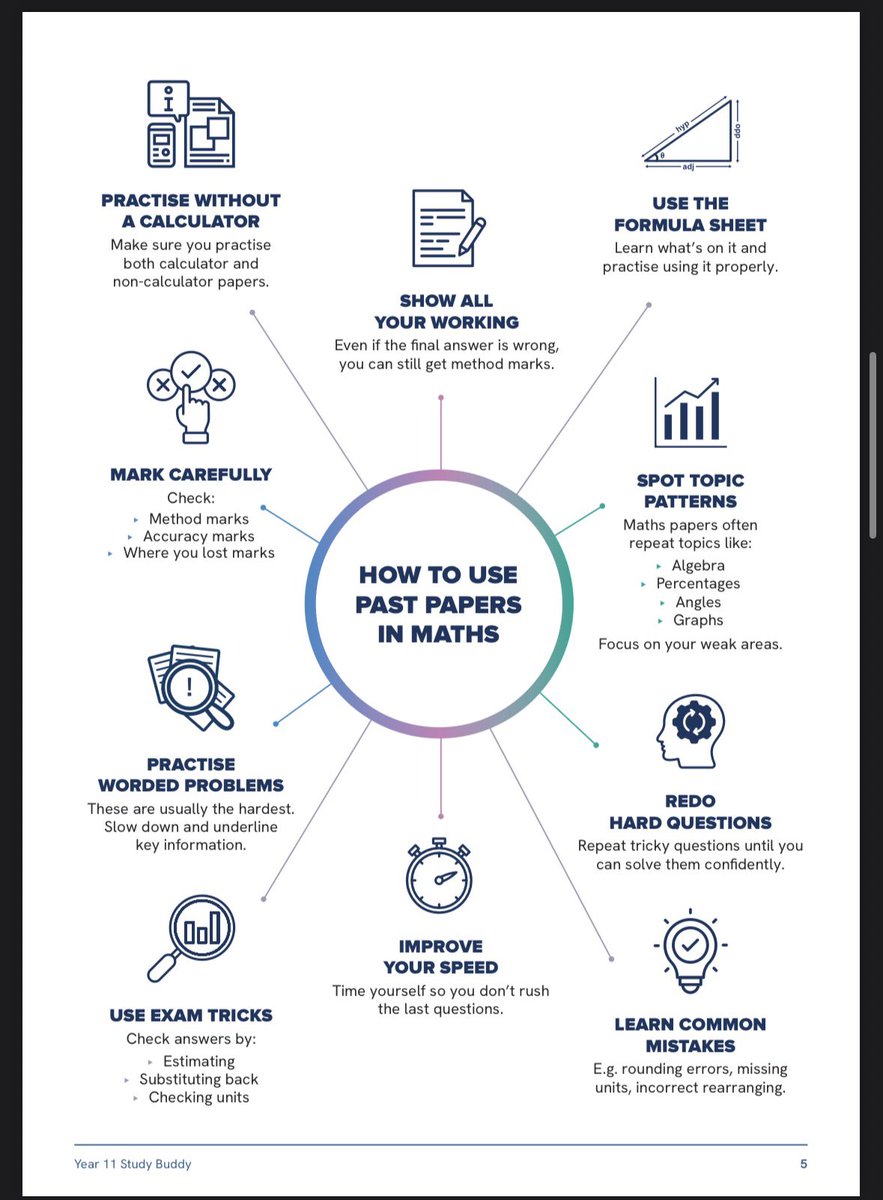
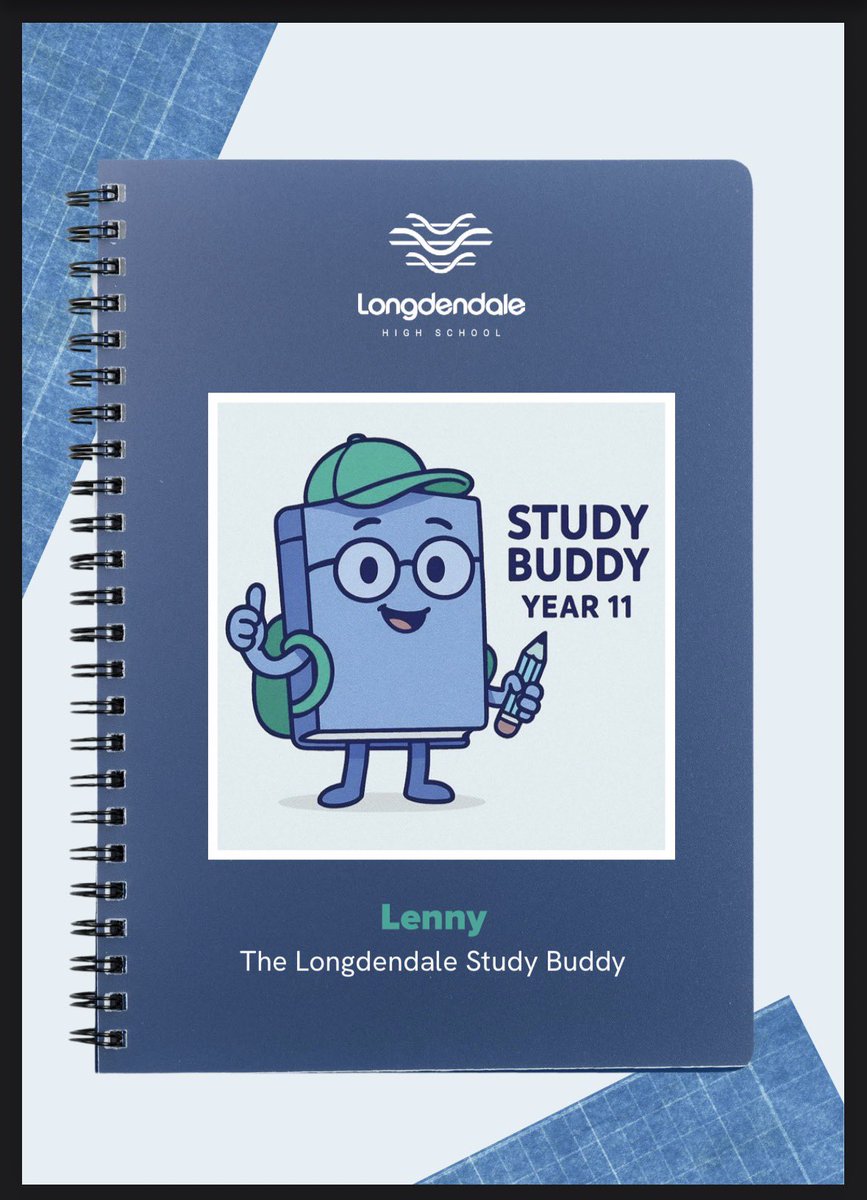
***STUDY BUDDY***
Introducing Lenny our Longdendale study buddy 😊
A guide for students to support their revision.
How to use past papers ✅
How to revise for specific subjects ✅
The Pomodoro technique ✅
Exam day tips ✅
Key revision websites ✅
How we learn ✅
How to create a revision timetable ✅
How to manage exam stress ✅
#TheLongdendaleLegacy
For all the tech coaches (or anyone leading PD at their school) 😀
Last week, 32 EdTech coaches each shared a 20-minute session on what they find most valuable right now! 😎
This doc has all their recordings + top resources: https://t.co/X2BBbwSSeM
Enjoy!
@waygroundai@ForwardEdgeOH
#edtech #teachertwitter #edchat #teachers