Looking for Me! Join the Creative Journey
https://t.co/LEBxEdPbcA 🎦
https://t.co/DAEtYV4WJY 🖥️🎮
https://t.co/1H572VFxUu 📸
Video Gear & Recommendations (Affiliate Links)
https://t.co/qXOUfbyW53
https://t.co/l2PMgyEW00
https://t.co/Cnv9ZNkhB2
Go out there and Create!
Same booth, same shirts, 16 years. This family accidentally built the most effective memory encoding protocol neuroscience knows about, and your hippocampus is why the photo works.
Your hippocampus stores memories using pattern separation and pattern completion. Pattern separation keeps similar events distinct. Pattern completion does the reverse: give the brain a partial cue and it reconstructs the entire original memory. A 1975 study by Godden and Baddeley proved how strong this is. Divers who learned word lists underwater recalled them far better underwater than on land. The physical context gets encoded into the memory itself.
Now look at what this couple did. Same restaurant, same booth, same clothing, same pose. Every element is a retrieval cue. Sit down in year 16 and the hippocampus pattern-completes years 1 through 15 on the spot. They don't remember the previous anniversaries. They re-experience them, stacked, in one sitting. No photo album triggers recall at that fidelity because albums lack the smell of the kitchen, the vinyl of the booth, the weight of the same shirt.
The anticipation matters too. Dopamine neurons in the ventral tegmental area fire harder for predicted rewards than surprise ones when the ritual has a countdown attached. Wolfram Schultz's work on reward prediction showed the firing starts at the cue, not the payoff. A fixed annual ritual gives the brain 364 days of low-grade anticipatory dopamine. A spontaneous fancy dinner gives you one evening.
And repetition with emotional salience triggers synaptic consolidation. Norepinephrine released during emotionally charged events tags those synapses for preferential strengthening during sleep that night. Do that on the same cues for 16 consecutive years and you've built a memory structure most people never get: one physical location that contains an entire marriage.
Couples spend thousands chasing novel experiences to "make memories." The neuroscience says the opposite works better. Novelty makes moments. Ritual makes retrieval. This booth is a 16-year external hard drive, and every anniversary is a full restore.
Sony is currently charging $70 for God of War Ragnarok digitally. It is $32 at Wal-Mart. The game is 4 years old.
People will no longer have options after 2028 and will HAVE to go directly to Sony’s digital storefront and pay whatever PlayStation says.
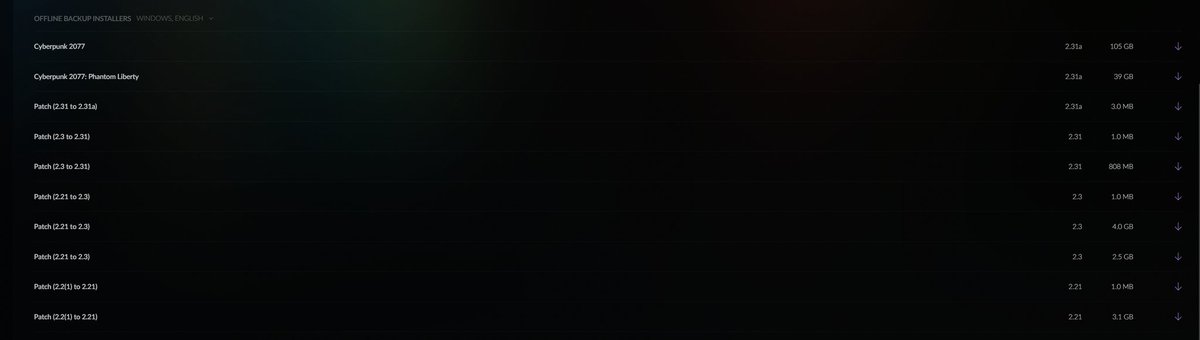
With GOG, if you own a game, you can download an offline installer.
You can copy this to an external drive, and whenever you want, whilst offline, you can reinstall and play that game.
You own it, it yours, no DRM.
This is ownership and whilst I mostly use Steam, I have recently started purchasing my absolute fave games on GOG.
#GOG #PCGaming
1/2
Eventually, even digital data will no longer be owned by individuals on their own initiative. Whenever there is a major change or accident in the world, in a country, in a government, in an idea, in a trend, access to it may suddenly be cut off.
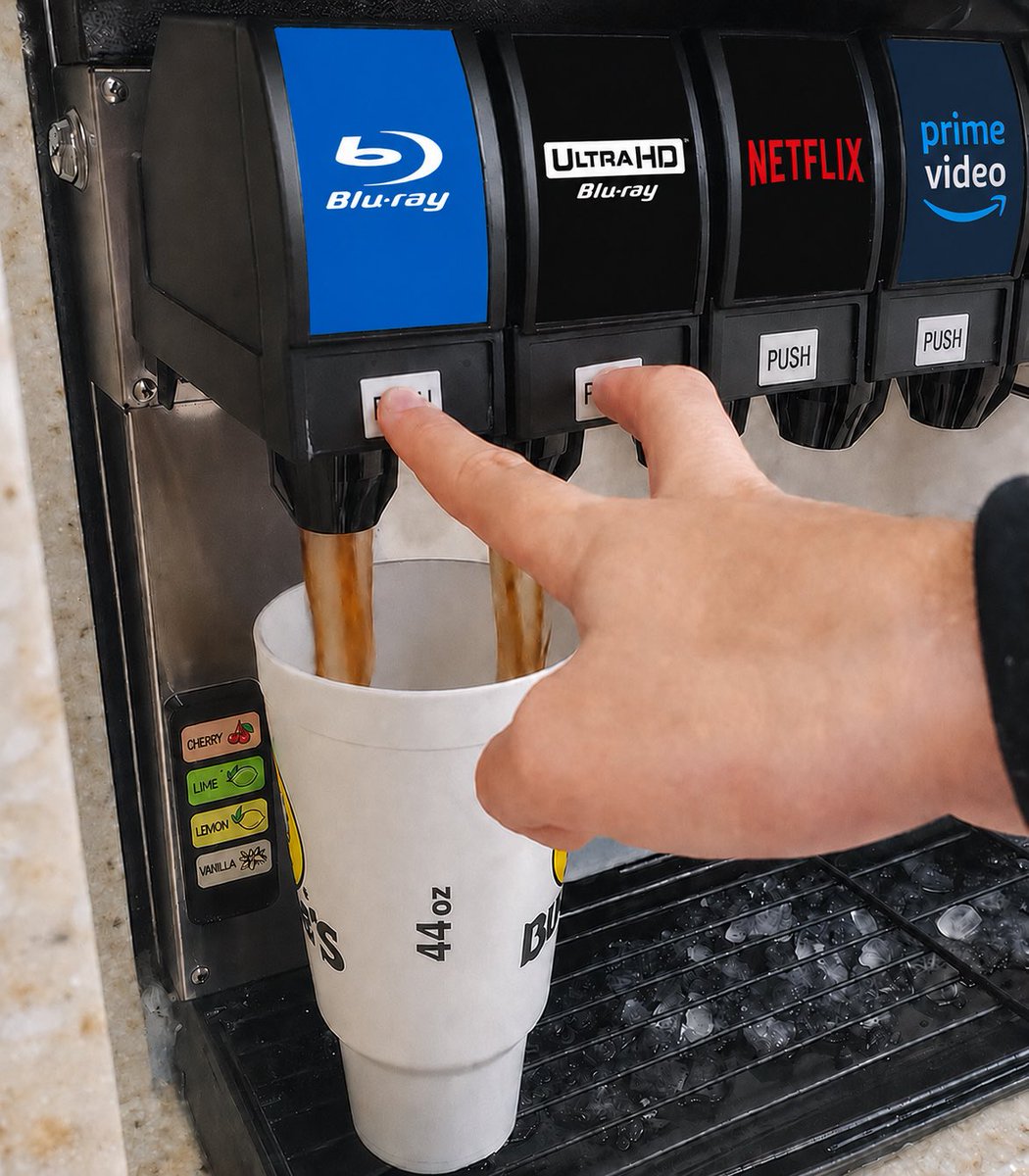
Sony is killing physical discs for all new PlayStation games starting January 2028.
From now on, every fresh release will be digital only.
That means no more owning a real copy you can lend, resell, or keep on your shelf for years.
You’re just renting a license tied to Sony’s account and servers.
They can take it away anytime.
Just look at the 551 movies (including Terminator 2, Total Recall, and Apocalypse Now) they’re deleting from people’s libraries this September with zero refunds.
The “Buy” button is a lie.
https://t.co/vzpCOcMYjN
@DiscussingFilm > Turn your physical game into a digital one
> "Due to a licensing agreement this game is no longer available"
> You try to strangle yourself with your controller but it's wireless
"As more of our cultural heritage moves online, a troubling question is emerging: what happens when the things we create, share, and cherish simply disappear?"
From our 1st episode of the 6-part series on Vanishing Culture, out today on Future Knowledge. https://t.co/N2ggWsbpn3