Friday is ON. Two things to start it right:
🔁 Check the last trade. Honest. No excuses.
🧠 Scan macro. Know what today is walking into.
Call it addiction. The very 1% call it a daily routine 😎
🧠 The market doesn't reward the smartest.
It rewards the most disciplined!
⬇️ Lower the ego.
Protect the edge 🛡️
⚡ Execute the plan.
That's the whole job 😎
Stages of a trader:
1. "This is easy money"
2. "Wait, this is hard"
3. "I've lost everything"
4. "Back to basics"
5. "Okay, now I get it"
6. Repeat steps 2-5
Where are you?
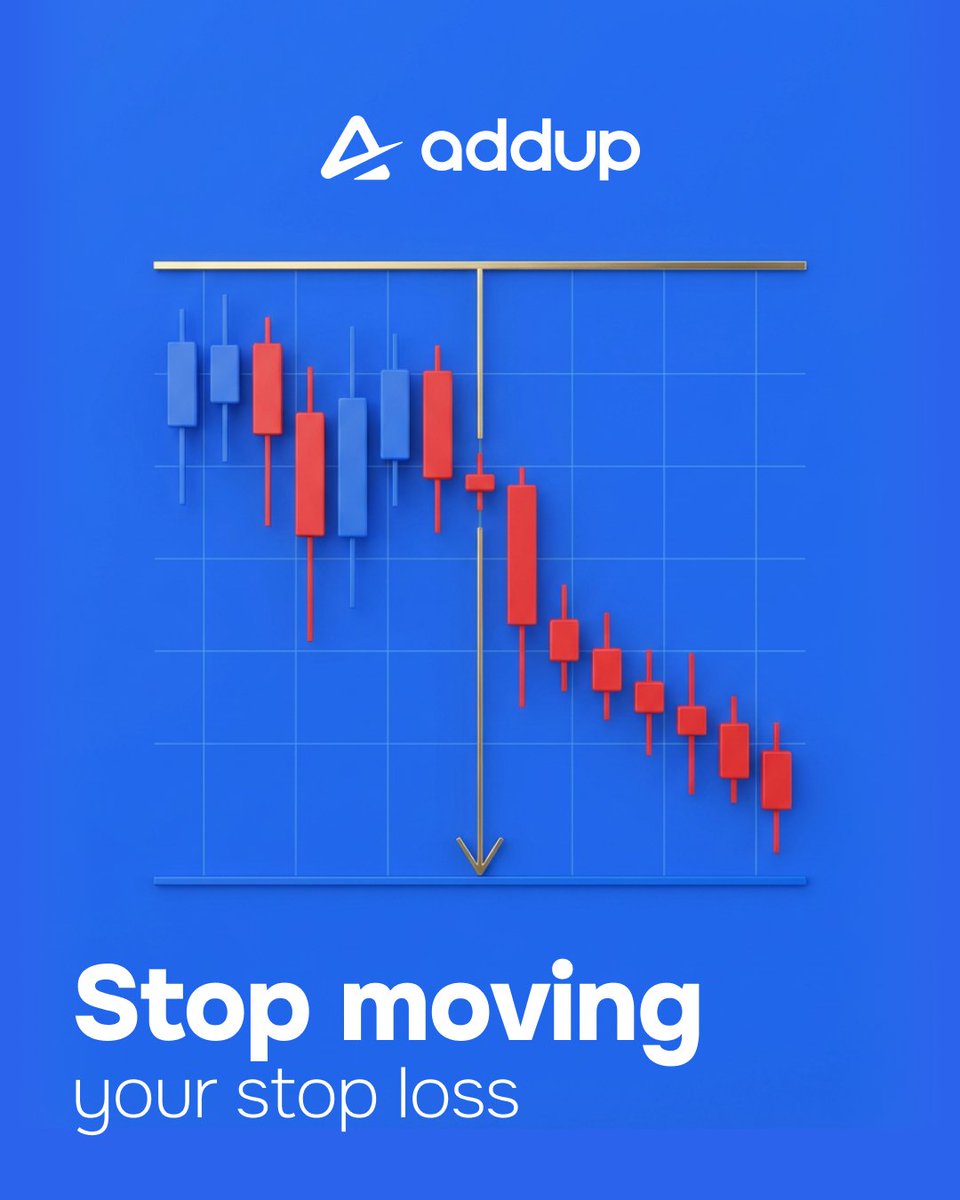
Moving your stop loss to "give it room" = Lying to yourself about being wrong.
Your original stop was there for a reason.
If you need to move it, you shouldn't have entered.
Why we chose MetaTrader 5.
- 21 timeframes (not just 9)
- Built-in economic calendar
- Depth of market visible
- One-click trading
- Multi-asset: Forex, Stocks, Commodities in one place
It's the industry standard so there's no learning curve. If you traded before, you already know how it works.
The charts are just the surface - real lessons are emotional.
Every blown account teaches you something books never could. Walking away from a setup that looks perfect but feels wrong. Trusting your plan even after two losses in a row. Admitting you're wrong before the stop hits. Sitting with discomfort instead of clicking buttons just to do something.
Growth happens in losses. Not because losing is good, but because losing shows you what to fix.
A strategy that works only in perfect conditions is fragile.
Markets constantly change-volatility, structure, momentum rarely stay the same for long.
Strong strategies aren't perfect. They're adaptable and traded with realistic expectations.
Knowing when NOT to trade is just as important as knowing when to engage.
One winning trade means nothing. One losing trade means nothing too.
Trading is probability. Single trades are noise — what matters is whether you follow your system every time.
Most traders lose not because of bad setups. They lose because they change their process after every win or loss. Don't do that.
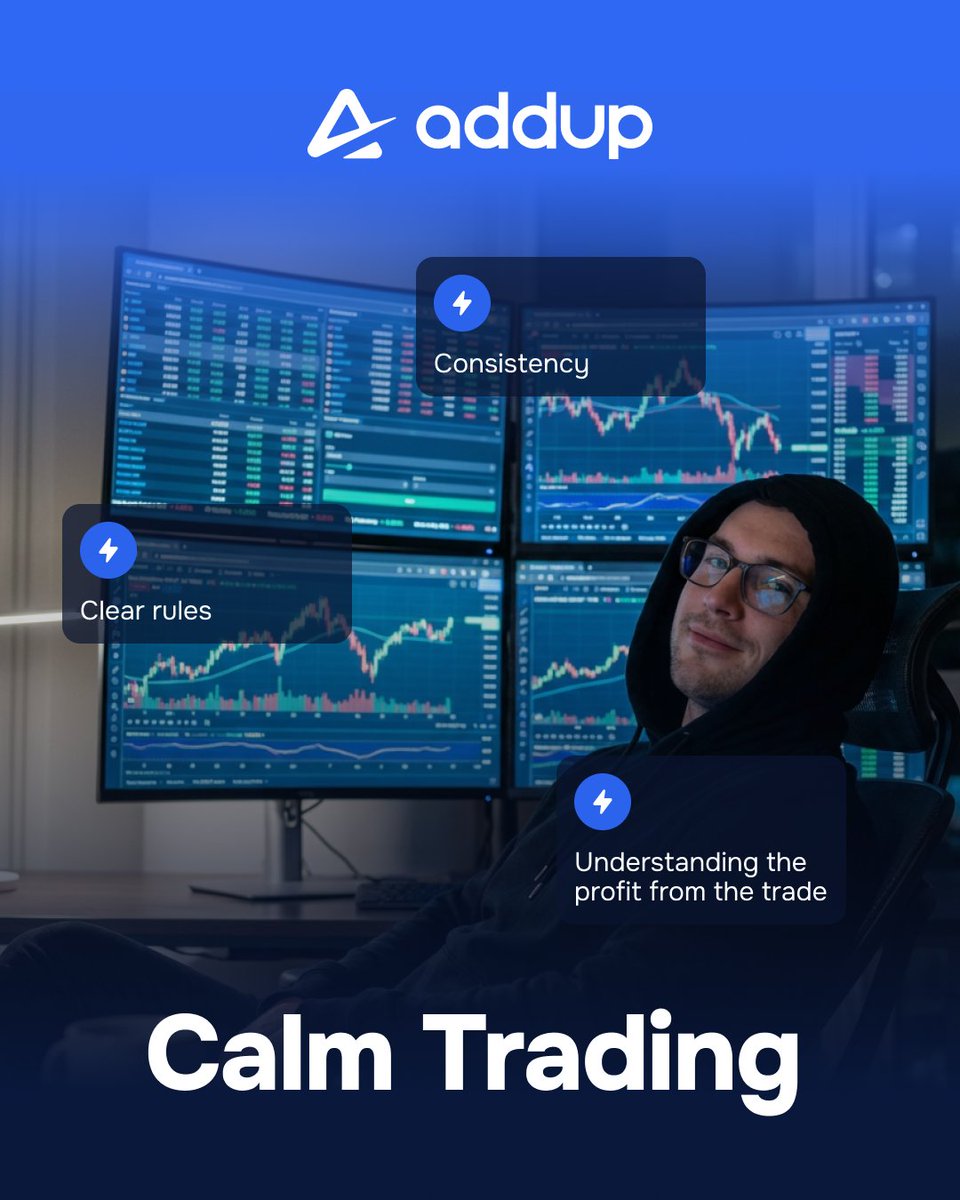
Calm is often mistaken for hesitation. In reality, it's a sign of preparation.
Traders who feel rushed are reacting, not executing.
A calm process comes from clear rules, defined risk, and accepting losses before entering.
When pressure is removed, decision-making improves.
Overtrading rarely feels like a mistake in the moment. It feels like "staying active" and "not missing opportunities."
But most losing days come from too many average trades instead of waiting for the few good ones.
Pros don't try to trade more.
They filter harder.
Sometimes the best trade is not taking one at all.