One of the many insults Africans endure in foreign lands is provocatíve generalisation.
I encountered it during a lecture.
The topic was dietary assessment.
The lecturer, a Japanese, was explaining how different populations are assessed, how data is collected.
Pictorial slides of different methods across countries appeared on the screen.
They were super clean; bright kitchens with well lit dining tables. Plates arranged neatly, portions measured with clean, washed hands.
Then the next slide came up:
Children with dark skin adorned in dirty torn clothes, bare feet on muddy ground. A dirty and unwashed hand measuring food with Plates that looked like they hadn’t seen soap in days.
Nothing in the picture was allowed dignity.
This, we were meant to understand, was Africa.
I looked around in shock and everyone was nodding and writing down heaven knows what.
The lecturer continued speaking. She talked about challenges, limitations, developing regions.
But the slide remained.
I raised my hand and asked if I could make an addition. She nodded.
I cleared my throat ceremoniously and began, ‘This slide here is misleading. Africa is not a place of dirt and neglect. One image cannot define an entire continent.’
I saw the surprise on their faces but I continued on the spree.
I talked about urban Africa. Middle class households. Supermarkets. Standardised dietary tools. Public health surveys that look nothing like that image.
I asked why deprivation was the default visual language. Why dirt had to explain Africa. Why complexity was ignored.
The lecturer nodded and said it was just an example, and that the intention wasn’t offensive.
She changed the slide immediately and the lecture moved on.
We had a presentation coming up the following week. I had spent hours preparing slides and notes.
On the day of the presentation, each student came up, spoke, and at the end received polite and hearty accolades.
It was my turn.
I hurried through the main points.
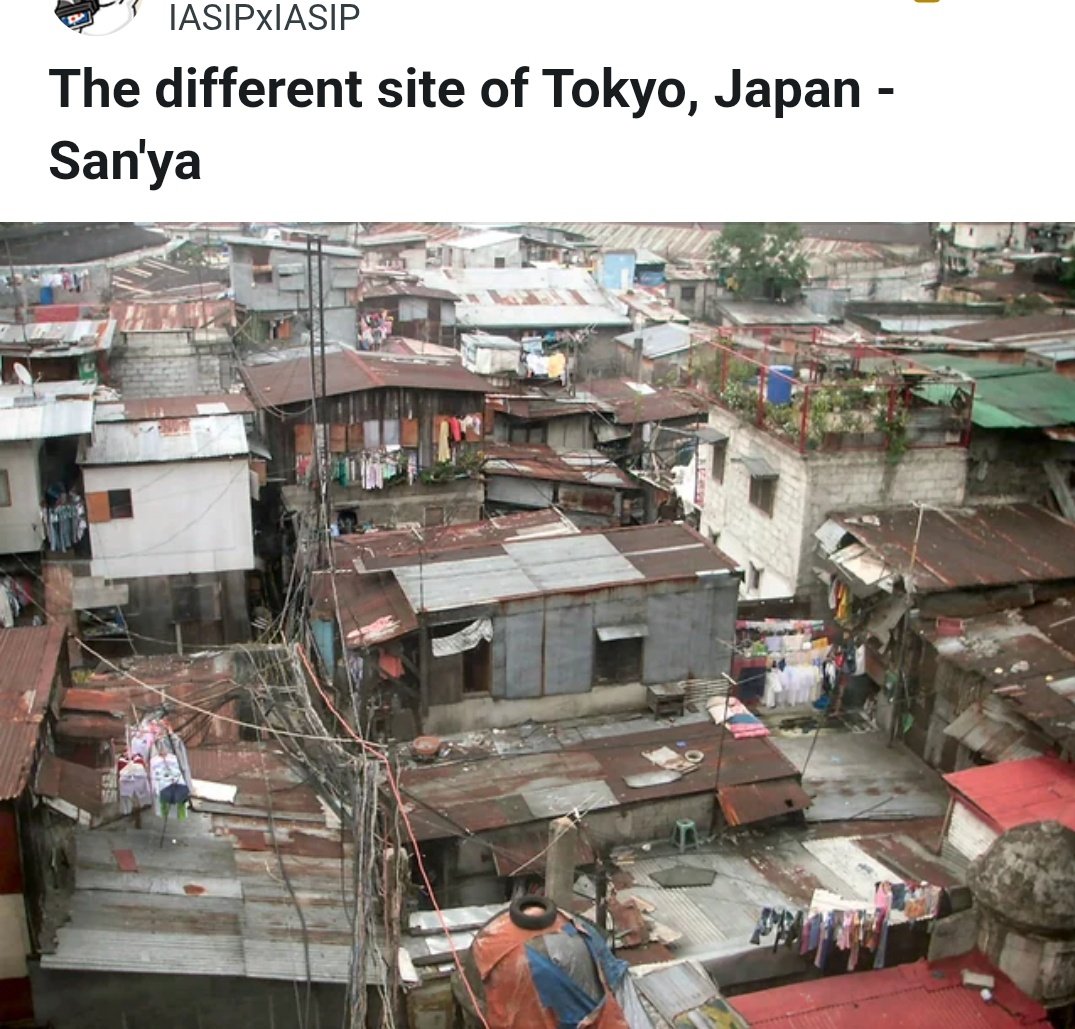
I didn’t linger on what everyone expected. Then I came to the slide I had saved for last.
I asked the lecturer to please zoom it. She did and the picture filled the screen.
It was unpleasant. A neglected urban area in Japan, where the lecturer came from.
Broken pavements. Graffiti everywhere. Garbage piling on the sides. A few children standing around, scruffy and unkempt. A woman sitting near what looked like an overflowing bin.
I let the image settle for a moment.
‘This,’ I said, ‘is how Asia in all its glory looks. It is a perfect example of public service neglect.’
I paused to measure the look on her face. And yes, it was exactly the reaction I was looking for.
I continued.
‘You’ll notice the dirt. The disorder. The environment left to itself. The people living in it. It has become a way of life in Asia.’
And with that, my presentation came to a conclusion. I walked briskly back to my seat.
No applause came. Not like the others received. And that was fine.
Because this wasn’t about praise.
It was about making the point sink.
Chukwuemeka Onyemachi.
It is now Fidelity, not Infidelity, that needs defending in our sex-saturated society. People who choose to stay faithfull appear somewhere between mid-Victorian and square. They're about as up to date as a kerosene lamp or a wringer washer.