Round 2 of the USCIS Adjudication Pause Survey is officially live! WE NEED YOUR HELP
- Take the Survey Here: https://t.co/mixgXgQyi6
- Time commitment: ~10-12 minutes.
- Privacy: Completely anonymous. 1/6
If you were impacted by the pause or have families that were affected, kindly complete the second round of our survey using this link: https://t.co/mixgXgQyi6
#policyresearch#uscispause#pressunpause#immigration
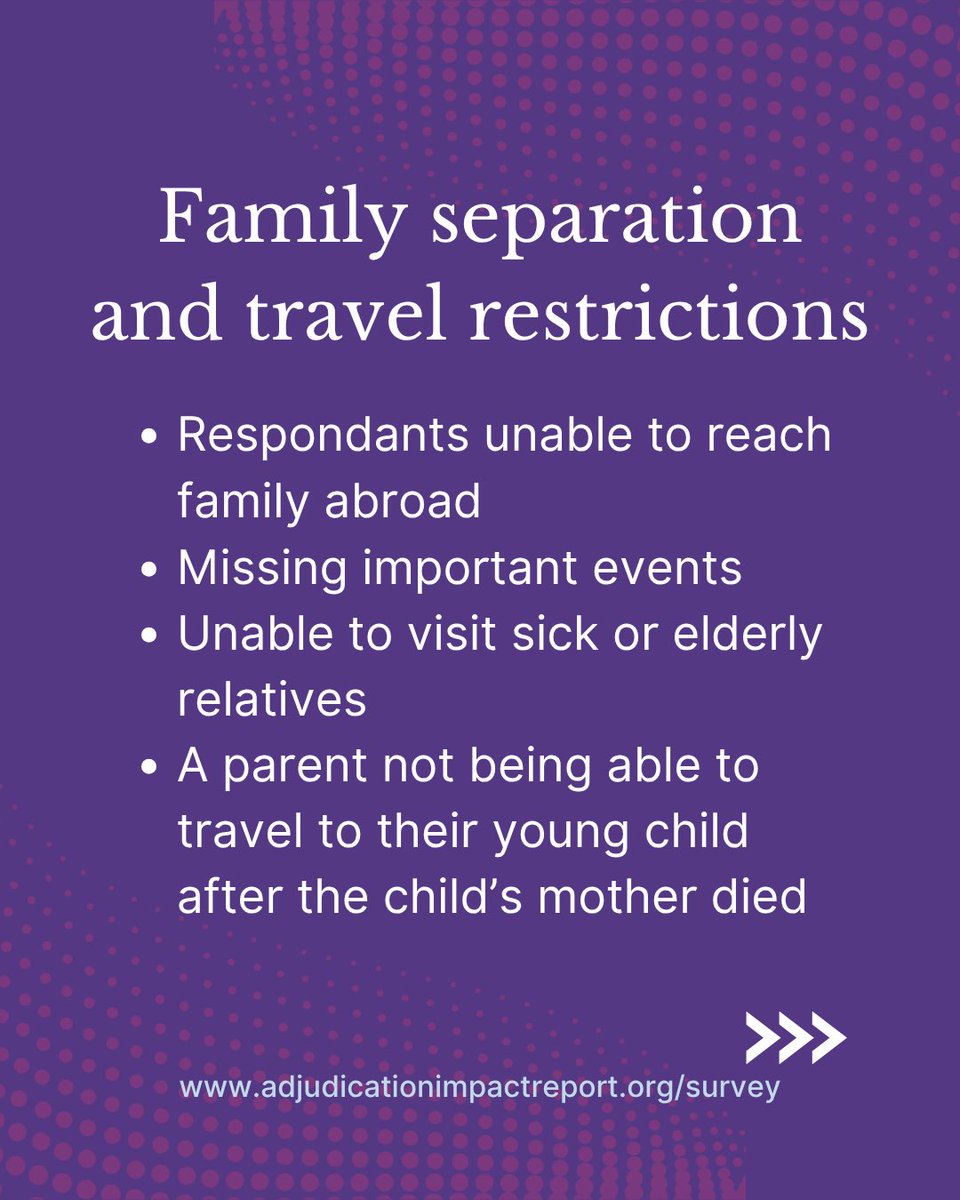
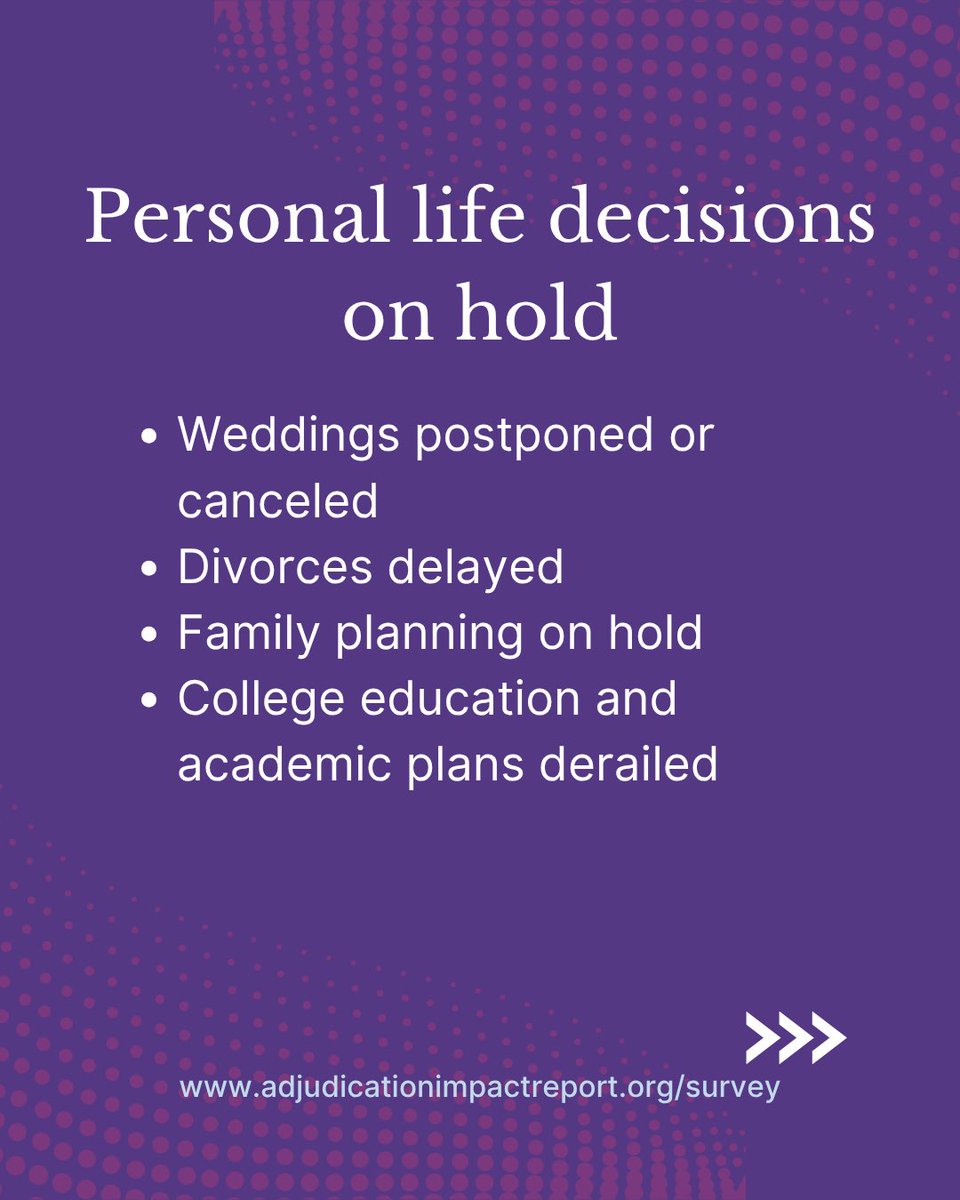
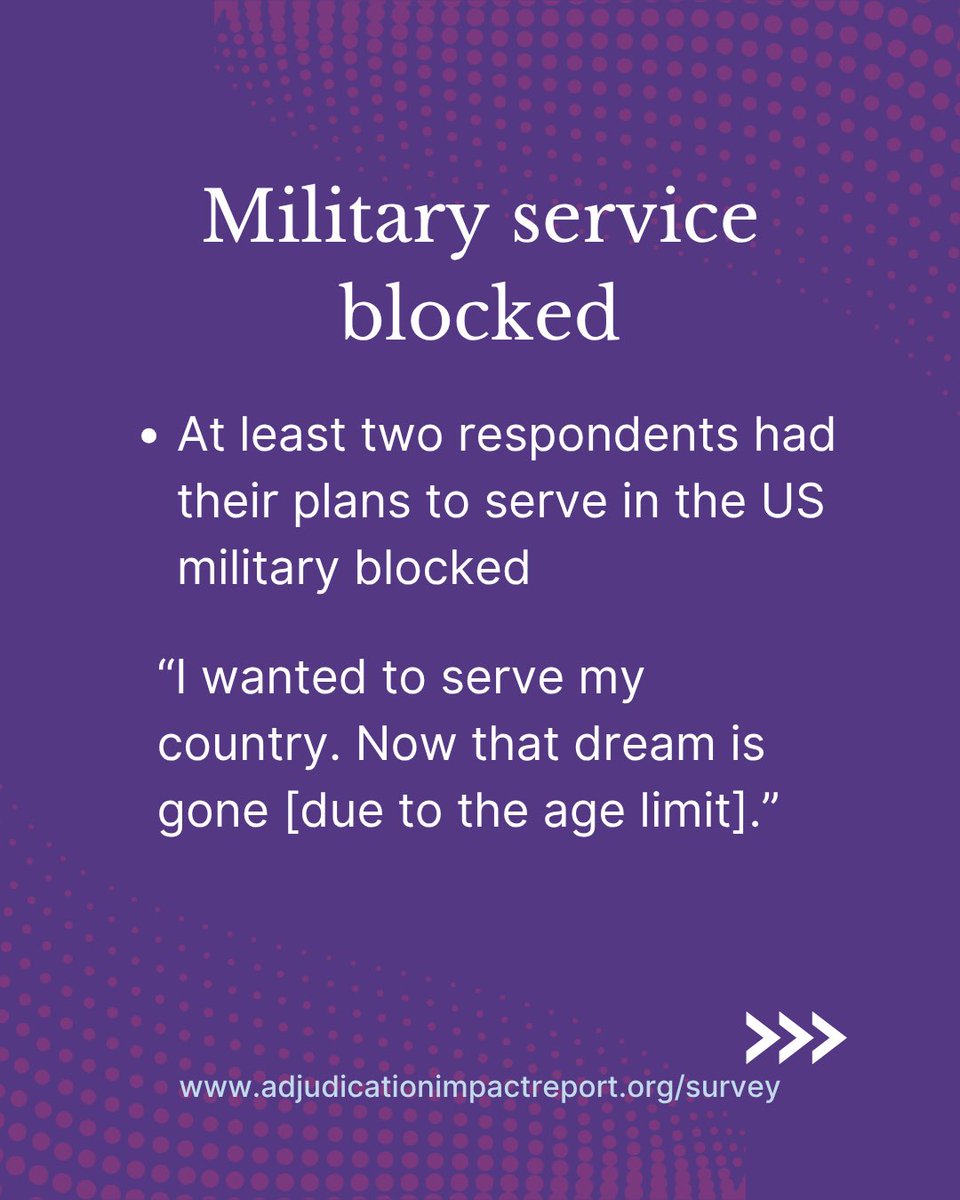
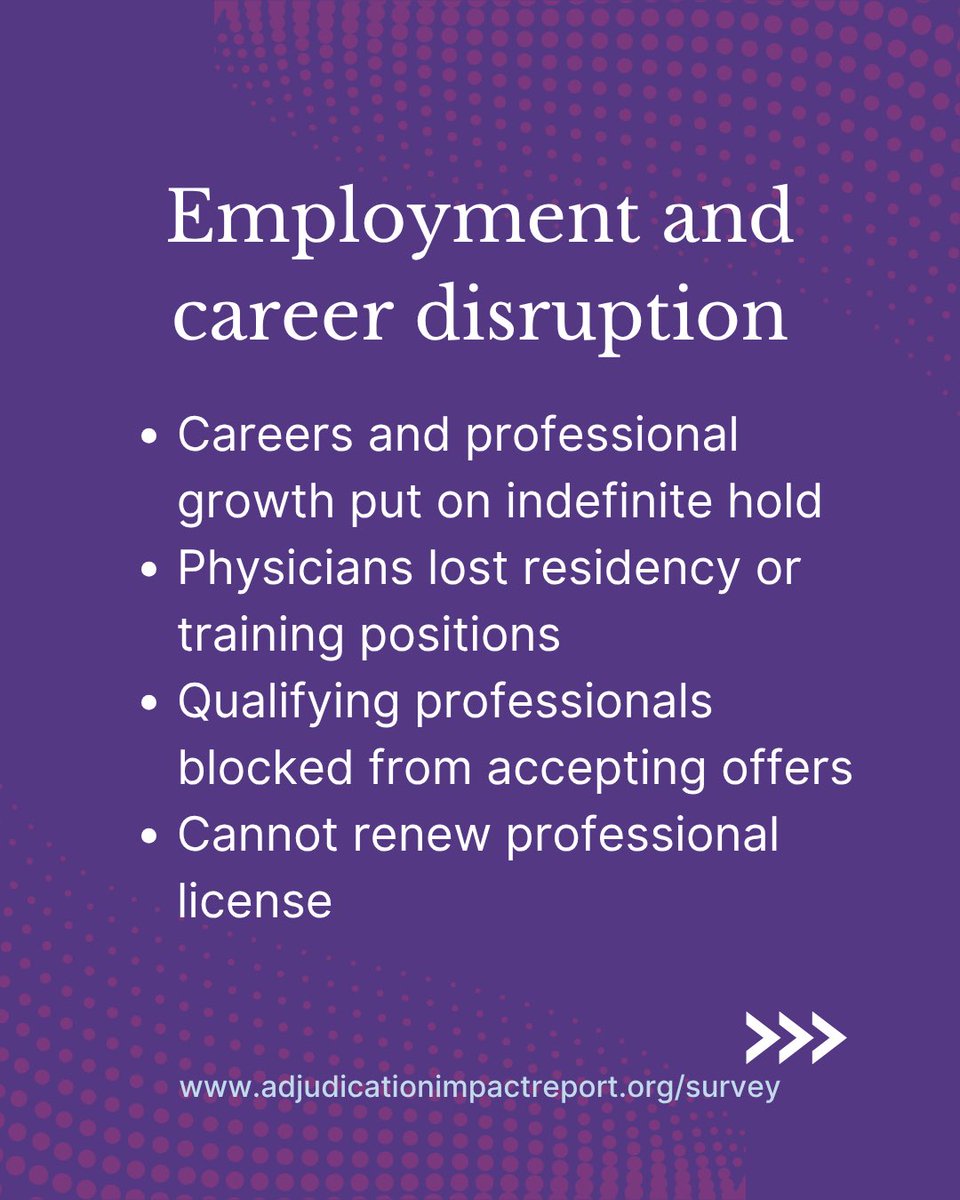
Our first survey finds that the USCIS adjudication paus created ripple effects across every area of life. Though it has been temporarily lifted, this pause was not just a delay in paperwork -- it derailed lives, families, careers and futures. 1/3
@andresdiaz25@David_J_Bier Since the Pause is currently lifted, you can try contacting your representatives and placing a congressional inquiry. You can find your representatives and their contact information at: https://t.co/CwgCGKgKtl
𝗜𝗺𝗽𝗮𝗰𝘁 𝗼𝗳 𝘃𝗶𝘀𝗮 𝗿𝗲𝘀𝘁𝗿𝗶𝗰𝘁𝗶𝗼𝗻𝘀 𝗮𝗻𝗱 𝘁𝗿𝗮𝘃𝗲𝗹 𝗯𝗮𝗻𝘀 𝗼𝗻 𝗨𝗦 𝗛𝗲𝗮𝗹𝘁𝗵𝗰𝗮𝗿𝗲:
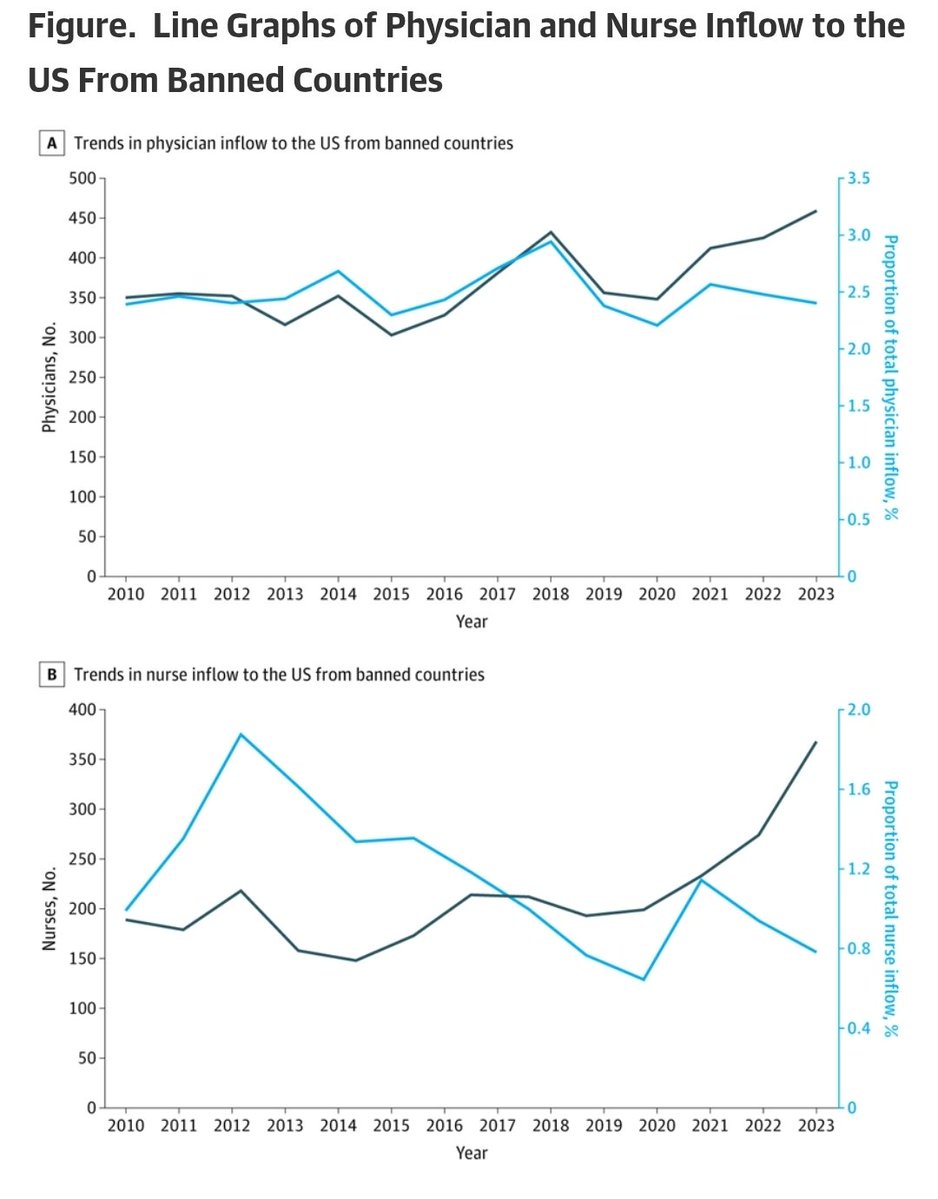
A new study published in JAMA Network Open should serve as a wake up call to policymakers and anyone who believes immigration restrictions have no impact on healthcare.
Researchers found that physicians and nurses from the 19 countries affected by the recent immigration ban make up a significant part of the US healthcare workforce, including nearly 24,000 physicians and more than 56,000 nurses currently practicing across America.
But the most important finding was not just the numbers.
The study showed that these healthcare professionals are disproportionately serving communities that already struggle with physician shortages. Counties with doctors from the affected countries were more than twice as likely to be designated Health Professional Shortage Areas. These communities also tended to have higher proportions of Hispanic and Black residents and lower educational attainment, populations that already face significant healthcare disparities.
For years, International Medical Graduates and immigrant healthcare workers have stepped into areas where physician shortages are most severe. They have staffed rural hospitals, underserved urban neighborhoods, community clinics, nursing homes, emergency departments, addiction treatment centers, and mental health facilities. In many parts of the country, healthcare access would simply not exist at its current level without them.
The debate over immigration often focuses on politics. This study reminds us that there are real world consequences for patients. When barriers are placed in front of qualified physicians and nurses, the people most affected are not politicians or policymakers. They are patients waiting months for appointments, communities struggling to recruit clinicians, and hospitals already operating with critical workforce shortages.
As someone who has worked closely with IMGs and immigrant physicians throughout my career, these findings are not surprising. They simply provide data to support what many of us witness every day: immigrant healthcare professionals are not replacing American healthcare workers, they are filling gaps that would otherwise leave millions of patients without adequate access to care.
Healthcare workforce policy is healthcare policy.
If we are serious about improving access to care, especially in underserved communities, we must recognize the invaluable contributions of immigrant physicians and nurses and ensure that policies do not further weaken an already strained healthcare system.
https://t.co/Uou9a0KeOJ
📢 Have you completed the USCIS Adjudication Pause Survey yet?
Your experience matters. Help us document the impact of the pause and strengthen ongoing research and advocacy efforts.
📝 Survey: https://t.co/XjFVg1b4K6
Round 2 of the USCIS Adjudication Pause Survey is officially live! WE NEED YOUR HELP
- Take the Survey Here: https://t.co/mixgXgQyi6
- Time commitment: ~10-12 minutes.
- Privacy: Completely anonymous. 1/6
Documenting this is essential to provide concrete data for research and advocacy purposes.
Thank you so much for your time and support! Please send us an email ([email protected]) if you have any questions or concerns. 6/6
Why do a Round 2?
Even though the Pause has been lifted, its impact has been massive. We need to continue demonstrating the economic and cultural contributions of immigrants from the 39 affected countries. 5/6
@andresdiaz25 Sorry to hear this. You can check out the website below to find possible actions you can take regarding the next steps. For example contacting your state representative.
https://t.co/6ma4PyKZch
The USCIS adjudication pause has affected nationals from many countries and has frozen processing for asylum, adjustment of status, naturalization, EADs, and more since late 2025. 1/3