With a careful trauma informed approach, not naive positivity 😉
Grab a copy of “Adoption Is Both” and “My Adoptee Voice” to help with these conversations. 🩵
We watched the Mufasa movie this week. There were some adoption type themes and the whole time the characters were rooting for “home” and viewers were rooting too
yet when an adoptee expresses want to connect to birth culture or people etc in some way, it’s often met with “but”
Maybe it’s a small paragraph or giant novel, life is complicated. I wish writers would consider what it means to actually have an orphaned or adoption narrative.
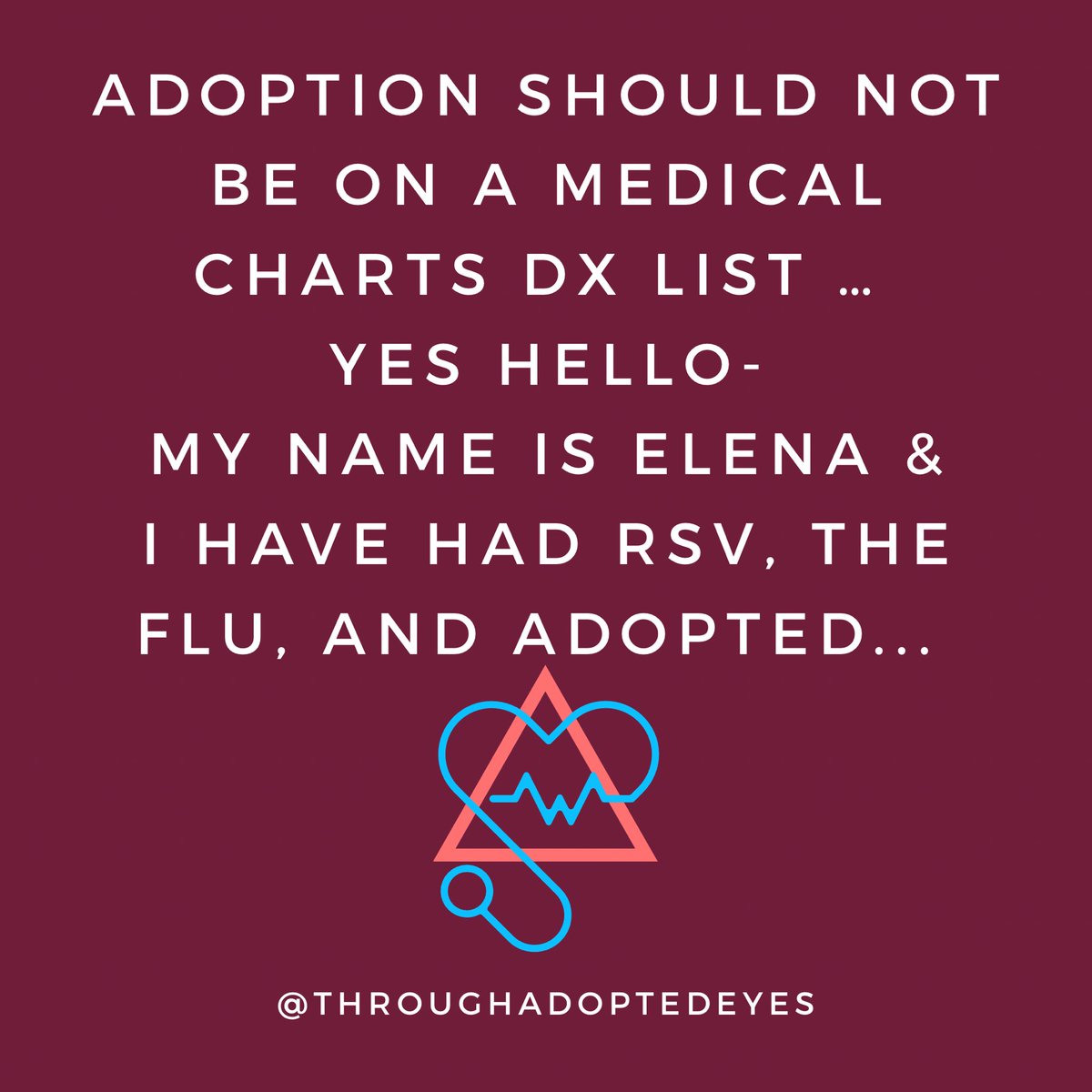
There are so many other options for accurate documentation! Putting adoption in the diagnosis section is harmful. Putting this in the social history or narrative makes more sense. I can’t believe this still happens. :( #adopteeproblems#adopted#medicalschoolshouldteachthis
“My Adoptee Voice” encourages kids to think about how, when, and with whom they want to share their adoption story, teaching healthy boundaries. Will you grab your adoptee a copy today? #MyAdopteeVoicebook#ThroughAdoptedEyes#adopteekidsbooks
Adoption is a part of me—it’s always present, even when others forget.
It’s not something I can just turn off or set aside. I completely understand others not remembering :)
It’s normal that: adoptees carry their stories every day. #myadopteevoice
-Adoptive parents who read Adoption Is Both and My Adoptee Voice aren’t just telling their kids about adoption they’re showing them that their voice truly matters.
Please keep talking! Keep sharing!
•Adoption Is Both helps children understand that adoption isn’t just “happy” or “sad”—it’s both. It validates the mixed emotions adoptees may feel, creating space for open, honest conversations.
I didn’t choose it, but it shaped many parts of who I am. Adoption is lifelong—full of questions, emotions, and self-discovery. Some days, it’s heavy. Other days, it’s just part of me. No matter where you are in your journey, your experience is real, valid, and worth expressing.
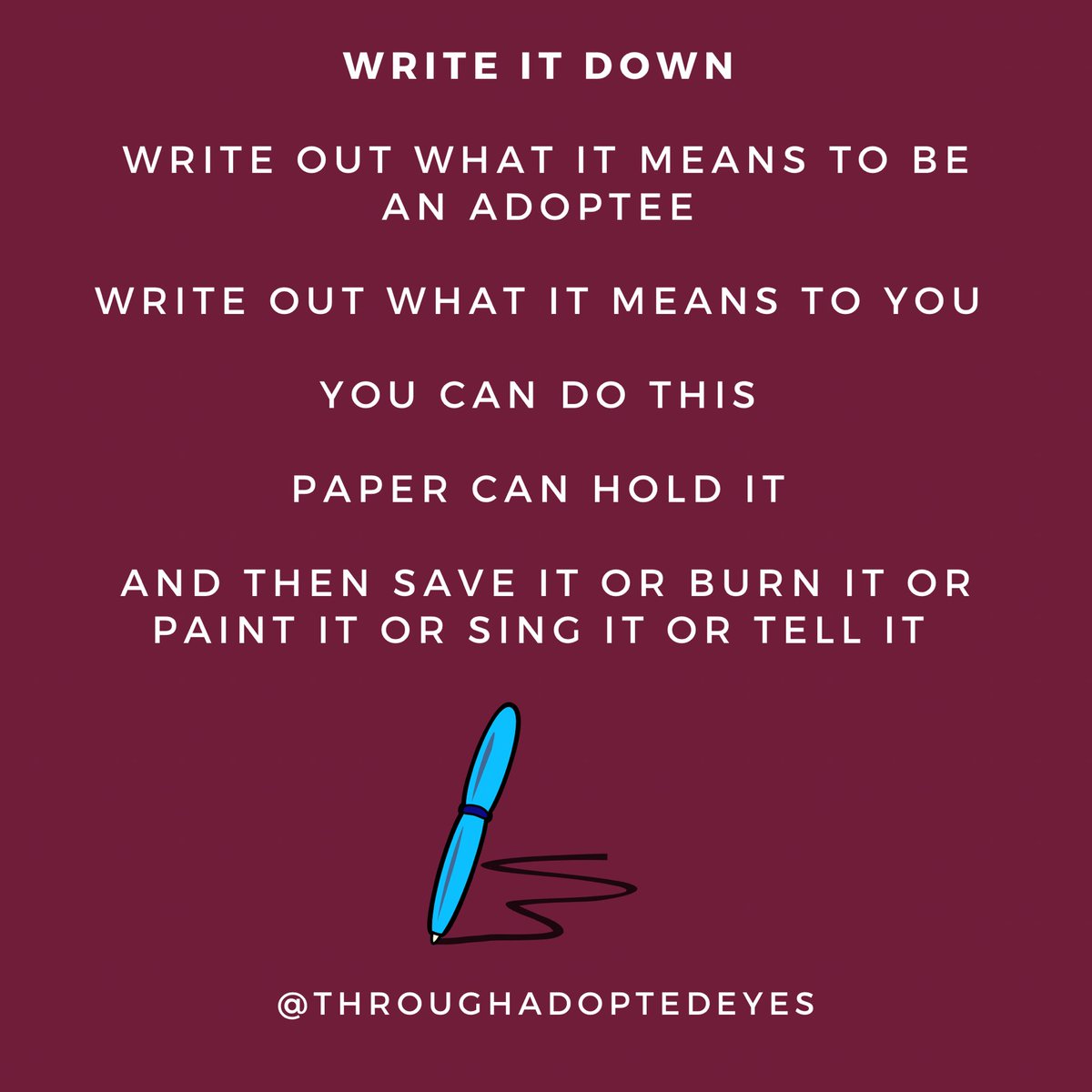
Write it down—your thoughts, your feelings, what being an adoptee means to you. Let the paper hold it, and then do what feels right: maybe save it, burn it, paint it, sing it, or share it. Your story is yours to tell.
Thirty years ago this month, I became an adoptee.
A parent spelled out the word “adopted” standing near their child. I’m guessing they had not discussed being adopted yet… please talk to your kids. If you don’t, it may show you’re ashamed. Why hide it? There are tons of tools out there - like “Adoption Is Both ;)”
The conversations we’re having matter. Let’s keep growing, challenging, and creating a space where adoptees feel seen, heard, and valued. #adoptionisboth#throughadoptedeyes
Thankful for you! This community is truly something special, and I’m so thankful for each and every one of you. Whether you’re here to learn, share, or just listen, you’re helping to amplify adoptee voices and make real change.
So keep exploring and growing and keep hold of what you do know is true too to stay grounded and hopeful and not get stuck frozen for tooo long ❄️ ;) #throughadoptedeyes
In Russian culture, gifting an odd number of flowers in a bouquet is a deeply rooted tradition symbolizing life and celebration, while an even number is reserved for mourning. This practice reflects the cultural significance of numbers in conveying meaning and emotions.
Healing starts with being heard.
Trauma-informed therapy isn’t just about addressing pain—it’s about creating a safe space where people feel understood, not “othered.” For adoptees, it’s a chance to reclaim our voice and share stories on our own terms.