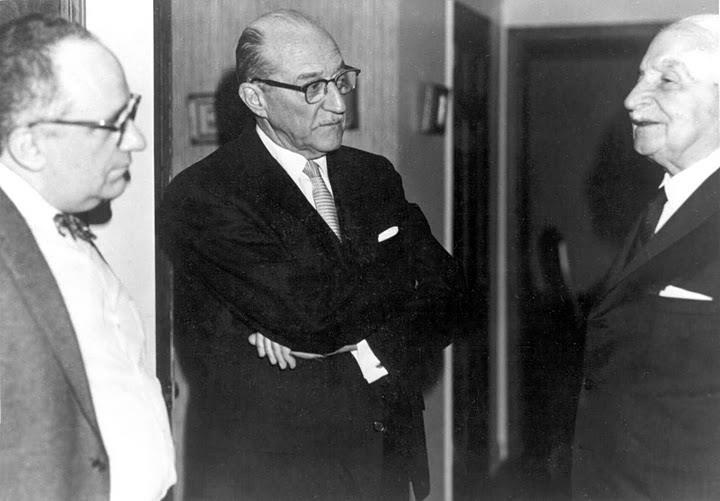
Ludwig von Mises was famously uncompromising. He’d call anyone who supported government intervention in the economy a “socialist.” At a Mont Pèlerin Society meeting in the late 1940s, he famously snapped at the room, “You’re all a bunch of socialists!”
He refused to accept any mixed economy. His view was clear: even small interventions don’t stabilize capitalism, they destabilize it. Each control creates distortions that justify more controls, slowly pushing society toward full socialism and eventually totalitarianism.
He wasn’t just being stubborn. To him, it was simple logic. You can’t halfway mix freedom and coercion without sliding all the way.
@SJosephBurns "Remember: there is always a reason for a stock acting the way it does. But also remember: the chances are that you will not become acquainted with that reason until some time in the future, when it is too late to act on it profitably."
— Jesse Livermore
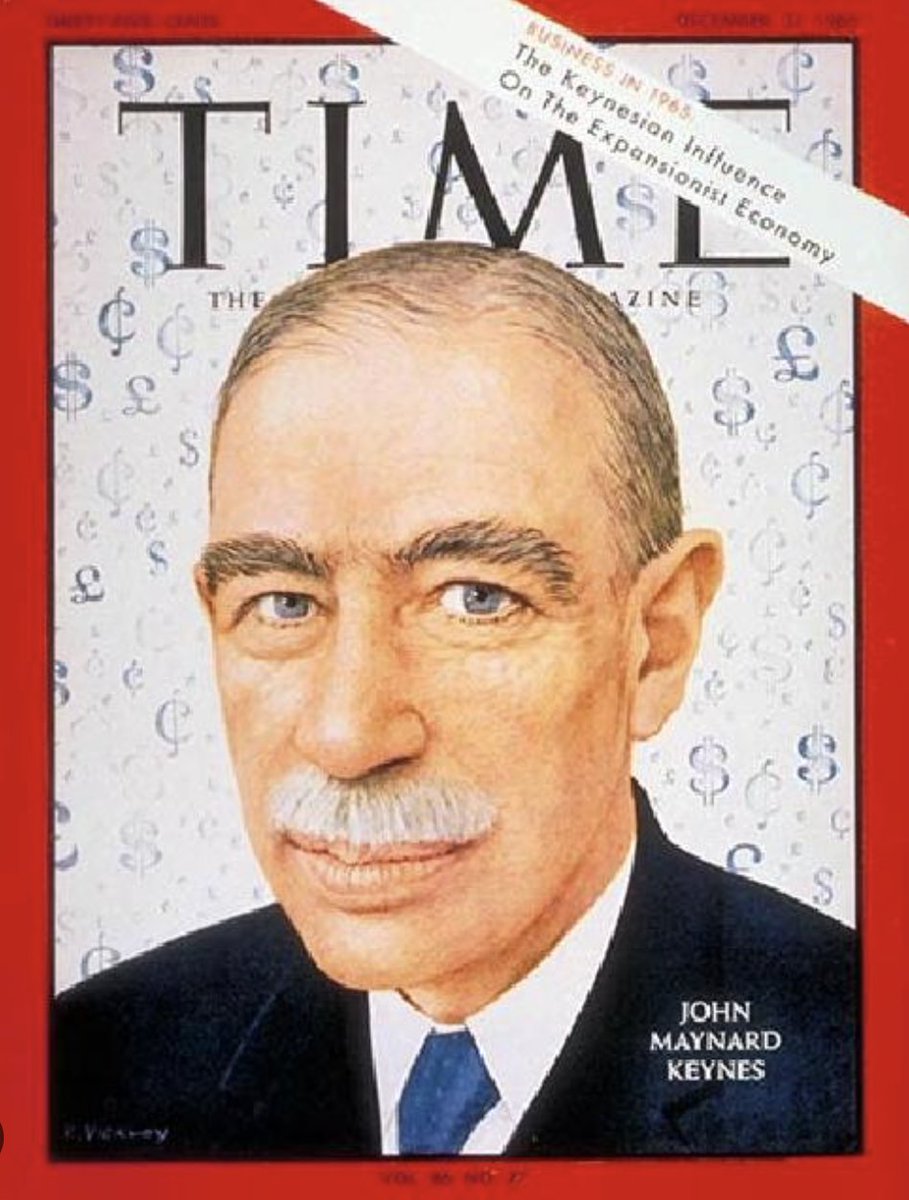
In 1936, Keynes famously wrote that paying people to dig holes and fill them back up would boost the economy. Meanwhile, French economist Bastiat was spinning in his grave, having warned a century earlier about the "broken window fallacy" - the illusion that destruction creates wealth.
When New Deal programs put thousands to work building bridges to nowhere, Keynesians cheered the employment statistics. But they ignored what Bastiat called "the unseen" - the private investments never made, the businesses never started, the innovations never pursued because capital was diverted to government make-work.
Today's politicians still invoke Keynesian magic, claiming every trillion in deficit spending creates prosperity. They see the government jobs, the infrastructure projects, the GDP bump.
They don't see the entrepreneur who couldn't get a loan, the startup that never launched, or the future growth sacrificed for today's political theater.
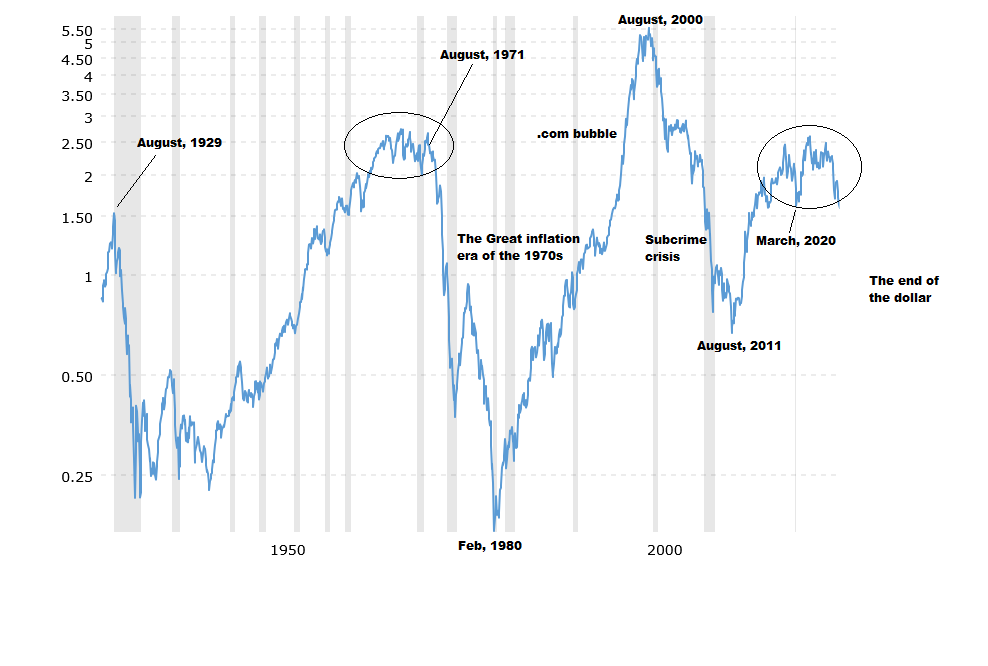
I don't see anyone talking about the S&P to Gold ratio. Arguably one of the most important indicators for economic forecasting.
The S&P isn't trading at all time highs when measured in terms of real money, #gold. In fact, its been flat for nearly a decade.
However, the majority are looking at the nominal figures. Rarely will one stop to think about the purchasing power of the currency which their assets are denominated in. And if they are keen enough to adjust for #inflation, they often blunder by way of adjusting for #CPI. These figures are a joke at this point with all the hedonistic and substitution bs going on.
Between about 1968 to 1980 stocks traded flat nominally. In real terms however, stocks plummeted as seen in the S&P to Gold ratio. But as the saying goes, there's always a bull market somewhere.
This period was home to the great #commodity boom. A boom fueled by the fear of inflation. Just to name a few Coffee, Cocoa, Sugar, OJ, Wheat, Crude, all outperformed stocks most years, with many displaying the extraordinary extent to which bubbles can reach. (yes, there were many reasons other than inflation responsible for some of the moves, but the extent to which inflation played cannot be overlooked)
Obviously, the metals (gold is money) were the main performers before their blow off top in January of 1980. (The Hunt brothers were partially responsible for this, but the underlying conditions leading up to the spectacular corner attempt was inflation)
The same thing occurred during the subprime crisis. Some commodities, specifically the metals entered a #bubble. Though, this one not lasting nearly as long as the commodity boom of the 70s.
What fueled the commodity boom of the 70s was inflation. Prior to this, stocks traded flat for about 8 years. Currently, stocks have traded flat for about a decade, and we have just broke the March 2020 lows. Whats driving this rush into gold is undoubtedly inflation. The underlying economic conditions are inflationary, as real rates are negative, #M2 is at all time highs again, the Fed just ended #QT and has been actively lowering rates.
A commodity boom is underway, one which will dwarf what was seen during the 1970s. One which will end with the extinction of the dollar as both a world reserve currency and a medium of exchange. There will be no Volcker to save the #dollar this time. It may take a few decades, but failure to position oneself correctly will inevitably result in the savings of a lifetime to become worthless.
@TheShortBear Edwin Lefevre said it best - "They are not suckers because they make big money during booms by plunging with the courage of ignorance. They become suckers when they become so wise that they overstay the bull market."
On Bubbles.
There are certain lessons in this profession that cannot be taught, only endured. To understand the true nature of a mania, I often wish one could have lived through the final days of Bitcoin in 2017. It remains the most clarifying portrait of what it means for "everyone" to finally be in.
You could feel it.
It was the day two different taxi drivers, offered you unsolicited advice on digital gold. It was in the lecture halls, where classmates who had never spoken of markets were suddenly experts, their positions barely two weeks old.
Every last soul who joined the chorus because they heard the music from the street was, without exception, destined for ruin.
I had the discipline to buy at eight thousand and the foresight to sell near thirteen, only to watch it scream towards twenty in less than ten days.
That is the moment the true test begins. The siren's call of the crowd grows deafening, tempting you to abandon all reason and leap back into the frenzy.
A true bubble, you learn, is a relentless force.
It seeks out every corner of society, lighting the fire of FOMO in hearts that would otherwise have nothing to do with the markets. It is a contagion that travels down the chain of conviction, from the seasoned professional to the last holdout, your grandfather's taxi driver.
Only then, when the last skeptic has been converted, is the dream ready to collapse. You know you are in the presence of something more than a simple hype bubble when the social calculus shifts entirely.
It is that rare moment when holding a preposterous, heterodox idea provides you less pain than being marginalized.
When the trade is no longer about profit, but about conforming.
Ludwig von Mises warned us 80 years ago: when governments start making individual "deals" with private companies, we're witnessing the transformation from capitalism to something far more dangerous.
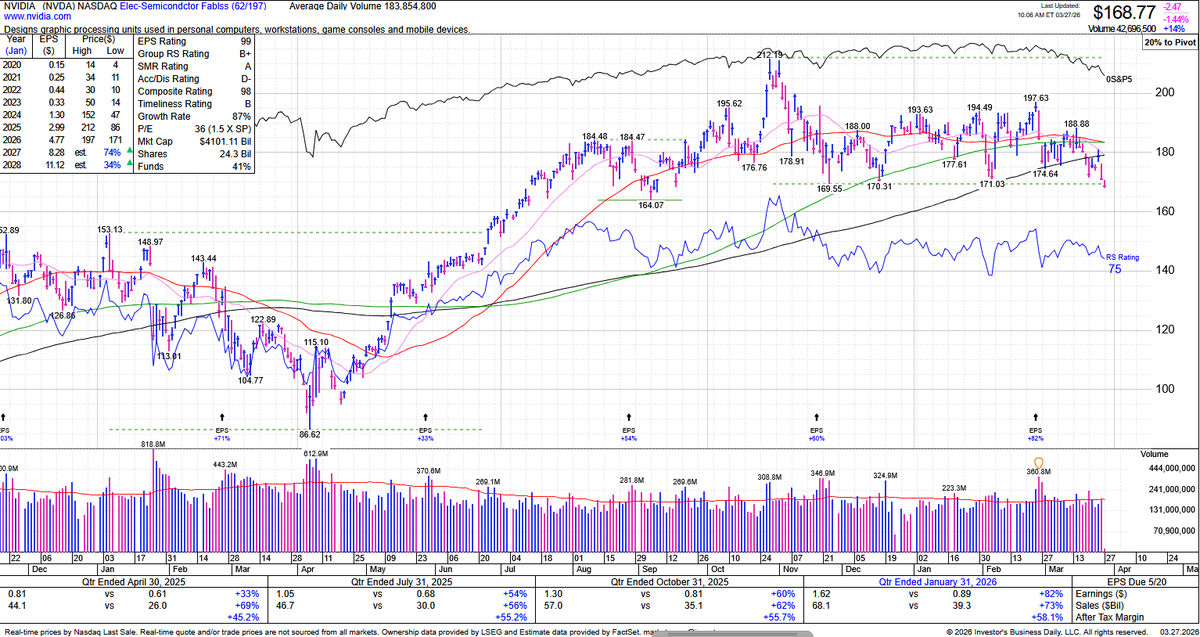
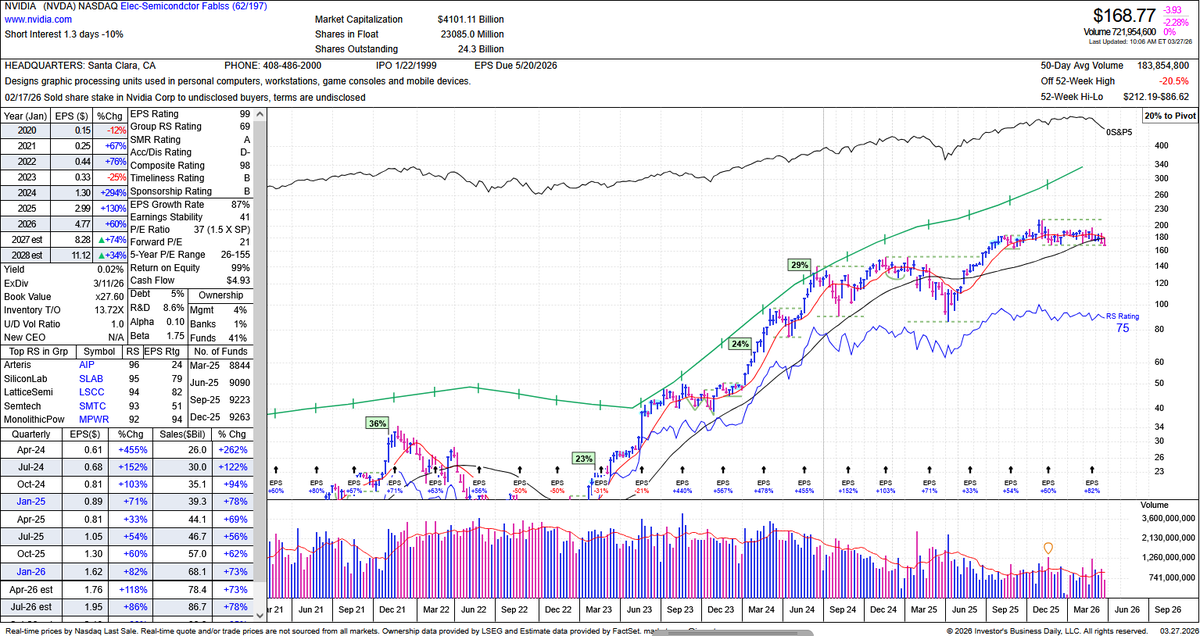
The news about Nvidia and AMD giving the U.S. government 15% of chip sales to China? Mises saw this exact pattern coming. 🧵