ESPN analyst Ryan Clark predicts that the Ravens will win the Super Bowl:
“My actual bold prediction is that the Baltimore Ravens will win the Super Bowl.”
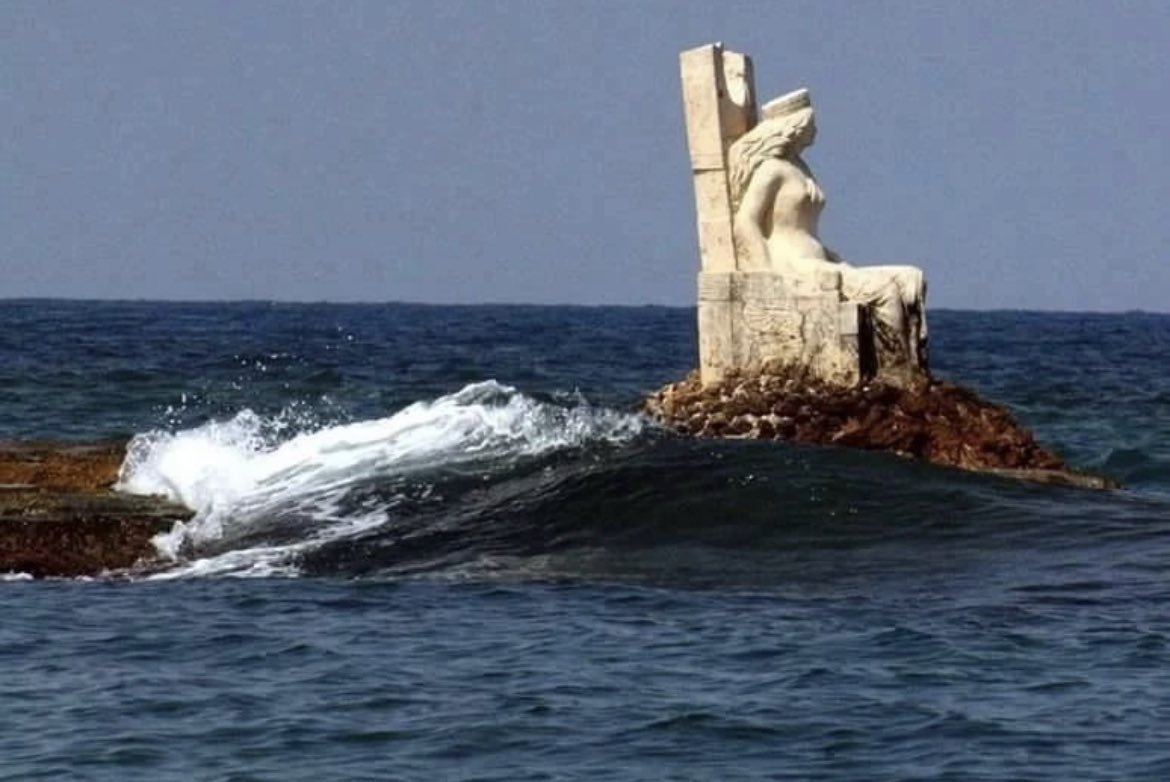
The statue of Queen Zenobia stands proudly in Lattakia, Syria, situated in the middle of the Mediterranean Sea. Zenobia, a courageous queen, defied Rome and left a lasting mark on history. In the third century A.D., Palmyra, a thriving city in the Roman province of the same name, embodied wealth, culture, and power. It served as the backdrop for Queen Zenobia's ambitious quest for dominance.
The stage for this dramatic confrontation had been set over several decades. During the middle of the third century A.D., the Roman Empire faced severe political and economic turmoil, with constant attacks on its frontiers and an unstable core. The devastating defeat and capture of Emperor Valerian by the Persians in 260 further plunged Roman rule into disarray. Meanwhile, the Gallic empire in Europe began to rebel and break away from Rome.
Amidst the empire's vulnerability and distractions, Zenobia recognized her opportunity to expand her influence. Palmyra had a history of cooperation with Roman rule, which had brought numerous benefits to the desert kingdom. Located approximately 130 miles northeast of Damascus in modern-day Syria, Palmyra thrived under Roman control since the first century A.D. Its strategic position at the crossroads between the Roman-dominated Mediterranean world and the mighty empires of Asia contributed to its immense significance, both strategically and economically.