PALEODEX ENTRY #005 // TYRANNOSAURUS 🦖🌍
Tyrannosaurus rex
“Tyrant Lizard King”
Late Cretaceous • Tyrannosauridae • Carnivore
Threat Level: EXTREME 🔴
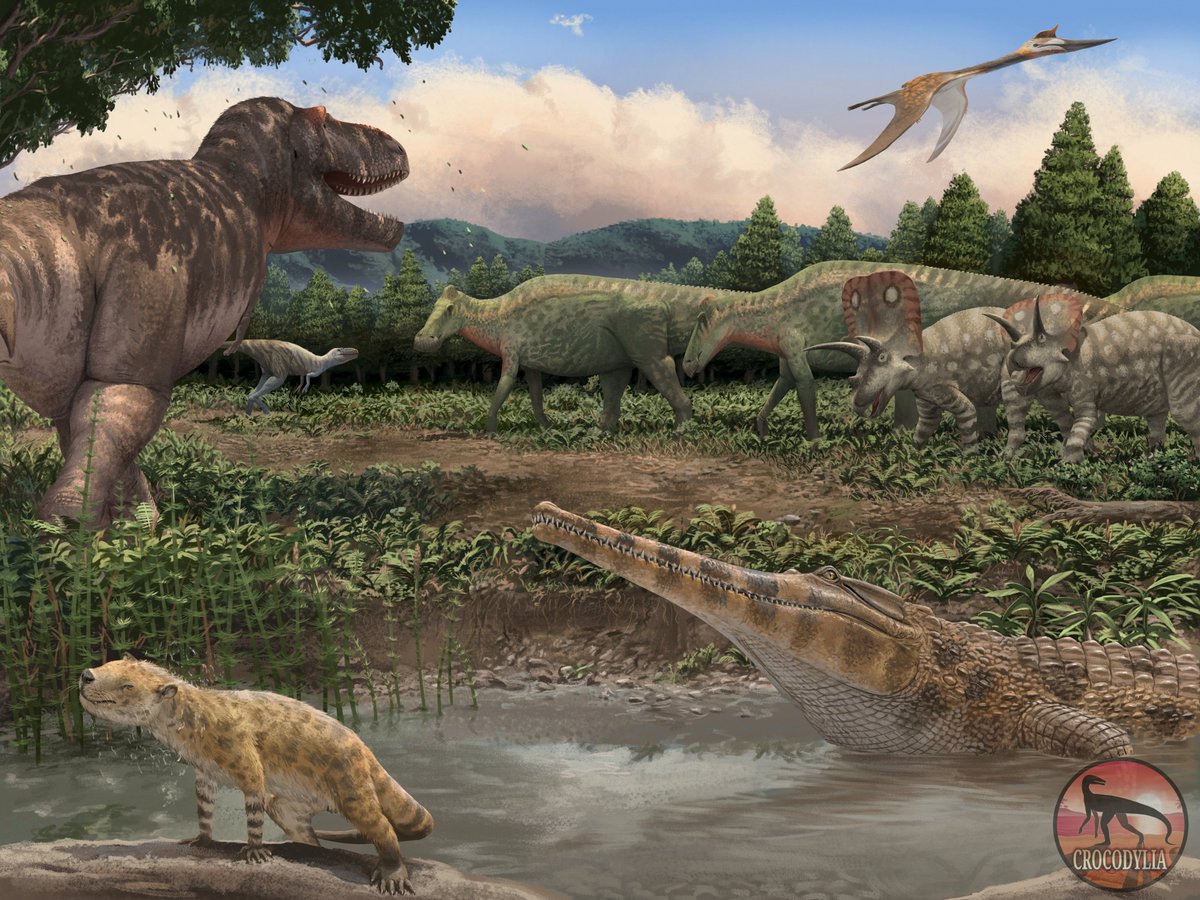
Reaching an estimated 13 meters (43 ft) in length and weighing up to 9 metric tons, Tyrannosaurus rex was among the most powerful terrestrial predators ever to inhabit Earth. Approximately 68–66 million years ago, this colossal theropod dominated the forested floodplains and coastal lowlands of western North America, occupying the highest trophic levels of its prehistoric ecosystem.
Unlike the blade-like dentition of carcharodontosaurids, Tyrannosaurus possessed enormous, deeply rooted teeth and an exceptionally reinforced skull capable of generating tremendous bite forces. Its specialized feeding apparatus allowed it to puncture, fracture, and crush bone, granting access to nutrient-rich marrow and other tissues inaccessible to many competing carnivores. Combined with powerful olfactory capabilities, binocular vision, and a sophisticated sensory system, these adaptations made Tyrannosaurus an exceptionally versatile predator and scavenger.
Now introduced into modern Africa, the tyrant lizard has demonstrated a remarkable capacity to exploit an environment entirely different from the one it inhabited 66 million years ago.
Field observations indicate that Tyrannosaurus exhibits a highly inquisitive predatory response when encountering unfamiliar wildlife. Rather than immediately initiating pursuit, individuals frequently investigate their surroundings through prolonged visual inspection, scent sampling, and deliberate physical manipulation of unfamiliar objects.
Several specimens have been documented revisiting abandoned kills, investigating livestock enclosures, and following established migration corridors for days, suggesting strong spatial memory and an ability to recognize predictable food sources.
Particularly noteworthy is the species’ response to African elephants, whose coordinated defensive behavior has prompted some individuals to abandon direct confrontations in favor of isolating vulnerable calves or weakened herd members.
Territorial communication appears to involve low-frequency vocalizations, scent marking, and conspicuous displays of body posture, potentially allowing individuals to establish dominance without physical confrontation.
Although primarily solitary, occasional associations between adults suggest a degree of social tolerance previously difficult to establish from fossil evidence alone. Their capacity for behavioral learning, combined with exceptional sensory perception and an unusually versatile feeding strategy, has allowed Tyrannosaurus rex to exploit ecological opportunities rarely encountered by other resurrected carnivores.
PaleoDex Field Note: Unlike predators that depend primarily on speed, concealment, or specialized hunting techniques, Tyrannosaurus rex possesses an extraordinary combination of physical power, sensory awareness, and behavioral adaptability. In modern Africa, its greatest advantage may not be its bone-crushing jaws, but its ability to recognize patterns, remember successful encounters, and modify its behavior accordingly. For the continent’s native wildlife, the arrival of this prehistoric giant represents more than the introduction of another apex predator. It represents the return of an animal capable of learning how to hunt an entirely unfamiliar world.
ENTRY #005 LOGGED. 🦖🔴
People seem excited about this. Idk, I think this is horrible. There is nothing poetic about coldly releasing hundreds of solutions to problems that could have been inspiring stories (e.g., Andrew Wiles). Using AI is fine; turning maths into a race won with concentrated resources is disgusting.
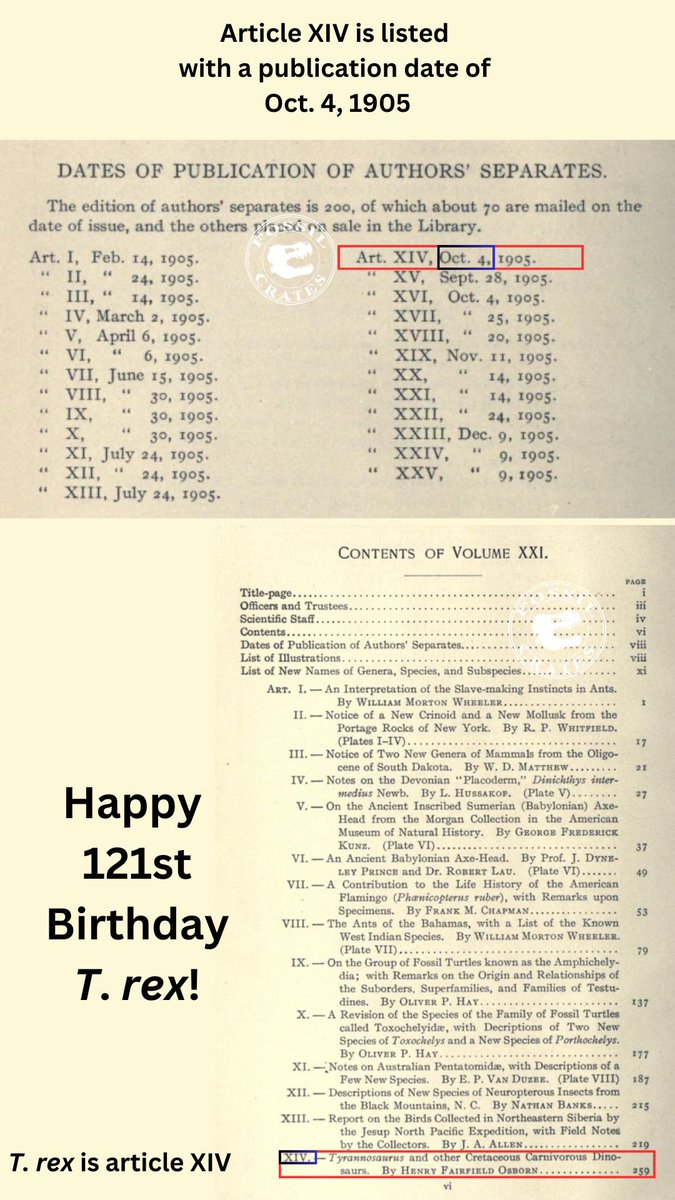
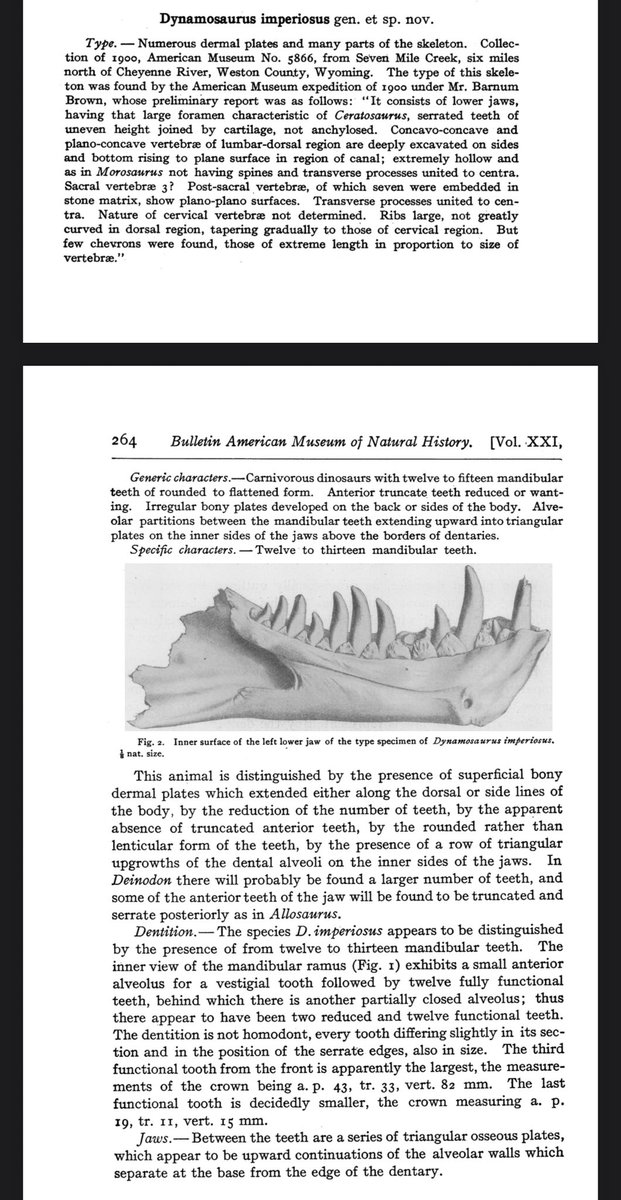
#Tyrannosaurus was named, Oct. 4, 1905, as was #Dynamosaurus
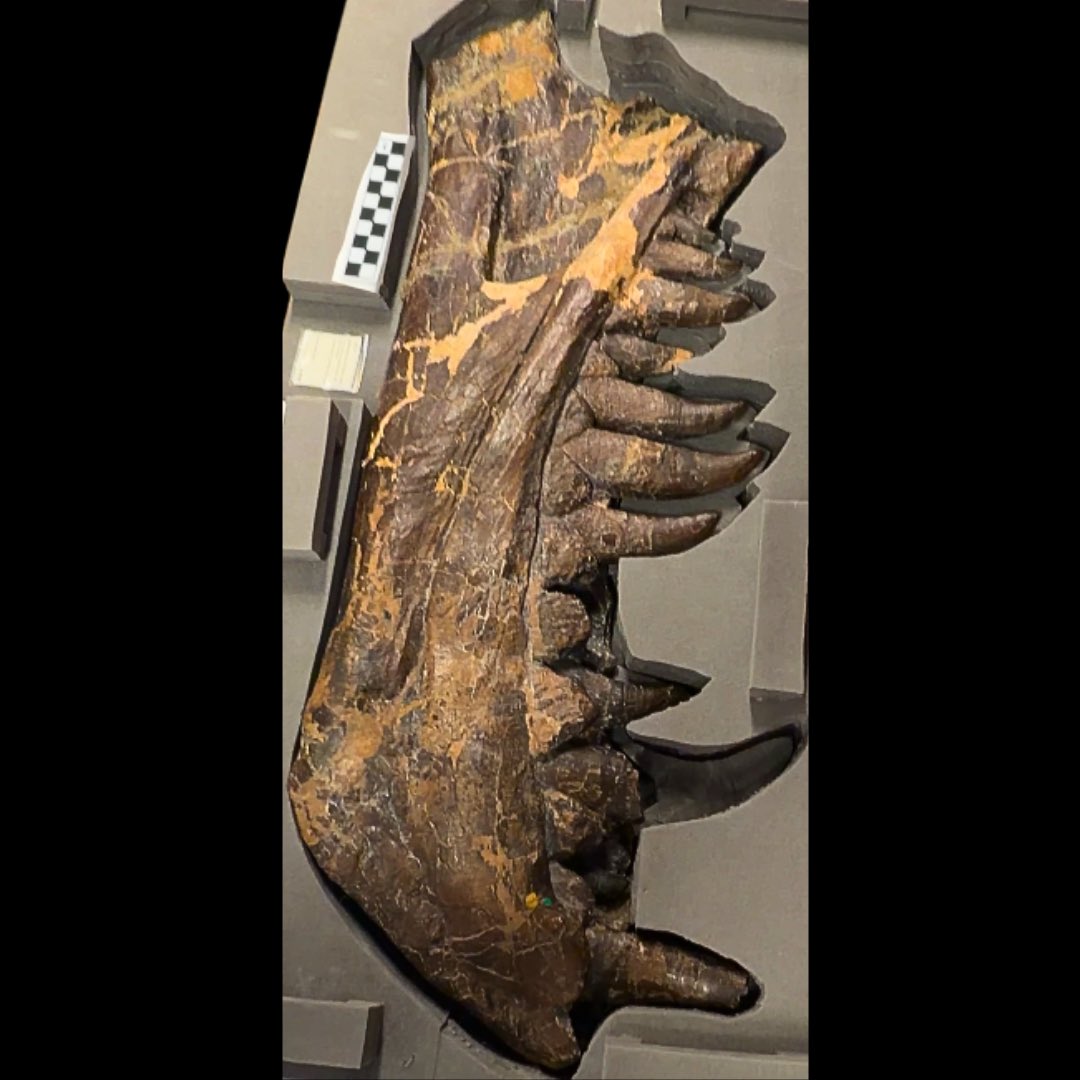
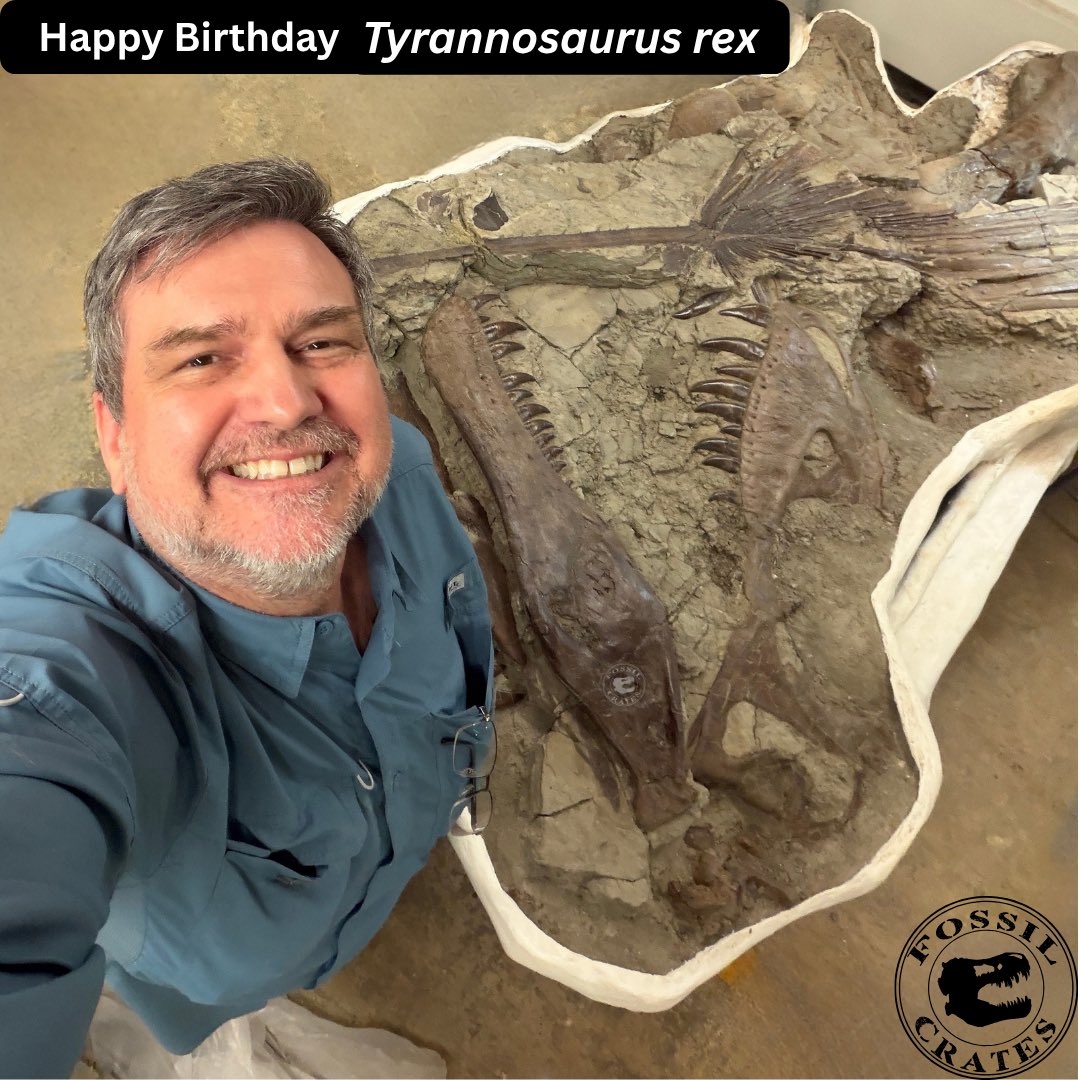
I saw the Dynamo material a few weeks back (thus the pic).
I find it amusing that neither specimen in the 1905 paper resides at AMNH. The holotype was sold to the Carnegie, and Dynamo to London’s NHM.
#FossilCrates
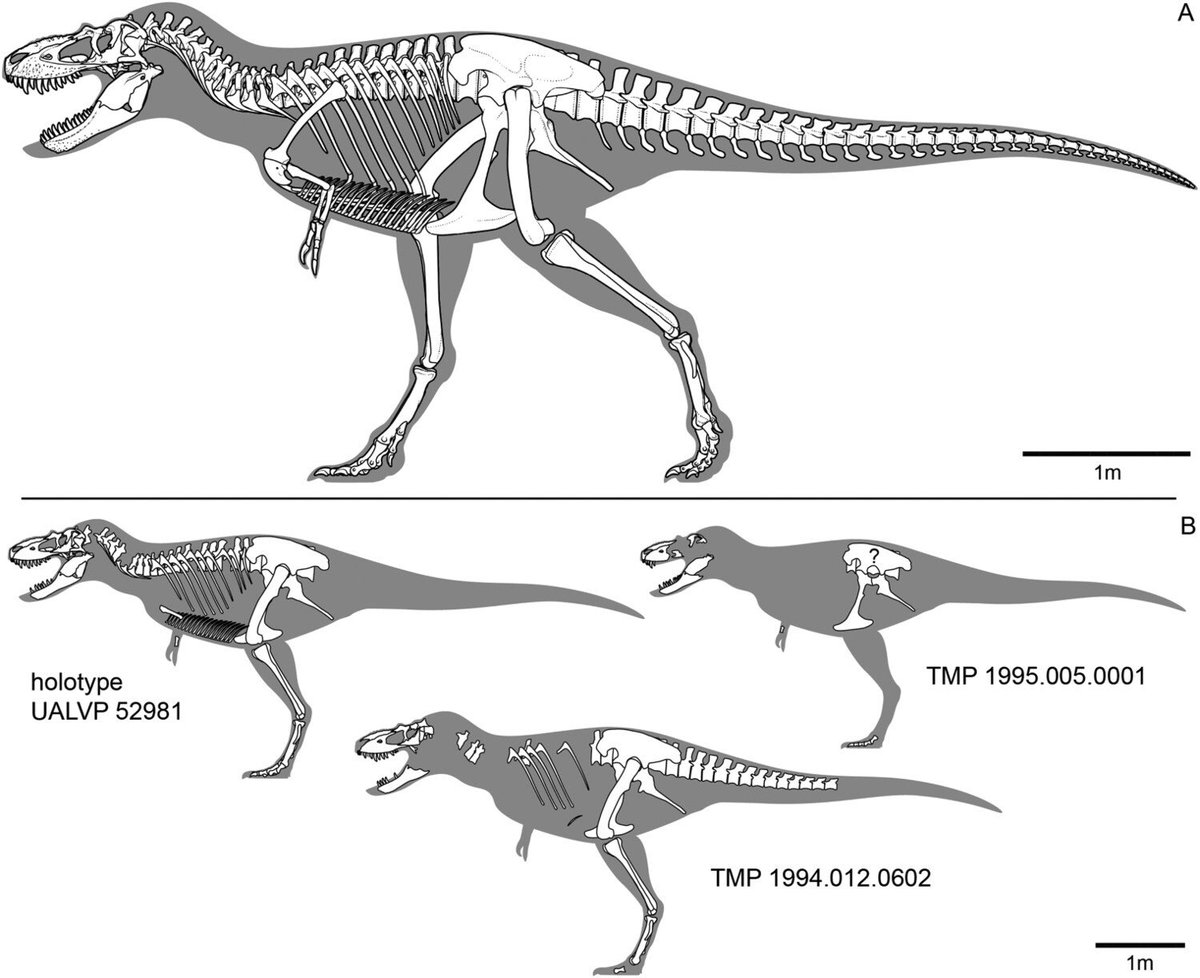
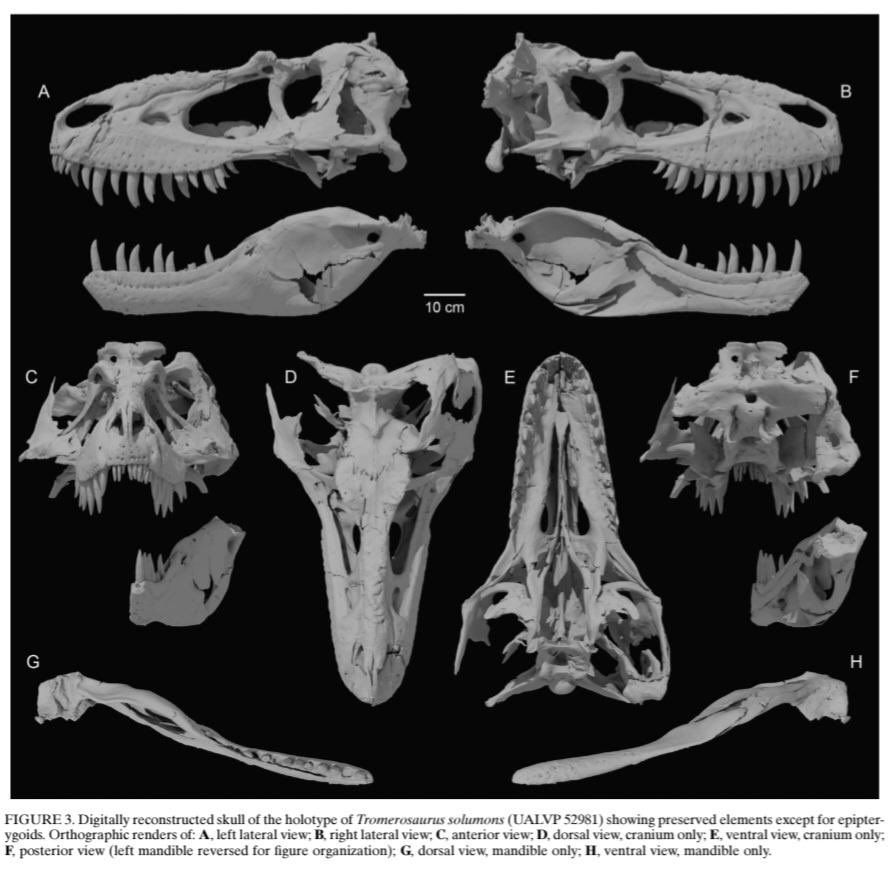
Perfect timing for #FossilFriday! A new albertosaurine tyrannosaur! Dubbed Tromerosaurus solumons, it highlights features shared between both albertosaurines and tyrannosaurines. It also coexisted with Daspletosaurus wilsoni. Paper linked below…
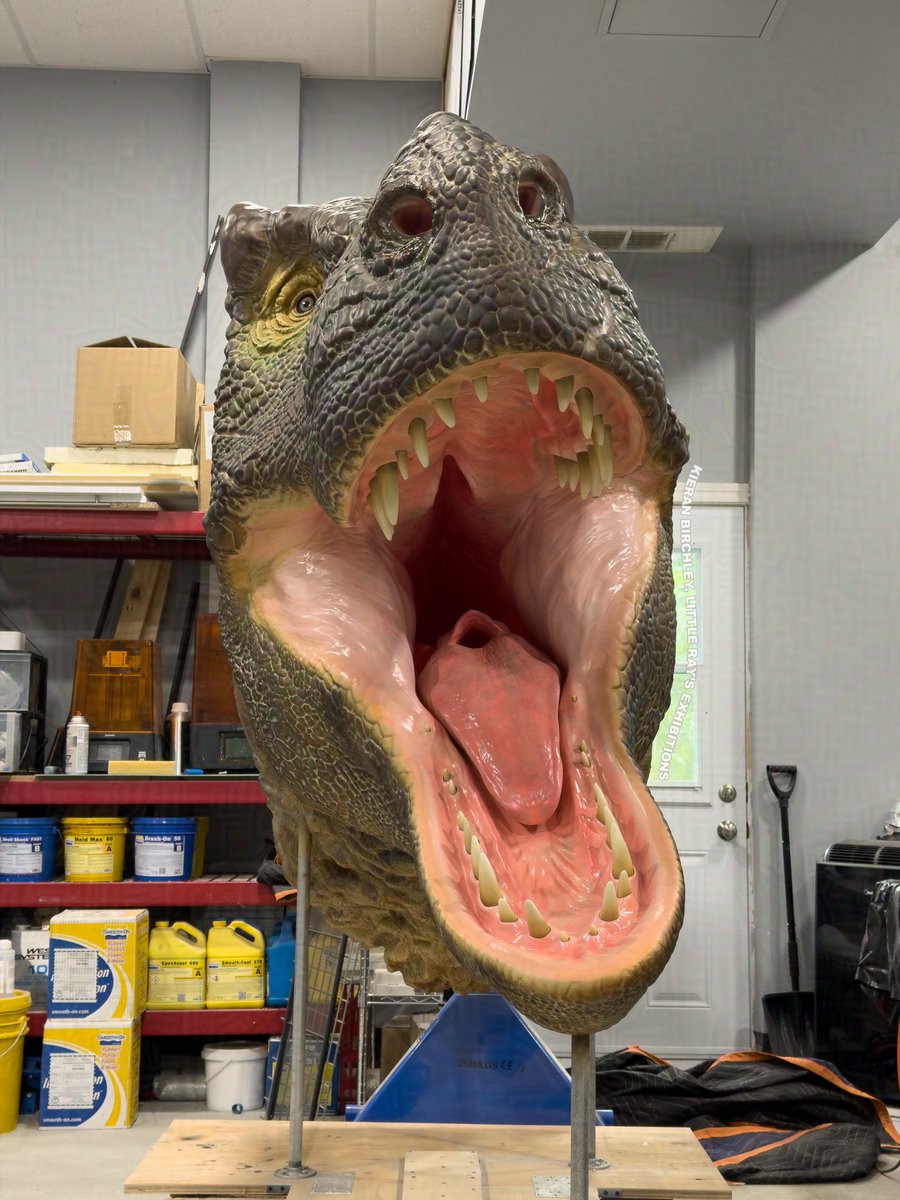
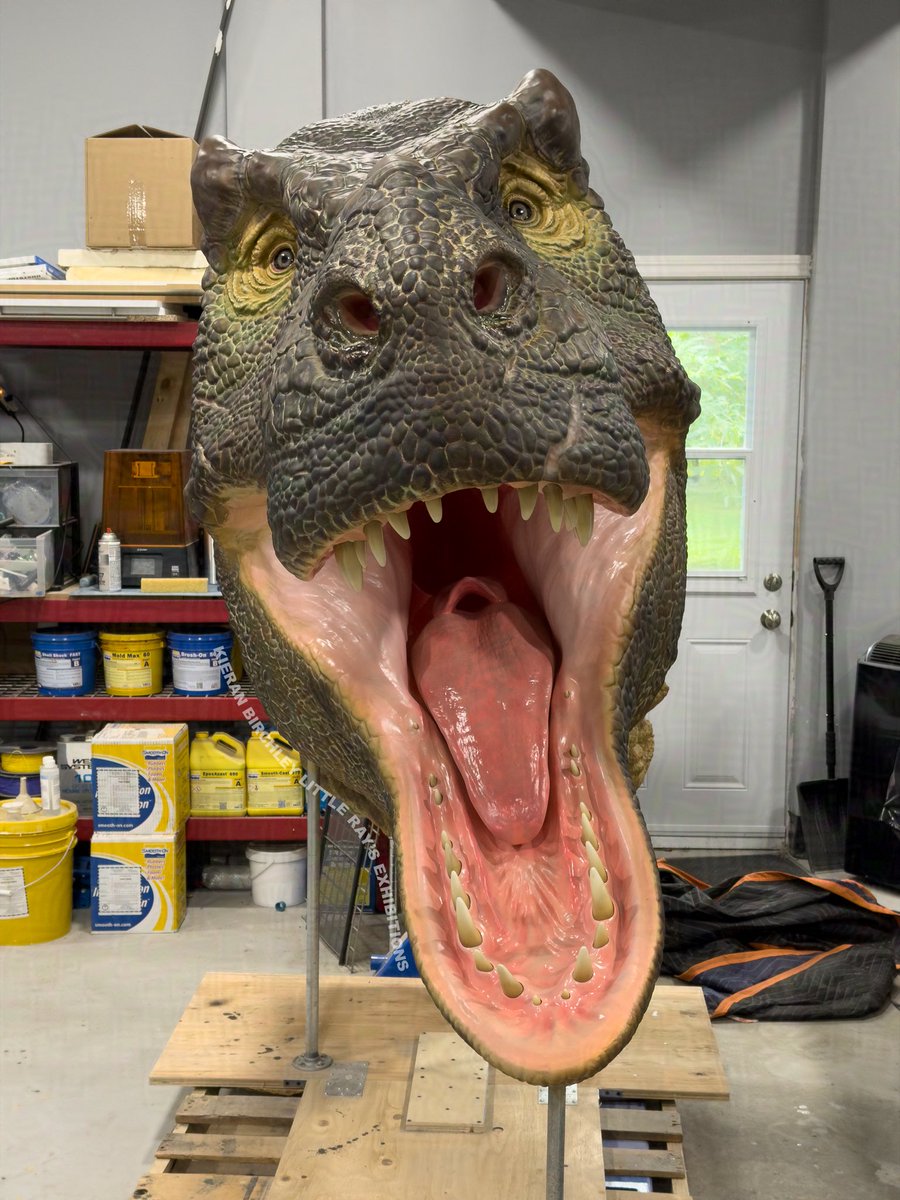
Proud to present my lifesize T. rex head, affectionately named Hannibal. I created this myself from start to finish- digital sculpture, 3D printing, painting, etc. Quite a learning curve involved but very pleased with how he turned out.