Chhath Puja is a major Hindu festival primarily celebrated in Bihar, Jharkhand, and eastern Uttar Pradesh. Dedicated to the Sun God (Surya) and Chhathi Maiya, it spans four days featuring rigorous fasting, holy baths, and offerings made while standing in water bodies to both the setting and rising sun.
The festival honors Surya (the Sun God), the ultimate source of energy and life on Earth, alongside his sister Chhathi Maiya (or Shashti Devi). Worshipping the sun is believed to promote health, prosperity, and well-being, while Chhathi Maiya is revered as the protector of children. It is one of the few Hindu festivals that pays tribute to both the setting and the rising sun, symbolizing the cycle of birth and death
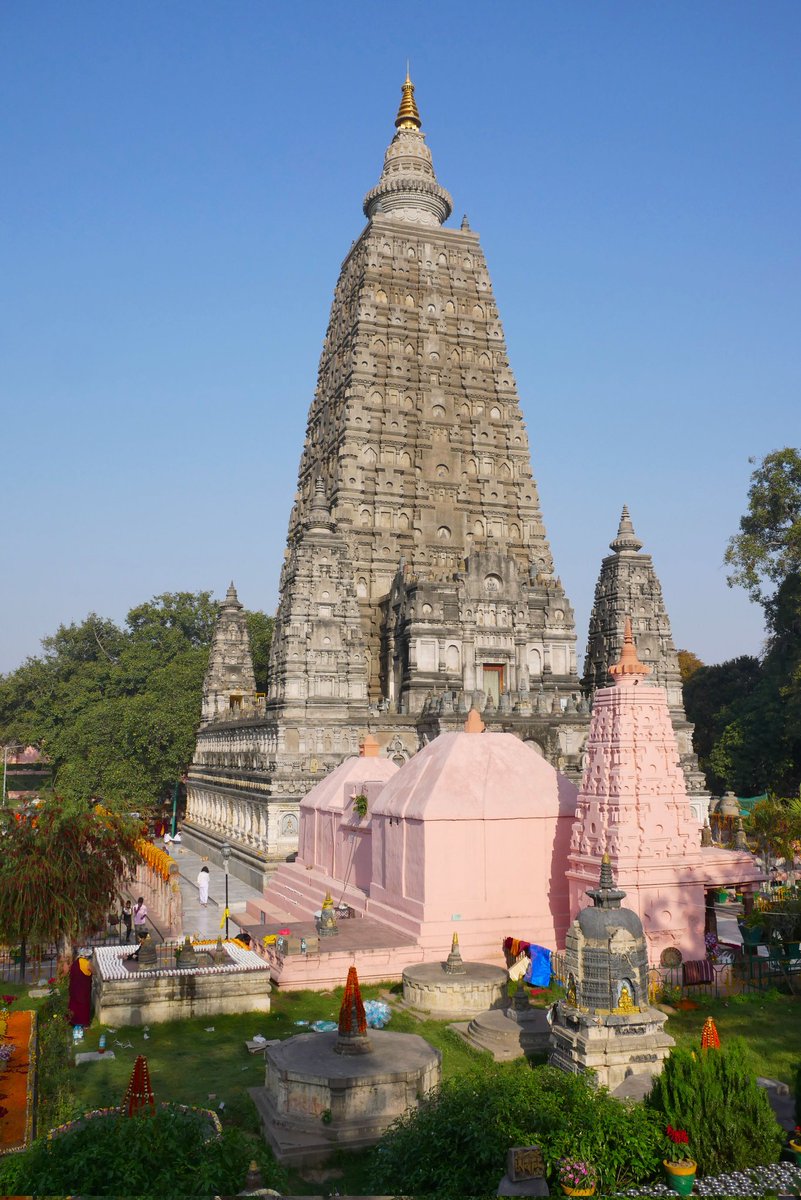
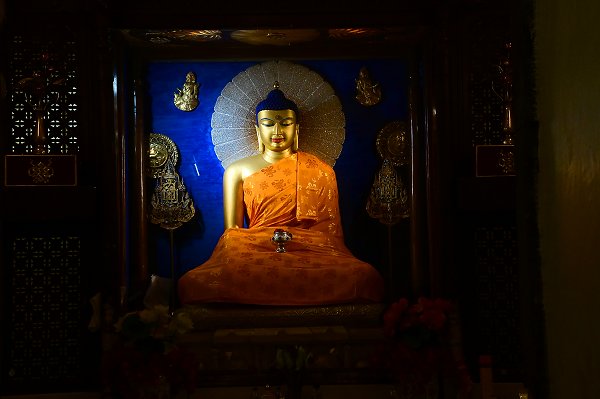
The Mahabodhi Temple is a UNESCO World Heritage Site located in Bodh Gaya, Bihar, marking the exact location where Siddhartha Gautama (Lord Buddha) attained enlightenment under the Bodhi Tree. It is one of the four holiest sites in Buddhism and a major global pilgrimage destination.💮
When Siddhartha left his home, he didn't just sit peacefully and find enlightenment. He spent six years engaging in extreme asceticism, a common spiritual practice at the time that believed torturing the body would free the soul.
He subjected himself to severe self-mortification. According to early texts, he held his breath until he experienced violent headaches and restricted his diet until he was surviving on a single grain of rice or a single sesame seed a day. He became so emaciated that he claimed when he touched his stomach, he could feel his spine.
He pushed himself to the absolute brink of starvation and death before realizing that extreme self-deprivation clouded the mind just as much as extreme indulgence. This near-death experience is what finally led him to formulate the "Middle Way"—a path of moderation between extremes.