1/ 🚨 New publication in Educational Researcher
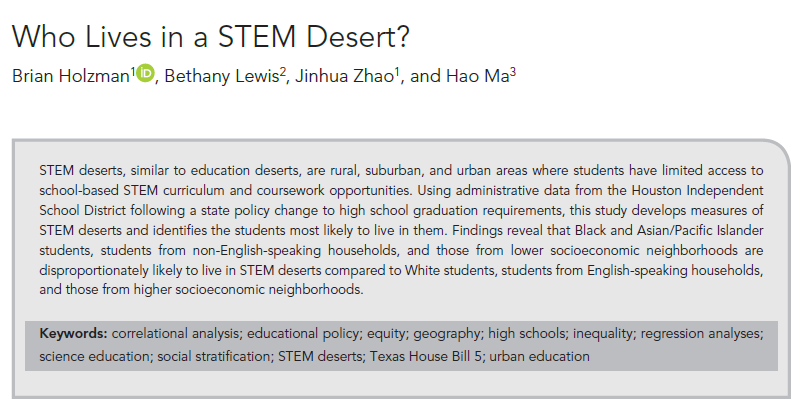
"Who Lives in a STEM Desert?"
🔗: https://t.co/BdJmVaVQX8
We introduce student-level measures of “STEM deserts”—areas where students have limited nearby access to STEM courses and curricular pathways.
#STEM#EdPolicy#Equity
Interesting!
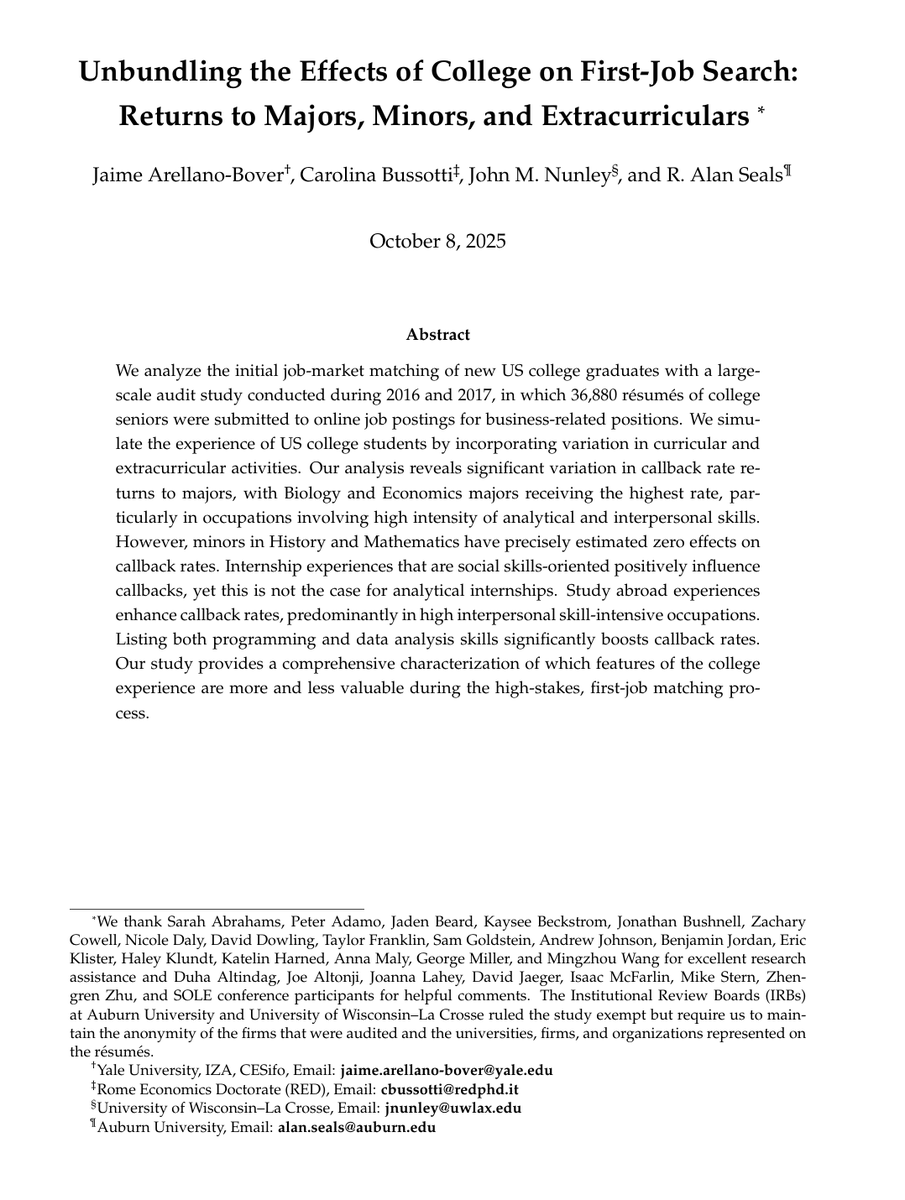
These authors wanted to know which aspects of the college experience give recent graduates a leg up in the job market.
So they ran an experiment.
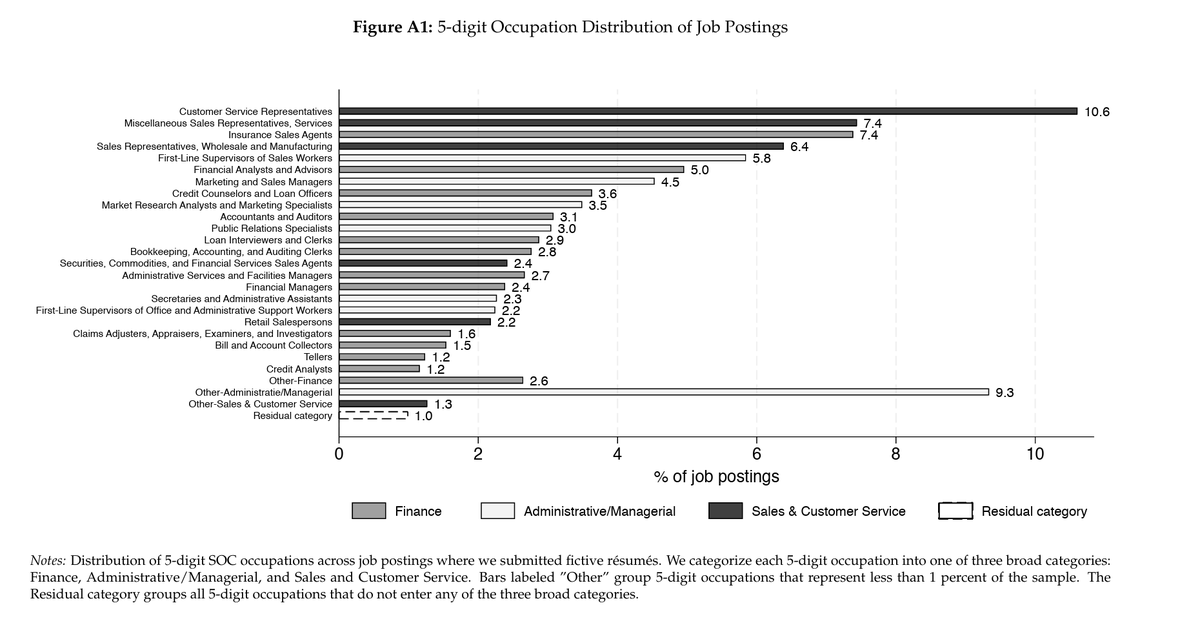
In it, they sent 37,000 fictitious resumes to employers and randomized multiple aspects of the college experience.
Specifically, they randomized applicants':
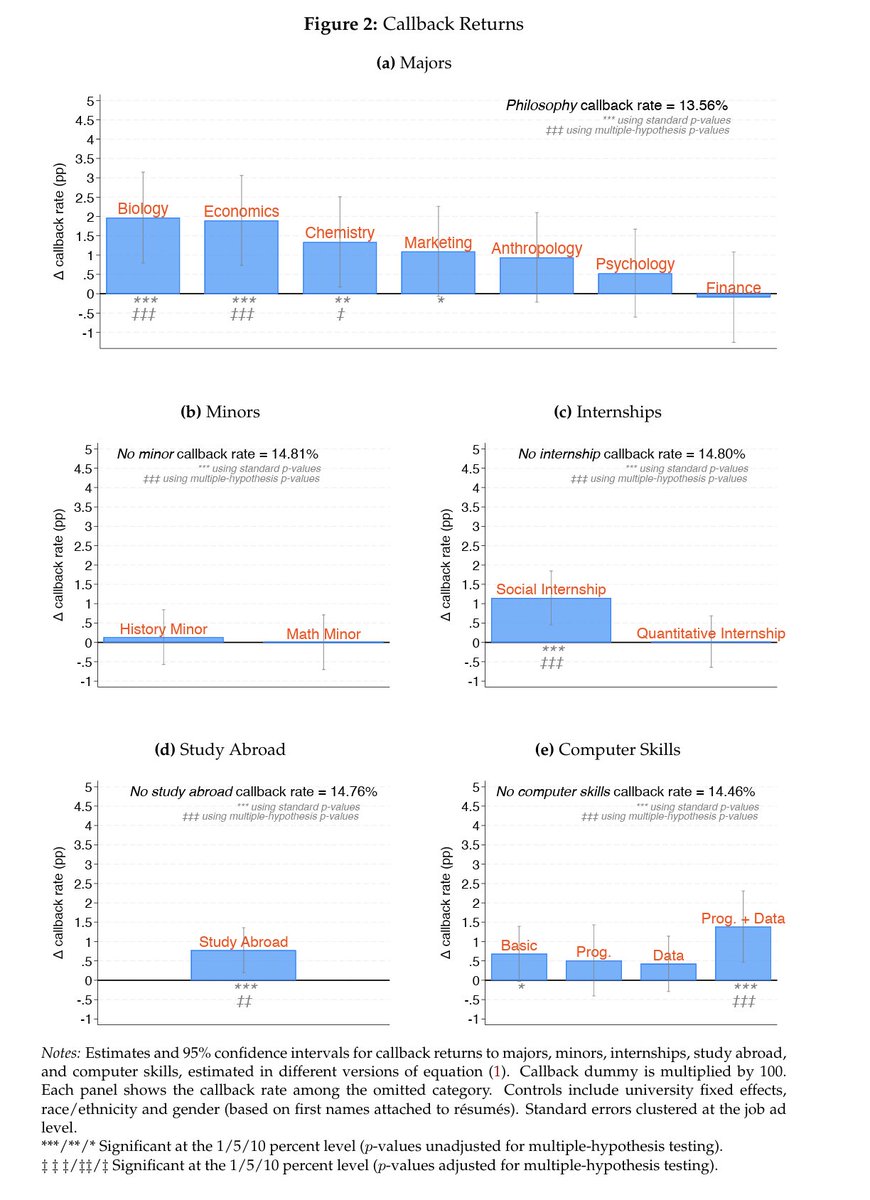
-college major (Biology, Economics, Chemistry, Marketing, Anthropology, Psychology, or Finance)
-college minor (History, Math, or none)
-internship experience (social, quantitative, or none)
-study abroad (in Italy, Argentina, China, Mexico, Japan, Dubai, South Africa, or none)
-computer skills (basic, programming, data skills, programming and data skills, or none)
They then observed who got the most employer callbacks.
They found that in first positions:
-Biology and Economics majors received the highest callback rate, particularly in occupations involving high intensity of analytical and interpersonal skills.
-minors in History and Math did not help applicants get more callbacks.
-Internship experiences that are social skills-oriented positively influence callbacks, yet this is not the case for analytical internships.
-Study abroad experiences enhance callback rates, but where you do your study abroad matters!
-Listing both programming and data analysis skills significantly boosts callback rates.
"Our study provides a comprehensive characterization of which features of the college experience are more and less valuable during the high-stakes, first-job matching process."
📢 Are you interested in studying Educational Leadership & Policy? Come join me next Tuesday evening at 7pm CT to learn about our PhD program
@TAMUEAHR@cehdtamu!
Register here: https://t.co/jYkZY63ieQ
Our book chapter on the use of ChatGPT is out https://t.co/hBWJP5B2ju
Based on faculty perceptions, we explained how chatbots such as ChatGPT can be used for teaching and learning in higher education in global South.
Brief with @BrendanBartanen summarizing our work on the early teacher pipeline and diversifying the workforce in @pdkintl. Thanks to @AnnenbergInst EdResearch for Action in pushing me to do this; there's still time to apply for this program! @cehdtamu https://t.co/KBFrAPLwY1
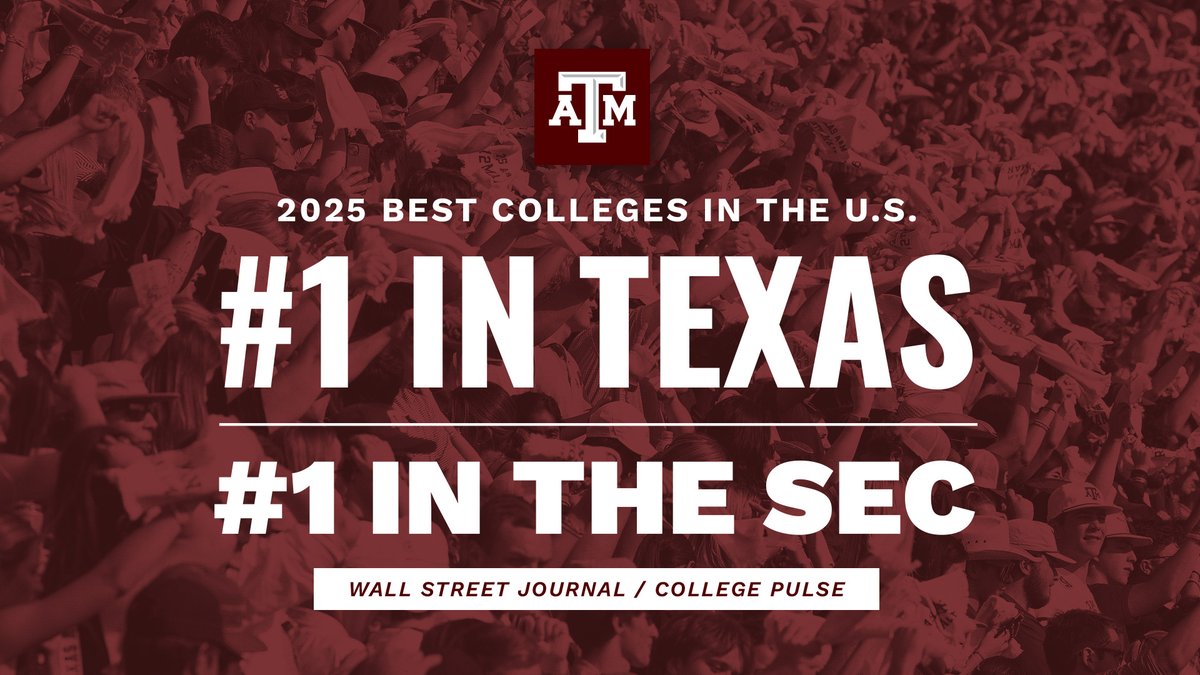
First in Texas, Best in Texas!
Texas A&M is the No. 1 university in Texas and the SEC in the latest rankings by the @WSJ! Whoop! 👍
Read more here, Ags: https://t.co/JY5u6Pdumf
#TAMU#GigEm#Aggies#Whoop
I'm thrilled to share that I officially started my PhD journey @TAMU in Curriuclum and Instrcution at SEHD. Thanks to everyone who supported me. Here's new beginning, endless learning and making a difference. #PhDJourney#ResearchLife#AcademicAdventures#phdlife
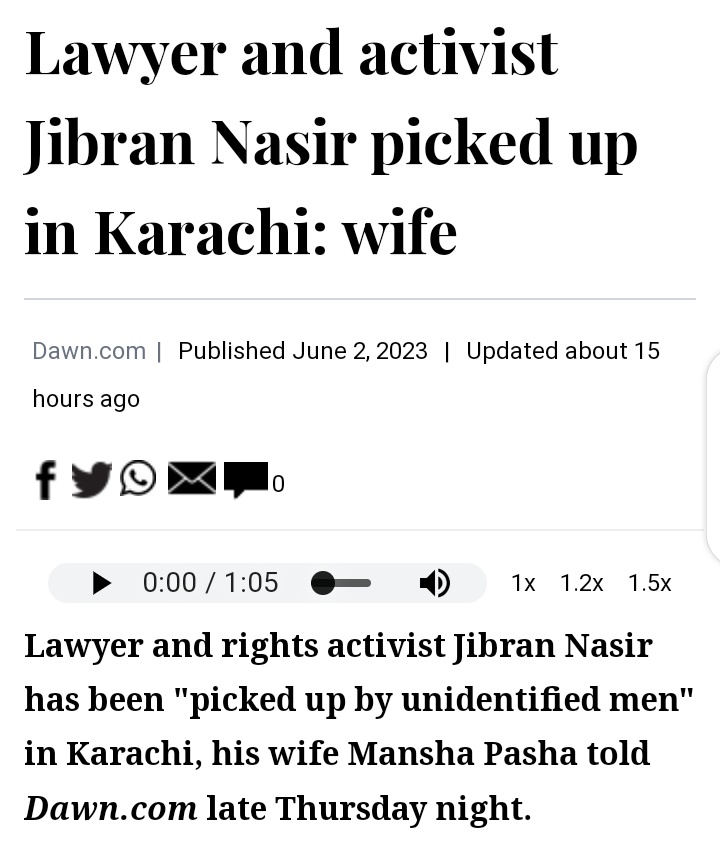
آج ملک میں جاری جبروفسطائیت تمام فوجی سرکاروں (مارشل لاءز) کے ادوار میں کی جانے والی ظلم و زیادتی کی ہر حد کو پامال کرچکی ہے۔تحریک انصاف کےخلاف تاریخ کے بدترین کریک ڈاؤن کے ساتھ ہر اس آواز کو دبائے جانے کا سلسلۂ جبر بھی جاری ہےجو ہمارےشہریوں کے بنیادی حقوق کی بہیمانہ خلاف ورزیوں کی تنقید و مذمت میں کسی بھی سمت سے بلند ہوتی ہے۔
جبران ناصر کا اغواء اس حقیقت پر مہرِتصدیق ہے کہ ہم 1933 کے بعد کے جرمنی میں نازیوں کے دور کیجانب بڑھ رہے ہیں۔
In our latst article https://t.co/pFZYoHH4TL , We examine the chllnges tht cntries like Pakistan face when determining their education policies in the midst of global-national policy pressures.
@SAGEPublishers@edpolicyfutures#academia#AcademicTwitter
The national sphere of authority mst navigate these pressures w/o sucmbing to extrnal influence. We argud for a critical policy engagmnt, which invlve active participation of multple stakehldrs on equal footing, w/o any pressure from donors.