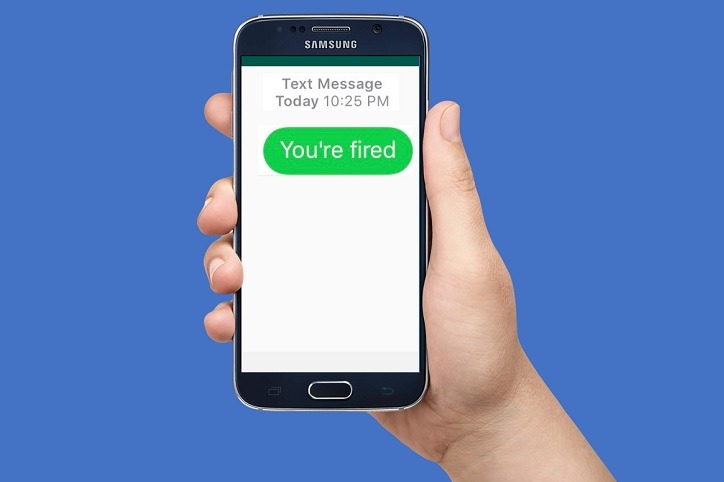
Imagine losing your job through a text message.
No meeting. No explanation. No process.
In Nairobi, a court ruled that kind of dismissal is unlawful.
Because even probationary workers have rights.
And dignity at work is not optional.
#WorkersRights#AfCLAD
Can a workplace be fair if it ignores women’s health realities?
In Nairobi, women county workers can now take 2 paid days off for menstrual pain.
It’s not just policy; it’s dignity.
But will support be matched with protection from bias?
#AfCLAD#WorkersRights#MovementMonitor
What does it mean for workers when joining a union can cost them their jobs?
At AfCLAD, this is a question we cannot ignore.
In Lagos, 75 workers were reportedly dismissed after organising; with midnight notices citing “redundancy.”
But from a labour perspective, this goes beyond redundancy. It raises serious questions about rights and accountability.
The right to organise is not optional. It is fundamental to how workers protect themselves, negotiate fair conditions, and build collective voice.
Protecting the right to organise requires more than laws. It requires enforcement, transparency, and accountability in everyday workplace decisions.
How can institutions ensure that workers can organise without fear?
#LabourGovernance #DevelopmentPolicy #AfCLAD #MovementMonitor
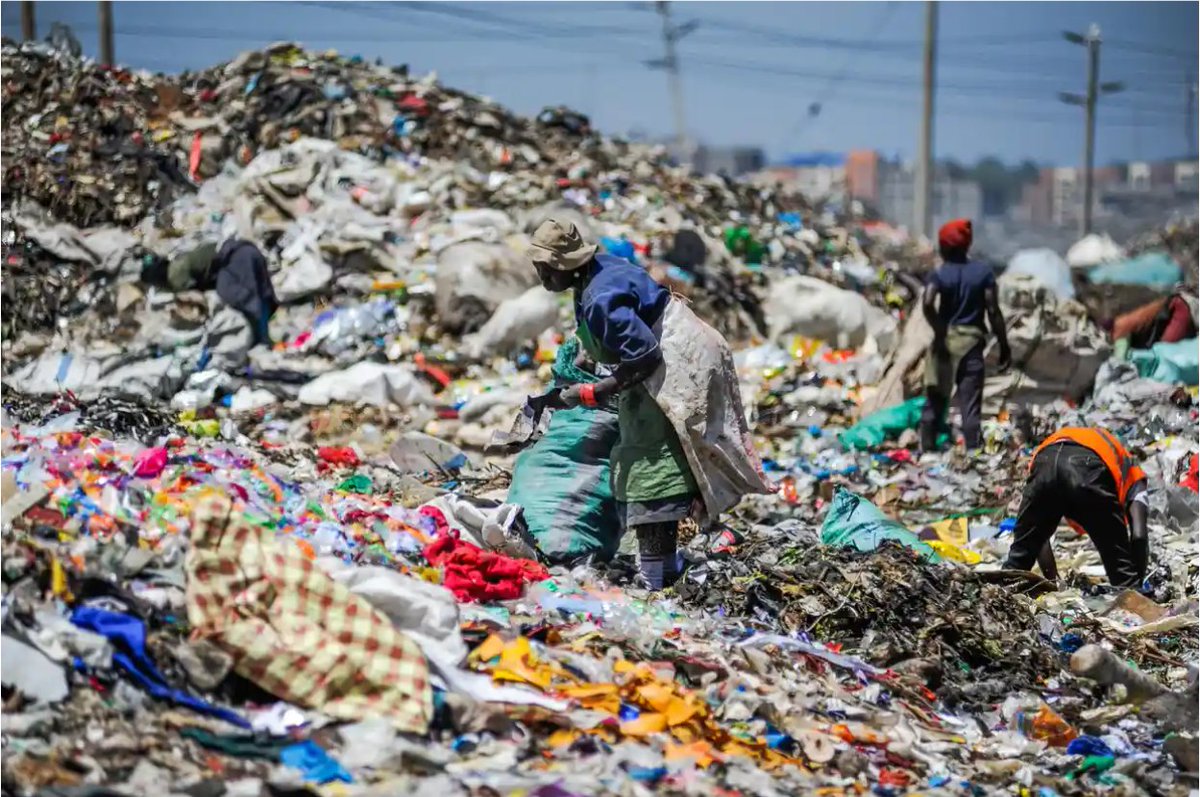
Have you ever stood near a dumpsite and taken in the smell?
Most of us step back.
But waste pickers at Dandora and other Dumpsites don’t have that choice.
They spend hours every day:
• sorting through waste
• breathing in toxic fumes
• handling sharp and hazardous materials
All so our cities and homes can stay clean.
Yet many still face:
✖ no stable income
✖ no health protection
✖ stigma and violence
This is not just about waste. It is about dignity.
Today, let's take a moment and ask ourselves;
What would it take for these workers to have the protection they deserve?
#WasteWorkers #InvisibleWorkers #WorkersRights #DecentWork #AfCLAD #MovementMonitor
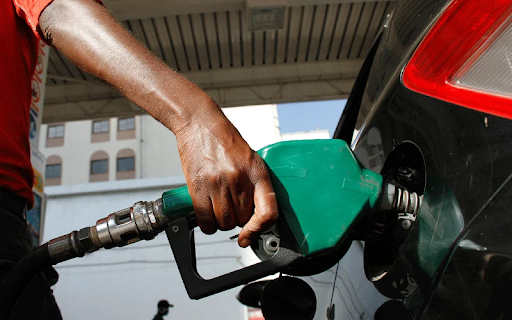
When fuel prices rise, workers feel it first.
In South Africa, the latest hike is one of the largest in recent history. For many, it means choosing between transport and basic needs.
But must workers always absorb the shock?
Flexible work, fair allowances, and dialogue are possible.
#AfCLAD #WorkersRights #MovementMonitor
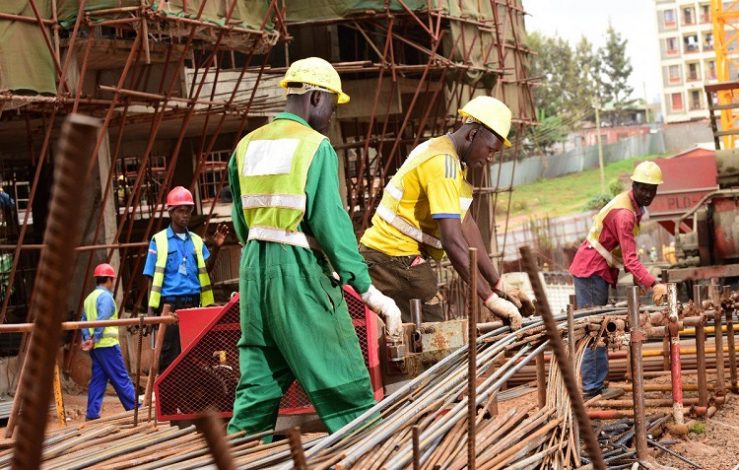
How many workers have to die before workplace safety becomes a real priority?
A ground-handling worker recently died after being electrocuted at Moi International Airport.
Workplace deaths are rarely random. They often reflect weak enforcement, poor training, and unsafe systems of work.
Every worker deserves to return home safely.
#WorkersSafety #DecentWork #AfCLAD #MovementMonitor
The Workers We Walk Past – Nannies and Househelps
Many homes run smoothly because someone else wakes up early to prepare meals, clean the house, and care for children.
Nannies and househelps carry a quiet but heavy responsibility. Their work makes it possible for many families to go to work, attend school, and manage busy lives.
Today, take a moment.
If someone helps in your home, thank them for the care and effort they put into their work. A simple word of appreciation can go a long way.
#DomesticWorkers #CareWork #DignityOfWork #InvisibleLabour #DecentWork #WorkersRights #AfCLAD #MovementMonitor
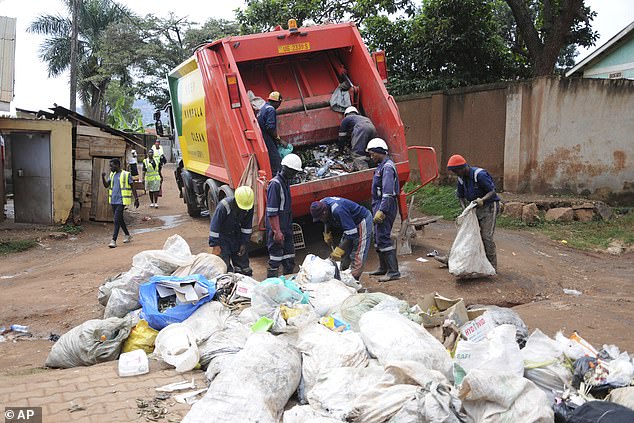
The Workers We Walk Past - Garbage Collectors
When a garbage truck passes, most of us step back from the smell.
For garbage collectors, that smell is part of the job.
Before the city wakes up, they’re already lifting bins and handling the waste we don’t want to see.
It is not easy work. It is physically demanding, and often done with little recognition. Yet without garbage collectors, our streets and homes would quickly become unhealthy places to live.
Today, greet them. A simple thank you matters.
#WasteWorkers #DignityOfLabour #AfCLAD #MovementMonitor
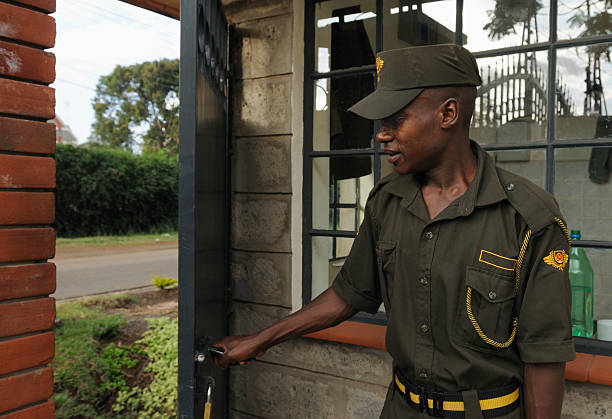
The Workers We Walk Past
Today we start with security guards.
This rainy season, while many of us are indoors and dry, a security guard may be standing outside a gate keeping watch. They spend long hours protecting homes and workplaces so others can rest safely.
The job often means long shifts, little shelter, and a great deal of responsibility.
Take a moment today. If you see a security guard, greet them. Ask how their shift is going.
If you can, offer a warm drink. Small gestures remind workers that their labour is seen and valued.
#WorkersDignity #DecentWork #RespectWorkers #AfCLAD #MovementMonitor
When we talk about decent work, do we remember workers living with disabilities?
About 1.3 billion people globally live with disabilities, yet only around 3 in 10 participate in the labour market. The issue isn’t ability; it’s barriers in hiring systems, workplaces, and policy design.
The issue is rarely ability. More often it is how recruitment systems, workplaces, and policies are designed.
Inclusive employment is not just a social issue. It is a governance and development question. Economies grow stronger when everyone has the opportunity to contribute their skills and talents.
#LabourGovernance #DevelopmentPolicy #AfCLAD #MovementMonitor
When we talk about decent work, do we include the workers inside people’s homes?
In Tanzania, a new national strategy aims to improve protections, contracts, and recognition for domestic workers. For too long, many have worked without written agreements, legal protection, or clear labour standards.
Domestic work is real work and protecting it strengthens dignity across the care economy.
#LabourGovernance #DevelopmentPolicy #AfCLAD #MovementMonitor
When farmers call for fairness in tough times, we should listen.
In Ghana’s cocoa sector, farmers are questioning why price cuts fall on them alone while other parts of the value chain remain untouched.
This isn’t just about cocoa prices. It’s about governance, accountability, and shared responsibility.
Fair reforms only work when the burden is shared.
#LabourGovernance #DevelopmentPolicy #AfCLAD #MovementMonitor
What does it mean when workers finally feel protected?
In Tanzania, the National Social Protection Policy is extending coverage to informal and self-employed workers; people long excluded from safety nets.
This isn’t just policy reform. It’s a shift in how the state recognises work, dignity, and citizenship.
When workers feel protected, trust in institutions grows and so does stability.
#LabourGovernance #DevelopmentPolicy #AfCLAD #MovementMonitor
Is technology finally helping job seekers find real opportunities in Africa’s labour markets?
Across places like Rwanda, digital job platforms are changing how people find work and how employers hire. This isn’t just about apps. It’s about transparency, fairness, and who gets access to opportunity.
Tech won’t create jobs on its own. But when governed well, it can make labour markets more open and accountable.
#LabourGovernance #DevelopmentPolicy #AfCLAD #MovementMonitor
What does it say about a country when the poorest workers carry almost the entire income tax burden?
As Nigeria moves to end what officials call the “taxation of poverty,” the numbers are stark: about 96% of personal income tax has been paid by low-income earners.
That’s not a technical error. It’s a governance failure.
For years, workers with the least have funded the state while facing rising costs and stagnant wages. Fair tax policy is labour policy. Ending the taxation of poverty is a start but workers must see real gains.
#LabourGovernance #DevelopmentPolicy #AfCLAD #MovementMonitor
Imagine being fired just for looking for a better job.
Across Africa, workers tell us this is becoming normal.
But in a time of low wages and rising costs, job hunting is how people survive; not how they betray employers. When workers are trapped, economies suffer and inequality grows.
#AfricanLabour #DecentWork #MovementMonitor #AfCLAD
Tanzania’s new private sector wage order isn’t just about pay; it’s about governance.
By expanding coverage to domestic work, waste management, and energy, the state is recognising labour long left unprotected. But wages alone aren’t enough.
Will enforcement, dialogue, and social protection follow? That’s where fairness is decided.
#LabourGovernance #MovementMonitor
Kenya plans to strike nearly 300 companies off the register.
That’s not just a business issue; it’s a labour issue.
When firms are deregistered:
• Workers lose jobs
• Communities absorb the shock
• The state reveals how it values labour in regulation
Enforcement is necessary. But who protects workers when companies disappear?
#LabourGovernance #MovementMonitor
Uganda’s shift from fuel to electric transport could reshape work across the sector; from drivers and mechanics to battery tech and grid support.
While Electric Vehicles mean lower running costs and cleaner cities, workers face new skill demands and uncertainty about future jobs.
Proactive training, just transition plans and worker representation are key if electrification is to benefit everyone.
#AfricanLabour #FutureOfWork #TransportTransition
Kenyans earning less than Sh 30,000 a month could soon pay zero income tax under proposed reforms.
That means more money in workers’ pockets and relief for households squeezed by the rising cost of living.
Those earning up to Sh 50,000 would also see their tax rates cut which is key for low- and middle-income workers.
It’s a big shift if Parliament approves the Tax Laws Amendment Bill.
#WorkersRights #TaxReform #Kenya