Most personal transformation fails for one of two reasons:
1. Manifestation without action is just wishful thinking.
2. Action without belief is brute-force willpower leading to burnout.
Real change only happens when your self-concept and daily actions move together.
While sleeping, your brain processes what you learned and strengthens what you practiced.
Being disciplined about sleep improves your performance when you're awake.
Chasing praise makes self-worth a hostage to external opinions.
When you need outside approval to feel capable, you give away your autonomy.
True confidence isn't applause from a crowd.
It is the quiet knowledge that you executed your private standards today.
When you break a commitment to yourself, skip your routine, or go back to a bad habit just this once, you set a precedent and teach your mind that your standards can be negotiated.
“I’ll be happy when I reach this goal.”
Then you reach it, enjoy it for a while, and set the next goal.
If your happiness always depends on what comes next, you never get to enjoy where you are.
Learn to enjoy the work, not just the result.
The hardest part of a task is often getting started.
A 45-minute task can feel overwhelming before you begin.
So forget the 45 minutes. Commit to just 2 minutes.
Open the document. Put on your shoes. Write the first sentence.
Starting makes the rest easier.
“I’m lazy.”
“I’m disorganized.”
“I’m just not disciplined.”
We turn patterns into identities and then start believing they can’t change.
But what you do today matters more than the label you gave yourself yesterday.
Focus on what you’re doing now.
Sometimes staying up late is your only time that feels like it's yours.
When your whole day is spent responding to other people's demands, you may keep scrolling at night just to get some time for yourself.
Protect your first hour, and you may not need to steal it at midnight.
Getting better isn’t always about adding something new.
Sometimes it’s about removing the things that get in your way.
Less scrolling. Fewer distractions. Fewer excuses.
You may not need another productivity hack. You may just need to clear some space to do the work.
Sometimes productivity is just avoiding the work.
You spend 30 minutes fixing tags, colors, and dashboard layouts because it feels productive.
But nothing important gets done.
At some point, you have to stop organizing the system and start doing the work.
Confidence grows when you keep promises to yourself.
Complete two small commitments early in the morning, and you start the day knowing you can follow through.
That makes it easier to tackle harder tasks later.
Win early. Build momentum.
Waiting for next Monday or the 1st of the month is avoidance.
Your brain creates artificial starting lines to justify slacking off today.
There is no magic in a new calendar page.
The only clean slate that matters is the next 30-minute block in front of you.
Mindset is the rudder. Action is the oar.
Rowing hard without a rudder wastes energy moving in circles.
Setting the rudder but refusing to row leaves you drifting.
Know where you're going. Then keep rowing.
Your brain abandons habits that lack immediate feedback.
When results take months, your subconscious assumes effort is wasted.
Closing a daily loop, logging a routine, recording a micro-win, creates the visual feedback that keeps momentum alive.
Switching between tasks feels productive, but it comes with a cost.
Write for a few minutes, check email, browse something, then return to writing.
Each switch makes it harder to fully settle back into the task.
Give one thing your full attention at a time.
A missed habit doesn't have to turn into a shame spiral.
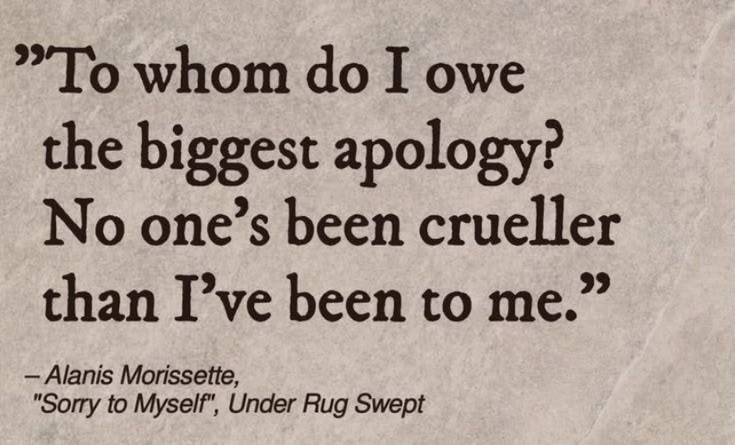
Beating yourself up drains energy and makes it harder to get back on track.
Acknowledge the slip without drama.
Then execute the next scheduled block.
Your workspace affects what you pay attention to.
Cluttered tabs and a messy desk keep putting distractions in front of you.
Keep your environment clear and your goals visible.
What surrounds you can influence what you do by default.
Trying to make up for lost consistency with a massive sprint only sets you back further.
Feel guilty about an off week.
Pull a 14-hour grind day to compensate.
Burn out and crash for 3 days.
Lasting change comes from daily effort over a long period of time.