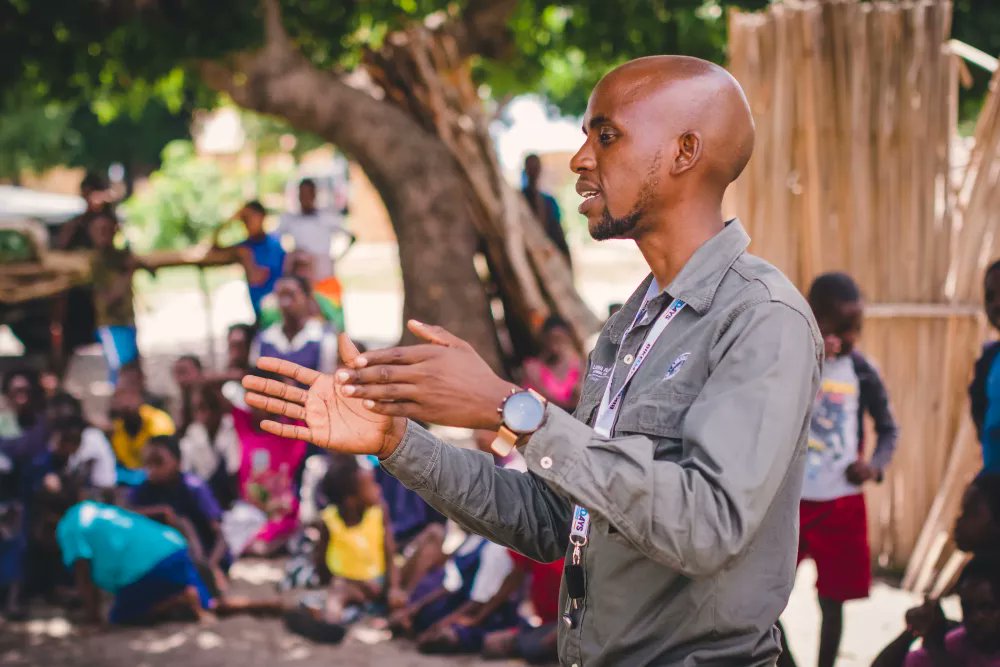
We are a conservation NGO that takes on the long-term management of National Parks in partnership with governments to save wildlife and help local communities
Baskets in. Spears up. It’s fishing season on the Nanzhila.
Every dry season, as the Nanzhila River in Kafue National Park shrinks to a string of pools, families from Chief Shezongo’s area head for the water. Sharptooth catfish gather in the shallows. The women scoop up the smaller fish in conical baskets, while the men wade in with spears for the big ones.
This is a tradition with deep roots: families have held fishing rights to these pools since the park was created in 1950. Today, access is managed through traditional permits, coordinated by the park and the Nanzhila Traditional Fishing Committee.
After a good rainy season, this year’s harvest has been a strong one. 💚
Watch the harvest, then explore more stories of livelihoods that grow with the land via the link in our bio.
A beekeeper. A baker. A farmer. A fisherman.
You've already met Marie Noelle, whose vegetables keep five children in school. Her story is one of many.
Over the coming days, you'll meet more of the people building livelihoods that grow with the land, from the hives of Malawi to a bakery on Bazaruto Island and the waters of Lake Kariba.
Can't wait? Meet them all now: https://t.co/XwoRFfiFkV
#AfricanParks #WorkingLandscapes #Livelihoods #Conservation
Around Garamba National Park in the Democratic Republic of Congo, a network of Farmer Field Schools has certified many farmers in agroecological practices, from raised-bed cultivation and intercropping to soil conservation and a gradual move away from slash-and-burn. Trained farmer-relays then share these methods across their villages.
The results are tangible. Marie Noelle Lafayo Agiko's vegetable profits now send five children to school, and she trains 12 other farmers. Esperance Dedebha has sent six children to school and bought a sewing machine to grow her income further.
Alongside farming:
🐝 Modern hives and demonstration apiaries are professionalising traditional beekeeping
🐟 Collective and family fish ponds help households improve food security and diversify income
👥 362 of the park's 518 national staff, 70%, come from surrounding communities
Discover how these initiatives are helping build a shared future around Garamba.
Read the full story here: https://t.co/XEXZiSD4C1
📷
1 Brent Stirton
2-4 Marcus Westberg
#AfricanParks #Garamba #Conservation #Community #WorkingLandscapes
@IanECox Thanks for the feedback, Ian. We’ll keep this in mind for future posts. Iona National Park is in south-western Angola. You may visit https://t.co/V1G1AwjYqE to learn more about it.
In Iona National Park the park’s future is closely connected to the people who live within it.
Iona is home to many communities, each with their own histories, traditions and connections to the land, and today practical initiatives are helping conservation and community life go hand in hand. At Monte Negro, a community agricultural project leaves an open corridor so livestock and wildlife can keep reaching the Cunene River. A mobile education programme brings lessons to semi-nomadic families wherever they move. Local residents trained as wildlife monitors are helping track Iona’s giraffe.
As tourism grows, plans for community-managed campsites at Cambeno and Tchinungua, and new markets for local craftswomen, offer further opportunities.
“The intention is for such areas to be managed by communities, because the income that will be generated is meant to benefit and be invested in community activities,” explains Victor Agostinho, Iona’s Community Development Manager.
Discover life within Iona: https://t.co/VMJcywacOW
Restoring a landscape takes time, dedication and, above all, partnership. In Matusadona National Park, the return of black rhino marks an important chapter in a much bigger story of recovery, showing what long-term conservation and strong partnerships can achieve.
Lisa Grainger from The Times recently visited Matusadona to experience that recovery first-hand, telling the story of what it means to see black rhino once again roaming this extraordinary landscape.
Read the full article here: https://t.co/t8t6A4iAuO
In Ennedi Natural and Cultural Reserve, education is opening new opportunities for women, children and communities. From supporting girls' education in Archi and building new classrooms, to environmental learning and literacy classes for women, local initiatives are helping people build skills, confidence and stronger connections with their natural heritage. The reserve itself has become an important teaching tool, with schoolchildren learning about biodiversity through environmental education sessions and hands-on visits to the ostrich farm.
Read the story: https://t.co/7a7pDr6qVP
📷
1-3 Marcus Westberg
4 Irene Galera
#Ennedi #Education #CommunityDevelopment #Conservation #Chad #AfricanParks
@LifeGuardians9 Good day. Communities must benefit from protected areas. That's why we prioritise collaborative decision-making and local representation on all park boards or advisory committees to build positive community relationships and support sustainable development projects.
For communities living around Nkhotakota Wildlife Reserve, tackling sleeping sickness starts with awareness, early diagnosis and local action.
The story of Lloyd Banda, from Gwririze Village near the reserve, encapsulates the challenge of sleeping sickness and the search for solutions. Seriously ill but undiagnosed for several months, Lloyd eventually received the treatment he needed.
Today, he is helping raise awareness of the disease in his community and supporting efforts to reduce tsetse fly populations around Gwririze. His story highlights the important role local communities are playing in tackling sleeping sickness.
Read more in our latest blog: https://t.co/bkCPtqV8Pd
#NkhotakotaWildlifeReserve #Malawi #PublicHealth #CommunityDevelopment #SleepingSickness #TsetseFly
At Liuwa Plain National Park in Zambia, 37 conservation clubs are giving young people plenty to talk about, and plenty of ways to say it.
On the plains: Nearly 280 club members from 14 schools visited the park on study tours, identifying wildlife, learning about animal behaviour and seeing first-hand the ecosystem they’ve been studying in class.
On the stage: At the Annual Drama Festival, learners use poetry, music and performance to explore environmental and social issues. In 2025, the theme, “Promoting Human Rights Through Wildlife Conservation,” asked how conservation connects with people’s lives, rights and access to natural resources. Maoma Primary School took home the top prize!
At the podium: Schools including Nationwa and Kalabo Day Secondary have taken part in debates on conservation and community wellbeing, researching different perspectives and building the confidence to make their case.
Behind the scenes: None of this works if learners can’t get to class. Weekly food support at schools including Maoma, Mishulundu, Luola and Libonda is helping hundreds of children attend and focus, while community teachers across 14 schools receive monthly stipends to keep education going in remote areas.
It’s conservation education that goes well beyond the textbook, helping young people think critically about their landscape’s future and feel a real sense of ownership over it.
See how young learners are taking conservation from the classroom to the stage 👉 https://t.co/SoNRtPp16i
📷 Mana Meadows
#ConservationEducation #LiuwaPlain #AfricanParks #Zambia #YouthInConservation #Education
Fully funded scholarships are providing Congolese youth from around Odzala-Kokoua National Park with opportunities to acquire employable skills that will open up sustainable career paths and help to diversify the local economy. Richesse Ewalo, one of the beneficiaries of the programme, explains what it means to him: ““As the son of a farmer, my father did not have the means to offer me a university education. This scholarship is a unique opportunity for us.”
Learn more about the impact of this initiative in our blog: https://t.co/QRaVDcAOs1
#OdzalaKokoua #RepublicOfCongo #VocationalTraining #Skills #Livelihoods #Opportunities #AfricanParks
@LifeGuardians9 One of the most hopeful signs is children turning their concern for the island into action. Through Bazaruto’s nine environmental clubs, they’re leading clean-ups and planting trees, putting into practice the care you hear in that child’s words.
“If the island could speak, she would say: stop cutting my trees, stop fishing my friends, stop polluting my environment – and people, keep doing this, because my environment is important to you.”
Those words belong to a child on Bazaruto Island. And they are not unusual here.
Through 9 environmental clubs across the archipelago, children are already leading clean-ups, planting trees and learning to conserve the ocean their families depend on. With 80% of islanders living from fishing, the ocean isn’t a backdrop; it’s a lifeline.
“Who knows – these children could be the next conservationists.” – Marcela Vicente Sitoe, Environmental Education Coordinator, Bazaruto Archipelago National Park
#BazarutoArchipelago #AfricanParks #Mozambique #EnvironmentalEducation #OceanConservation #MarineConservation #CommunityConservation #YouthForNature
Along Iona National Park’s Atlantic coastline in Angola, cold, nutrient-rich water rises from the depths, sustaining fish, seabirds and seals. At the southern boundary, the Cunene River meets the ocean, creating a wetland rich in life.
And the connection doesn't end at the shoreline. What the ocean washes ashore feeds jackals, brown hyaenas and thousands of ghost crabs, carrying the benefits of this extraordinary marine system into the Namib Desert.
Discover how the Atlantic sustains life in one of the driest landscapes on Earth.
Read The Ocean That Feeds the Desert via the link in our bio.
#IonaNationalPark #Angola #BenguelaCurrent #CuneneRiver #Namib #AfricanParks #MarineConservation #Upwelling
Following an invitation from Gabon’s National Parks Agency (@Parcs_Gabon), African Parks has partnered with the Government of Gabon, signing a Priority Support Plan (PSP) for Moukalaba-Doudou National Park and Wonga-Wongué Presidential Reserve. This initial phase of support marks our first formal partnership in Gabon.
These two protected areas lie where Africa’s equatorial rainforests meet the Atlantic Ocean. They are home to forest elephant, western lowland gorilla, chimpanzee, mandrill, manatee, sea turtle and much more.
This first phase will focus on the partners working together to understand both landscapes and what they need for the long term. Communities living around the protected areas will be central to this work, guided by consultation and strong social safeguards. It will also lay the foundations for a possible longer-term management partnership.
“Gabon has an extraordinary natural heritage and a strong commitment to conserving it… We are honoured by the trust placed in African Parks and look forward to the work ahead.”
Peter Fearnhead, CEO, African Parks
Our thanks to Gabonese conservation leaders, government institutions and supporters, and to Edith McBean, the Rob Walton Foundation and other donors whose early support made this possible.
Read the announcement: https://t.co/nixXxyVAIa
#Gabon #Conservation #AfricanParks #ProtectedAreas #Biodiversity
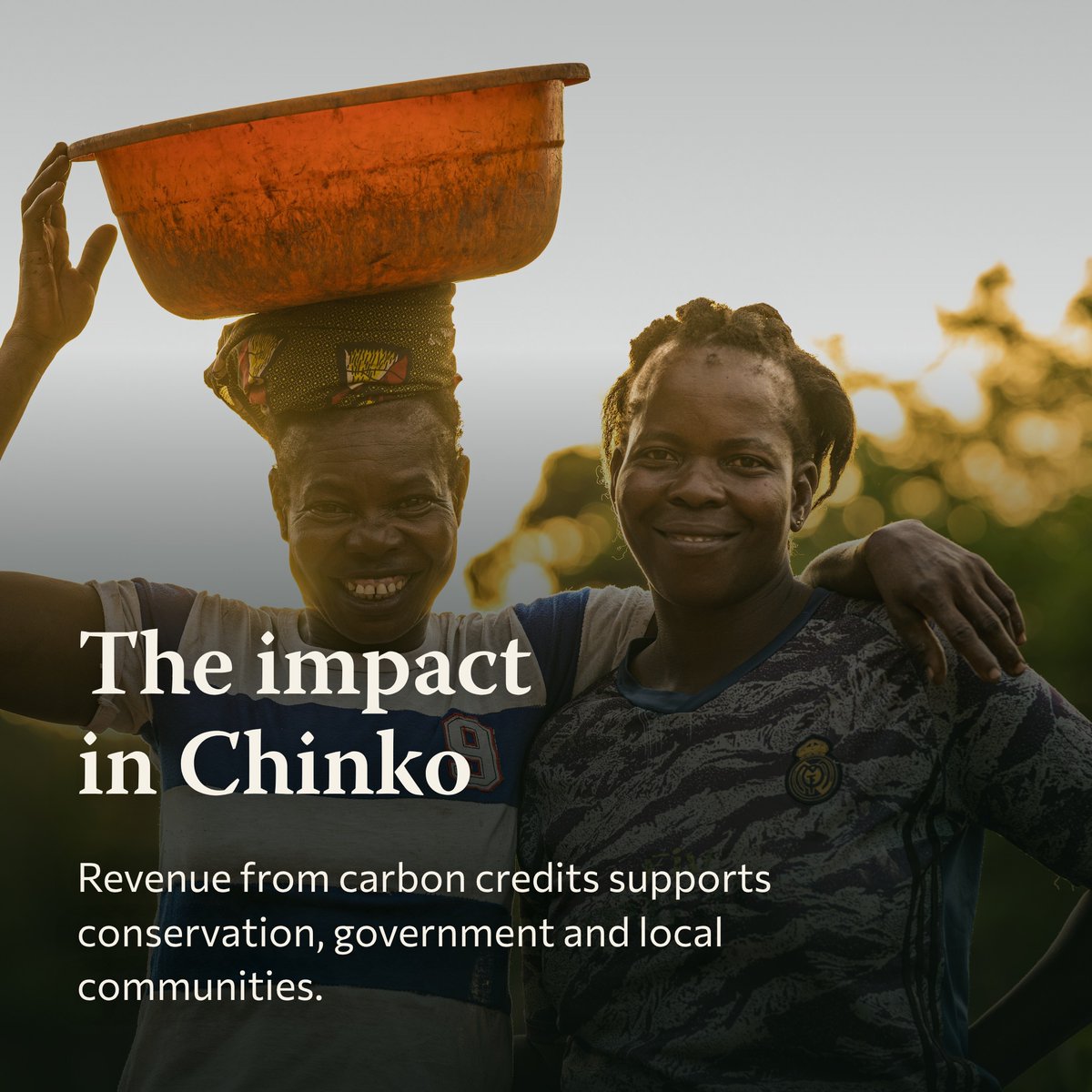
“When we first heard about carbon credits, the idea seemed quite far-fetched… but today, it is becoming a reality.” Marcel Kogoro, Mayor of Rafaï
In Agoumar, that reality includes a medical centre extension. Residents identified the need for more space to care for a growing population, and the Chinko Community Fund financed the project using revenue from carbon credit sales.
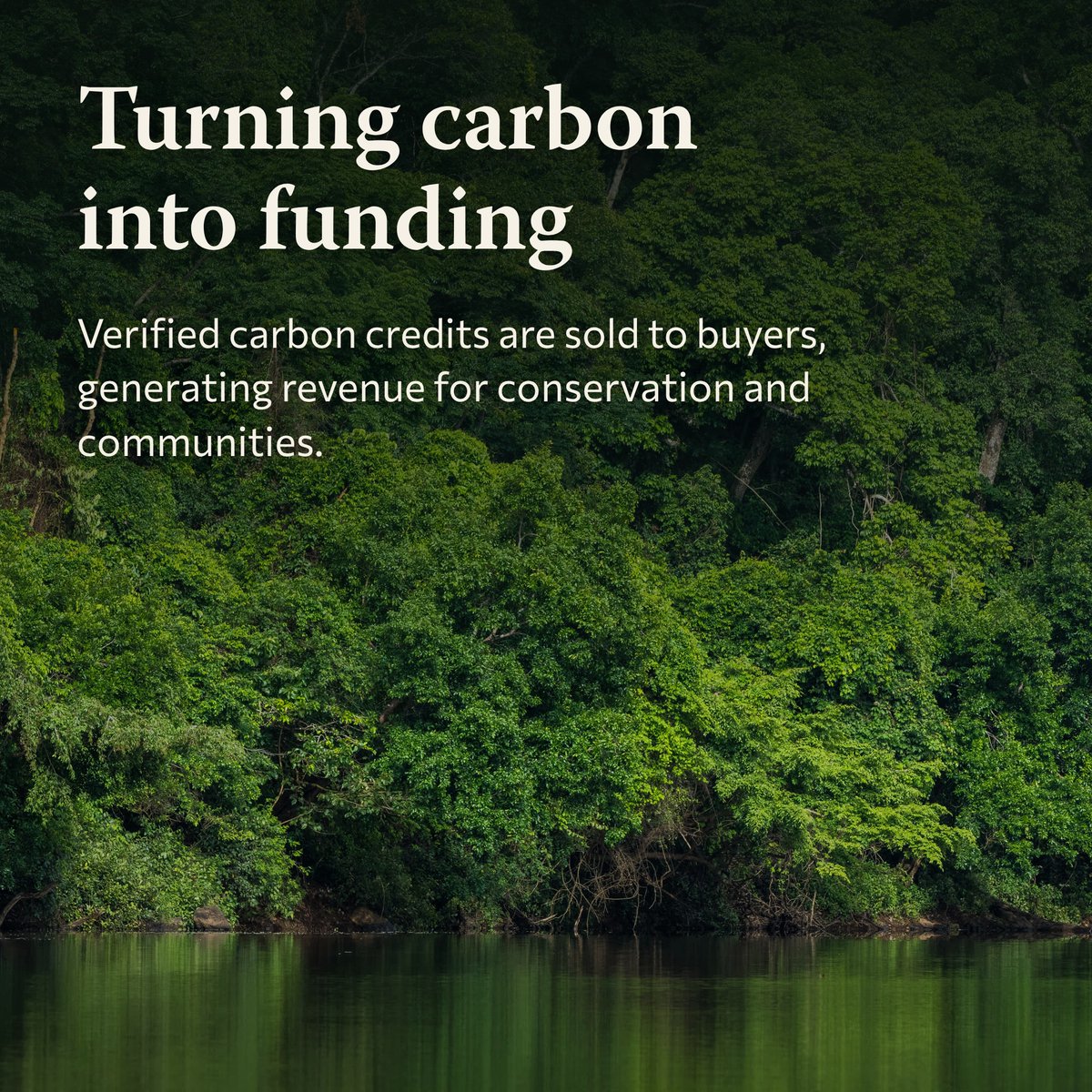
Revenue contributes to landscape management, conservation, government and communities. Local committees decide how the community share is used, with projects ranging from the medical centre extension to teachers’ salaries.
This is where carbon finance becomes tangible: a verified climate benefit generates revenue, and communities put their share towards priorities they have chosen.
Find out more here: https://t.co/1ALfLx7Gdo
#Chinko #NatureFinance #CarbonCredits #AfricanParks
Once known to many local residents only through ancient rock art, red-necked ostriches are running across Ennedi’s plains again.
Five years after the first 11 birds were released, the reserve is now home to more than 100 red-necked ostriches and counting.
The reintroduction brought together two parks in Chad, with chicks from Zakouma National Park raised and prepared for release into Ennedi. It was made possible through collaboration between the Government of Chad, Sahara Conservation, African Parks and local communities.
Today, community eco-monitors and nest guardians work alongside reserve teams to report sightings and monitor nests, drawing on their knowledge of the landscape to support the growing population. Their work continues as the birds become established, an important step in Ennedi’s ongoing ecological restoration.
Read the full story: https://t.co/zTnVCLEgJX
#Ennedi #RedNeckedOstrich #AfricanParks #Chad