The first step in adapting to climate change is building a growth mindset.
Adaptive Grazing Management is a growth mindset approach to help rangeland managers assess conditions, set goals, and evaluate practices. 🌾
From @morgancoyrolaw:
https://t.co/huqmLKWr52
Rangeland managers! There is still time to register for the upcoming StockSmart Workshop Series – Using Big Data to Inform Stocking Rate Calculations
🗓️ Webinars will be held 11/6, 11/13, 12/2, and 12/11
🎟️ Info and Registration: https://t.co/Wv1CFOKK7r
How can we talk about a future under climate change in a more concrete way? Researchers are using the climate analog concept to pair specialty crop Extension professionals between analogs and foster conversation to further climate resilience.
Learn more:
https://t.co/tcYLhuteqC
📢Just over three weeks left to apply to the 2025 cohort of the Climate Analogs Academy!
The Academy, led by @wsuCSANR, pairs specialty crop Extension professionals to strengthen networks & build strategies for adapting to climate challenges 🌦️
Learn more: https://t.co/dHHC96U3QY
🌿 Rangeland managers looking for ways to incorporate data-based management- join us for a virtual series of 4 workshops on StockSmart, hosted by WSU and UA, featuring experts from the USDA Forest Service and US Geological Survey.
REGISTER: https://t.co/Wv1CFOKK7r
State agencies are working to halt fuel surcharges to ag producers from the WA Climate Commitment Act- read on to learn more and how to apply for payments for fuel surcharges collected from ag producers and transporters ⬇️
https://t.co/mfqoXQZqCG
#Opportunity: #postdocjobs with NW Climate Hub & @wsucahnrs to help with research & summarize science on NW ag climate-smart practices. PhD in soil science, agronomy, or related field & experience with carbon modeling required.
WSU’s Department of Biological Systems Engineering is hiring a post-doctoral scholar to work on research and extension related to climate smart agricultural practices in the Pacific Northwest! Please see details of the job posting at
https://t.co/61AugX71Fm.
Talking about climate change can feel bleak — especially in dealing with an uncertain future. Is there a better way? Read more in today's blog from @chadekruger on the why behind an analogs approach to dialogue — and the Academy as a result⬇️⬇️ https://t.co/52A0REDvzJ
Farmers and ranchers in Northeastern WA- you are invited to Lazy R Ranch for community-building & hands-on learning at the Farming and Ranching in Fire Country workshop!
📌 Lazy R Ranch, Cheney, WA
📆Saturday, October 12, 2024, 9am-3pm
FREE registration:
https://t.co/LInWnO0whO
📢Just over three weeks left to apply to the 2025 cohort of the Climate Analogs Academy!
The Academy, led by @wsuCSANR, pairs specialty crop Extension professionals to strengthen networks & build strategies for adapting to climate challenges 🌦️
Learn more: https://t.co/dHHC96U3QY
We love seeing this dialogue-based approach to climate change resilience! Make sure to apply by October 18th for the second and final year of the Climate Analogs Academy
Are you ready to lead climate change resilience for specialty crops in your region? Join us in the second and final year of the Climate Analogs Academy!
📆Recruitment for the 2025 cohort is NOW OPEN until October 18th
Application & info: https://t.co/haLRkhMlFI
🌿🐄Rangeland managers- have you heard about StockSmart?
🎧 Listen to the latest Art of Range podcast episode where tool developers Sonia A. Hall, @TipHudson, & Matt Reeves dive into how StockSmart can support sustainable grazing under a changing climate
https://t.co/j401HP1EwD
Introducing StockSmart — a new tool developed by researchers from WSU, University of Arizona, and the US Forest Service that helps ranchers and rangeland managers make informed decisions about grazing.
@WSUExtension@forestservice@UAZCoopExt
https://t.co/wIoQpECwj6
Discover how Washington State University researchers are using biochar as a powerful tool for reducing emissions at commercial compost facilities.
@wsucahnrs@USBiochar
https://t.co/3mazALJtPC
In The Dalles, Oregon, dryland wheat farmers are utilizing innovative no-till farming practices that boost climate resilience and benefit the local ecosystem in a multitude of ways.
@USDAClimateHubs
https://t.co/3ouygg05qH
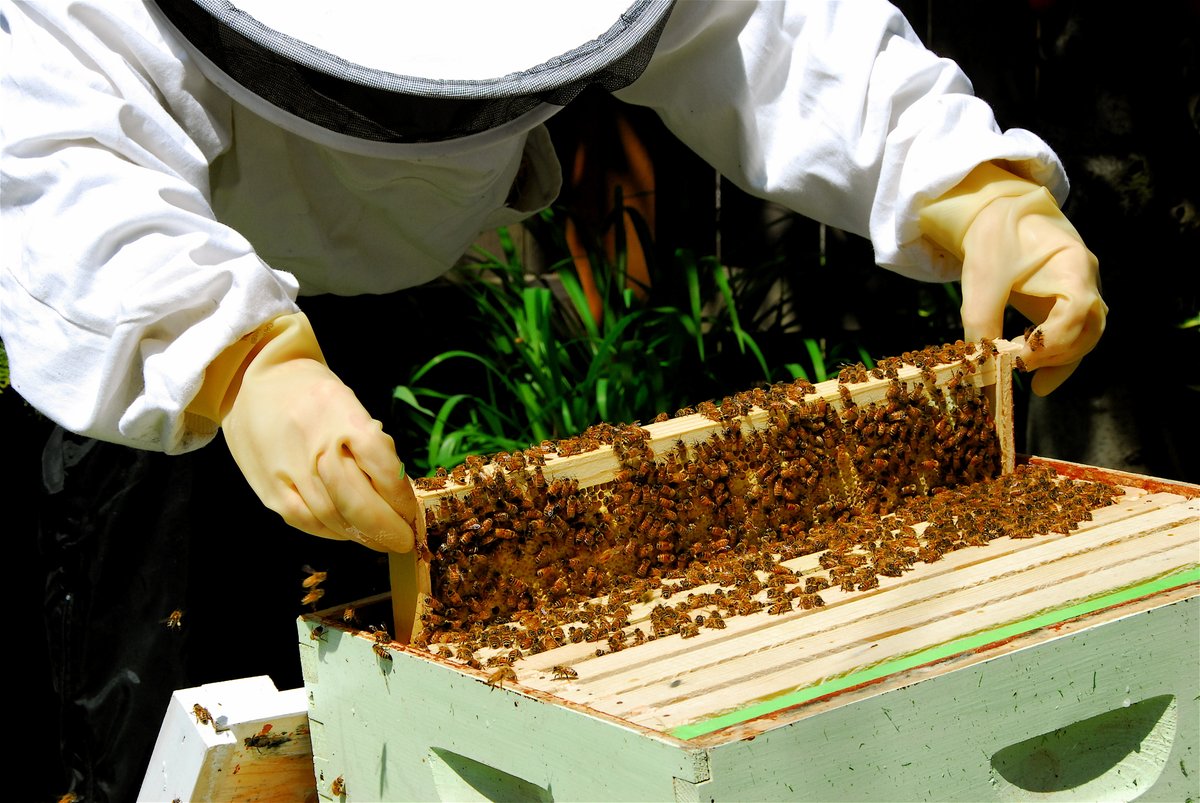
Honeybees are essential pollinators, but climate change threatens their productivity and survival. Learn how warming winters and other climate impacts are putting our honeybees at risk, and what can be done to protect them.
https://t.co/rpyJU37LfR
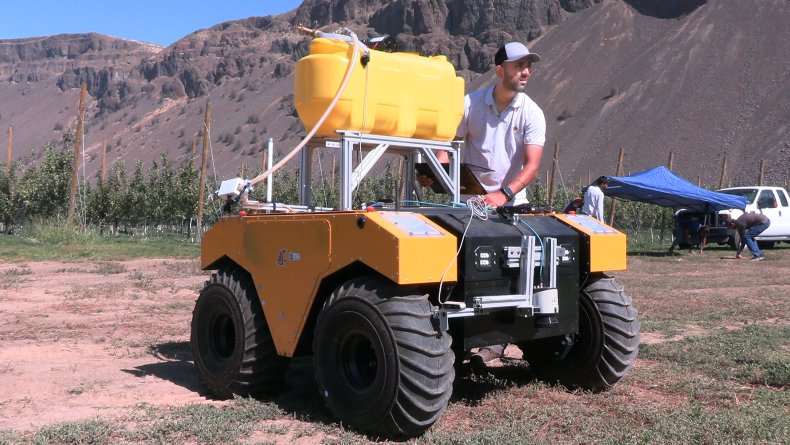
#artificiallyinteligence holds promise for helping ag manage extreme weather, increase production, and reduce greenhouse gases. Realizing this potential depends on overcoming barriers such as transparency issues, data integrity concerns.
https://t.co/RNdSGh47bP
@AgAID_Institute
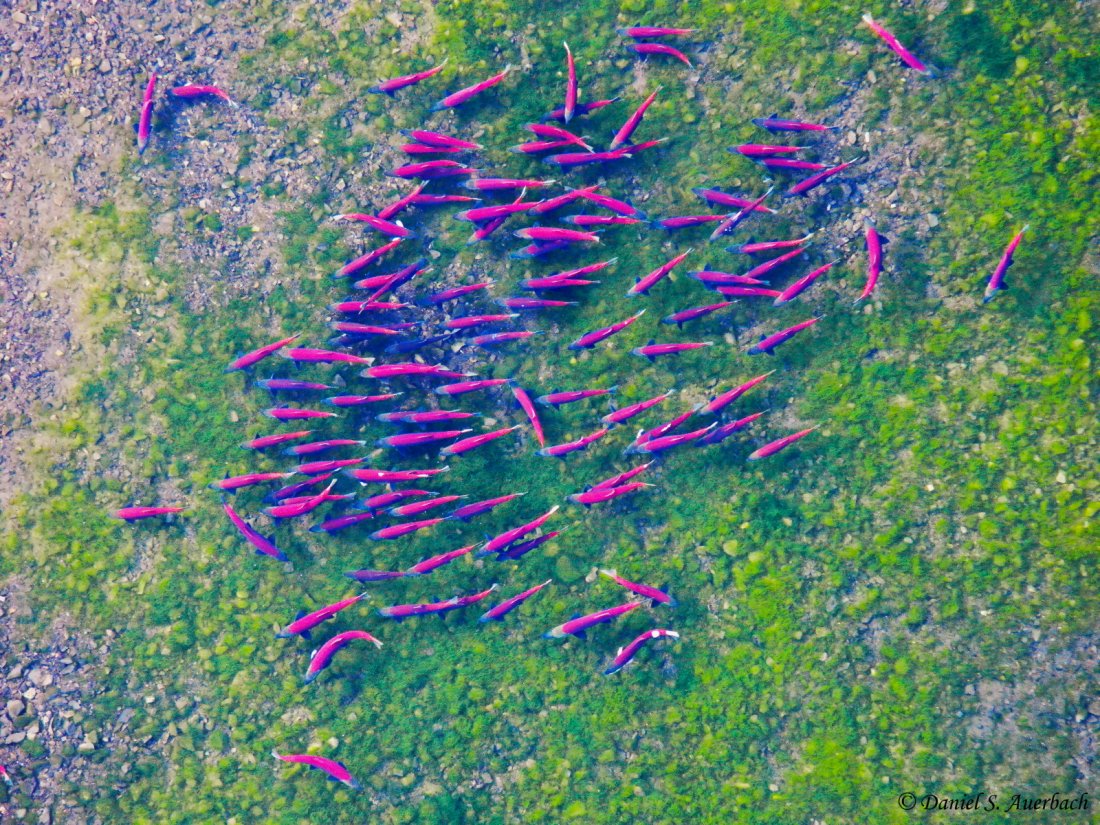
recent study explores #climate impacts on streamflow patterns and #salmon populations across the #pnw including the challenges of lower summer flows, increased flooding, and adaptive water policies that may help to mitigate such impacts.
https://t.co/iNma8S4IGf
@EcologyWA