To kick things off I thought I'd list the type of stuff you'll see here:
Updates from my research in agroecological systems
Articles on agriculture, social justice, and science education
Random stuff I like: Plants, sports, hiking, science fiction/fantasy novels, games, my cats
A weed without seeds at harvest is a lost cause for harvest weed seed control!
That’s why a 14-state GROW research team spent 2 years observing weed seed shatter & retention on common grassy & broadleaf weeds at soybean harvest.
See the results here: https://t.co/FgjswSoFi5
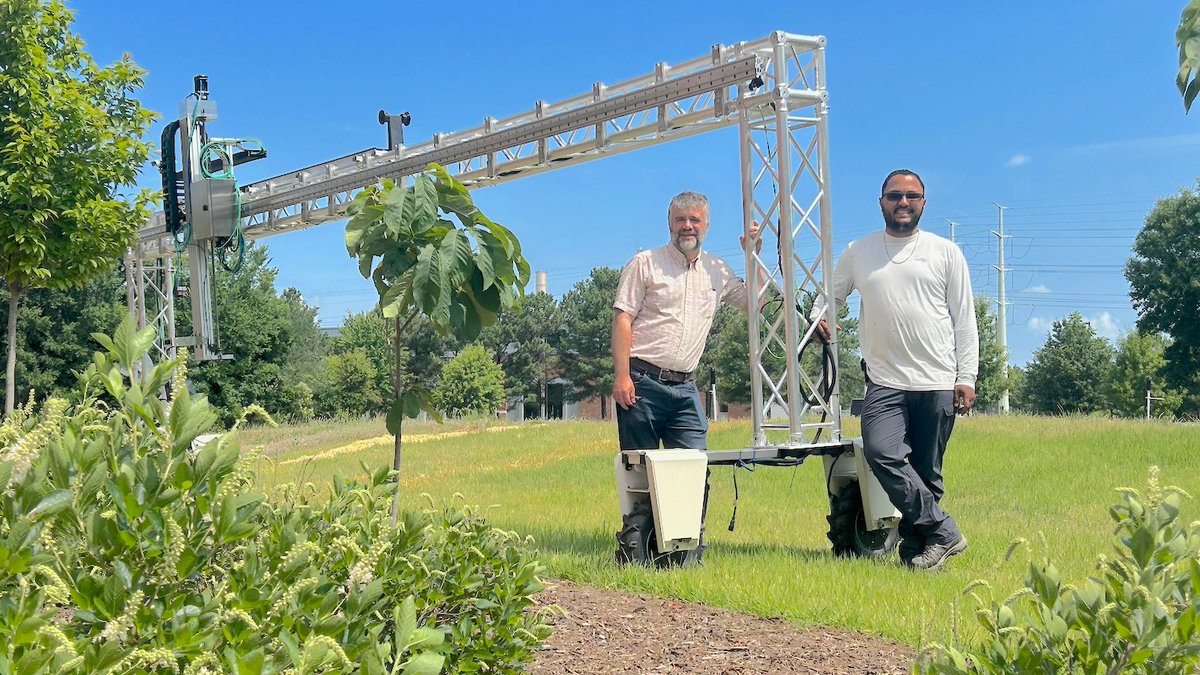
We’re harnessing the power of camera technology, data collection, a supercomputer, and AI to help farmers make real-time, data-driven decisions about when and where to harvest, spray for weeds or insects, fertilize, and more. https://t.co/oFkczpBz2a
I got lazier about taking pictures as the day went on, but Day 1 wrapped up with dinner at the Round Top Public House, looking out over the Palouse into Idaho. It was a much better view than this picture provides, but this hopefully gives you a good idea. More on Day 2 soon!
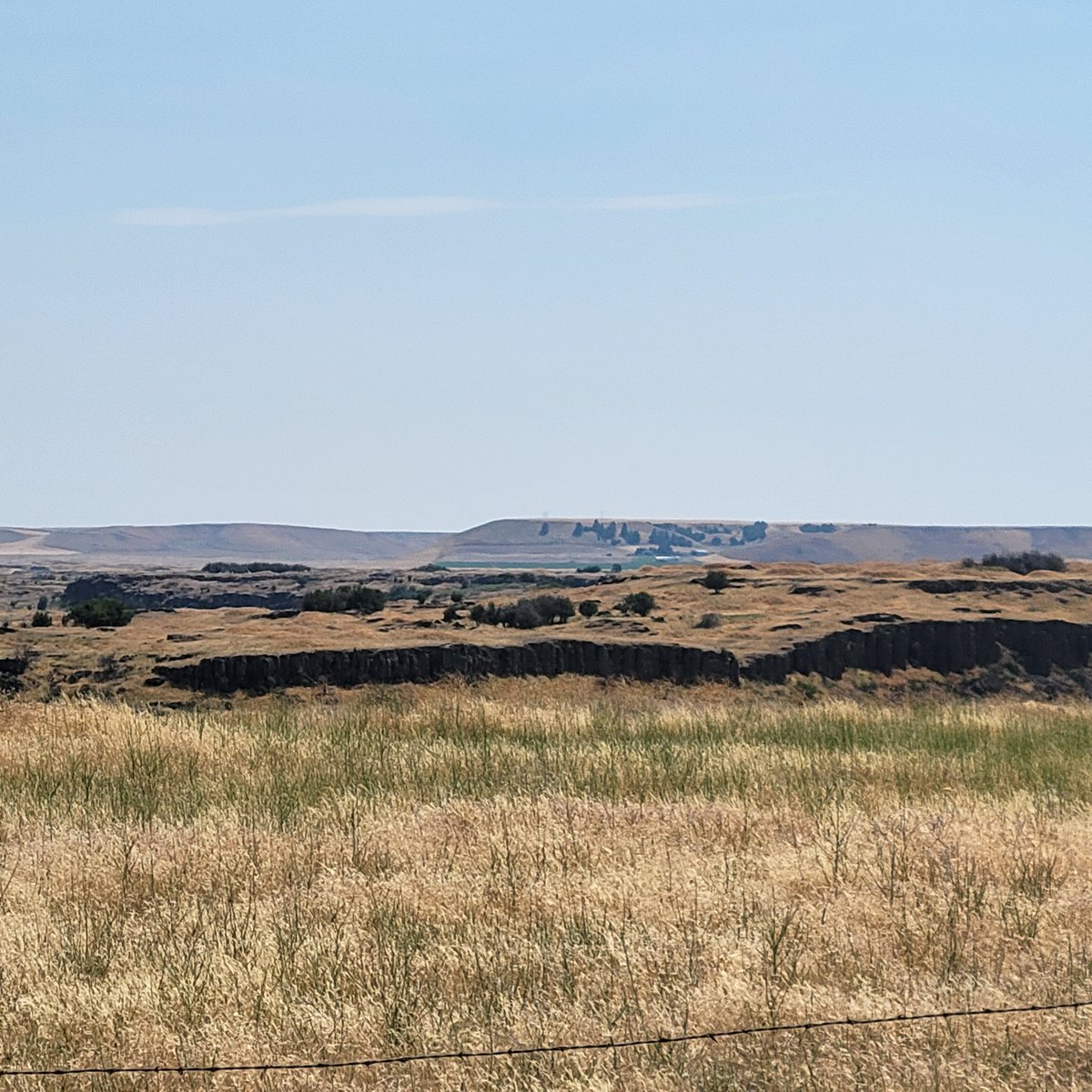
After lunch Dr. Burke took us on a scenic tour of the Scablands and Palouse while on our way to Pullman to see some on-farm harvest weed seed control innovations. Had a bit of vehicle trouble, but that just meant we had more time to take pictures and look at weeds.
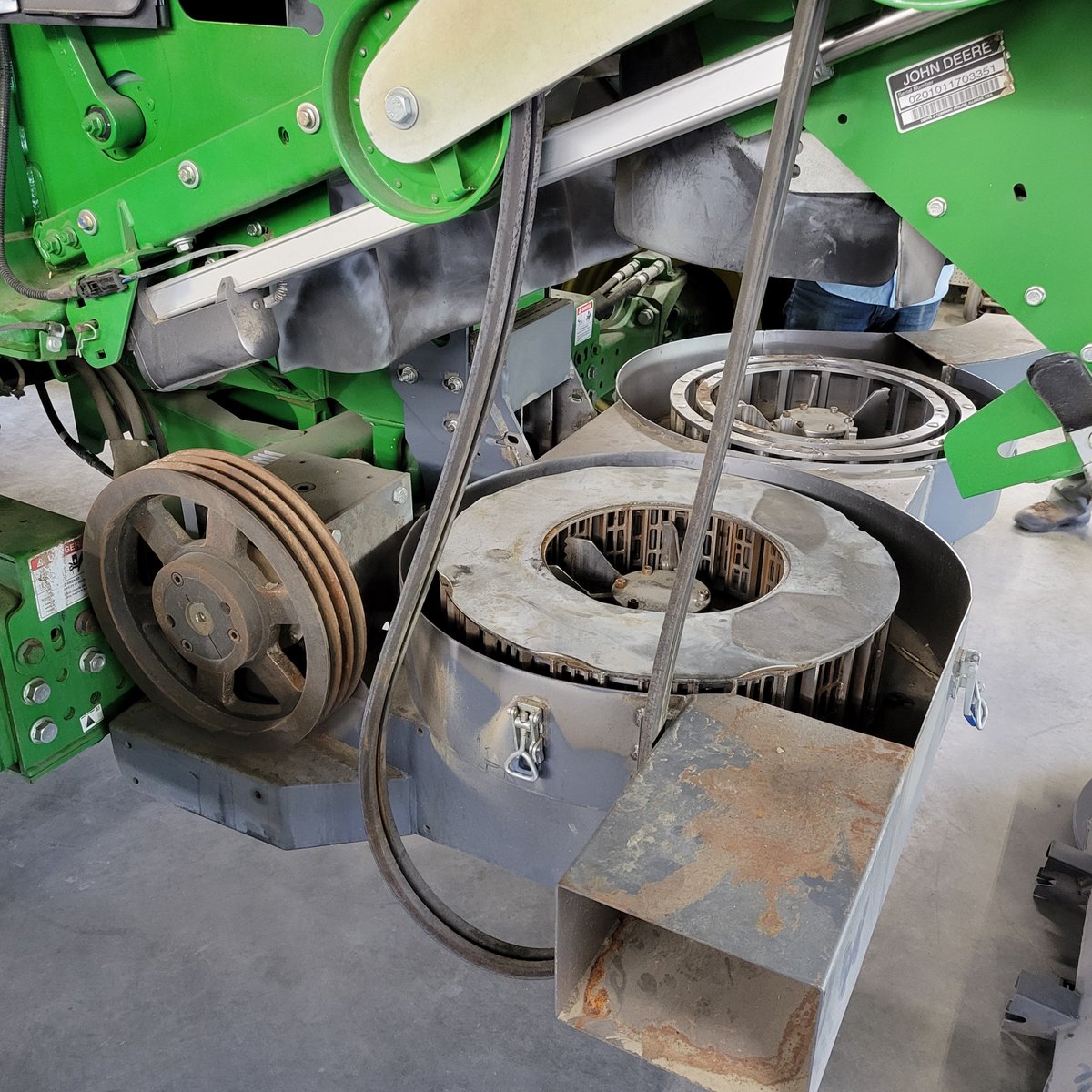
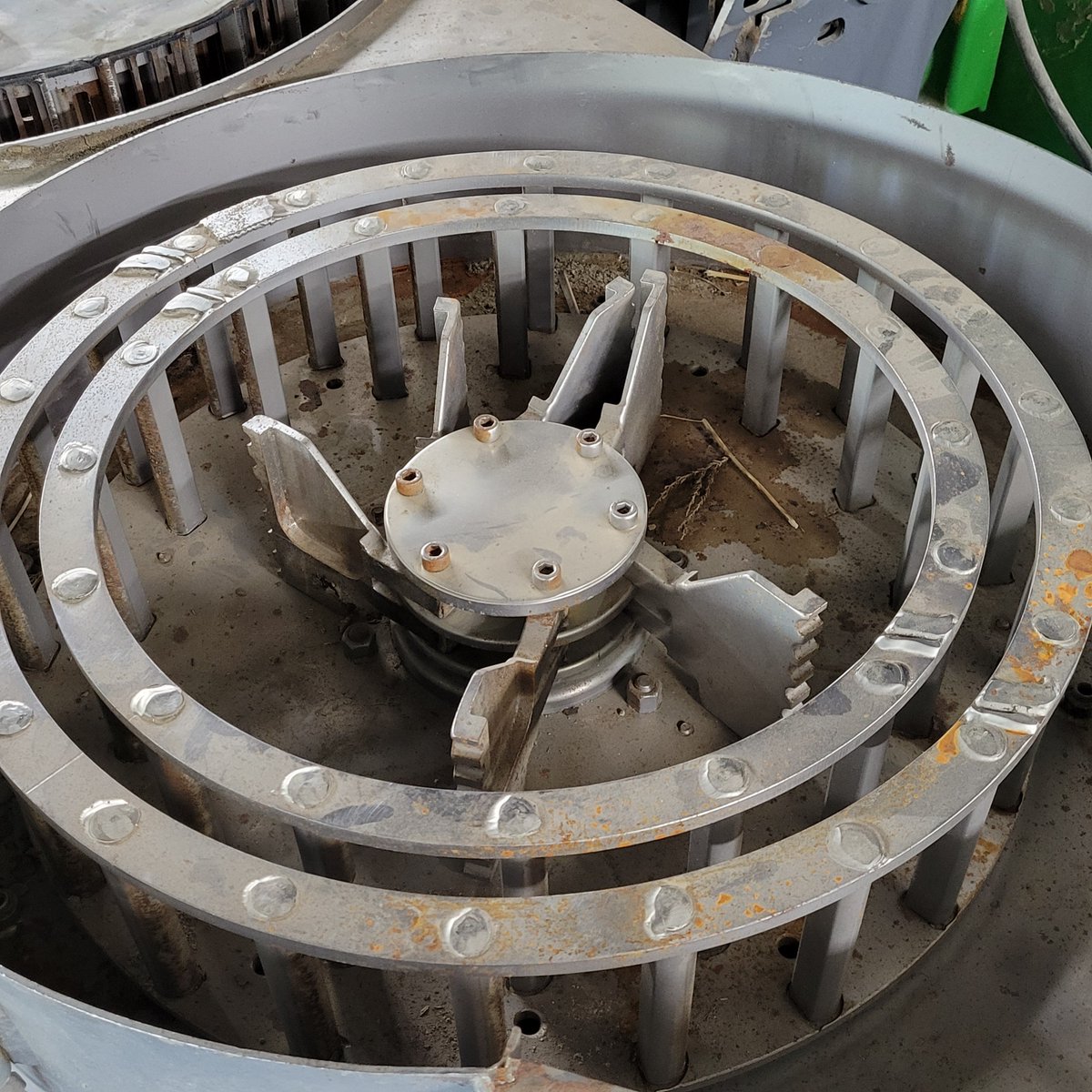
At the on-farm site we saw the insides of a Seed Terminator impact mill and heard from the operators how adopting this technology for long-term weed seedbank management has led to a number of other changes to their crop production and harvesting systems.
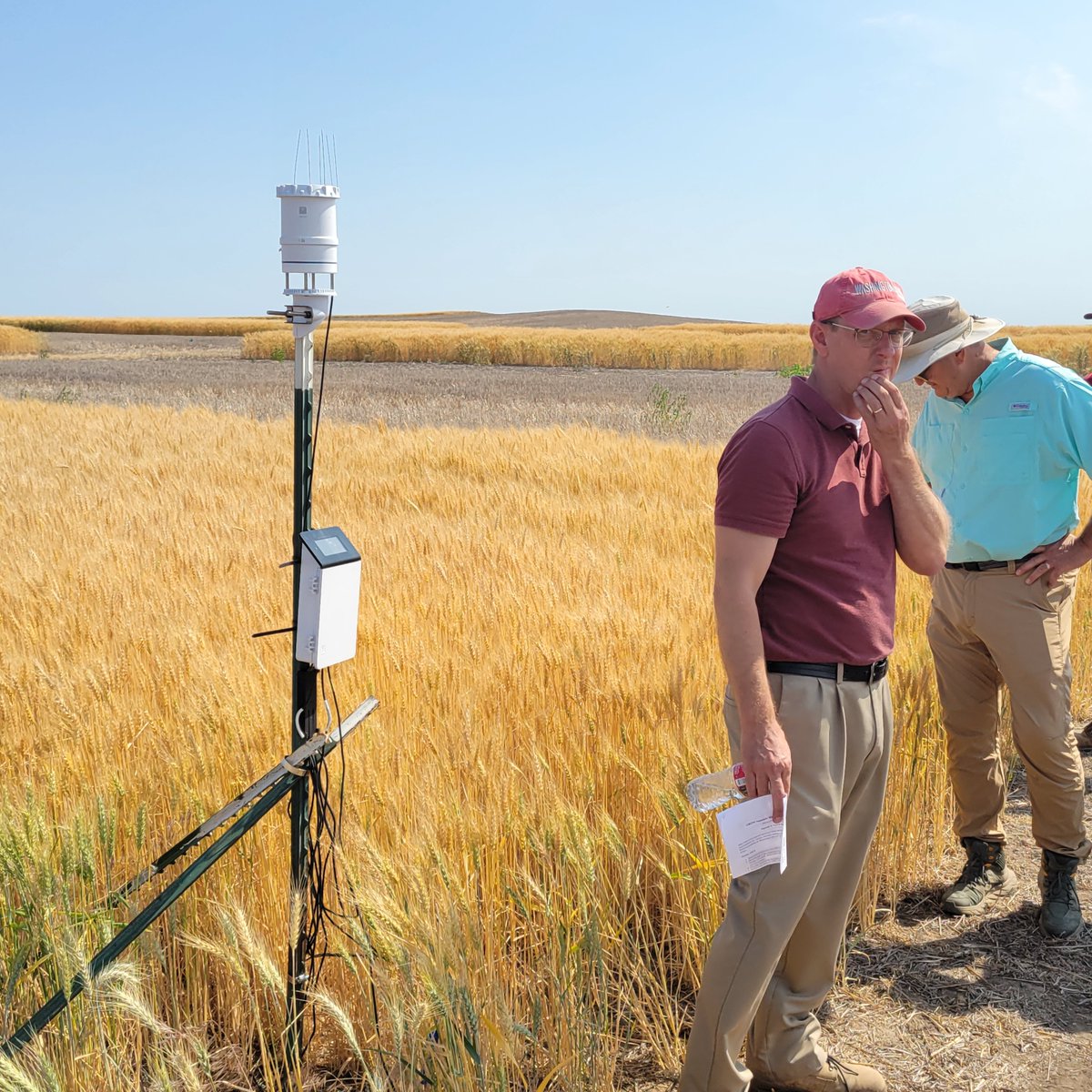
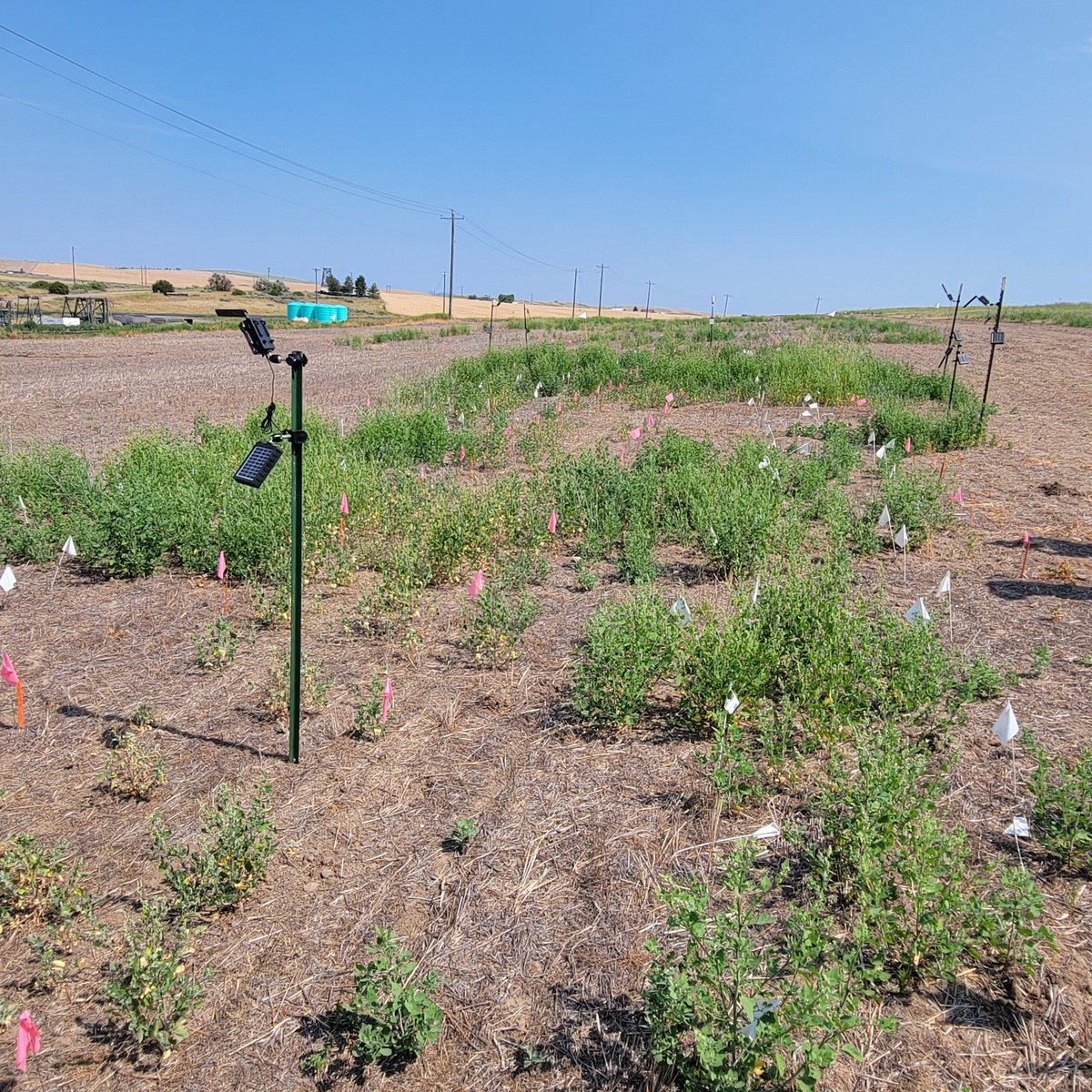
Also at the Wilke Farm we saw trials using food compost for nutrient recycling, examining the viability of cover crops in such a dry system, and automated monitoring of weed seedling emergence with the goal of developing emergence models to inform management decisions.
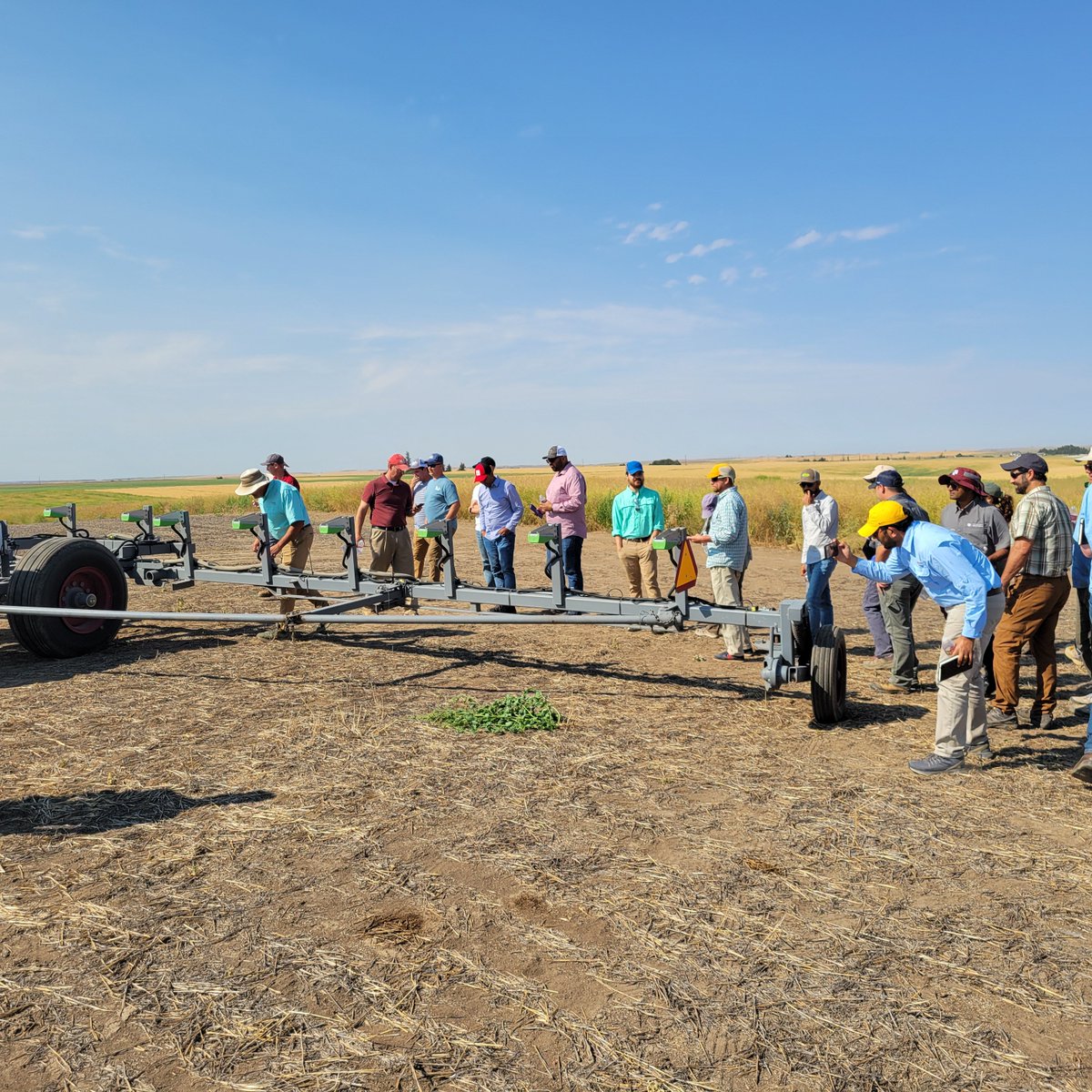
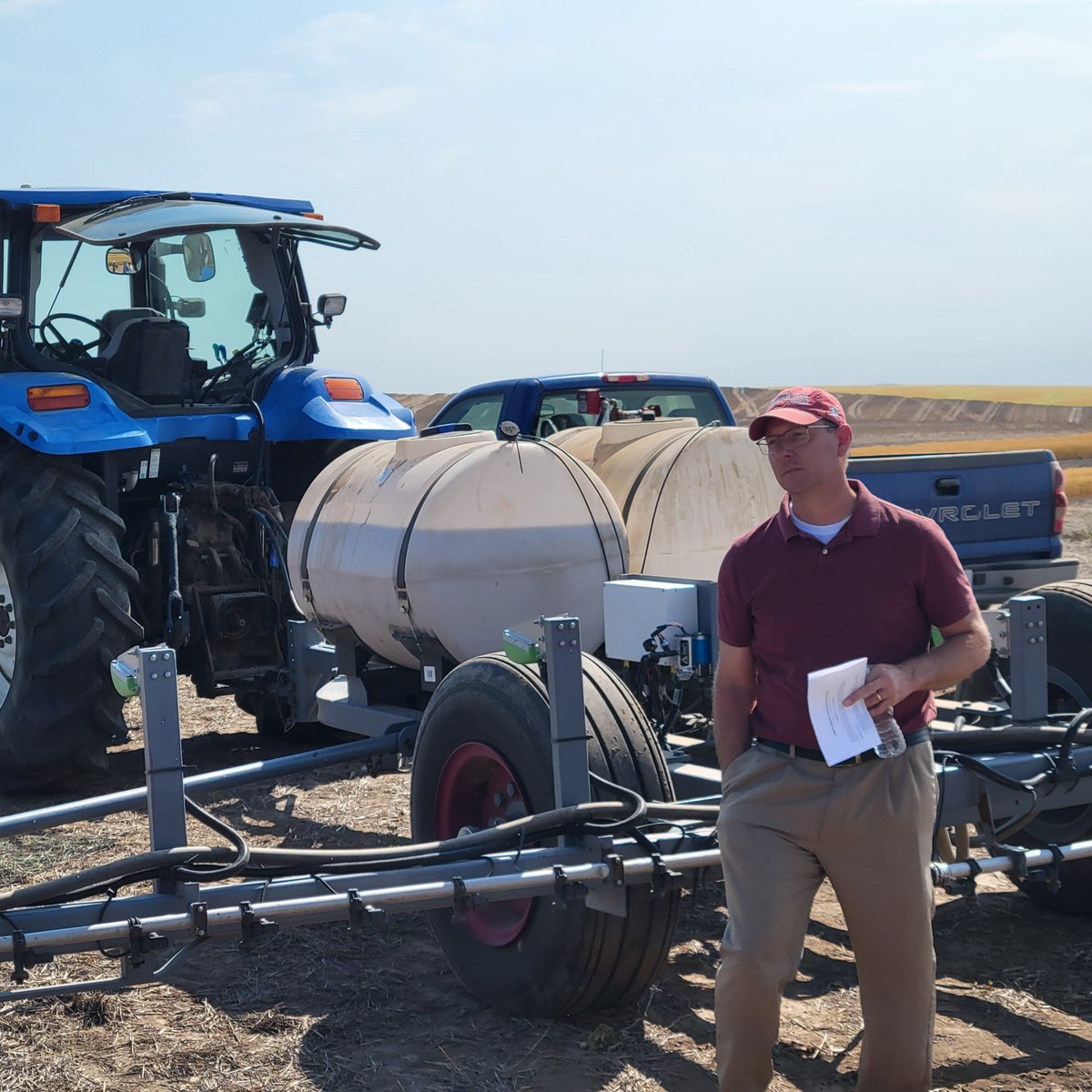
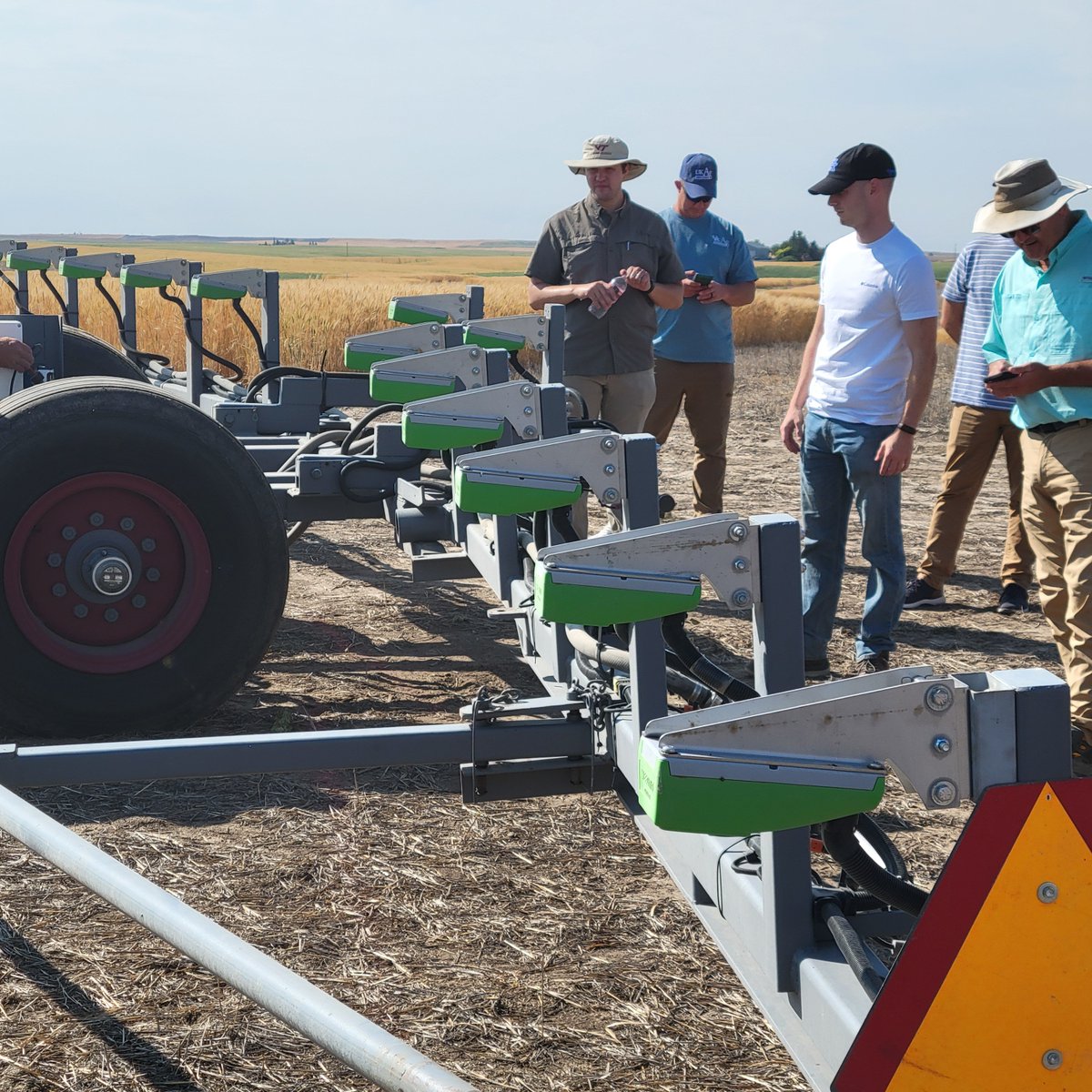
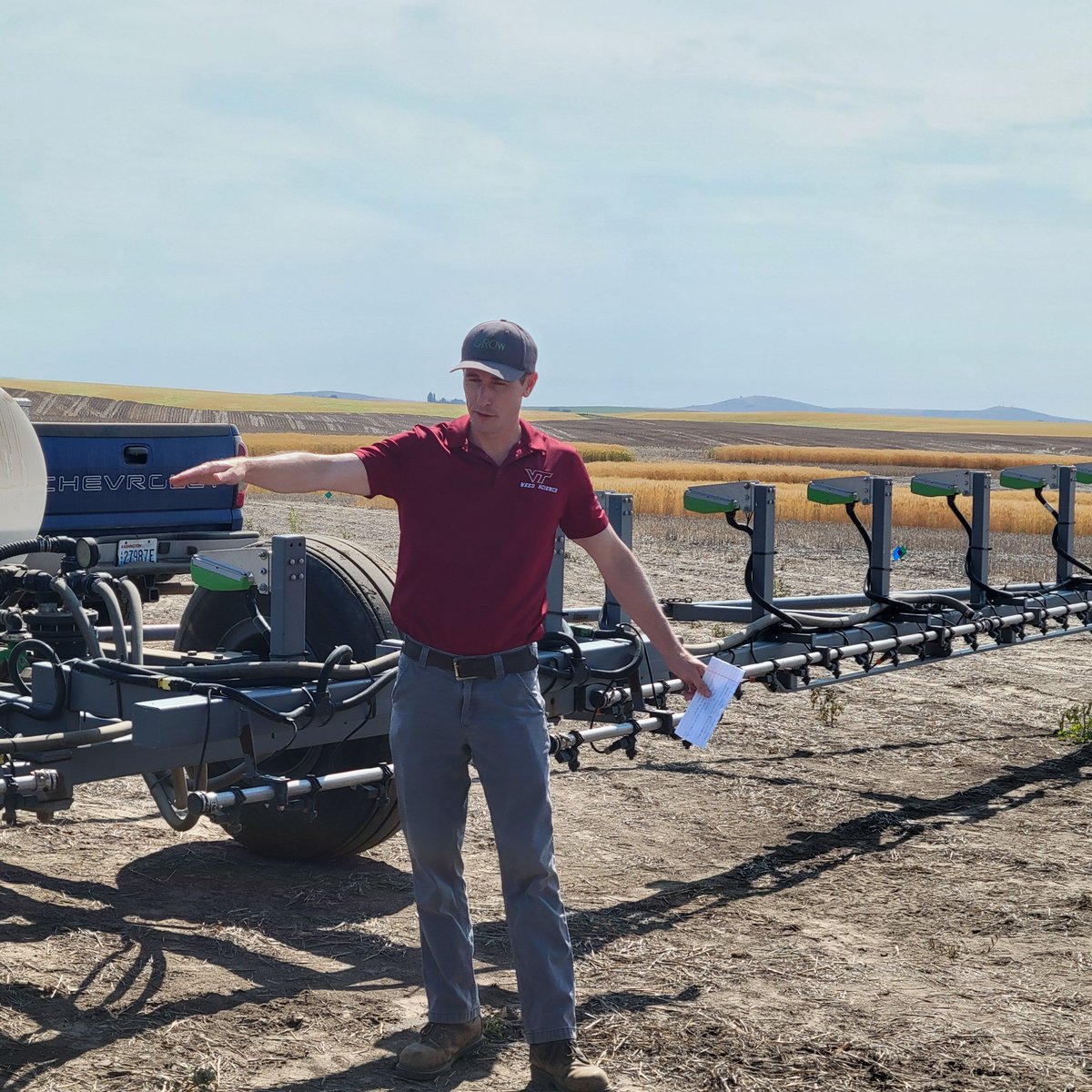
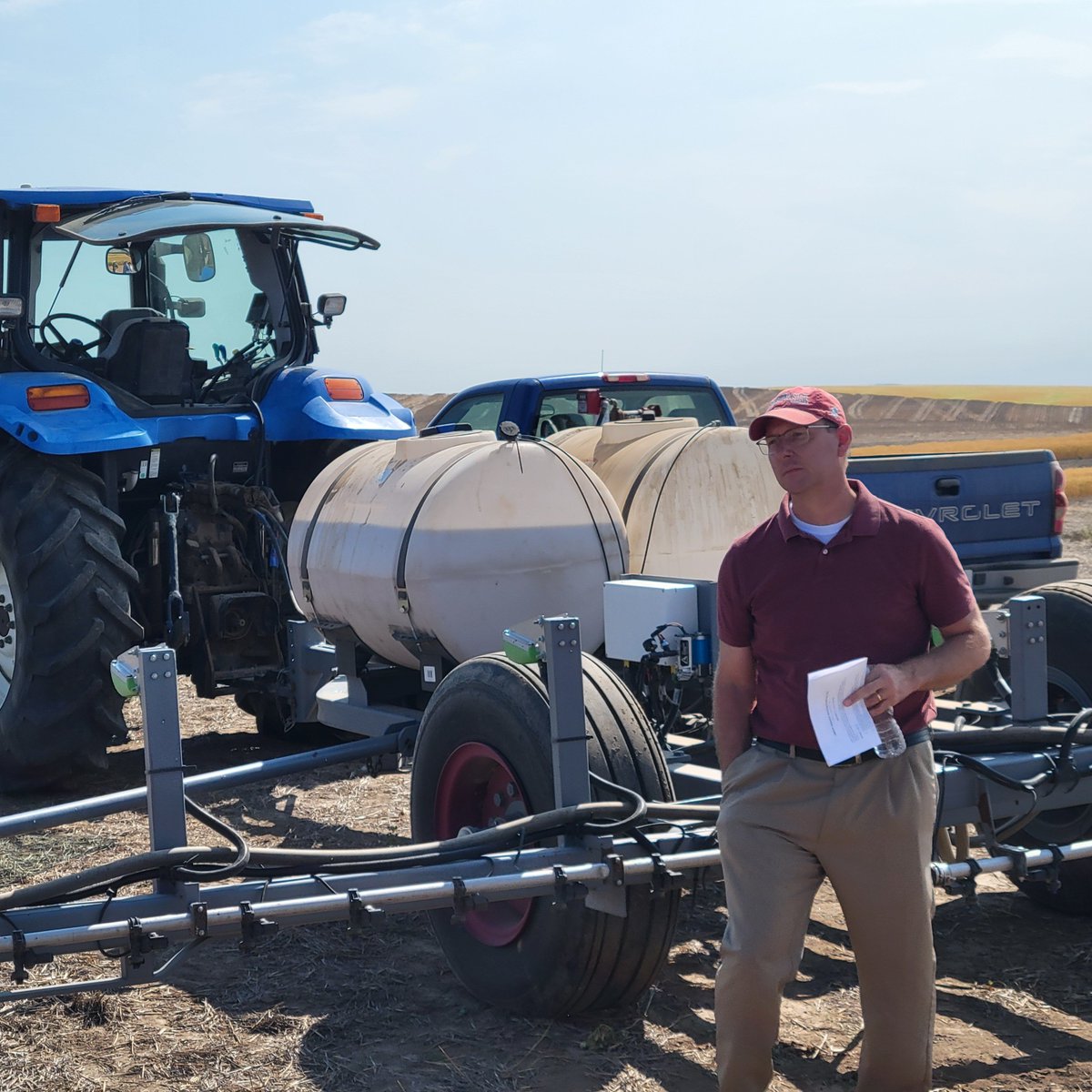
Then we got out in the field to see a demonstration of the WeedIt green-on-brown smart sprayer system that is widely used for chem fallow management between wheat crops. Apparently this system pays for itself with herbicide savings in just a few years for average size farms here.
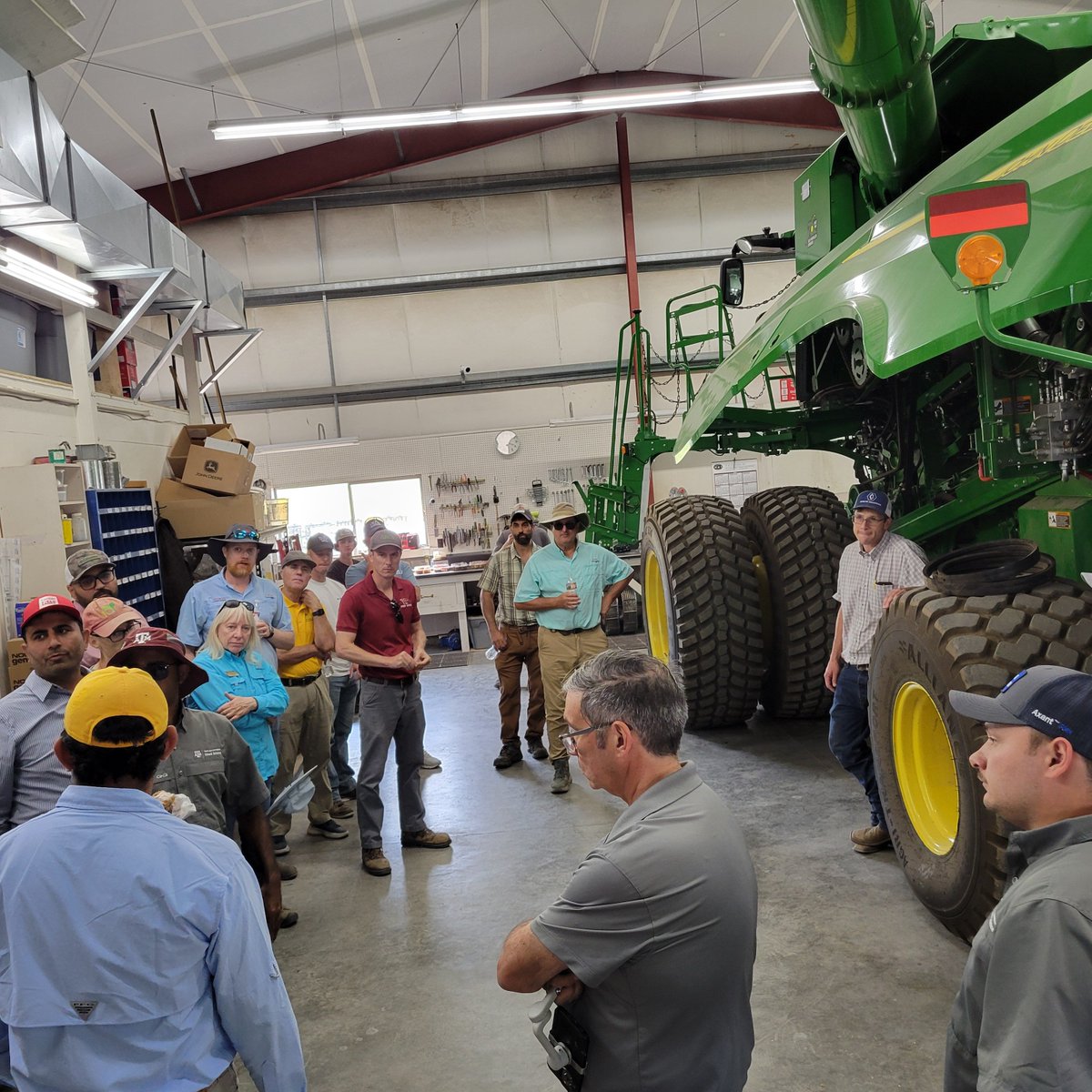
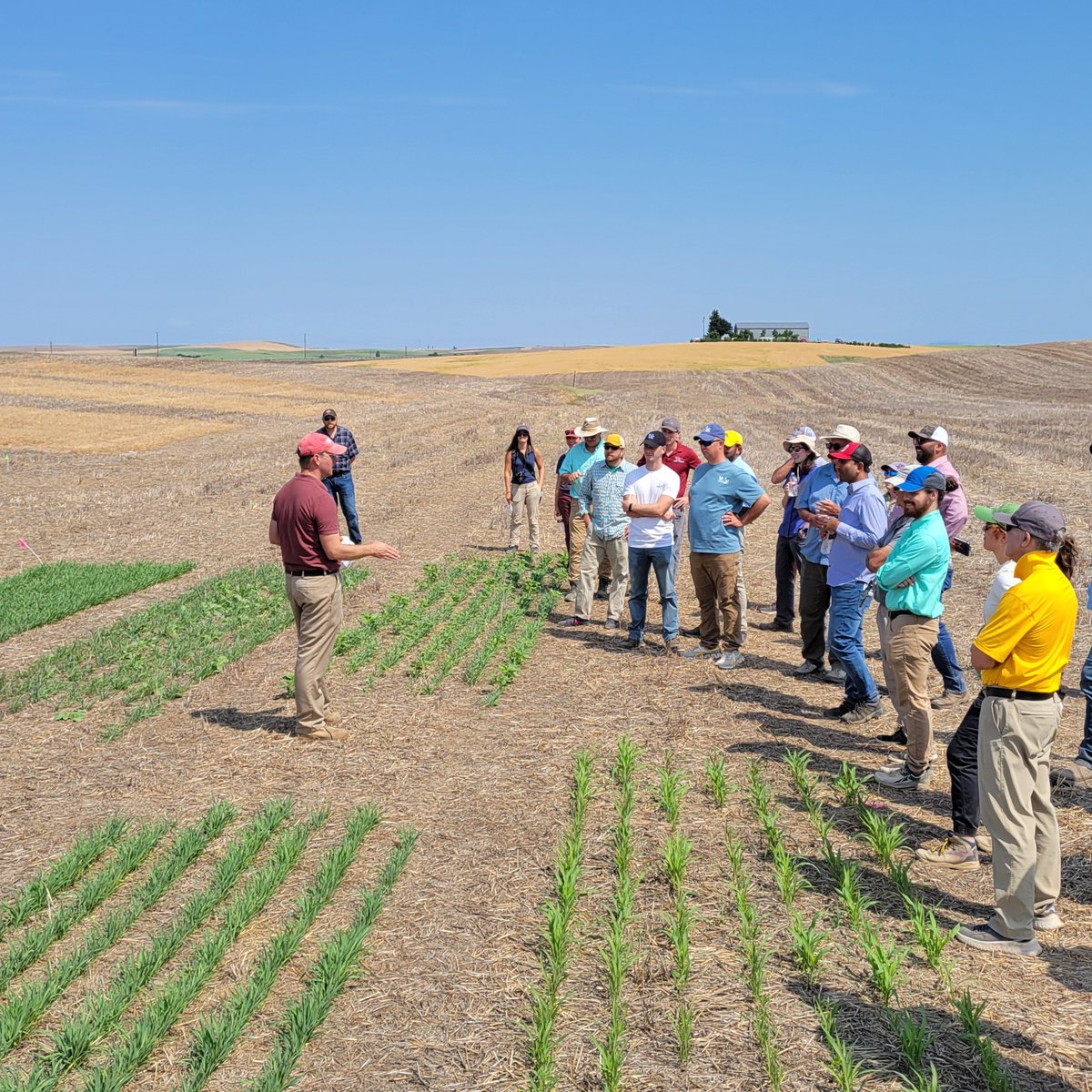
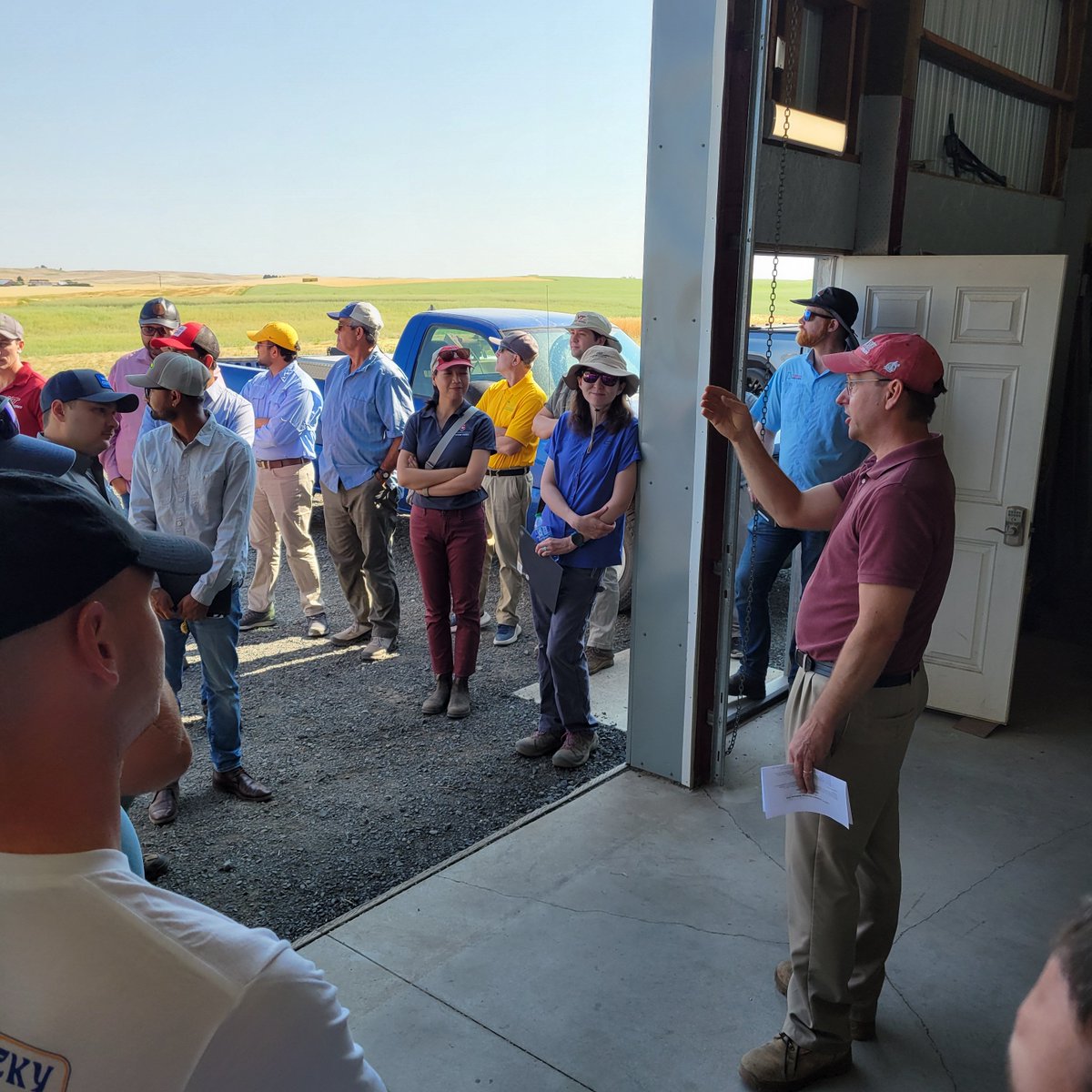
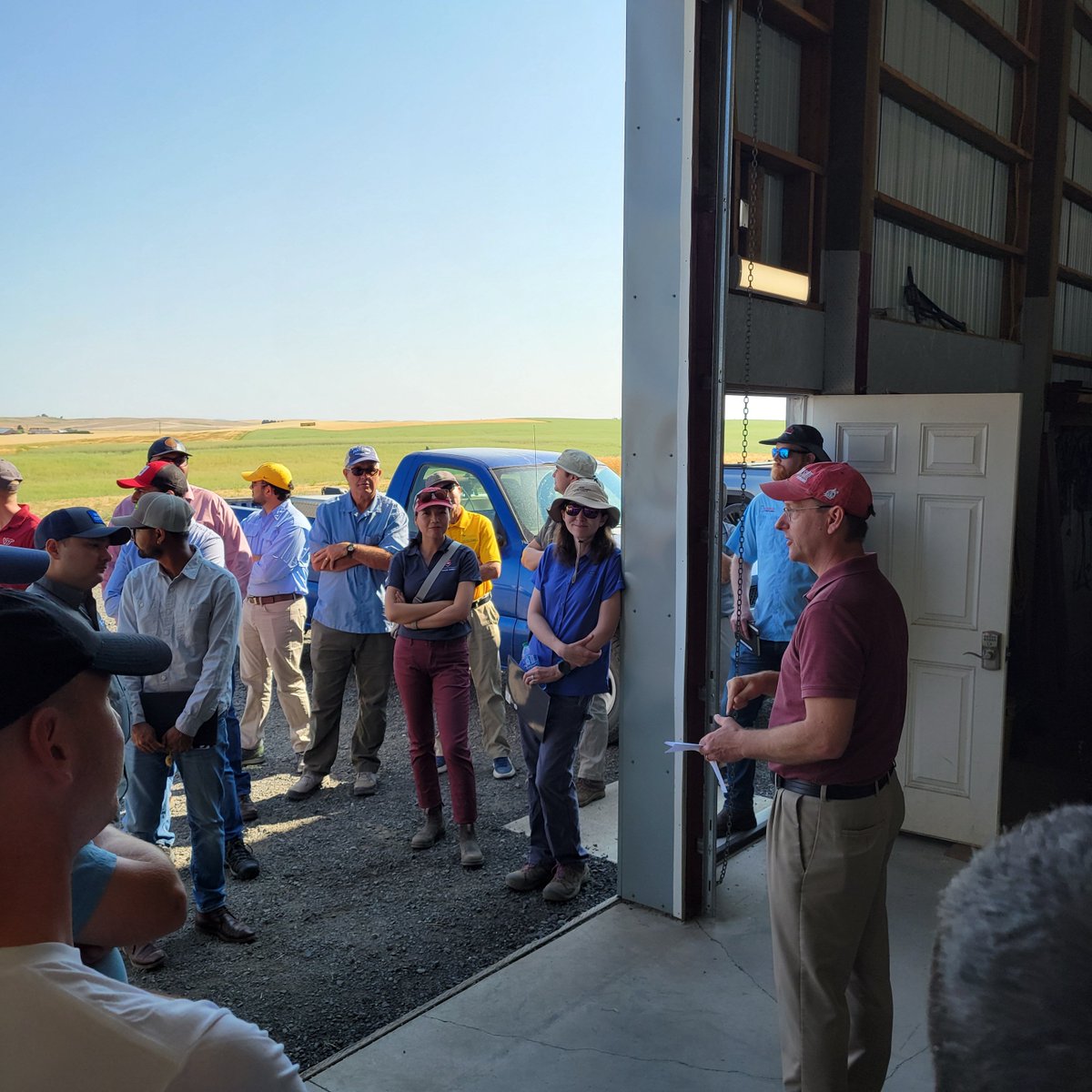
Here's a recap of the full first day of the @GetRidOfWeeds summer meeting. We started with an overview of dryland wheat production systems from our host, Dr. Ian Burke, at the fieldhouse of WSU's Wilke Research Farm.
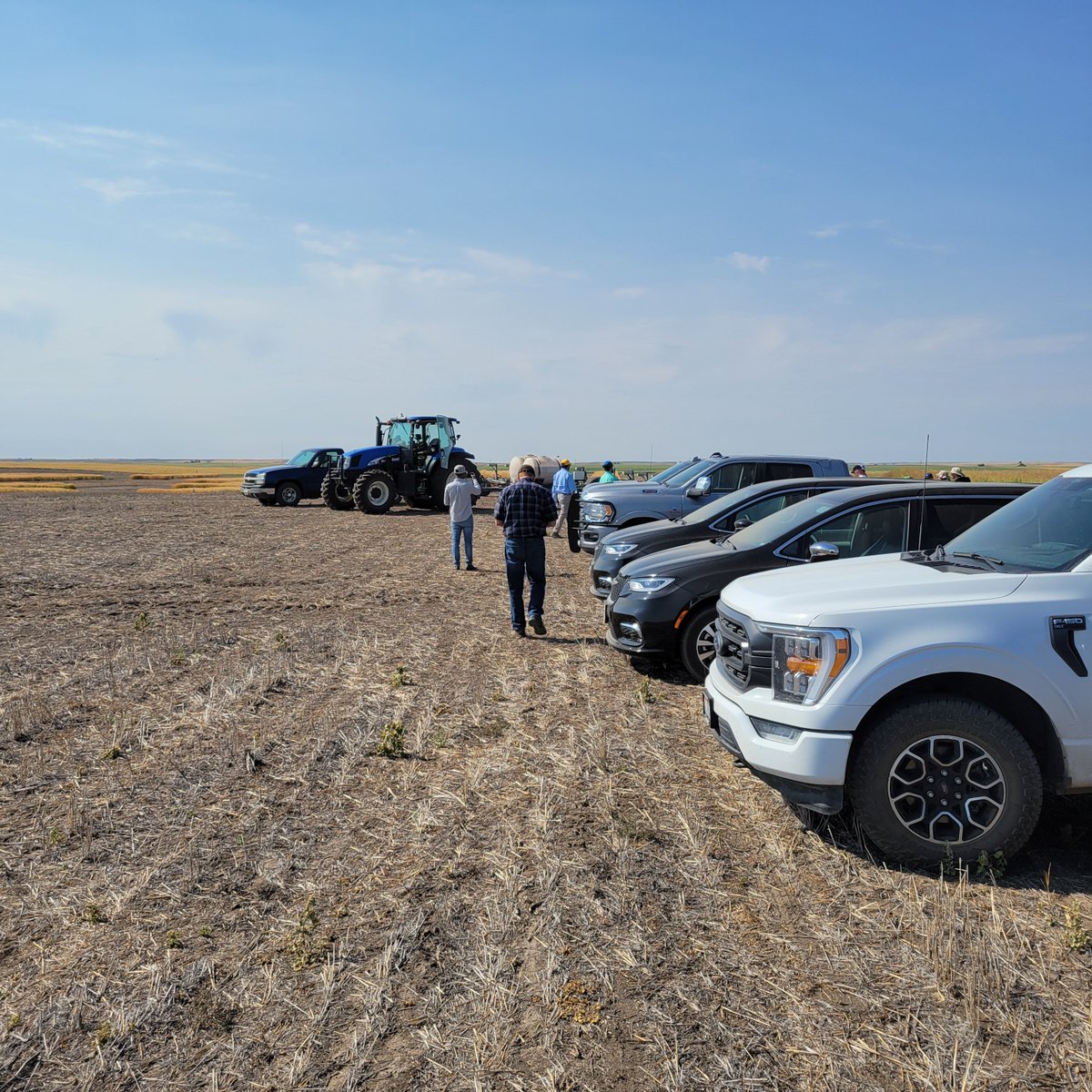
@GetRidOfWeeds convoy has rolled up to the WSU Wilke Research Farm in Davenport, WA. Our gracious host, Dr. Ian Burke, is covering a suite of dryland wheat weed management research including the WeedIt sprayer system for weed management in fallow fields.
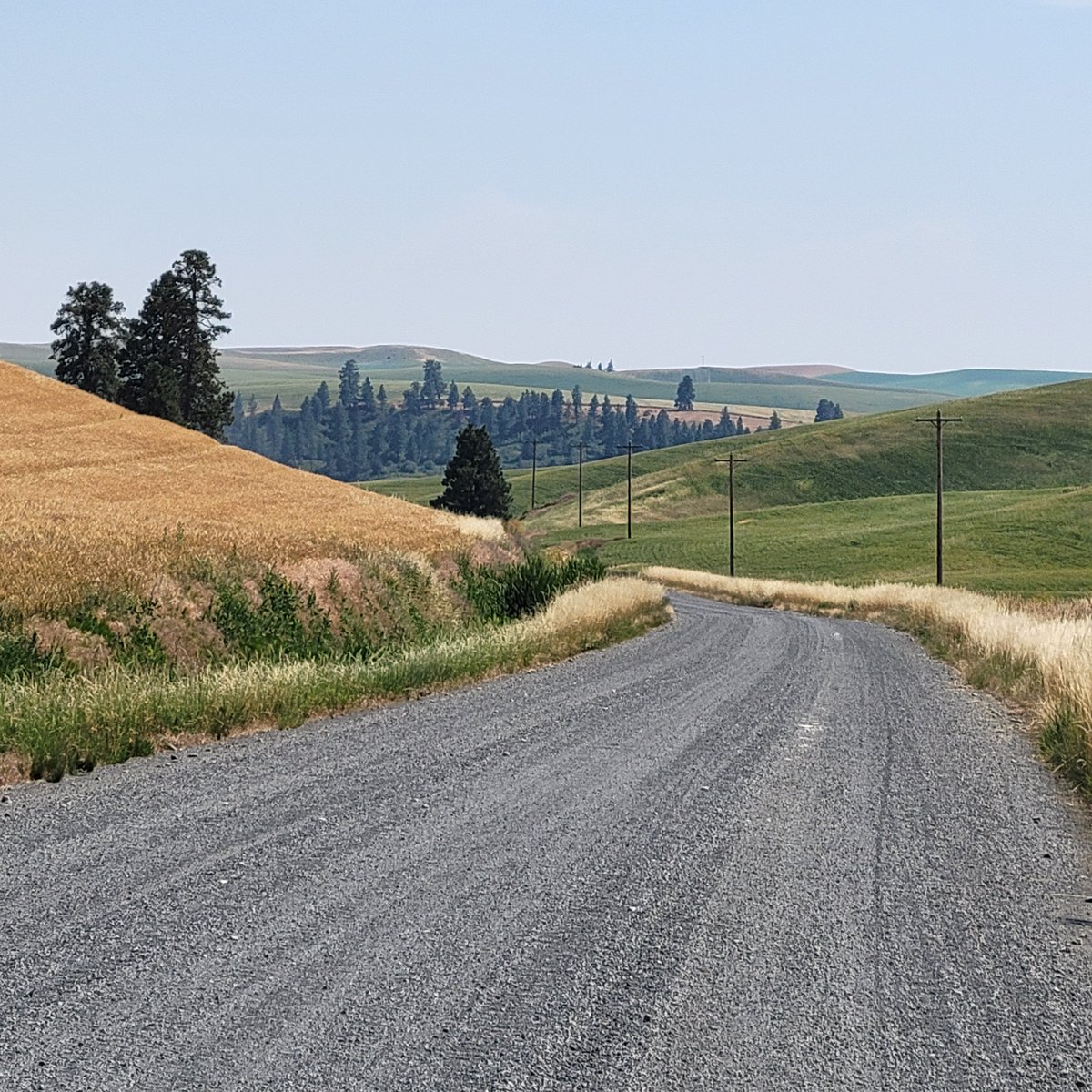
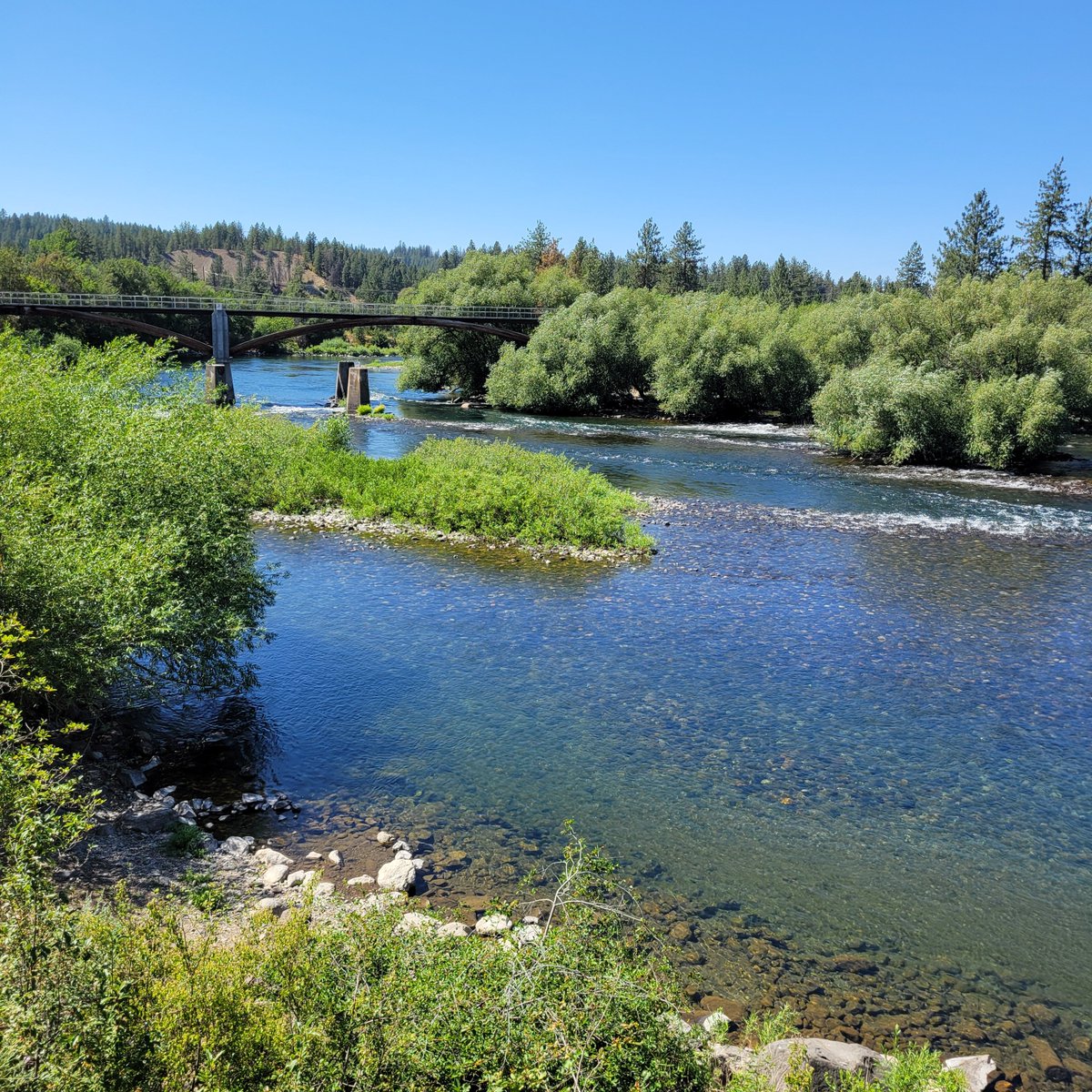
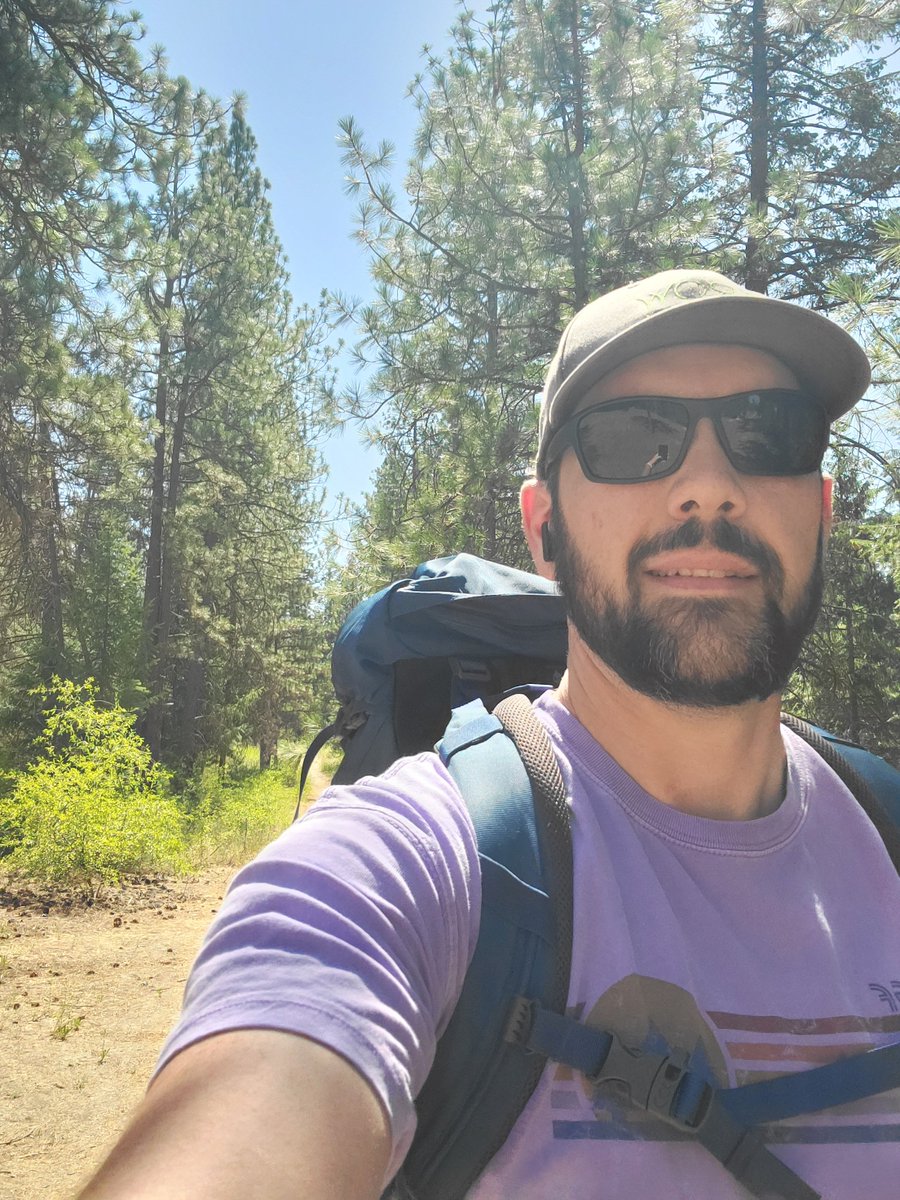
Snuck in a hike from the Spokane airport to my hotel on the way to the @GetRidOfWeeds summer meeting. Was told I was crazy but look at the scenery 👀 Everything for the rest of this trip will be weed science, I swear!
Seems like I've graduated from having panic dreams about missing a class assignment/exam to having panic dreams about missing a grant deadline. RIP me.
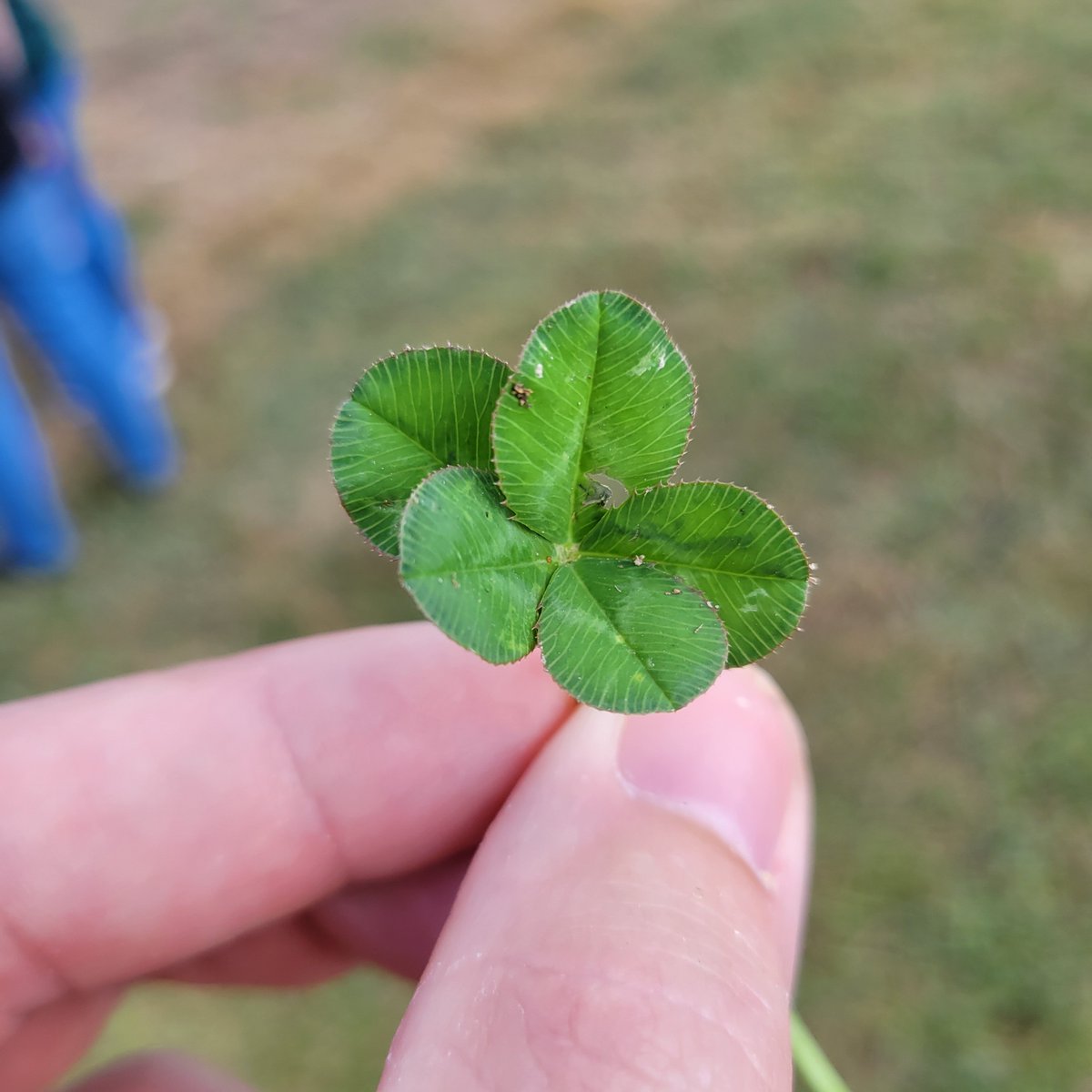
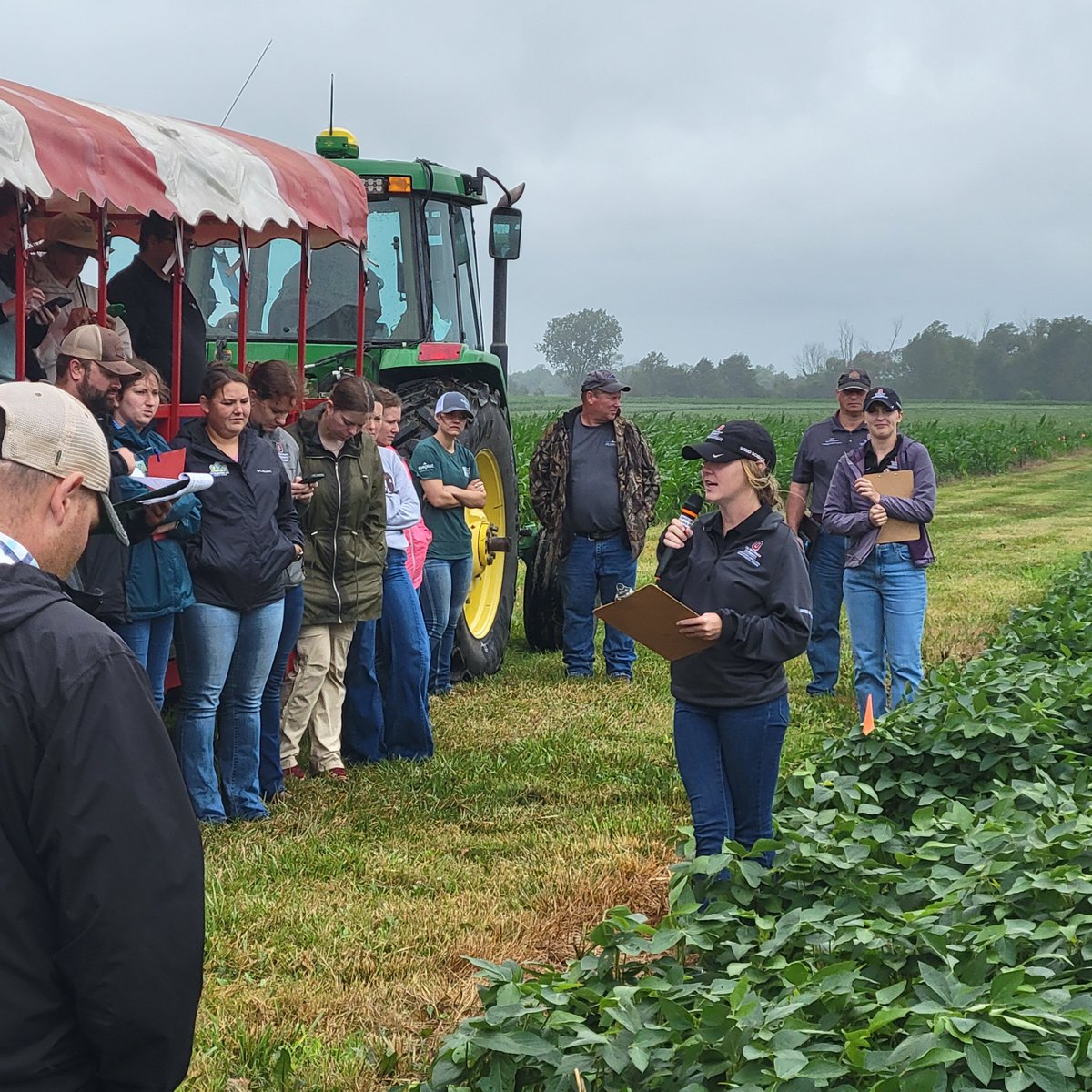
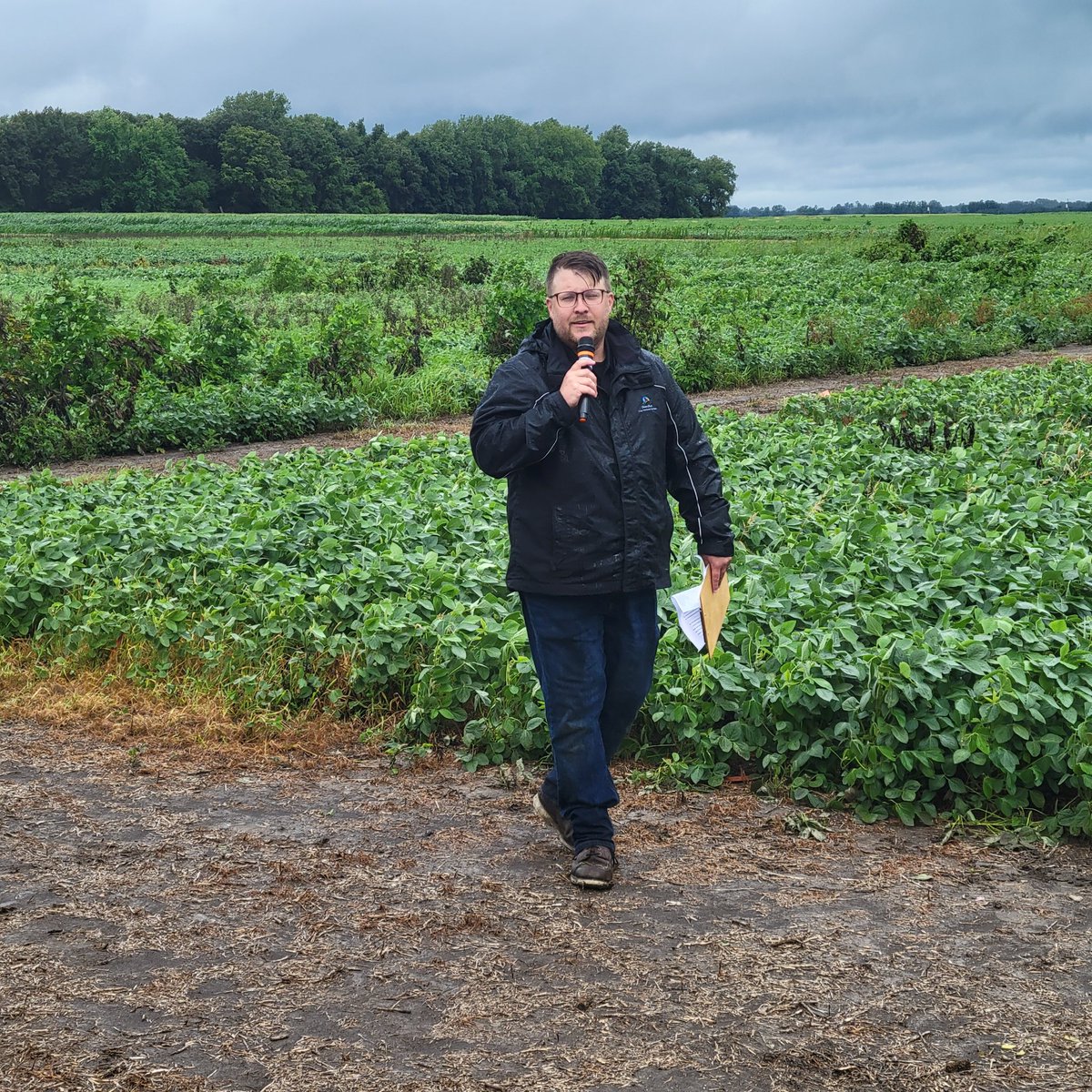
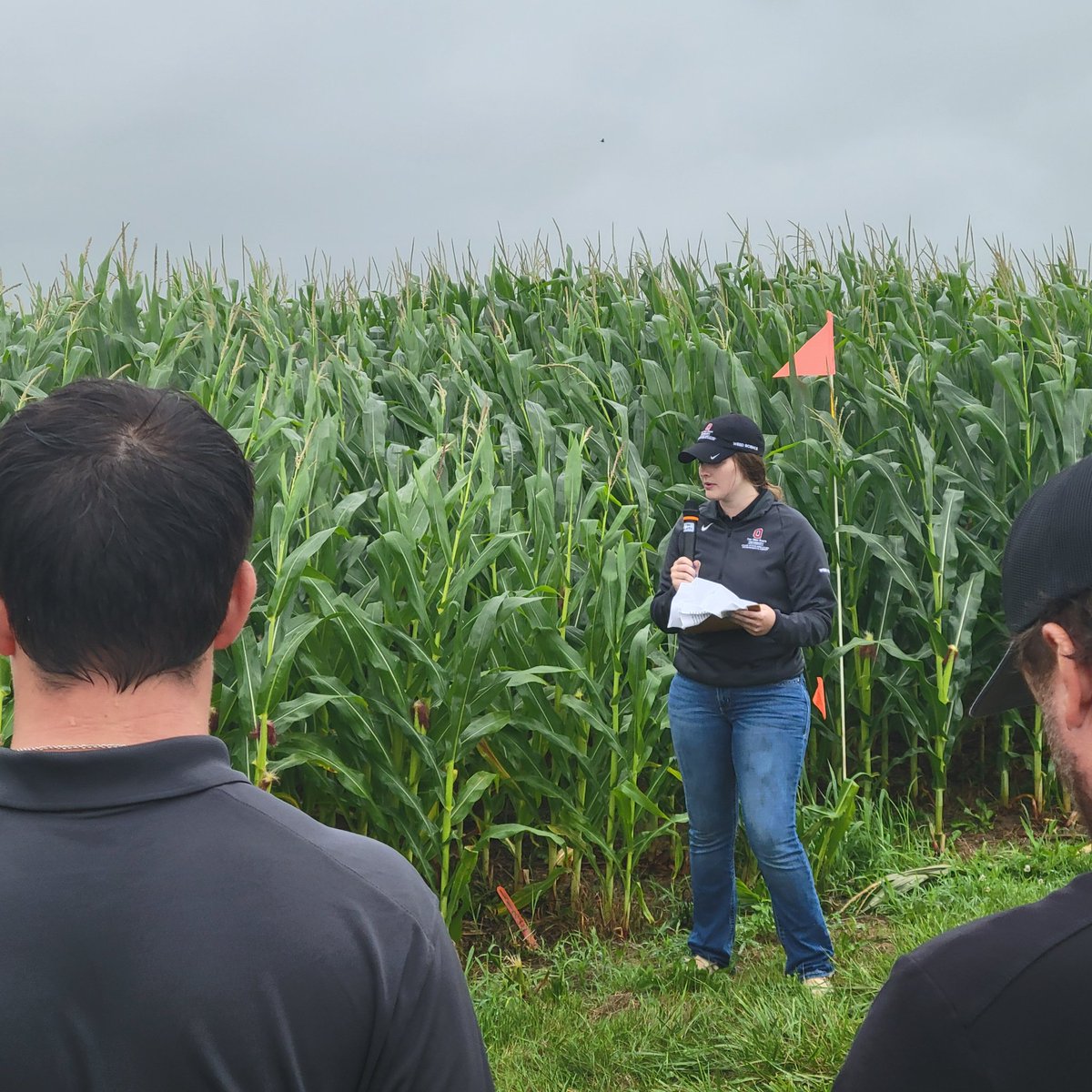
We appreciate everyone that stuck it out with us as the remnants of Hurricane Beryl gave Ohio a bit of much needed rain! We're already getting out our lucky charms to make sure we have better weather and will be seeing the rest of you all next year!
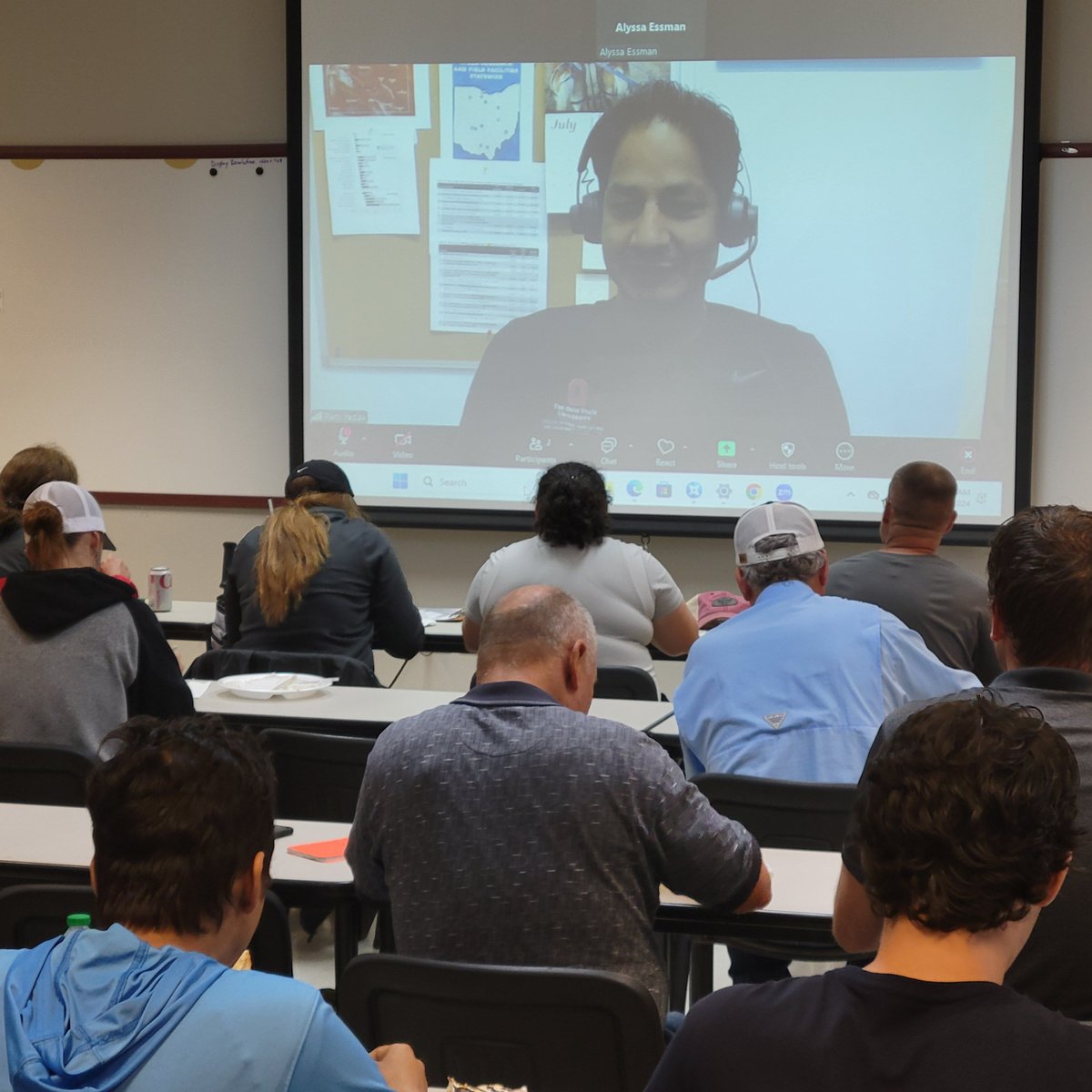
And then we wrapped it all up over a delicious lunch while @OurWeeds introduced himself as our new Specialty Crop Weed Science State Specialist over Zoom. Really looking forward to having him join the team in just over a month!
The field tour ended with updates on the dozens of herbicide trials run by @OhioStWeedSci and @DobbelsTony, where I also got some nice weed pics for slides for my class this fall
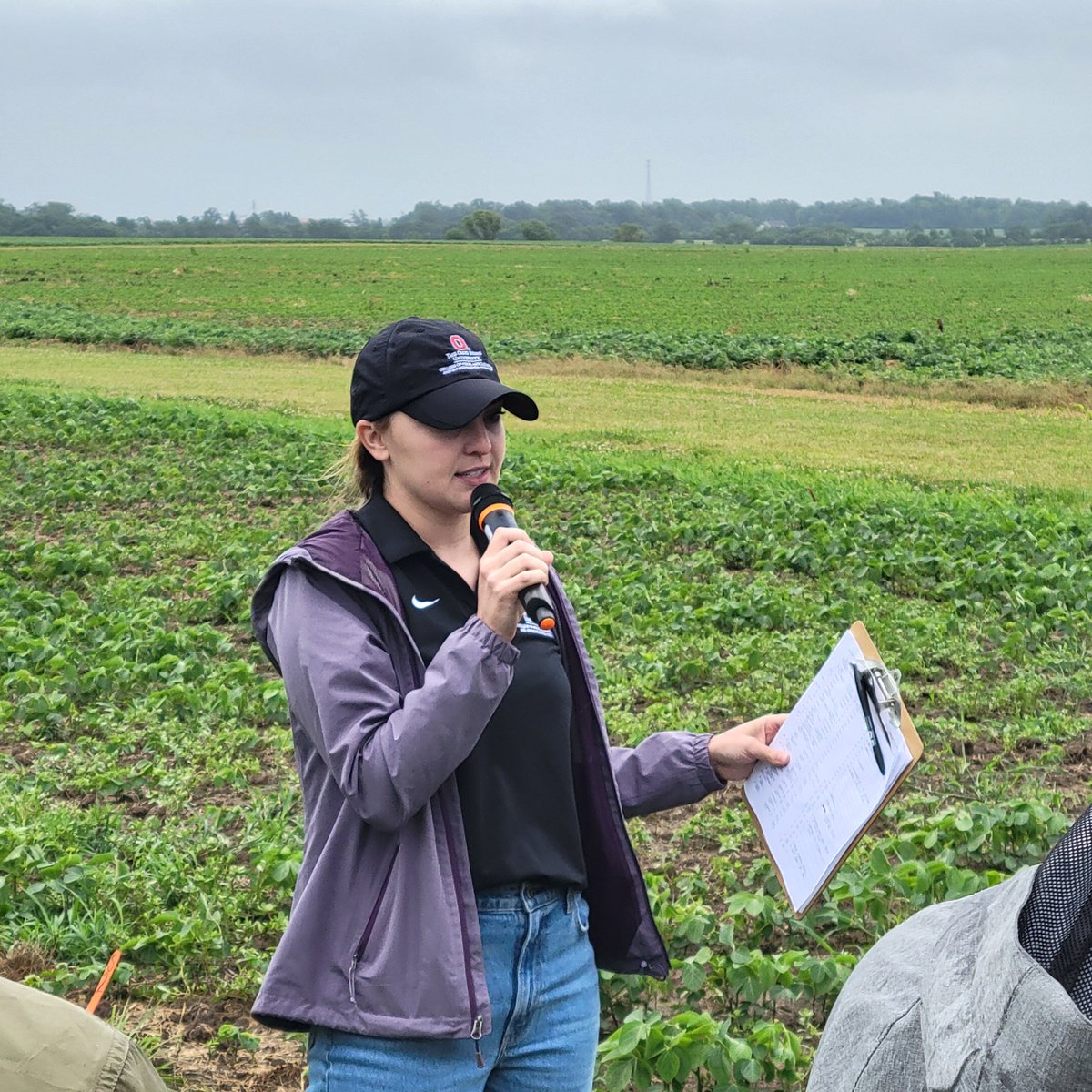
Kept it moving with updates on a multi-state research collaboration testing metribuzin rates to maximize pre-emergence weed control and minimize crop injury in early-planted soybean from @EllaPoling
Then updates on interseeding wheat between soybean rows as an early-season IPM strategy, providing weed control and reducing prevalence of weedy hosts for soybean cyst nematode from @colinjbarclay