I guide women over50 to thrive, so they can provide fulfilling care to their elderly parents | Food Choices • Active Living • Social Engagement • Family Legacy
Nobody warned me that turning 50 would mean caring for two aging people at the same time.
My elderly parents. And myself.
For years I focused on career, family, and responsibilities. Then gradually, almost without noticing, my parents began needing more support for doctor’s appointments, meals, safety, and daily check-ins.
At the same time, I started noticing changes in my own body and energy. What I ate, how I moved, and how I rested suddenly mattered more than before.
That’s when it hit me:
Many women over 50 are quietly navigating two aging journeys at once.
We’re helping our parents age with dignity… while trying to age well ourselves.
We worry about their nutrition, loneliness, and well-being. But we’re also asking ourselves:
1. Why am I more tired than I used to be?
2. What should I actually be eating now?
3. How do I stay strong enough to care for someone else without burning out?
This is why I created Aging Well After 50.
This space is for women over 50 who want to thrive while supporting their parents’ healthy aging through better food choices, personal security, social engagement, physical fitness, and preserving family legacy.
If you’re in this season, I’d love to hear from you:
What’s been the biggest surprise (or challenge) for you as you care for your aging parent while also navigating your own wellbeing?
I’m reading every reply.
One Saturday afternoon I saw guavas being sold, paused and wondered who would pay for guavas.
Looking back, I realize it happens when you grow up within abundance. Growing up, we harvest most food items from the farm except a few we paid for: salt, cooking oil, sugar, bread.
Never, ever guavas.
In our rural home there were guava trees within the homestead and down at the farm, mostly along the fence lines.
There were guava trees at our uncle's land, at our grandparents, and at farms of all the nearby relatives.
On your way to the main road there were guava trees everywhere. On our way to school, there were too many guava trees along the way.
No one asked for permission to harvest and eat a guava. All we did was spot a ripe one, harvest and eat.
Then I arrive in the city to pursue higher education, and that's when I became a witness: someone selling guavas.
I asked for the cost to understand how anyone could pay for that free resource. Freely available in my rural home.
Tell me, what one food item were you surprised when you first saw it being sold? Why?
When I first moved into a city, I assumed my love for gardening had come to an end.
I grew up in a rural village where our family grew food-, cash crops, and rared livestock on acres of land. Even the vegetable garden was large.
So, my arrival in the city where I lived in an apartment, meant buying food from the market.
Little did I know that I was wrong.
Then I learned about indoor plants, mostly flowers. To date, I wonder why residents in that apartment complex prefer to use their balconies as a place to dry clothes and not growing food.
Then I moved to a mega city in the west where I saw residents grow vegetables and herbs on balconies, windowsills, indoors, staircases, front yards, backyards, city plots and community gardens.
Instead of wasting time regretting the lost years, I joined a movement of households eating local, eating fresh, eating familiar and nutrient-dense foods.
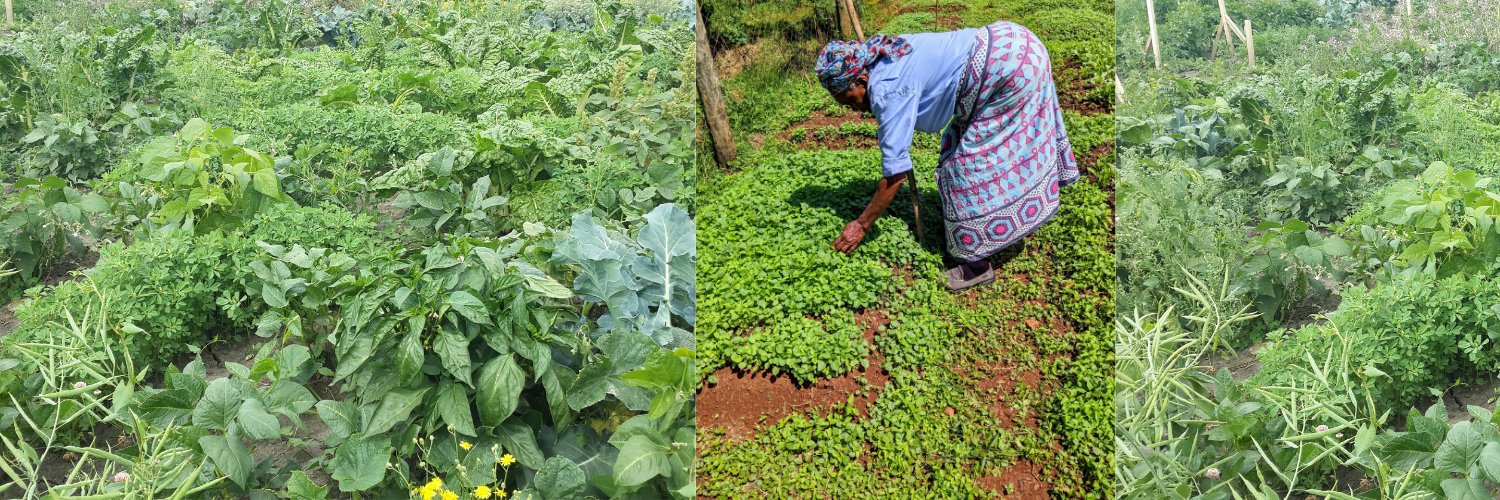
Over time, I now grow vegetables at a community garden, and in containers in my front- and backyard. The best part; I grow vegetables which I prefer to eat. I eat fresh, and I save on food costs.
And you? How did you start growing vegetables in small spaces? Share below.
I never thought that one day I'd have to choose between asking for help and staying home.
This morning I opened my refrigerator to see what I needed for the coming week. The milk was almost finished, there were only a few vegetables left, and I had just enough medicine to last another day or two.
Years ago, I wouldn't have given it a second thought. Just grab my car keys, drive to the grocery store, do my shopping, and probably stop to visit a friend before heading home.
But getting older has a way of changing simple things.
These days, I don't feel comfortable driving. My eyesight isn't as sharp as it used to be, and busy roads make me nervous. And, the nearest bus stop is farther than my knees are willing to walk. Although my children would happily come and take me shopping, they have jobs, young families, and responsibilities of their own.
I closed the refrigerator and thought, "Maybe I can wait until someone is free or stops by."
As I stood there, I wondered how many other older people spend their weekends waiting: for a lift to buy groceries, to collect medicine, to visit family, or simply to enjoy an afternoon somewhere other than home.
Then I imagined something different.
What if I could simply open my smart phone, request a self-driving Tesla, and tell it, "Take me to the supermarket"?
I wouldn't be asking anyone to interrupt their day. I could buy my own groceries, choose the fresh vegetables I like, and even stop by my friend's house for tea and a good laugh before heading home.
The following weekend, I might visit my grandchildren, or spend a quiet afternoon at the botanical gardens.
Not because someone was available to drive me, but because I still had the freedom to decide how I wanted to spend my day.
That's when it struck me.
Perhaps the greatest promise of self-driving vehicles isn't that they're clever machines.
It's that they could give many older people something we've slowly begun to lose. The freedom to live independently, stay connected with the people we love, and continue enjoying the simple pleasures that make life meaningful.
As more people live well into their 70s, 80s, and beyond, I hope we see technology not just as innovation, but as a way to restore dignity and independence.
Back to you: if safe, reliable self-driving vehicles like Tesla became available in your community, would you trust one to help your elderly parents—or even yourself—stay independent? I'd love to hear your thoughts.
@yvan_theriault Well said. We are heading there. Let's respect and be patient with the elderly. It's a blessing to get there because many wished for it but did not arrive.
Exactly. Once we say " are not well documented, standardized or scientifically studied, " the debate begins because that statement implies that one is superior to the other, so the other needs to study the new entrant. Then the debate asks, which of the two came first: the practiced or the documented?
As rightly said, the African ways of healing are area- and community=specific.
Anyway, this is a debate for another day, for now let's celebrate the two countries which are leading the way.
@UmarFaruk41@HerbalistChief That mystery is what helps people to heal. You remove the mystery and no more healing. Just like religion, if we one day see God, the mystery goes and we stop believing.
@UmarFaruk41@HerbalistChief Are the African ways of healing a mystery? I doubt, because there are more people in Africa using the African ways of healing--both seen and unseen-- or the African ways together with religion and formal hospitals, compared to those visiting only formal hospital establishments.
@JoelJirane That food for broke people is the food which supported both my Grandma's who lived beyond 100.
I hear everyone is chasing after a long, healthy and painless life. Embrace our indigenous foods.
The Most Dangerous Trap in Caregiving (And How to Avoid It)
This morning, I stood in the kitchen prepping breakfast for Mum. On the menu: boiled sweet potatoes, roasted groundnuts, fresh avocado, herbal tea, and enriched millet porridge. The traditional, comforting meal she loves.
But right before I started, a realization hit me. Why was I preparing this beautiful, nourishing meal for Mum, only to rush off afterward and scramble for whatever random leftovers I could find for myself?
I paused, doubled the ingredients and later reached into the cupboard, and pulled out a second plate.
I doubled everything. Same sweet potatoes, same groundnuts, same porridge.
Minutes later, we were sitting together at the dining table. Sunlight streaming through the window as we chatted about indigenous foods, laughed, and discussed her schedule for the day.
In those quiet, uninterrupted moments, something shifted. I wasn’t just her caregiver anymore. I was her daughter, fully present, fully grounded, and fully nourished.
A Gentle Reminder for Caregivers: your loved ones need you strong, steady, and healthy. But the truth is simple: you cannot pour from an empty cup.
Taking care of yourself isn’t selfish; it’s a prerequisite for taking care of someone else.
Next time you are prepping a meal, take the extra five minutes. Make two plates. Sit down, slow down, and eat together. Your strength is ultimately their greatest comfort.
Caregivers, how do you make sure you're staying nourished while caring for others? Let’s get the sharing going, below. 👇
How would you handle this situation with your elderly parents?
Today you've prepared a meal they love to eat, but they refuse to eat.
Before you know it, they are in the kitchen asking why food is late.