"Naye guys this girl is glowing like a spirit eehh and the funny part is even in real life she looks exactly like this! Her skin 😫😫 it’s not even funny anymore, she’s just showing off. How do you look this good??"
Kapilipiti and the Ghetto Kids with FIFA President Gianni Infantino?! 🔥
Our kids repping Uganda on the world stage ahead of the 2026 World Cup final.
So proud!
#UgandaTwitter#GhettoKids
More than a trek. More than a photo.
In Rwanda’s Volcanoes National Park, every gorilla encounter helps protect these gentle giants and the people who protect them 🌿
This is conservation. This is home. This is Rwanda 🔥
#uganda#gorilla
THOROUGHLY PRANKED😍
It was a simple team outing to share a meal and relax together.
Nothing special.
Towards the end of our time, I heard the famous C-Jays birthday tune bursting out. I was ready to jump in and celebrate the day’s birthday baby. I enjoy birthdays.
Alas…these @powerfmuganda kids are mad, in a nice way.
They pranked me…madness😍
If your heart isn’t strong, don’t work with GenZs.
You just said it 👏💧
Uganda isn’t just "gorillas + lions". We’re literally sitting on the freshwater capital of Africa and we barely market it.That blind spot is real.
What about our water bodies?
For decades, the global marketing of Uganda has been heavily dominated by the "Big Two": mountain gorillas and savanna wildlife game drives. While those are incredible, it has created a massive blind spot. We are sitting on some of the most spectacular, historically significant, and expansive freshwater bodies on the planet, yet water-based (or "marine") tourism is treated like a footnote an activity you just "happen to do" for two hours during a safari, rather than a primary travel destination,
1. The Unrealized Assets
When people think of "marine/water tourism," they often think of coastal beaches in Kenya, Zanzibar, or South Africa. But Uganda has a completely unique freshwater value proposition that is barely showcased:
Lake Victoria (The Inland Sea): It is the largest freshwater lake in Africa. It has over 80 islands in the Ssese archipelago alone. It offers pristine, crowd-free white sand beaches, untouched island cultures, deep-water sport fishing for giant Nile Perch, and world-class sunset cruising. Yet, to the average global traveler, Victoria is just "that lake next to the airport."
The Nile’s Double Identity:
The Adventure Nile (Jinja): Tubing, white-water rafting, kayaking, jet-boating. It’s the "Adventure Capital," but we rarely market it as a world-class wellness, leisure, or luxury river cruising destination.
The Wilderness Nile (Murchison Falls): A boat cruise that takes you to the bottom of the world’s most powerful waterfall, flanked by elephants, hippos, and giant crocodiles. It is a safari on water, which is incredibly rare globally.
Kazinga Channel & Lake Albert: The sheer density of birdlife and schools of hippos on the Kazinga Channel is unmatched.
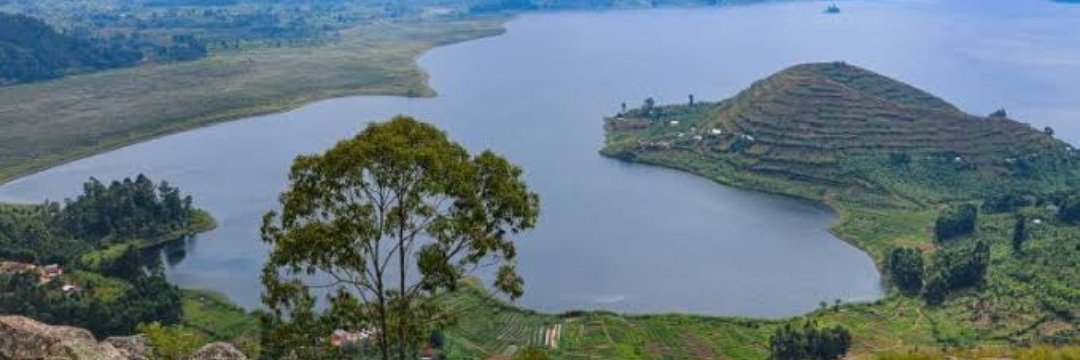
Lake Bunyonyi: A mystical, deep, bilharzia-free lake with 29 islands, perfect for canoeing, cultural island hopping, and peaceful retreats but still largely marketed as just a "stopover" after gorilla trekking.
Why is there a Marketing Gap?
The "Secondary Activity" Trap: Traditionally, tourism boards and tour operators market water activities as "add-ons." You book a 5-day savanna safari, and the Kazinga Channel boat cruise is just a 2-hour activity on Day 3. It is rarely the hook that gets the tourist to book the ticket in the first place.
Lack of Visual Exposure: There is a severe shortage of high-end, modern, lifestyle-focused visual content promoting our waters. We see endless photos of gorillas and lions, but where are the cinematic drone shots of yachts sailing around the Ssese Islands, or families enjoying luxury freshwater beach resorts, or travelers kayaking through the mist on Lake Bunyonyi?
Underdeveloped Marine Infrastructure: While we have basic boat safaris, we lack high-end marine infrastructure like modern marinas, luxury houseboats (common in places like Lake Kariba in Zimbabwe), structured island-hopping ferry systems, and diverse water-sport facilities (windsurfing, sailing, paddleboarding).
Shifting the Narrative: How to Push the Product
To actually put Uganda's marine tourism on the map, the industry needs to change how it tells the story:
A. From "Land Safari" to "Water Safari"
We should be selling "The Ultimate Freshwater Adventure." We need dedicated, multi-day water-based itineraries. For example:
The Nile & Great Lakes Trail: A 7-day itinerary focusing purely on water rafting in Jinja, island hopping on Victoria, cruising the Kazinga Channel, and ending with a sunset boat safari to the base of Murchison Falls.
B. Leverage Cinematic, Experiential Storytelling
Water is incredibly visual. This is a product that must be shown, not just written about in brochures.
High-definition, lifestyle-driven video content showing the transition from wild rapids to tranquil, glassy lake waters at sunset.
Focusing on the feeling of the breeze, the sound of the water, and the unique freshwater nature of our lakes (no salt, no tides, just pure tranquility). etc, you can add yours.
VIDEO: Ugandan media personality and MC Caroline Marcah publicly took an HIV test live on camera after facing repeated criticism and rumors that she was HIV-positive following allegations of a past relationship with HIV-positive media personality Mc Kats. The test results confirmed that Caroline Marcah is HIV-negative.
Kalangala looking so beautiful! 🌊
Love that our leaders also take time to celebrate love.
Wishing Hon. Mwesigye Frank and his wife endless happiness. Uganda is truly blessed 🇺🇬