Agriconnect Kenya is a dynamic agricultural startup committed to transforming the agricultural landscape by connecting farmers, students, and other stakeholders
We offer.
1. Practical guidance on crops and livestock production
2. Support in farm planning
3. Climate Smart agriculture
4. Organic farming techniques
5. Crop rotation programs.
Reach us through our social media platforms
AGRICONNECT kenya.
Privileged to get an opportunity to attend a coffee training conference for ward coffee champions.being promoted by @NewKpcu in Kenya kisii county.
We were being trained on how to construct a coffee seedbed.
#coffee
This natural barrier supports IPM (Integrated Pest Management) by reducing the need for chemical sprays, improving plant health, and boosting yields — the eco-friendly way!Try planting onions along your veggie rows and observe the difference
#Intercropping#IPM#SmartFarming
🥦🌰 Did you know? Intercropping onions with vegetables isn’t just smart — it’s strategic!
Onions release a strong scent that repels pests like aphids and caterpillars 🐛, making them perfect companions for crops like carrots, spinach, tomatoes, and kales.
#OnionPower
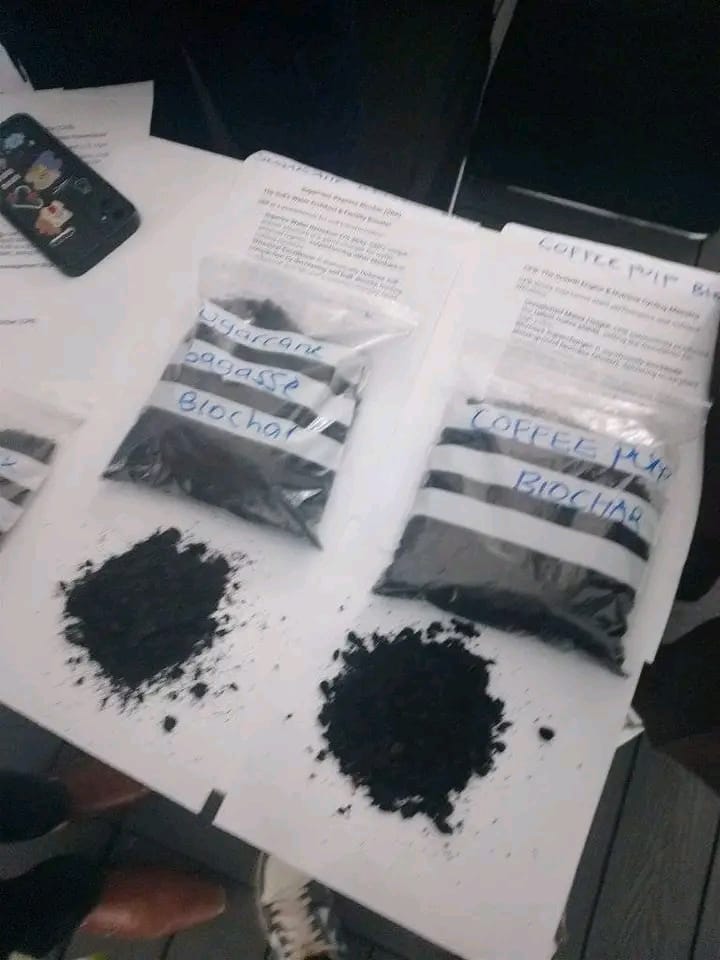
How to use: Mix biochar into your soil before planting or as a topdressing. The amount depends on soil type and crop needs.
When to use: Use biochar year-round for continuous soil improvement. It's particularly beneficial in degraded soils or areas with water
Boost your harvests with Biochar! Healthy soil, increased yields, and reduced fertilizer needs. Get the best from your land.
Biochar, a charcoal-like material produced from sustainable biomass pyrolysis, enhances soil health dramatically.
It's rich in porous carbon, increasing water retention, aeration, and nutrient availability. This leads to higher crop yields and reduced fertilizer needs. Biochar also sequesters atmospheric carbon, fighting climate change.
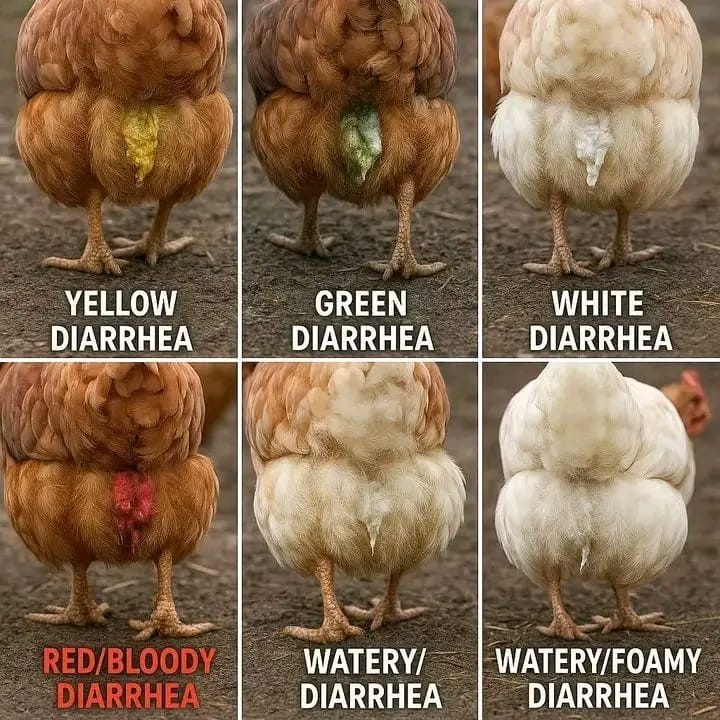
Understanding chicken diarrhea: what the color tells you and how to treat it
yellow diarrhea
This often indicates coccidiosis or a bacterial infection such as clostridial enteritis. It may also appear when digestion is disturbed by stress or feed changes.
Harvesting and Storage
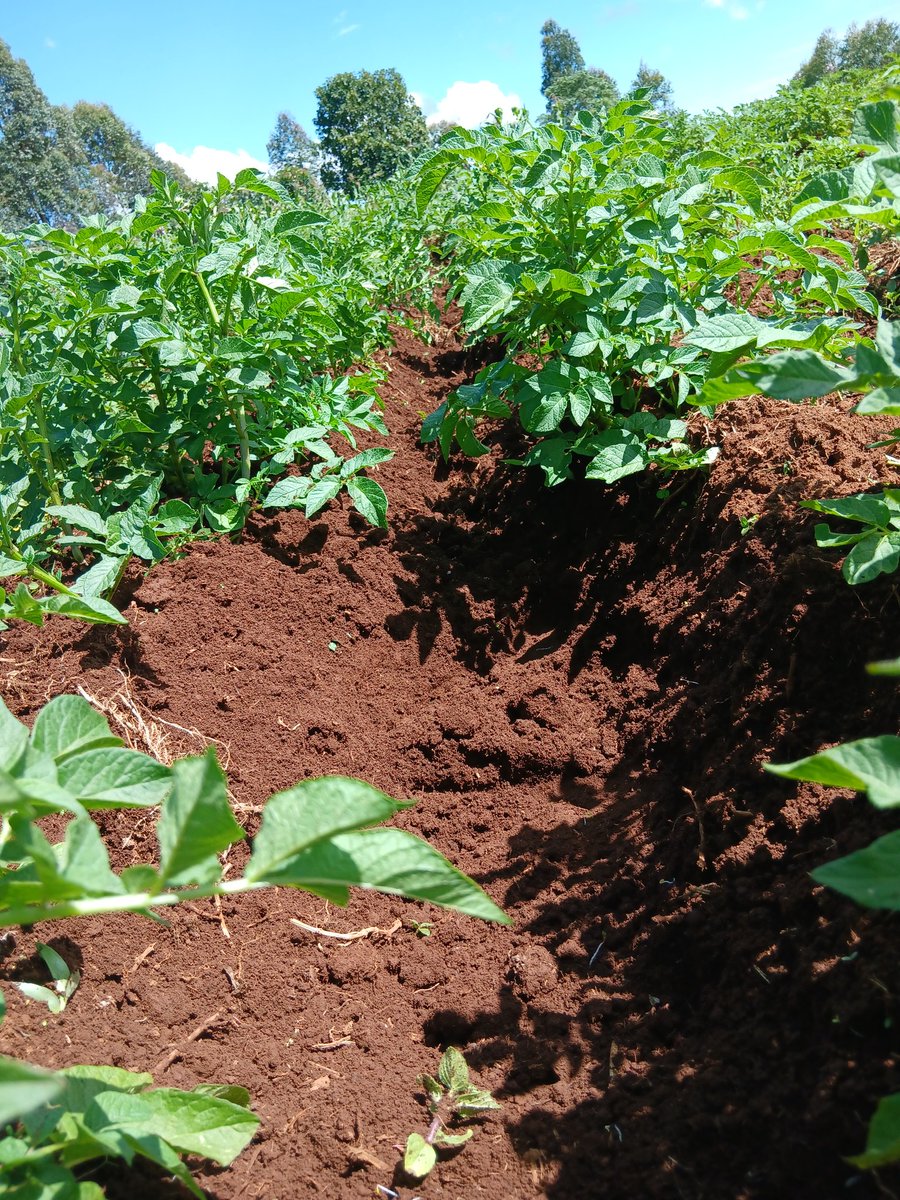
When the leaves begin to yellow and die back, potatoes are ready for harvest. After digging them out, the tubers should be dried and stored in a cool, dark, and well-ventilated place to prevent sprouting and rot.
Potato farming is one of the most widespread and important agricultural activities around the world. Potatoes, a staple food in many cultures, are rich in carbohydrates and offer essential nutrients like vitamin C, potassium, and fiber.
The crop usually takes 70 to 120 days to mature, depending on the variety and growing conditions. Regular irrigation, weed control, and pest management are crucial during the growing season.
High cost and scarcity of quality farm inputs reduce yields.
Pests and diseases destroy crops and livestock.
Weak extension services limit access to modern farming knowledge.
Market instability and poor prices discourage investment in farming.
There are conversations around the world on how to improve productivity by amazingly our farmers aren't the main stakeholders here are the challenges affecting productivity Unpredictable weather and climate change reduce crop and livestock productivity.
Land degradation and limited arable land hinder sustainable farming.
Poor infrastructure affects access to markets and increases post-harvest https://t.co/8KALrvrv0h access to credit prevents farmers from investing in better inputs.