(5/5) A further criticism is that each exemption only covers certain sanctions, which further limits how effectively humanitarian organisations can work (Crystal, 2023). Moreover, such measures must be approved by sanctioning authorities (UNICEF, 2022).
(4/5) Despite the existence of measures (exceptions and exemptions) that allow humanitarian actors to provide necessary healthcare, amidst ongoing sanctions, they are complicated in nature. This is one explanation for their rare use (Brubaker and Huvé, 2021).
(3/5) At the same time, export restrictions mean reduced revenue for sanctioned countries, which leads to spending cuts in key areas, such as health (Azodi, 2019).
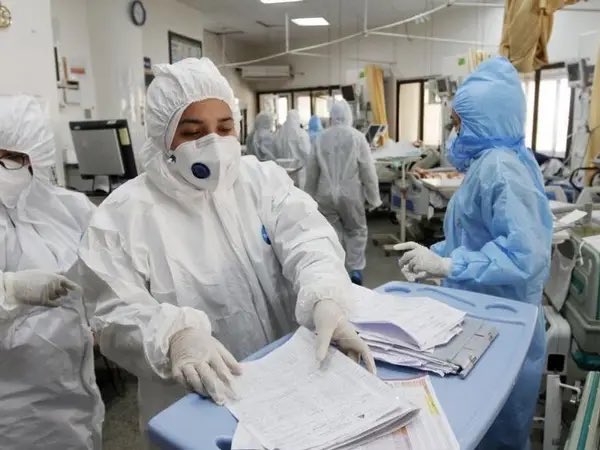
(2/5) Sanctions impact population health and health systems in various ways. Through import restrictions, sanctions leave targeted countries with fewer materials that are necessary to construct key medical equipment (EU Sanctions Map, 2023).
(6/6) In our next post, we explore how economic sanctions have created challenges for meeting population health needs and ensuring health systems can function.
(10/10) However, debt poses a substantial obstacle to achieving these targets. Today, 3.3 billion people live in countries where more is spent on debt repayments than on education (United Nations, 2023). Therefore, debt relief is needed to increase spending on education
Sovereign debt and education spending- why increased education spending is important and debt relief is needed to meet targets under Sustainable Development Goal: Quality Education (1/10)
(9/10) A 2015 UNESCO report found that for some Low-Income Countries, such as Zambia and Mauritania, relative education spending would have to double by 2030 to meet targets under SDG. 4