PAMZ, a non-profit group, who is responsible to identify air quality concerns in Central Alberta and to implement strategies to address those concerns.
🤔 Did you know you need a fire permit for certain types of fires? From March 1 to October 31, fire permits are required for all burning activities outside of campfires 🔥. Learn more: 🔗 https://t.co/pWf1jIeIrr
🏕️ With campfire season just around the corner, be sure to brush up on your campfire safety tips. There are steps you can take to prevent forest fires. 🔥
And remember: 🌊 "Soak it. Stir it. Soak it again."
https://t.co/9vXShGXSbD
Managing agricultural dust is key to healthier air, better soil, and sustainable farming. Let’s do our part to help reduce dust and protect our land and lungs!
#DustControl#AirQuality#AAC
Depending on the type of burning you are doing can determine the best steps to take to prevent the unwanted spread of a fire 🔥. It's important to properly prepare your site before you ignite. Check out more tips on how to burn safely at: 🔗 https://t.co/8ZmxLwQzZd
Stay Connected, Protect Our Air!
Want to make a real difference in the health of our community and environment? 🌿
✉️ Sign up for our email list to receive the latest PAMZ news! Send an email to [email protected] to get air mail straight to your inbox! 📬
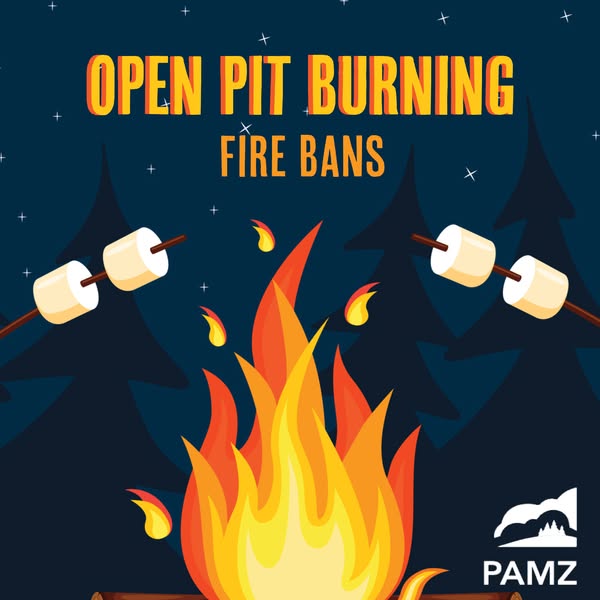
🔥Fire bans are put in place for a reason, so before starting a fire be sure to check the status in your region. The province uses "a tiered fire ban system."
You can find active advisories, restrictions, bans, and other information at: 🔗 https://t.co/NEVAc8K7sq.
March marked the official start of wildfire season. 🔥 Fire safety starts at home! Learn some tips to protect your home from FireSmart: https://t.co/CQjkCwTMXf
#FireSafety#WildfireSeason#FireSmart
Health Canada estimates that above-background air pollution, including air pollution from human sources in North America, contributes to 15,300 premature deaths in Canada per year. Source: https://t.co/E07rkuf1Oh
#AirQuality#Health#Airsheds#AAC
From portable devices to outdoor sensors, different air quality monitors help us track pollutants like PM2.5, CO2, and ozone. Stay informed and breathe easier wherever you are!
#AirQuality#CleanAir#Airsheds#AAC
Alberta’s Airsheds track air quality using sensors and monitoring stations that measure pollutants like PM2.5, CO2, and ozone. The data collected helps detect pollution sources, guide policies, and protect public health.
#Airsheds#AirQuality#AAC
Air quality is a measure of how clean, or polluted, the air is. Monitoring air quality is important because polluted air can be bad for our health and the environment.
#AAC#AirQuality#Airsheds
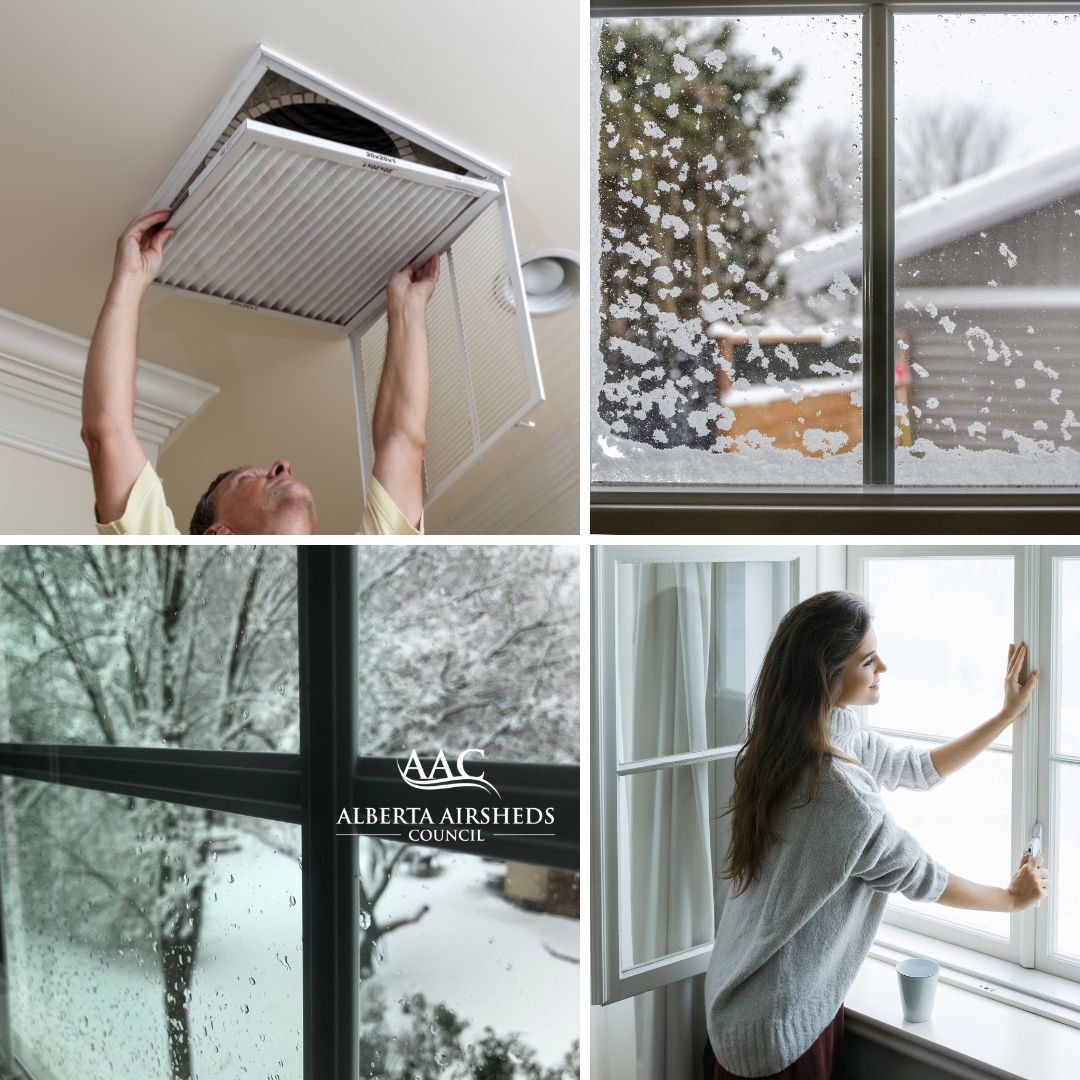
Winter brings more than just chilly temperatures – it can also bring wintertime smog. Let’s adopt eco-friendly practices and safeguard our communities. Together, we can make a difference!
#AirQuality#WinterTime#AAC
People can reduce their impact on air quality by not idling vehicles when parked, avoiding excessive fireplace or wood stove use, and using energy-efficient products. Play your part and reduce wintertime smog.
#AirQuality#DoYourPart#AAC
Temperature inversions are more common than you may think. A temperature inversion can cause the Air Quality Health Index (AQHI) to rise. Find out more about AQHI here: https://t.co/AHMwvQpJWT
#Inversions#AQHI#AAC
Reducing home emissions isn’t just good for the planet—it lowers energy bills, too! Promote good air quality in your home, in your community and everywhere.🌱💙 #AAC#CleanAirLiving#YourAirshed
🎆 New Year, New Goals! 🎆 From recycling to reducing home energy consumption, every small action counts. A greener home equals a healthier planet. 🏡 #NewYear #2025 #AirQuality#YourAirshed