@GBNT1952@ChwangJulian They’re all stupid. They just so conveniently forget the truth of October 7 because it doesn’t fit their butt hurt narrative.
They all belong in the insane asylum.
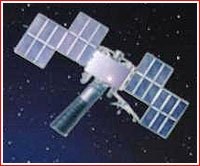
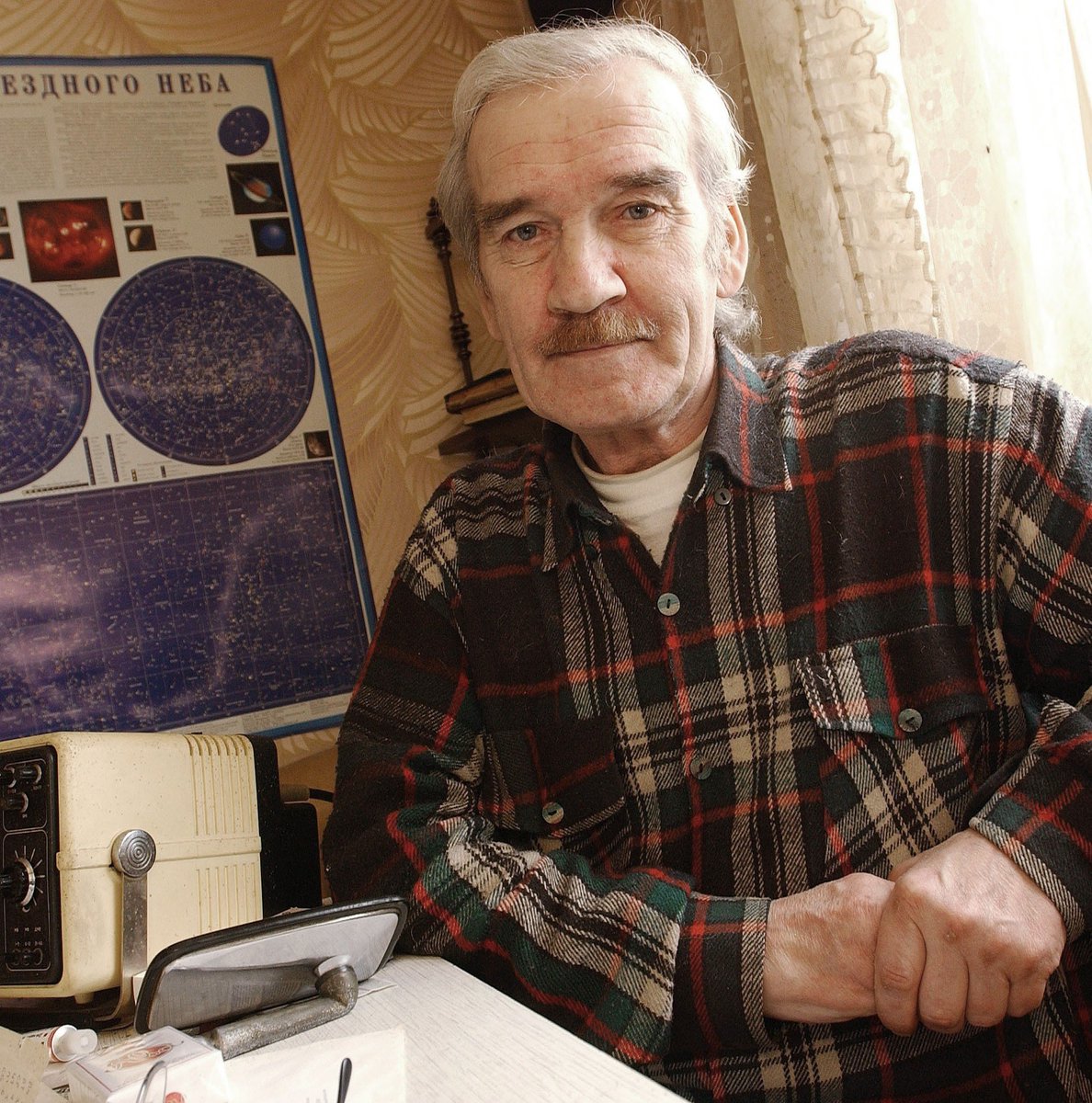
It's a few minutes past midnight, September 26, 1983. Lieutenant Colonel Stanislav Petrov is performing his night shift as a duty officer inside the Serpukhov-15 bunker south of Moscow. His main job - watching the screens of the "Oko," the Soviet Union’s new space-based early-warning system.
Thus far, it seems like another routine, mundane shift.
Suddenly, a huge, red text reading "LAUNCH" is displayed in front of Petrov's eyes, while a loud siren gets activted, breaking the silence inside the room. This is a warning about the launch of a single ICBM from the United States. The protocol is clear - report the occurance to the higher command. It's up to them to decide what to do next.
But Petrov, a Soviet Air Defence Forces officer with over 10 years of experience, decides to wait. He doesn't trust the computer. He knows that the system is new and prone to malfuctions. He also remembers what they teached him - any American nuclear attack would be a massive, coordinated salvo, not a single ICBM.
Minutes are passing by. The computers are reporting new missile launches. The second, third, fourth, and fifth. The screens are flashing, the room is glowing red, the siren keep sounding.
And Petrov continues to do nothing.
Twenty-three minutes after the first alert, still nothing happens. No radar tracks. No detonations. The sky remains empty. The alarms eventually cease. And Soviet high command remains unaware of what has just transpired inside the Serpuhkov-15 bunker.
If duty officer Stanislav Petrov passed the information up the chain of command, the decision about retaliatory strike might well have been approved. And the general nuclear war would ensue. But it didn't, because of Petrov's (in)action.
Investigators later determined that the "Oko" satellites mistook sunlight reflecting off high-altitude clouds for incoming intercontinental ballistic missiles.
Petrov was questioned at length. He was initially praised for keeping his head, then reprimanded for incomplete paperwork in the duty log. He received no medal. The incident was classified. The system was later improved. Years afterward, when the story finally emerged, Petrov insisted it had simply been his job. “They were lucky it was me on shift that night,” he said. He never claimed certainty. He only claimed that he had chosen not to treat a handful of computer symbols as the start of the end of the world.
Petrov's coolness might occur even more impressive when we take into consideration the circumstances of the incident: it took place at the time of the heightened tensions between the West and Soviet Union; just a few months after the announcement of the Strategic Defense Initiative program by US President Ronald Reagan and a few weeks after the KAL 007 shootdown by the Soviets.
Oh, so Russia admits it's targeting Starlink infrastructure.
By the way, there are no ground communication stations for Starlink in Ukraine. It's in Poland.
Everything Russia claims is a confession.
Everything.
Or maybe it's time for him to start talking about Russian casualties:
Where did hundreds of thousands of our fellow citizens "disappear" to during the war?
Why are shortages, taxes, lines, and prices rising, while Russians' quality of life has been declining for more than decades?
After another fake "victory" by his party of war, he has no intention of talking to Russians about Russia
Latvia To Order Anduril’s Barracuda Cruise Missile For Long-Range Strike Capability
The missile deal would drastically expand Riga’s precision-fire reach as NATO’s eastern flank races to build up its conventional long-range strike capabilities.
https://t.co/v4Fsktzgrv