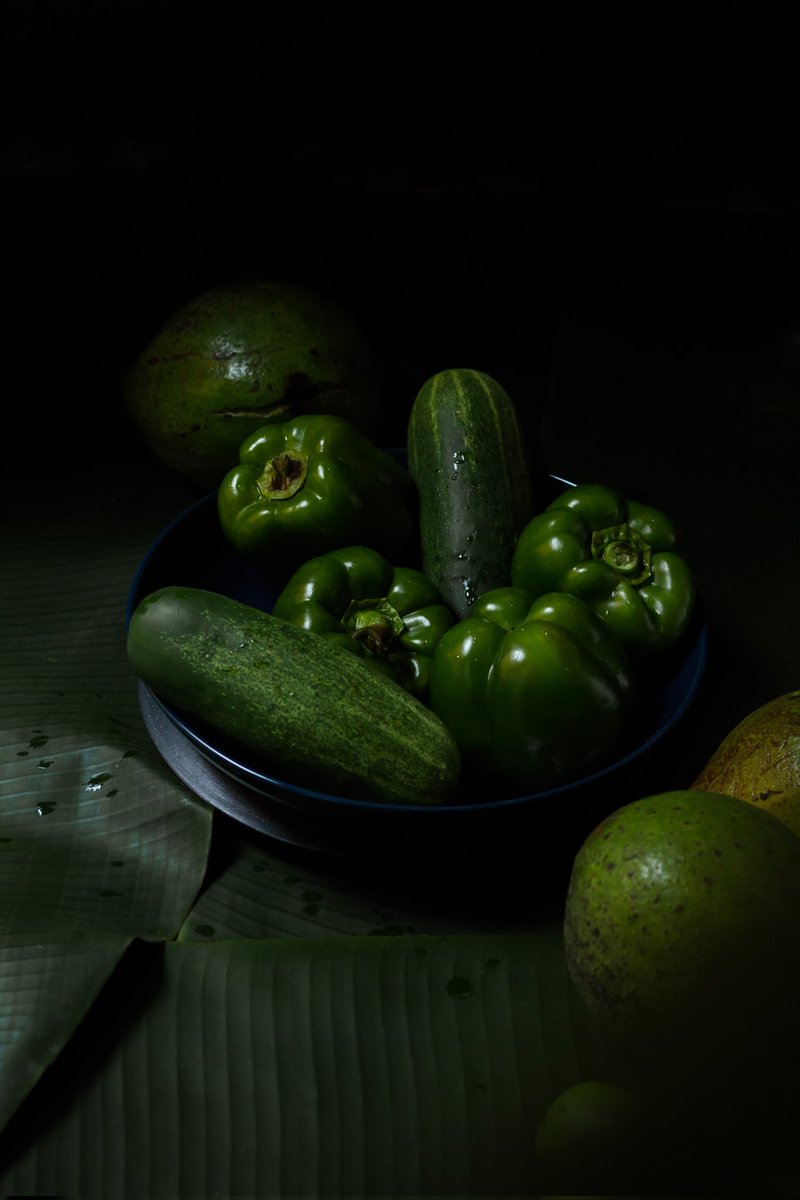
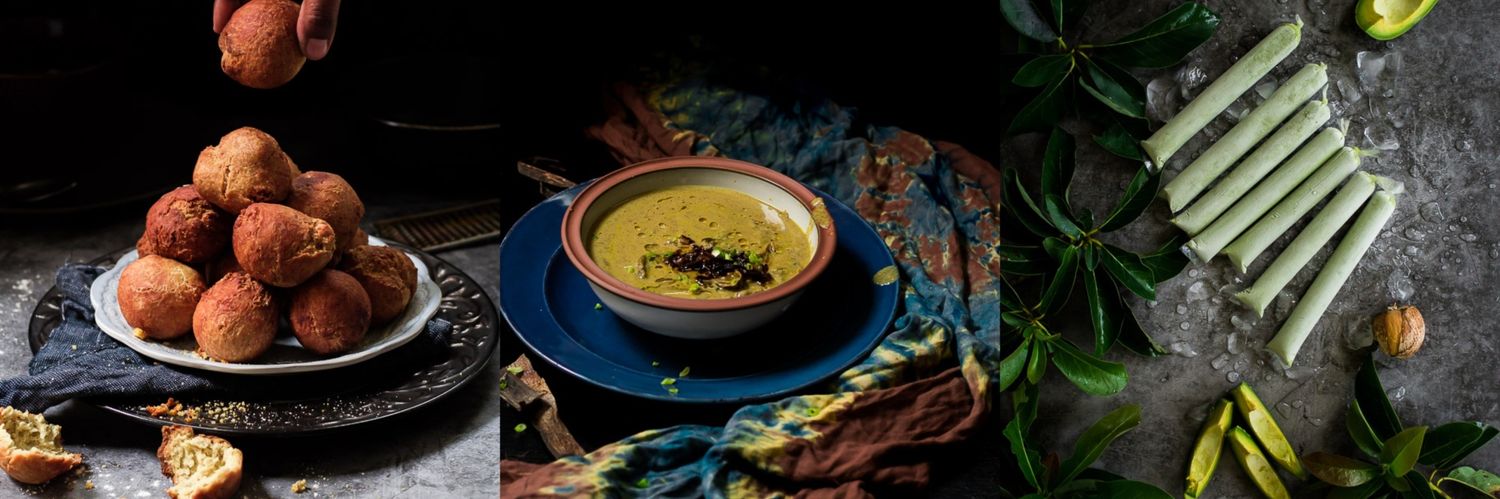
I really want to photograph a cookbook or food project written by an African (any country on the continent) and I'm putting it out there so that cookbook writers find me. 🤞🏿 Here is a sample of my work👇🏿 Hope this tweet ages well 😂
#foodphotography#africanfoodphotographer
Unpopular opinion: To attract tourists, make your cities and country LIVABLE for the residents. Put up attractions for the residents primarily and improve their living standards. Then advertise those to tourists. The "Foreign Gaze" in African tourism needs to die!
Policing growing girls' food intake while letting boys have bottomless stomachs but somehow the cooking skill is for girls.
The idea that chicken is for men.
'Women should not eat gizzards.'
The trope of women ordering a salad while the man goes for meat.
I could go on...
When we talk about being taught to hate some aspects of being African, I think of how our indigenous meals are often associated with low class.
Pizza, burgers, most fast foods deemed as foods that show one's elevated status & not local.
It saddens me.
💥 BREAKING: Kenya just made history. 🚨🌱
Farmers WON - they can keep saving, selling & sharing their Indigenous seeds.
Farmers stood up to corporate giants… and won.
Seeds belong to the people.
Share & demand full implementation of the ruling. ✊🏾🌾
Pick up a book, beloved. Read. Deliberately seek knowledge outside the 'blogs', social media and even mainstream media. Exercise your right to information access. Use your privilege of access to literature.
AI is being trained by people from my country so it’s writing habits are based off our grammar structure (former British colonies) and now every time I write official documents, I get accused of using “Chat GPT”.
If we take it a step further, this can be observed in the health and fitness space... especially food and class.
This could be an example of how it manifests..
https://t.co/Wy24qZAlLr
White men, especially Americans, pride themselves on eating steak as undercooked as possible. ‘Medium rare’ is set as the standard, with many claiming to prefer it ‘rare’.
This is because in Anglo-American culture, eating undercooked meat—especially rare steak—is performatively tied to masculinity. The idea is that a ‘real man’ can handle blood, rawness, and toughness, displaying stereotypes of primal European vigour.
Now, it shouldn’t matter how someone else eats meat, except that, well, it does.
The thing is, the ridicule of ‘well-done’ steak (often framed as ‘ruining’ the meat) isn’t just about taste—it’s a class and cultural signifier. It implies sophistication (knowing how real steak should be eaten) and aligns with Eurocentric fine-dining norms. It shows that you are a man of the world.
This is where Black men come in. For Black men, especially in professional or mixed-race spaces, there’s pressure to conform to dominant cultural norms to avoid being labelled ‘uncultured’. Food choices, like steak doneness, are undisputed tests of belonging.
The fear of being seen as a ‘kaffir’, ‘ghetto,’ or ‘unsophisticated’ ties into respectability politics—where culturally oppressed people adopt dominant norms to deflect racist stereotypes. For an educated Black man, ejecting undercooked steak might feel like rejecting a marker of ‘refined’ masculinity.
You know this is a young urban thing when you consider that older Black men and those less immersed in White metropolitan culture, i.e. in the rural areas and townships, know that meat must be cooked. Period.
Many African cuisines emphasise thoroughly cooked meat for flavour and food safety. There is never any debate.
This is because these men are under no obligation to socially perform to a standard that doesn’t align with their lived experience.
On the other hand, younger or urban Black dudes have internalised the ridicule around well-done steak as a form of social policing, leading to dissonance. Deep down they know they don’t like that raw meat, but they also don’t want to look ‘uncivilised’.
Of course, White men can afford to perform ‘steak masculinity’ because their cultural norms are the default. Their preferences are seen as neutral, even when arbitrary and irrational.
Interestingly, White women generally don’t like undercooked steak, with many preferring ‘well done’ or no steak at all. However, their avoidance of rare steak is often dismissed as ‘picky’ or ‘feminine’, something the Black man would prefer not to be associated with.
There‘s also the thing with undercooked eggs. You see this a lot with professional Black women. The same principle applies.
Anyway, the point is that Black people need to learn that the real act of defiance isn’t in performing steak masculinity but in reclaiming the right to eat without apology.
...such as the ones @blendnwhip mentions!
Plus, we need more avenues to share stories about our food by us for us!
I will be sharing this with my foodie peers!
To more work that dignifies our food!
/4
" palm oil has also been
labeled by the West as unhealthy and harmful to the body. An interesting
thing to note, however, is that the people who classify palm oil as un
healthy are unable to distinguish..."
/1
Heyyy
My first journal publication of the year.
It examines the representation of Black African gastronomies in the global media, the ubiquity of Whiteness within the culinary ecosystem, White palatability, the legacies of colonialism and the incessant desire for Whiteness
Being in this industry for over 10 years, articles like this make my heart jump with joy because nothing is as frustrating as not having 'scholarly' work to cite about African gastronomy because of a lack of resources to invest in this field to debunk several stereotypes
/3
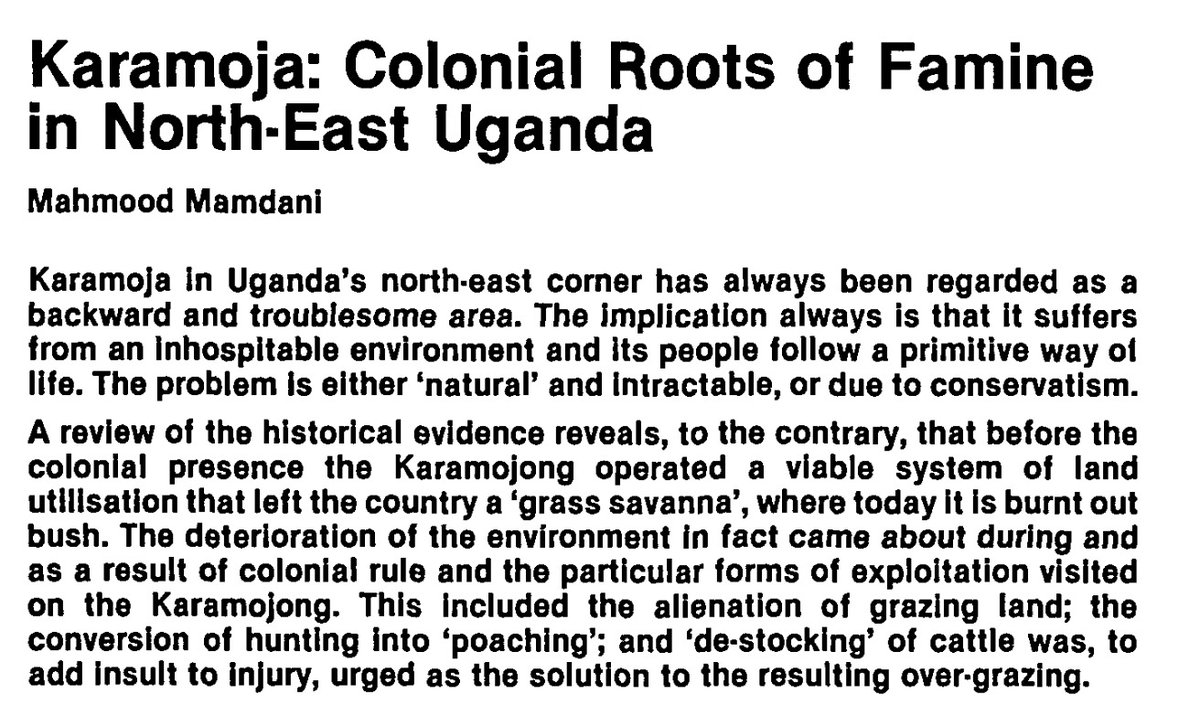
While it can be said that most Ugandans do not know much about #Karamoja, the narrative surrounding this region is not as surprising as it is shocking, especially after learning that it is by design.
DM for full paper.
On some days, awareness of the systemic social injustices is so overwhelming. The wars, femicide, misogyny, sexual violence, homelessness, hunger, state brutality... I am tired.