وَمَـا حُـبُّ الدِّيَـارِ شَغَفْـنَ قَلْبِـي
ولَكِـنْ حُـبُّ مَنْ سَكَـنَ الدِّيَـارَا
It's not love of the walls that has enraptured my heart, but love of the one who used to live in these walls.
هذا اعتقاد شائع أن الكلمة القرآنية "أساطير" تعني "القصص"، والصواب أنها تعني "الكتابات" من الجذر "سطر" أي "كتب". وهذا النقش الصفوي الذي فيه عبارة "أسفار الأولين" أي "كتابات القدماء" يؤكد معنى الكلمة القرآنية. وطبعًا لا دخل هنا "لقصص توراتية" مزعومة. انظر👇
https://t.co/oIgqqRSael
Both “trust” and “tree” come from the Proto-Indo-European root deru-, meaning "be firm, solid, steadfast".
Like a tree that grows tall while staying rooted, trust helps us grow strong in ourselves and our relationships.
“The Latin definition gets support from the ancient myth of Addictus. The myth tells the story of a slave who is set free from his master but became so used to his chains, that he wandered the land with his chains still attached even though he could have removed them at any time”
Tawassum is a close Arabic equivalent to sizing someone up, but it’s more about reading features and qualities than assessing someone.
It comes from the root w-s-m, meaning a mark, the same root for simah, a distinguishing feature or characteristic.
Tawassum is about looking beyond the surface. It's used in this sense in the Quran in Al-Hijr: "Indeed in that are signs [lil-mutawassimīn] for those who discern."
«إِنَّ فِي ذَٰلِكَ لَآيَاتٍ لِّلْمُتَوَسِّمِينَ»





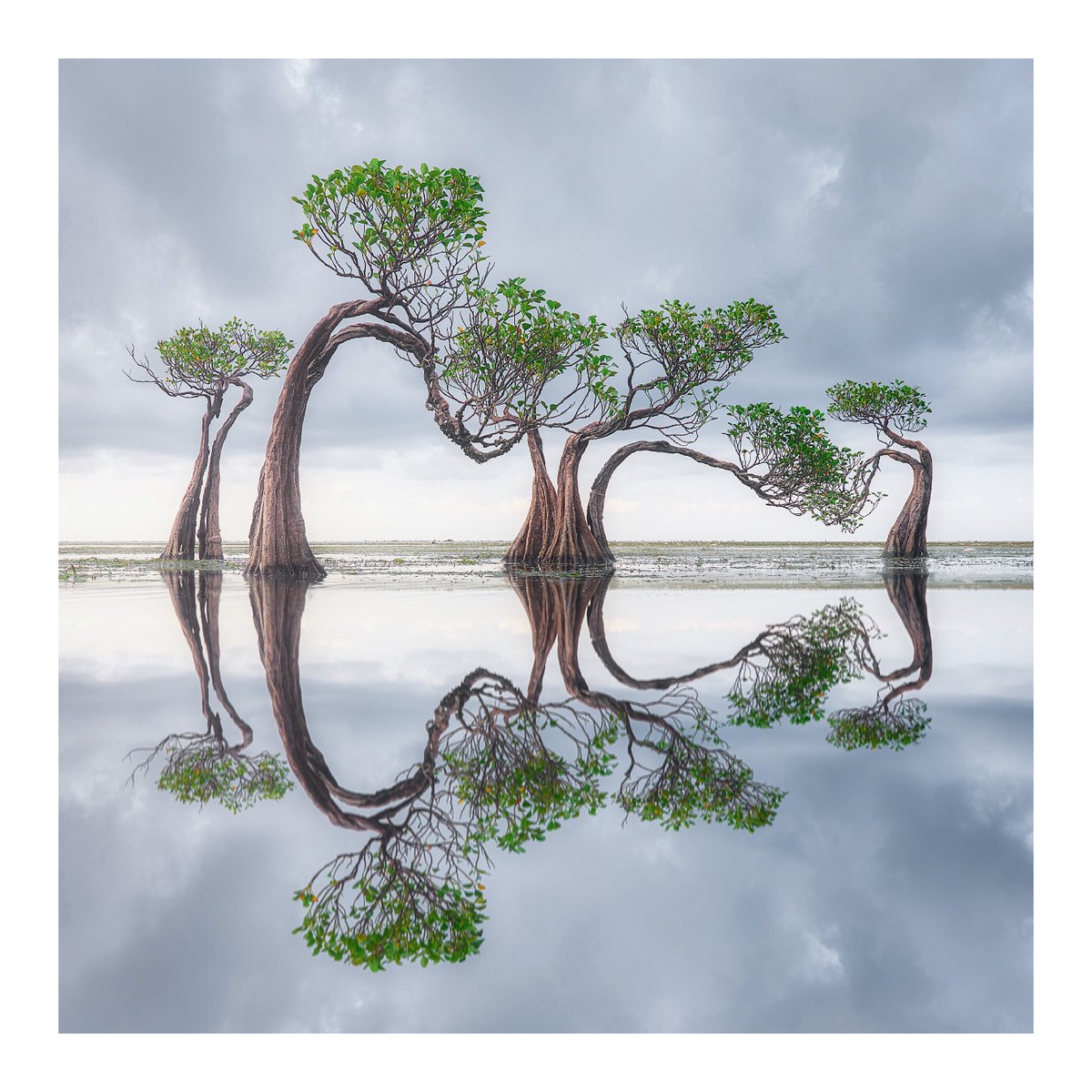
![AlMaqamat_'s tweet photo. Tawassum is a close Arabic equivalent to sizing someone up, but it’s more about reading features and qualities than assessing someone.
It comes from the root w-s-m, meaning a mark, the same root for simah, a distinguishing feature or characteristic.
Tawassum is about looking beyond the surface. It's used in this sense in the Quran in Al-Hijr: "Indeed in that are signs [lil-mutawassimīn] for those who discern."
«إِنَّ فِي ذَٰلِكَ لَآيَاتٍ لِّلْمُتَوَسِّمِينَ»](https://pbs.twimg.com/media/HOzv93FXsAAr064.jpg)


