@Riku_Ranta Pikemminkin omalla nimellä esiintyviä ei voi uskoa, koska heillä on intressi poseerata&esittää omassa viiteryhmässä suosittuja näkemyksiä. Anonyymi voi puhua totta. Tärkeintä on tieto&argumentit, ei nimet&naamat. Omalla nimellä esiintyvä ei ole *vielä* joutunut vainon kohteeksi.
En oikeastaan näe enää mitään syytä YLE-verolle. Se ei saa olla pakollinen. @Yleisradio on valinnut puolensa, se ei ole puolueeton media. Toisekseen emme edes tiedä mihin se rahansa käyttää; läpinäkyvyys ei toteudu. #yleveropois
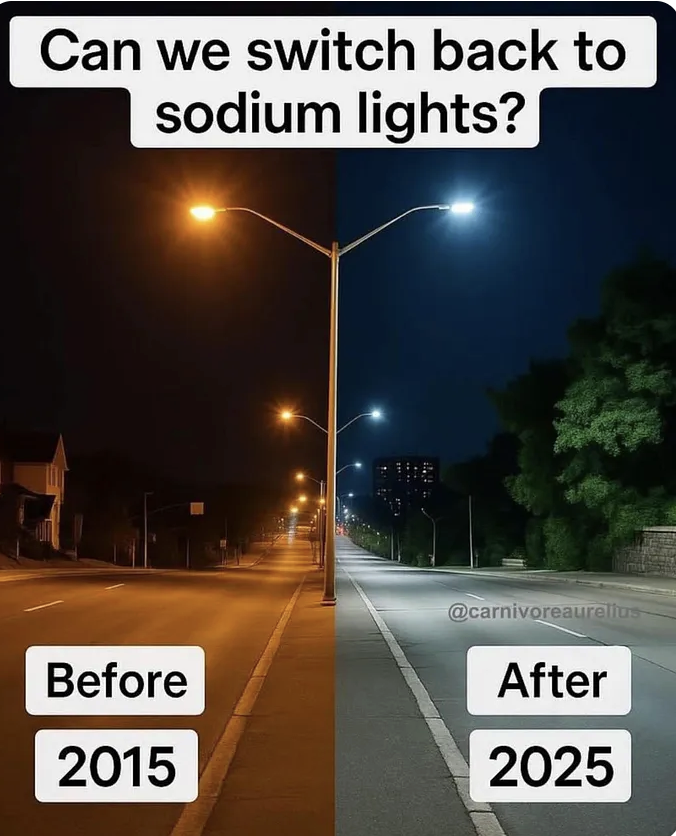
The change in lighting that affects our mental health 💡
Not so long ago, streets were lit with warm lights;amber tones that glowed in the night and created a sense of pause. Today, however, white light dominates: the kind we see in offices, hospitals, schools, and public transportation.
In recent days, there’s been a lot of talk about how the world feels colder ❄️, grayer, as if it has lost its vibe. And it’s no coincidence that Pantone chose white as the Color of the Year for 2026….everything is becoming cleaner, more neutral, and more impersonal.
Cool light has become synonymous with modernity, order, and aesthetics, while warm light, the kind we associate with home, candles, fire 🔥 🕯️, and rest;now feels old-fashioned, outdated, and almost unnecessary.
The problem is that this shift has real consequences. White or bluish light keeps the brain in a constant state of alert, as if something is always happening, and it suppresses melatonin, the sleep hormone 😴. This confuses our bodies about when it’s day or night, prevents proper rest, and makes us more irritable.
Today, streets feel harsher, more hostile, and less human under a light that never turns off. And the message is clear: this is not a place to rest…this is a place to produce. Slowly, we forget what it feels like to pause and return to ourselves.
Muistan hyvin, miten väärinä näkemyksiäni pidettiin, kun vastustin suostumustunnusmerkistön lisäämistä raiskauksen tunnusmerkistöön.
Ohessa linkki asiasta lakivaliokunnalle antamaani lausuntoon eli näyttöpulmat olivat kyllä tiedossa etukäteen.
https://t.co/QEnQkm8NVF
They attacked butter, we got margarine and seed oils.
They attacked leather, we got plastic shoes that fall apart.
They attacked wool, we got polyester that sheds microplastics.
Now they're attacking beef and offering you textured vegetable protein grown in factories.
Notice the pattern? Every "improvement" is worse for you and better for corporate profits.
Traditional materials work. Industrial substitutes don't. It's not complicated.
Antti Heikkilä nöyryytettiin ja haukuttiin julkisesti kun hän julkaisi "Lääkkeetön elämä" -kirjansa 2018.
Yhdysvaltain uudet ruokasuositukset ovat lähes identtiset Antti Heikkilän suositusten kanssa.
Huomaammekin että hän oli yksinkertaisesti edelläkävijä, eikä:
- "Huuhaalääkäri" (Valtsun terveysblogi),
- "Hihhulisaarnaaja" (A-talkin keskustelussa THL:n edustajat)
- "Harhaanjohtavien väitteiden levittäjä" (Faktabaari)
- "Kohulääkäri" (Yle ja HS)
- "Tieteenvastainen" (Skepsis-yhdistys)
- "Valehtelija" (Valtsun terveysblogi)
- "Vaarallinen huuhaan suoltaja" (Skepsis-yhdistys)
Skepsis-yhdistys antoi hänen kustantajalleen Otavalle vuoden 2018 huuhaa-palkinnon.
Jälleen yksi esimerkki siitä miten "tiede" tarkoittaa useimmiten vain valtavirran sen hetkistä näkemystä. Oikea tiede taas tarkoittaa epäluottamusta asiantuntijoihin, kuten nobelpalkittu Richard Feynman sen osuvasti muotoili.
Onneksi olkoon, ankeuttajat.
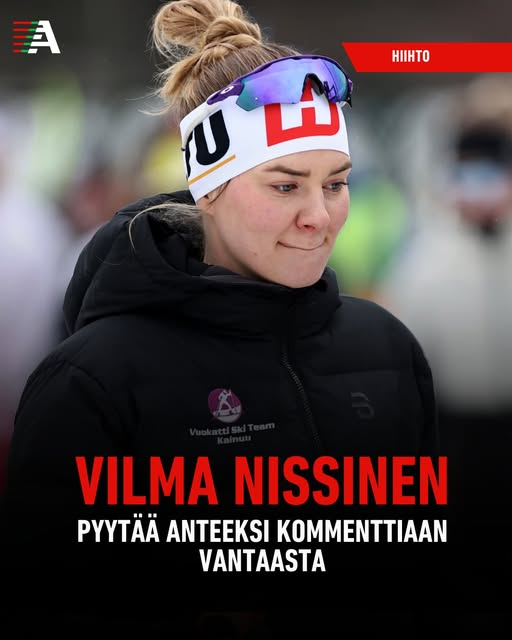
Suomalainen naisurheilija ei viitsi sanoa haastattelussa yhtään mitään.
Vilma varmasti uskaltaisi, muttei viitsi.
Hieno on maamme keskustelukulttuurin tila!