Why attend #ICOPA2026?
🔬 The latest science
🌎 Global networking
💡 New ideas for global health
🎨 Montréal’s vibrant culture
Join the world’s leading parasitology congress!
👉 Stay updated: https://t.co/D5XtpqD21G
#Parasitology#GlobalHealth#ScienceConference
Great to hear that exploring differences between natural cavities and nestboxes is interesting. Our papers https://t.co/i4pcsOqj7n and https://t.co/nH3uImzOjt are both #TopCitedArticle and the first one got to be a #TopDownloadedArticle in @AvianBiology.
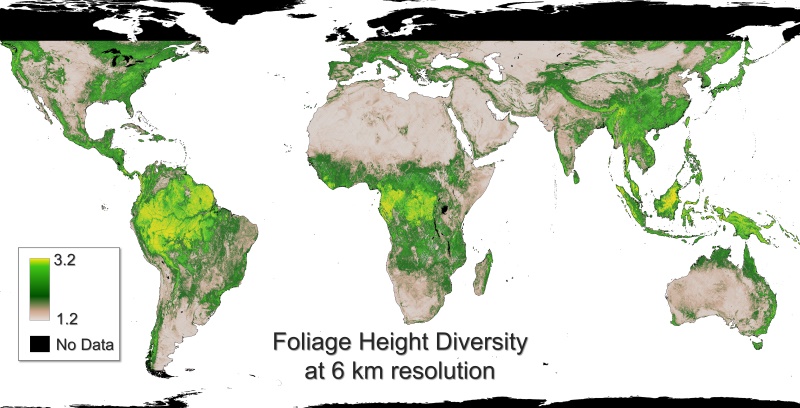
New dataset ➡️ Gridded GEDI Vegetation Structure Metrics and Biomass Density at Multiple Resolutions
Near-global, analysis-ready, multi-res gridded veg structure metrics derived from #GEDI L2 & L4A products associated with 25m diameter lidar footprints!
https://t.co/DVOITOTYgT
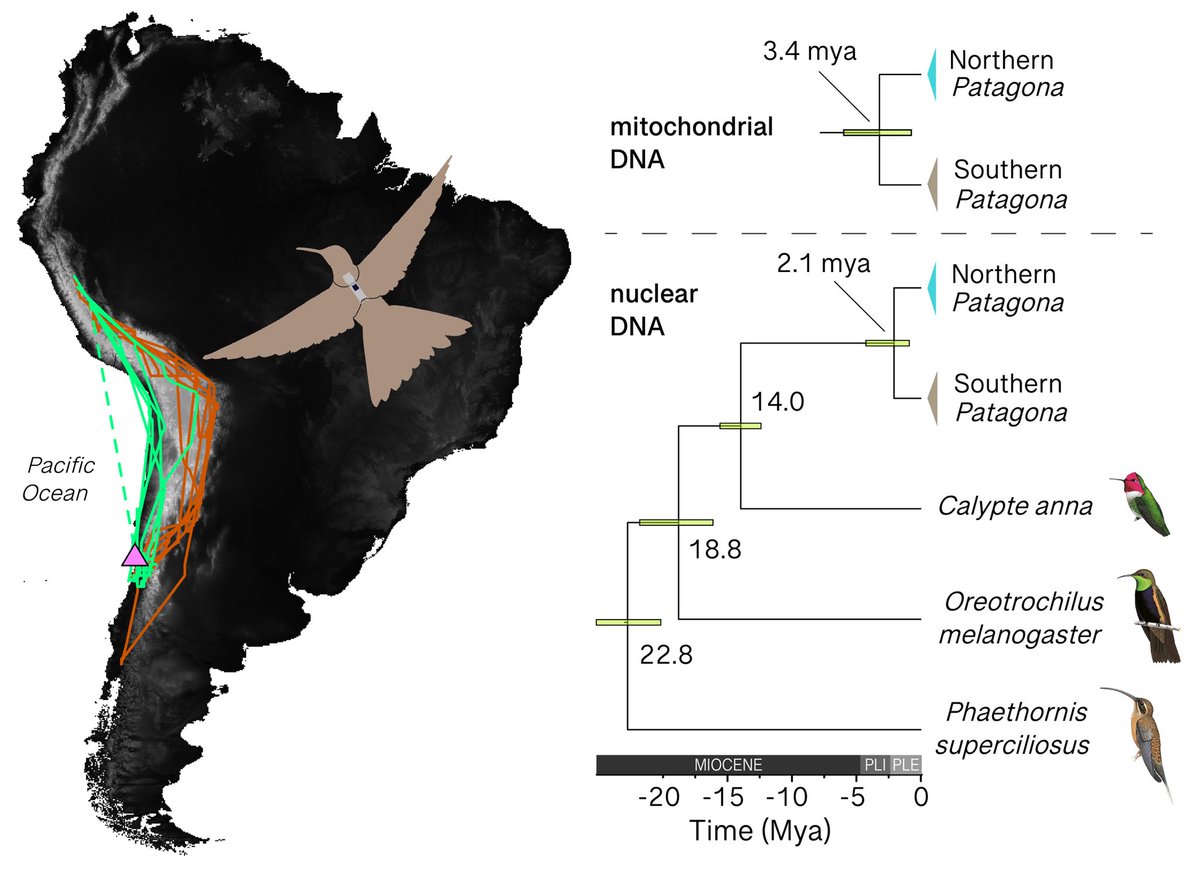
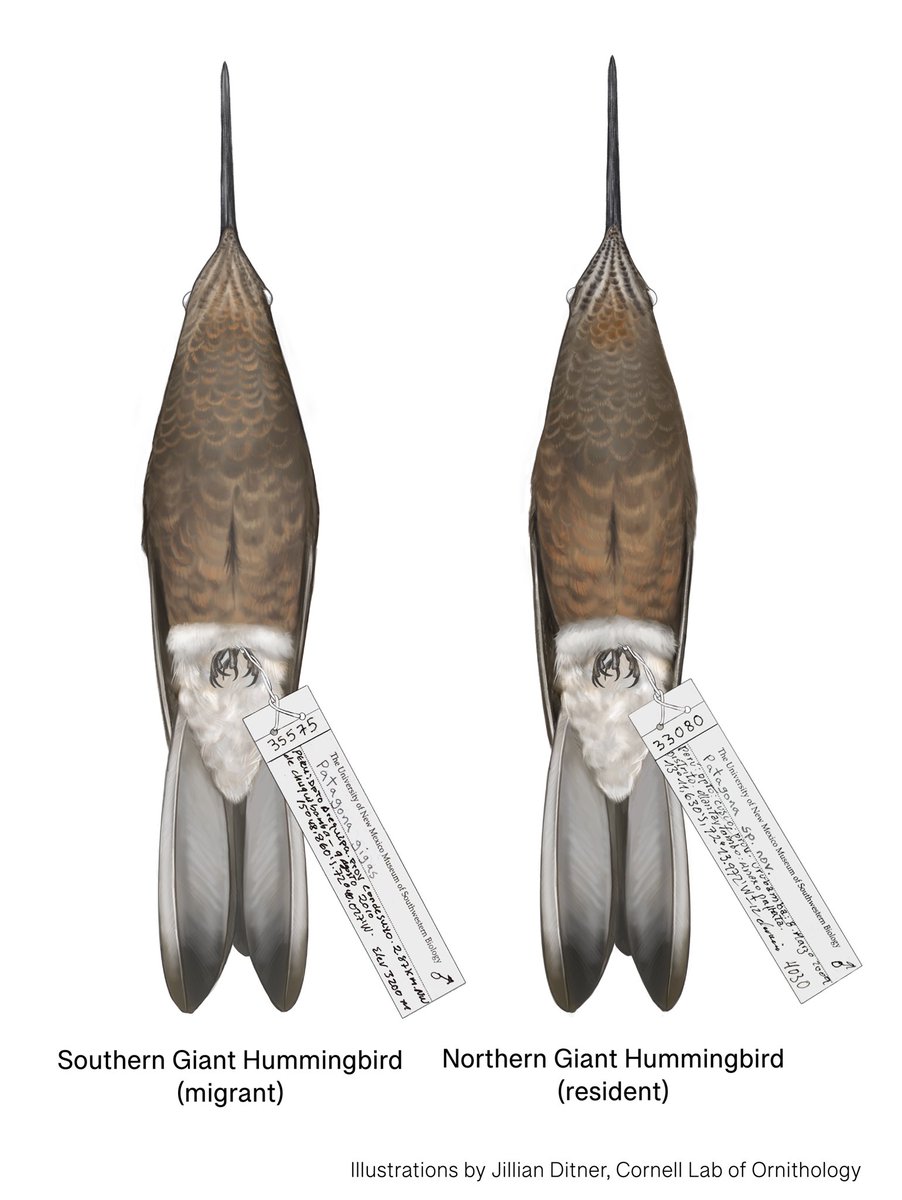
The biggest hummingbird in the world is a new species.
Now out in @PNASNews and 8 years in the making, here's how we figured it out with mini tracking devices, genomics, and a century and a half of museum specimens.👇
https://t.co/rVYRpWvGR3
🧵1/
Global analysis of Malaise trap data using #DNAbarcode BINs = arthropod beta-diversity is spatially and temporally structured by latitude. Commun Biol 7, 552 (2024). https://t.co/yW17hh7fRz @iBOLConsortium
Juntem-se a nós na Edição Pantanal do maior curso de formação de mirmecólogos na América Latina! Inscrições abertas!
Programação e informações: https://t.co/tDKPAfeT8t
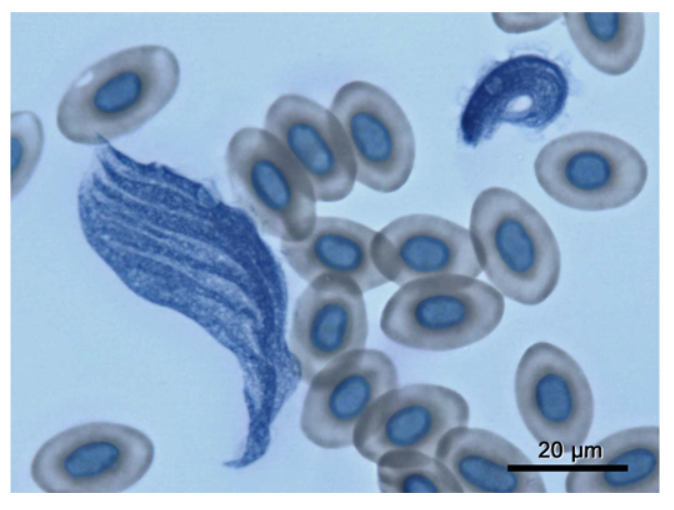
In this report, authors present different methods that give a promising solution to characterize trypanosome diversity among multiple morphotype infections. Read the full report here: https://t.co/CvT2pQHRgk
#journal#parasitology#research
In this report, authors present different methods that give a promising solution to characterize trypanosome diversity among multiple morphotype infections. Read the full report here: https://t.co/CvT2pQHjqM
#parasitology#journal#research#Report
New Drymophila antbird from the Pernambuco Center of Endemism in northeastern Brazil, already on the brink of extinction. https://t.co/QEBEhmk0xd @VQPiacentini@CoelhoMaldonado
December 1 to 6, 2024, the WDA's Annual International Conference is heading to Australia for a truly transformative event.
The website is coming soon, but in the meantime sign up for updates at https://t.co/bDhIqiDkSj
Read more in the Quarterly https://t.co/2Ac1MdLI5j
It was so much fun contributing to this paper lead by the AMAZING mammalogist Dr. Silvia Pavan, a role model researcher! "A hint on the unknown diversity of eastern Andes: high endemicity and new species of mammals revealed through DNA barcoding" https://t.co/zClIzoHyqw
🌿📊Interested in Ecological Time-series analysis & forecasting with R?
🌍 Unlock the secrets of wrangling, visualizing, and analyzing ecological data using the powerful {mvgam} and {brms} packages.
🚀Explore the journey with @nj_clark: https://t.co/v4lTVjShyd
If you are an early carreer scientist or a professional in the field of biodiversity, you must not miss this amazing oportunity.
PhD candidates, postdocs, young professors, professionals working in NGOs, governamental agencies, companies ... are all invited to apply.
Read on - I have to admit it’s one of the coolest studies I happened to participate in (and supervise with one and the only @itchyshin) The breadth and extent of what @PatriceEcoEvo has done is mind-bending)
Thrilled to end this year seeing @LiaSchlippe’s 1st PhD paper out in @STOTEN_journal 🎉👉🏼 https://t.co/A6KT3YF2Hd We show that high amounts of Hg can be found in the small, inland pools where dyeing #poisonfrogs raise their tadpoles. Why does this matter? See 🧶⬇️ (1/4)
New in Current Research in Parasitology & Vector-Borne Diseases @CRPVBD
REVIEW
▶️https://t.co/Lw5lAJRBFY
@Amandadb_Mur@siobhon_egan
��The majority (> 91%) of Cryptosporidium detected in bats to date are bat-specific.
📌Detection of zoonotic Cryptosporidium in bats likely due to mechanical carriage.
📌The risk of zoonotic transmission of Cryptosporidium from bats to humans is low.
📌Giardia from bats have not been genotyped to species or assemblage level.
📌The role bats play as reservoirs of zoonotic Giardia spp. is unknown.