Published simultaneously with ISGD Clinical Trials Summit 2026, a #ASNJASN study found that finerenone preserved kidney function and produced clinically meaningful reductions in proteinuria in participants with FSGS in FIND-CKD. https://t.co/E3w2JQrrO4
Could PDGF-C be a new target for kidney disease treatment? Blocking this pathway reduced kidney inflammation, scarring, and loss of function in preclinical studies, according to #BasicResearch in #ASNJASN. https://t.co/KzroCspAMm
#ASNJASN: A new approach for ADPKD? Low-dose abemaciclib reduced cyst growth more effectively than tolvaptan in mouse models and even reversed disease progression in some animals by restoring polycystin function in kidney cilia. #BasicResearch https://t.co/BDeKZYNLum
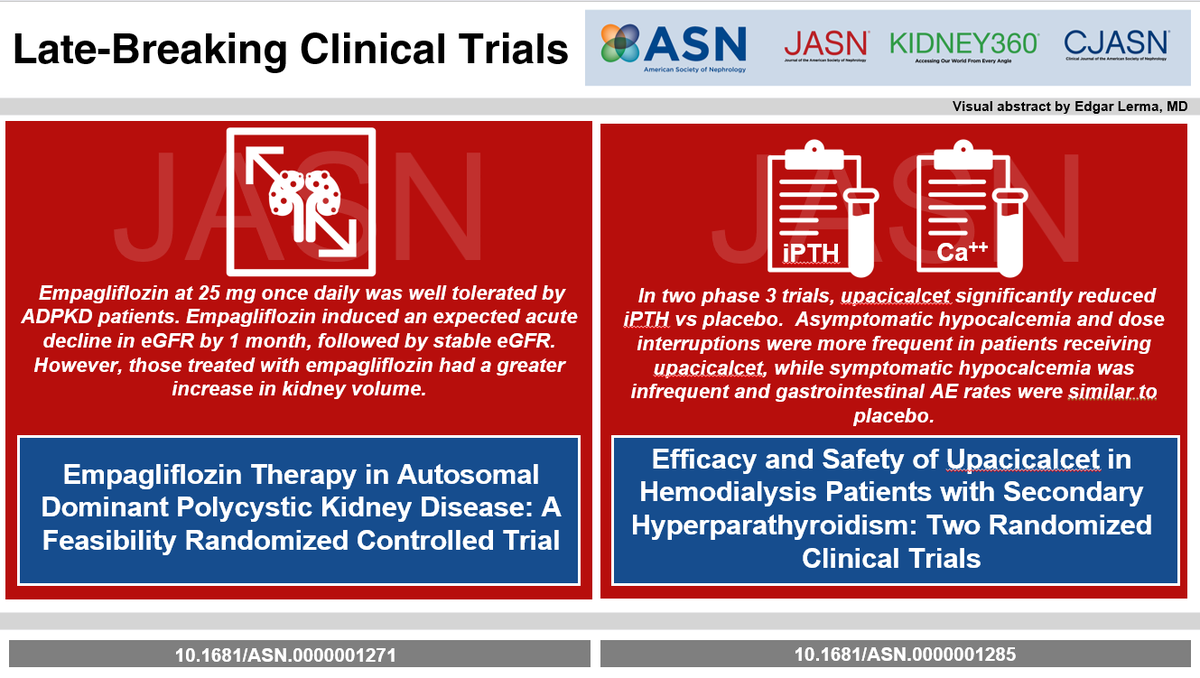
New ASN Kidney Translation Podcast episode reviews 2 late-breaking clinical trials published simultaneously with #KidneyWk: empagliflozin in ADPKD and upacicalcet for secondary hyperparathyroidism in hemodialysis. https://t.co/DLwd9IonRR
Advancing kidney therapeutics and amplifying patient voices, Aliza Thompson, MD, MS, is the inaugural recipient of the joint ASN-NKF award. Her leadership at the FDA has helped move kidney disease drug development forward. #ASNKidneyNews
https://t.co/rAPuzcljWM
Advancing ADPKD Research!
Dr. Stephen Seliger presented collaborative research on empagliflozin therapy in ADPKD at ASN Kidney Week 2026. Congratulations to Drs. Seliger and Chonchol!
Publication: https://t.co/JcWTOJTukp
#ADPKD#KidneyResearch
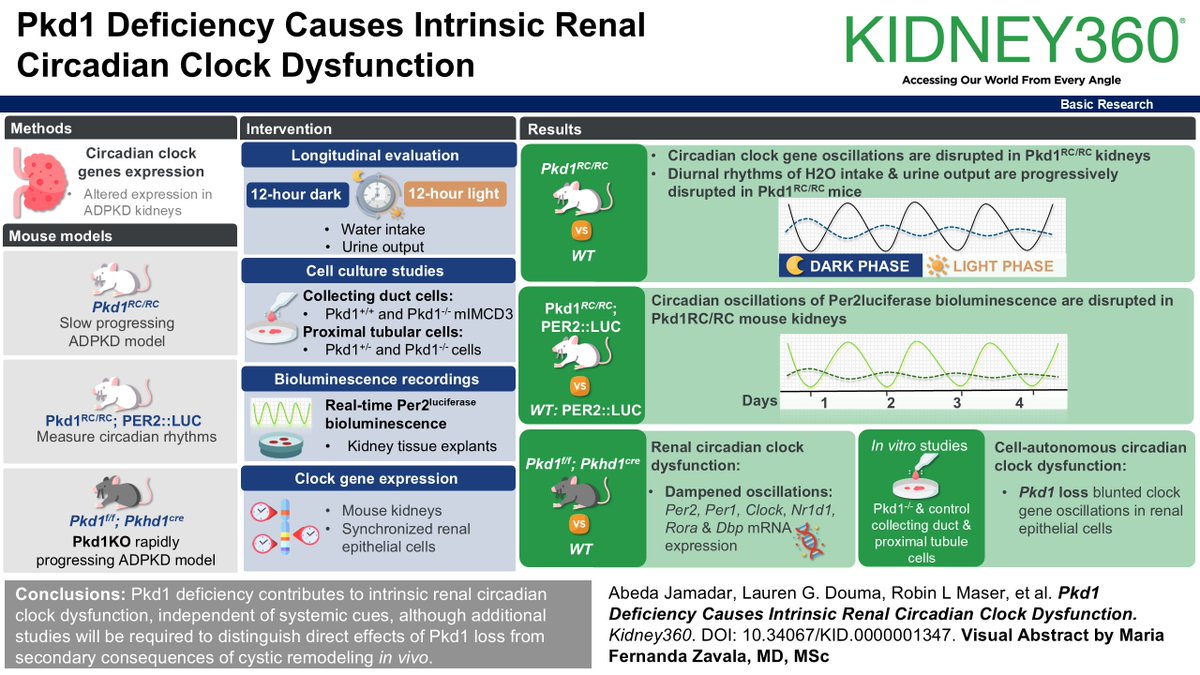
Our kidneys have their own “body clock.” A #basicresearch study in #ASNKidney360 suggests that in ADPKD, that clock may be disrupted as cysts grow. Researchers hope these findings could lead to new ways to protect kidney function in the future. https://t.co/UuBztS8A2M
New in #ASNJASN and simultaneously published with #KidneyWk: Study found empagliflozin 25 mg once daily for 12 months was safe & well-tolerated in adults with ADPKD at high risk for rapid progression. Those treated with empagliflozin had greater increase in kidney volume https://t.co/DFO5l5wsMd
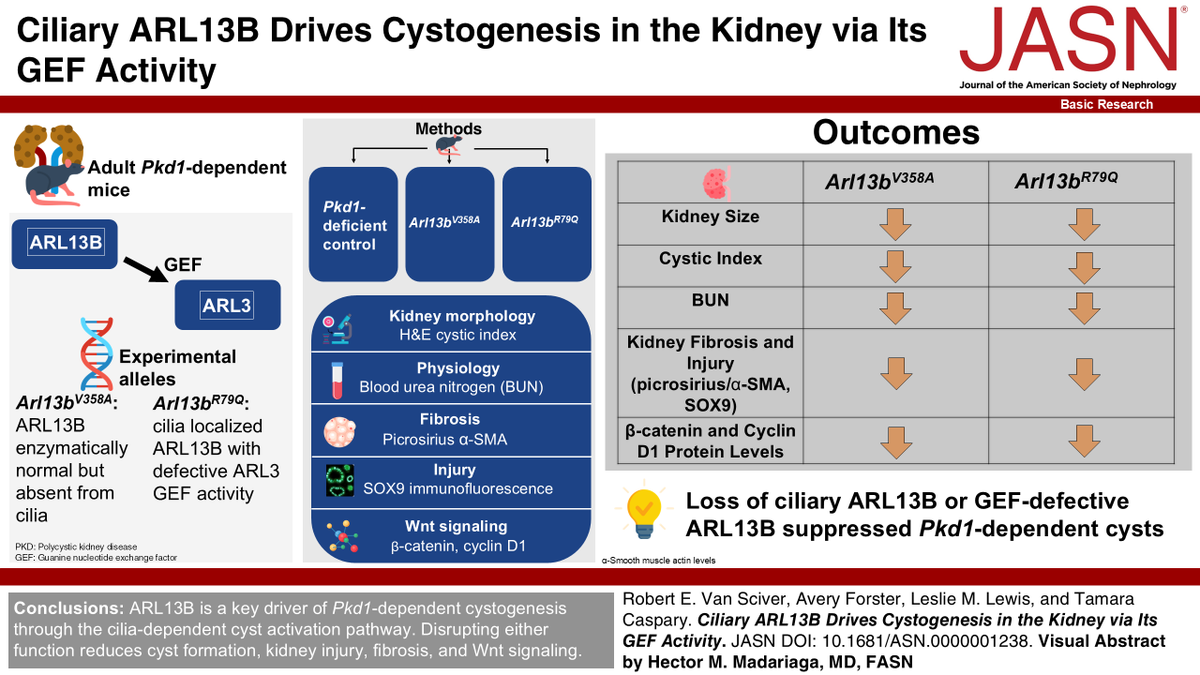
Basic Research published in #ASNJASN identified a protein called ARL13B that helps drive cyst growth in polycystic kidney disease. In mice, blocking this protein reduced cyst growth and improved kidney health, suggesting it could be a possible target for future treatments. https://t.co/aL8lhIJzKN
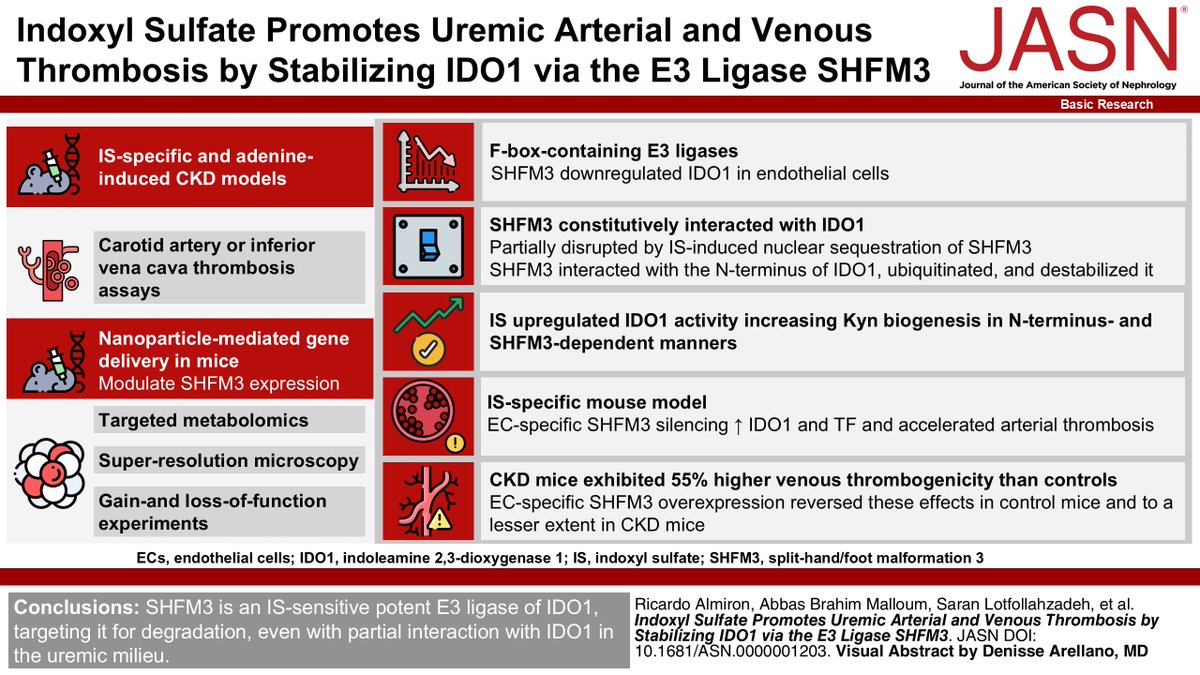
New research published in #ASNJASN helps explain why people with chronic kidney disease are more prone to blood clots and points to a potential new target for preventing these serious complications. https://t.co/Vw2D7a1ujz
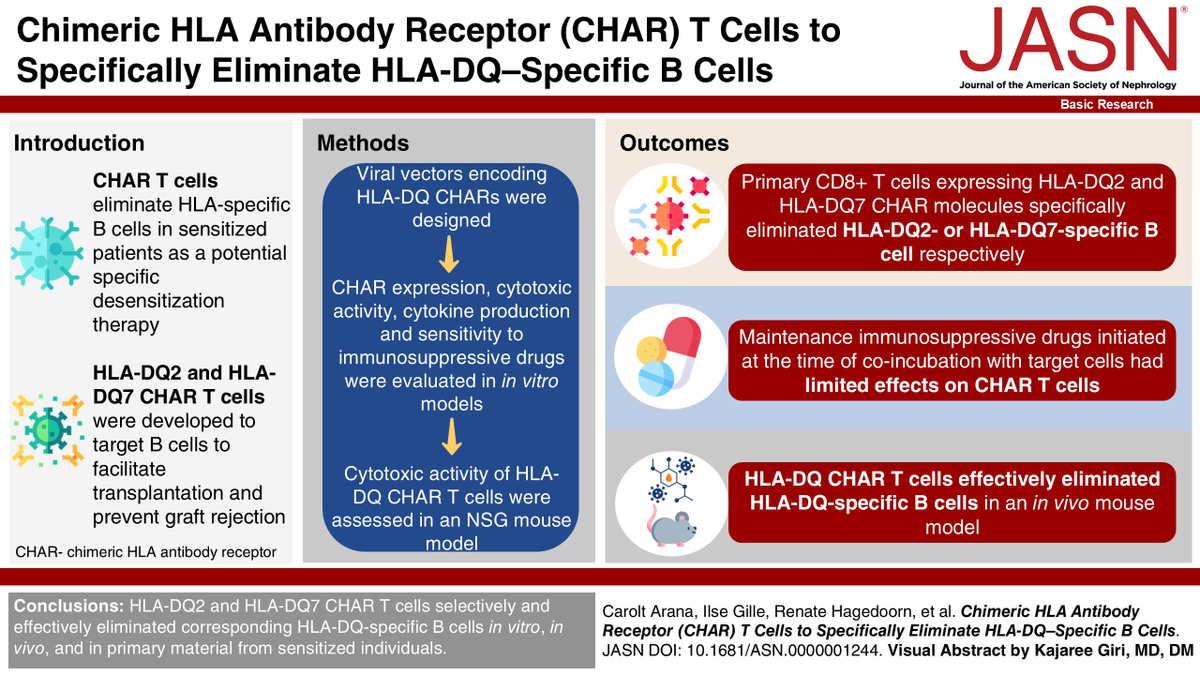
Could a novel CHAR T-cell therapy provide a targeted way to desensitize kidney transplant candidates with HLA-DQ antibodies? Read #BasicResearch#ASNJASN to find out. https://t.co/7uYLxXQO92
Some people with HIV who carry high-risk APOL1 genes may be less likely to develop kidney disease if they also have the APOL1 p.N264K genetic variant. This finding in #ASNJASN may help doctors better understand an individual's kidney disease risk in the future. https://t.co/J6wwA7m1Vz
🏆 Lillian Jean Kaplan Prize for PKD: Feng Qian. Learn more: https://t.co/L1QmcUMCc7
“I am deeply honored and humbled to receive the Lillian Jean Kaplan International Prize. This recognition reflects the collective efforts of many outstanding colleagues, trainees, collaborators, and patients whose contributions have advanced our understanding of polycystic kidney disease. While significant progress has been made, important challenges remain. I look forward to continuing the pursuit of discoveries that deepen our understanding of PKD and ultimately improve the lives of patients and families affected by this disease.” Prof. Qian