@emblebi Like all Noble Prizes, selecting 3 people - even just in the big teams around them - seems a bit weird - let alone the key people stretching back - John Moult and the CASP team; Chris Sander and @Alfons_Valencia on evolutionary signals/co-evolution in the 1990s
@TriggerLoop@RyanDhindsa@RMeyerSchuman And that's a serious technical problem that probably entirely explains the results. This is a crude way of looking at it, but the real signal is below the red line and it's nearly all non-synonymous
Today! Folks at FOCIS. Check out our work on how to Protect Therapeutic Cells From Targeted Immunotherapy. Presented by Anna Devaux https://t.co/pWUTd42uJE
Looking for the next step in your career🚀? Join our Team! Our Center for #DataAnalytics at University of Basel is looking for experts in machine learning/ advanced statistics 👉 https://t.co/Py5PoiYwZU
@UniBasel_en@ISBSIB@DHLabBasel
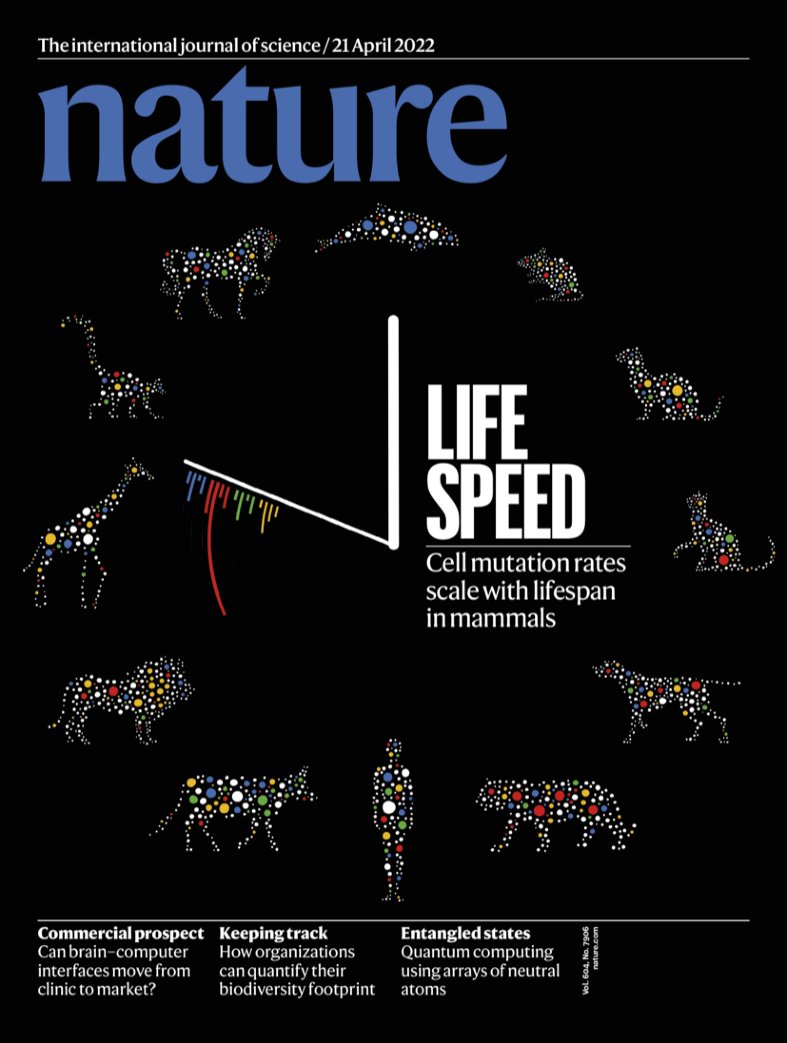
As a scientist and an illustrator having our article featured on the cover of @Nature is a dream come true
I've done an illustrated tweetorial, so this is the illustrators' tweetorial.
So excited to introduce Cimeio Therapeutics! With technology discovered at @JekerLab, incubation at Ridgeline Discovery, and Series A funding from @VersantVentures, we aim to transform HSC transplant.
https://t.co/8F2SgbBNaz
Also in @Nature this week: a computational method called EVE (evolutionary model of variant effect) which predicts the functional effects of genetic variants based on evolutionary conservation and sequence context without clinical labels and supervision
https://t.co/uI35mpEy6D
BREAKING NEWS:
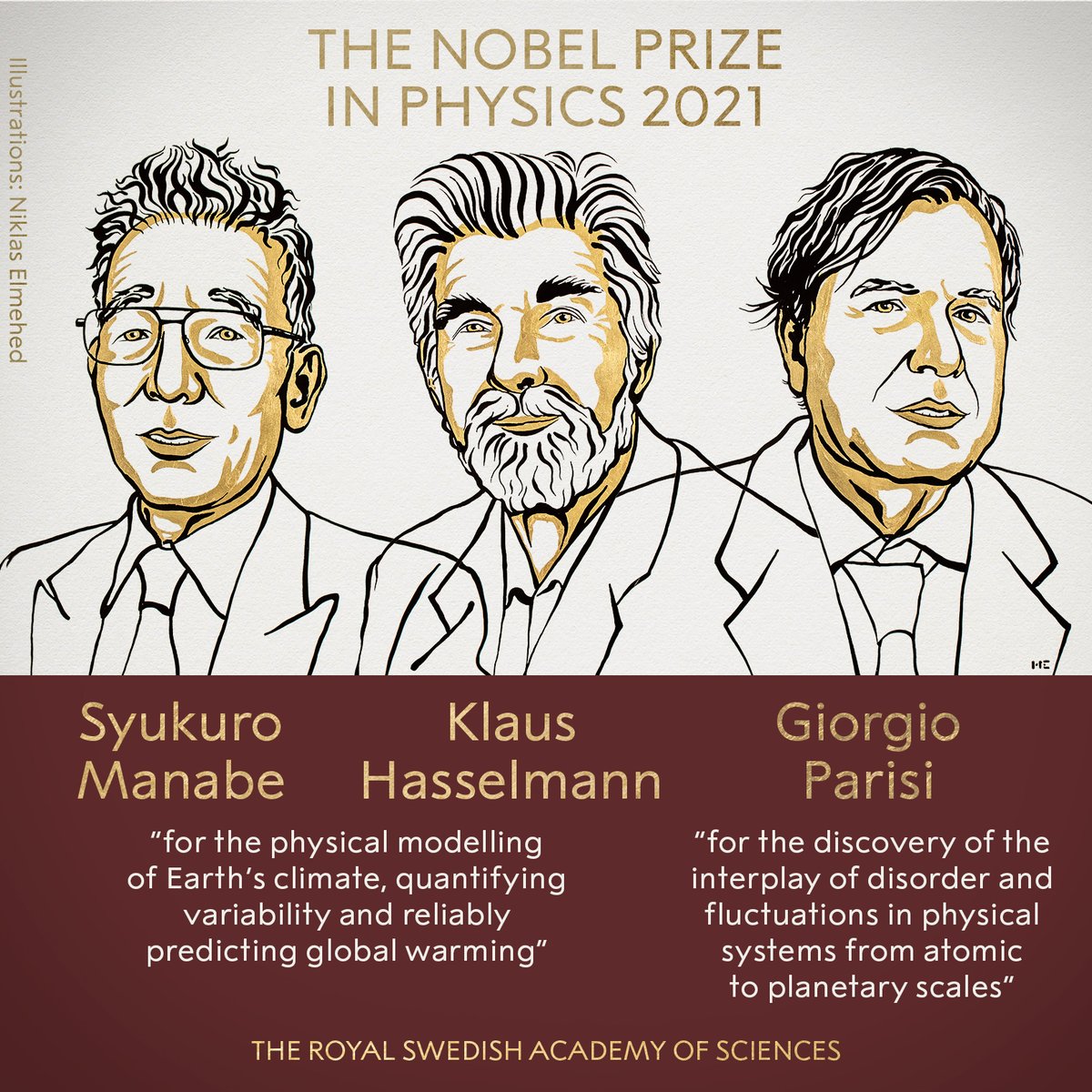
The Royal Swedish Academy of Sciences has decided to award the 2021 #NobelPrize in Physics to Syukuro Manabe, Klaus Hasselmann and Giorgio Parisi “for groundbreaking contributions to our understanding of complex physical systems.”
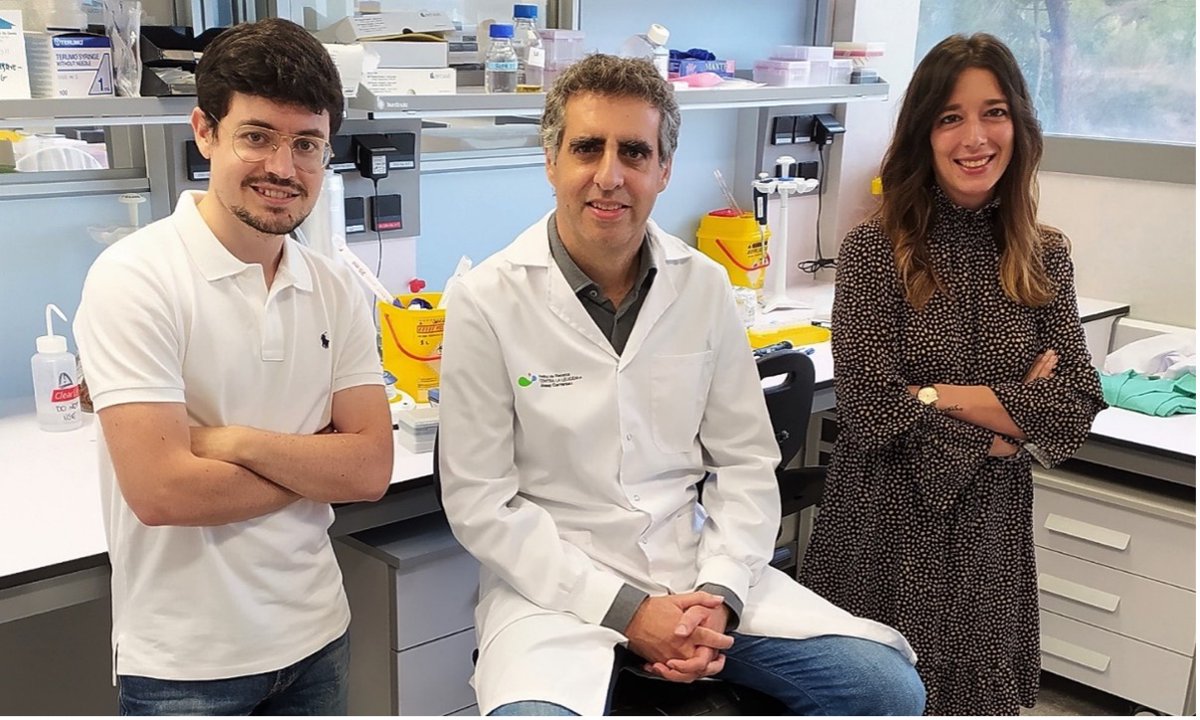
🆕 Resarchers from @ManelEsteller lab show that #epigenetics predicts the efficacy of CAR-T treatments in hematological malignancies.
Find out more about this article, published in @JNCI_Now, @theNCI, @OUPAcademic.
➡️ https://t.co/psYpKDoAIG
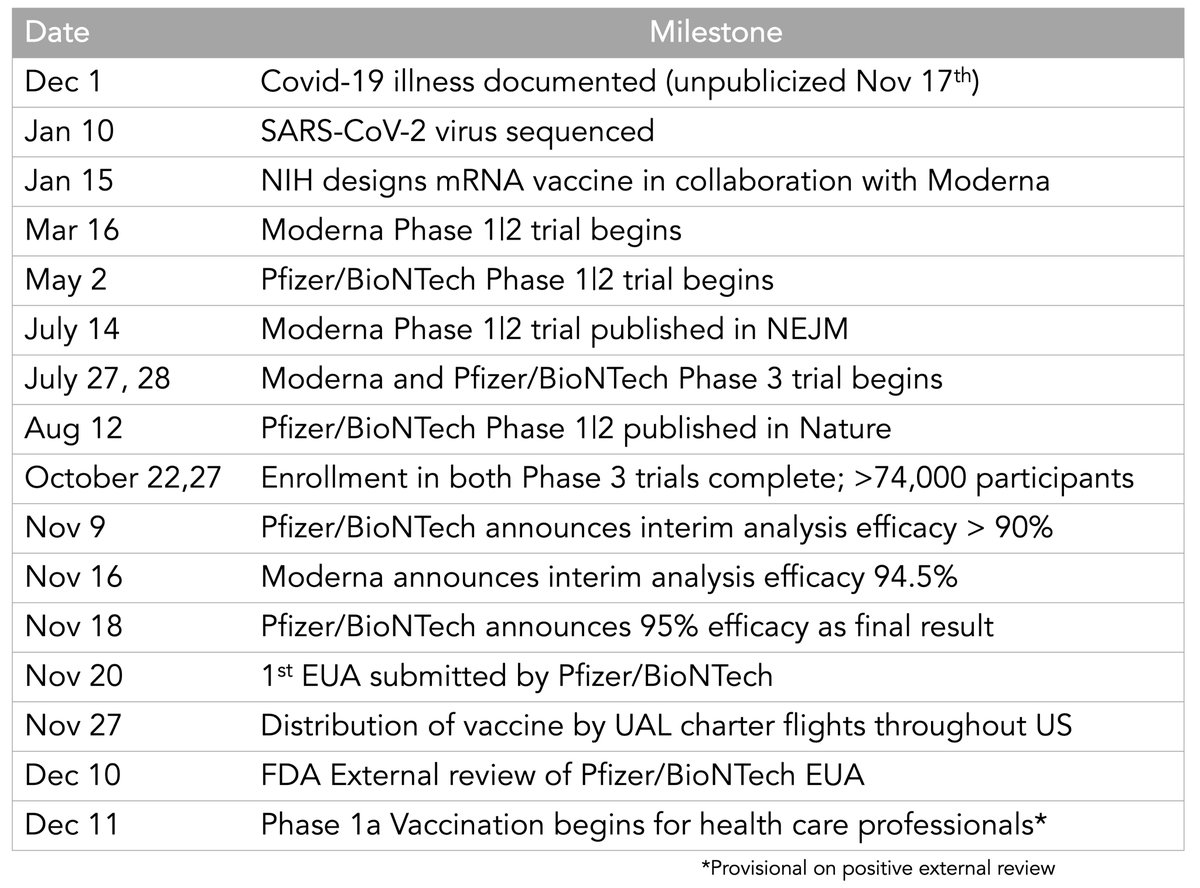
This will go down in history as one of science and medical research's greatest achievements. Perhaps the most impressive.
I put together a preliminary timeline of some key milestones to show how several years of work were compressed into months.
I'm excited to see our MachineLearning work on human disease genetics out in NAR https://t.co/38lmteyV5F DGLinker predicts new candidate genes given a set of known disease genes.Great team effort JiajingHu et al @Nicole22874565 @_danbean@Albalepore@AmmarAlChalabi@richdobson