Il delfino è una sentinella del mare. A #Nanoinnovation2025 Alberto Rainer, Professore di Bioingegneria #UCBM, ha presentato il progetto INVENT con la Professoressa Cinzia Centelleghe dell'@UniPadova: studiare i #PFAS con modelli innovativi per proteggere ambiente, animali e uomo.
Today we enter the @Haas_Automation family with a brand new 5-axis CM-1 & TRT-70 table that we will use for precision micro-machining of biomedical devices. let’s make some chips! @CampusBioMedico
“Riconoscere il valore della vita come centrale è il fulcro della #formazione e la professione medica. E Sami Modiano trasmette questo valore con la sua testimonianza”. Le parole di Vincenzo Di Lazzaro, Preside della Facoltà di Medicina e Chirurgia UCBM durante la Laudatio.
“La #medicina, la chirurgia, la #ricerca sono importantissime. Mi trovo in un posto dove c’è speranza. Voi fate di tutto per aiutare il prossimo. E questo è molto, molto importante”: Sami Modiano, testimone della #Shoah in occasione del conferimento della Laurea honoris causa.
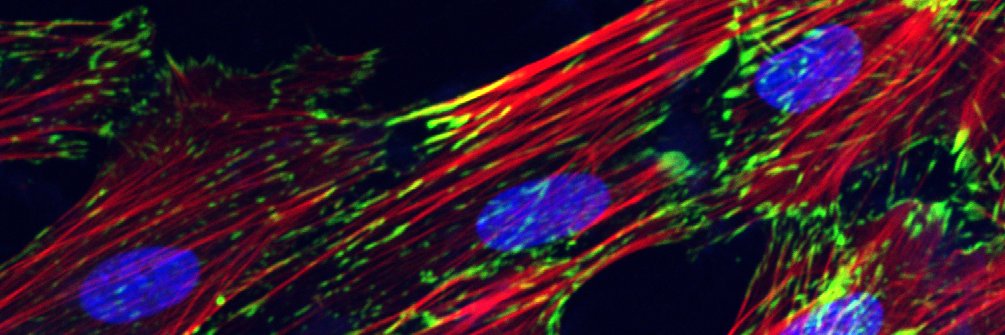
By allowing students to truly understand and appreciate the incredible molecular machines inside cells and the lifeforms they manifest, we are bringing biology to life and changing how the world understands biology. This is why we do what we do. Visit https://t.co/YXFLfHn2JO
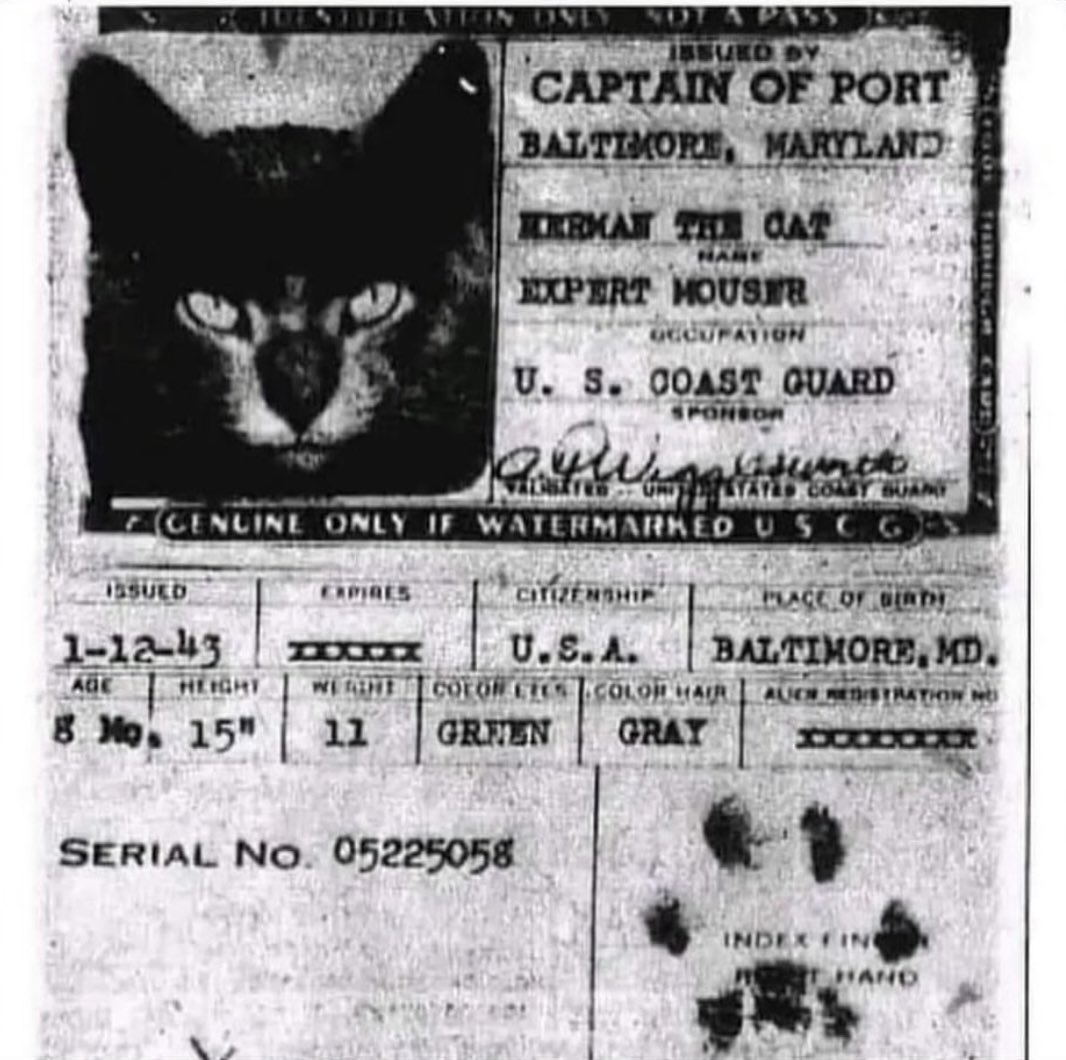
During the mid-20th century, cats played an important role on ships as skilled rodent catchers. Sailors realized that having cats aboard helped control the population of rats and mice, which were notorious for damaging supplies and spreading diseases. These ship cats became valued members of the crew and were even given passports to acknowledge their contribution and ensure their safety during international travels.
The passports for ship cats were a unique and lighthearted tradition. While they didn't serve any legal or official purpose, they were created to recognize the cats' role and provide a form of identification. The passports typically consisted of a small booklet with pages that included the cat's name, description, and an area for their paw print.
When it was time to depart or dock in a foreign port, the ship's captain or crew members would present the cat's passport to the authorities as a fun way to document the feline's presence onboard. The cat's paw print, obtained using ink or paint, was added to the designated page, providing a personalized and whimsical touch to the document. This practice not only amused the sailors but also showcased the camaraderie they shared with their feline companions.
While these ship cat passports were not legally recognized, they symbolized the close bond between humans and their feline shipmates. They served as a reminder of the cats' essential role in maintaining a clean and rodent-free ship, thus safeguarding the crew's provisions and health during long sea voyages.
However, as the mid-20th century progressed and maritime practices evolved, the reliance on ship cats diminished with the advent of more effective pest control methods. With the decline in the need for ship cats, the tradition of issuing passports gradually faded away. Nevertheless, the memory of these seafaring felines and their unique passports continues to fascinate and entertain those interested in maritime history and the unique relationships forged between humans and animals at sea.
Happy to share that our MIC-AIM project #PRIN2022 was selected for funding 😀
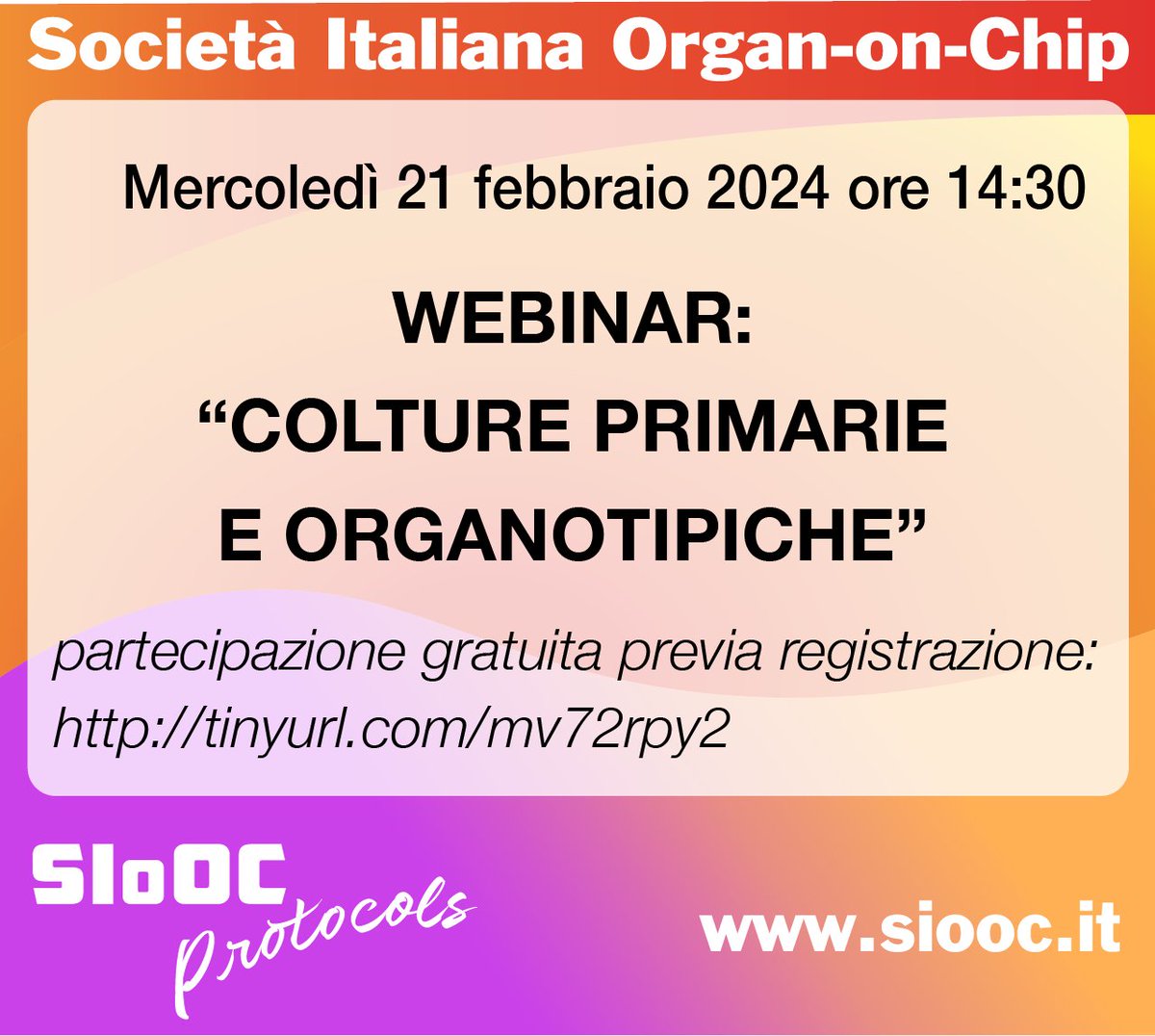
Get ready to hear about impedance-based online monitoring of cell-carrier complexes!
Joint research among @ing_torvergata@CNR_IFN@AlbertoRainer
It is always nice entering a spectrally resolved airport 😂 “We inform all passengers that the flight xyz will be boarding through gate AlexaFluor488” #spectroscopy