Sigamos sumando a la lista de TOP paraclinicos exoticos:
Glicosilada 21.4%
Glicemia 1107 mg/dl
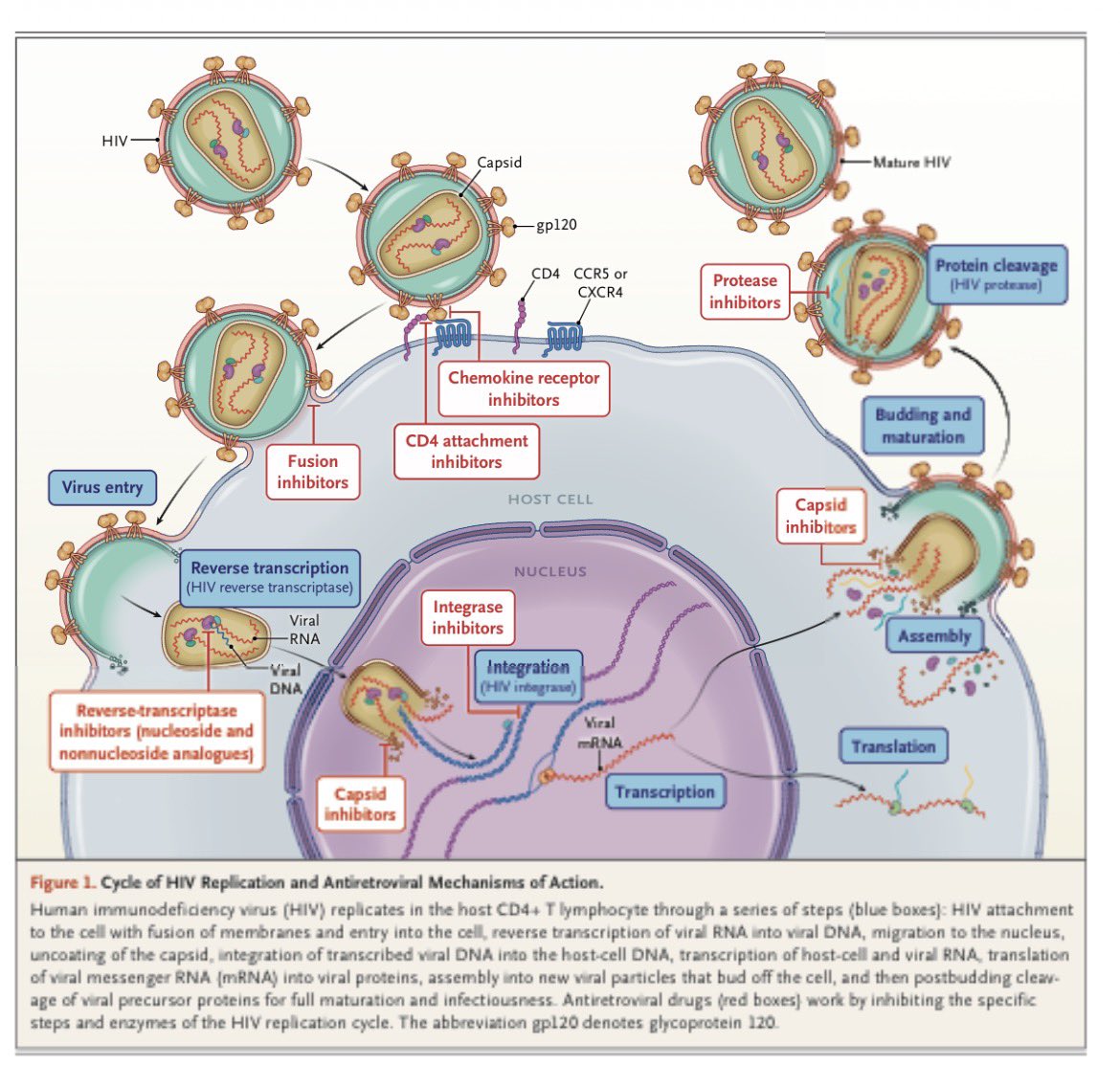
>10.000.000 Copias de VIH
1 Linfocito CD4 en CD4
Bilirrubina >70
Plaquetas en hemograma: 0
Microalbuminuria >2000.0
Los superhumanos están entre nosotros.
Iré agregando la lista.
Como no hay cloruro ni fosfato de potasio le están dando sales de potasio a los pacientes con hipokalemia, próximamente un bloque de sales minerales para que lo laman
🤓🎂Ketoacidosis is not a diagnosis. It is a physiological response.
One of the most common misconceptions in critical care is equating ketoacidosis with diabetic ketoacidosis (DKA). In reality, ketoacidosis is a metabolic state that develops whenever the body perceives a lack of usable cellular fuel. The trigger may be insulin deficiency, prolonged fasting, alcohol, pregnancy, SGLT2 inhibitors, salicylate toxicity, or even continuous kidney replacement therapy. The underlying physiology is remarkably similar.
Everything begins with a fall in the insulin to glucagon ratio. Whether because insulin is absent or because glucose cannot be effectively utilized, adipose tissue increases lipolysis, releasing free fatty acids. The liver converts these fatty acids through β oxidation into acetyl CoA. When acetyl CoA production exceeds the capacity of the tricarboxylic acid cycle, it is diverted toward ketogenesis, producing acetoacetate, β hydroxybutyrate, and acetone. Counterregulatory hormones including catecholamines, cortisol, and growth hormone amplify this response.
The key clinical lesson is that not all ketoacidosis is the same.
In starvation ketosis, ketone production is a physiological adaptation designed to preserve glucose for organs that absolutely require it. The brain gradually shifts toward ketone utilization, reducing muscle protein breakdown and allowing survival during prolonged fasting. Feedback insulin secretion limits excessive ketone accumulation, preventing severe acidosis in most individuals.
In diabetic ketoacidosis, this protective feedback is lost. Absolute or relative insulin deficiency allows uncontrolled hepatic ketogenesis while simultaneously increasing gluconeogenesis and glycogenolysis. Hyperglycemia causes osmotic diuresis, profound electrolyte losses, and severe volume depletion, explaining why potassium may be elevated despite marked total body potassium depletion.
Alcoholic ketoacidosis follows a different path. Ethanol metabolism markedly increases the NADH/NAD⁺ ratio, suppressing gluconeogenesis and driving preferential production of β hydroxybutyrate. Because standard urine ketone strips primarily detect acetoacetate, they may underestimate disease severity. Measuring blood β hydroxybutyrate is therefore more reliable.
Pregnancy introduces yet another physiology. Progressive insulin resistance, enhanced lipolysis, chronic respiratory alkalosis with reduced bicarbonate buffering, and increased fetal glucose demand create the perfect environment for euglycemic ketoacidosis, sometimes after only a short period of fasting or vomiting. A normal glucose concentration should never exclude the diagnosis in pregnant patients.
Reference 📚
Palmer, B. F., & Clegg, D. J. (2026). Pathophysiology of Ketoacidosis: Core Curriculum 2026. American Journal of Kidney Diseases. Advance online publication. https://t.co/bzLeWyXxP8