@gildy61@CounsellingSam@LBC Yes. The French started building the PSE High Speed line to bypass the 2 track section of the PLM. Equivalent would be to build al line from Rutherglen to Hanslope. #bbcaq
This could be big. 6 young people from Portugal are taking 32 European countries (inc UK) to court, demanding national climate policies in line with human rights. Young people deserve a liveable future – it's time Govts worked towards creating one. @Y4CJ_
https://t.co/OZVA4Fmf9g
I'm looking forward to meeting Crown Prince Mohammed bin Salman to get some tips on removing human rights and dealing with journalists who say things I don't like.
I'm looking forward to meeting Crown Prince Mohammed bin Salman to get some tips on removing human rights and dealing with journalists who say things I don't like.
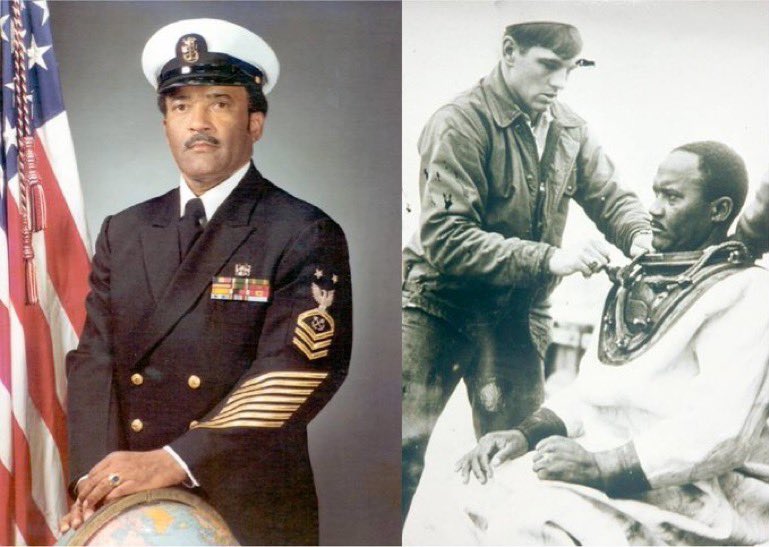
On March 23, 1966, in an accident that is now known as the Palomares incident, a B-52 bomber carrying four hydrogen bombs collided with a refueling tanker in Spain, and one of its nuclear weapons dropped into the sea.
As a U.S. Navy salvage team worked to recover the bomb, the towing line broke, sending a heavy steel pipe shooting toward the team — and in an incredible act of heroism, diver Carl Brashear threw himself in front of his men, taking the pipe in the leg.
Brashear not only survived, but he overcame extraordinary obstacles to get himself recertified as a master diver even though his leg had been removed, making him the first amputee diver in Navy history. Brashear was motivated by his beliefs that "It's not a sin to get knocked down; it's a sin to stay down" and "I ain't going to let nobody steal my dream."
For his service in helping to retrieve the bomb, Brashear was later awarded the Navy and Marine Corps Medal, the highest navy award for non-combat heroism.
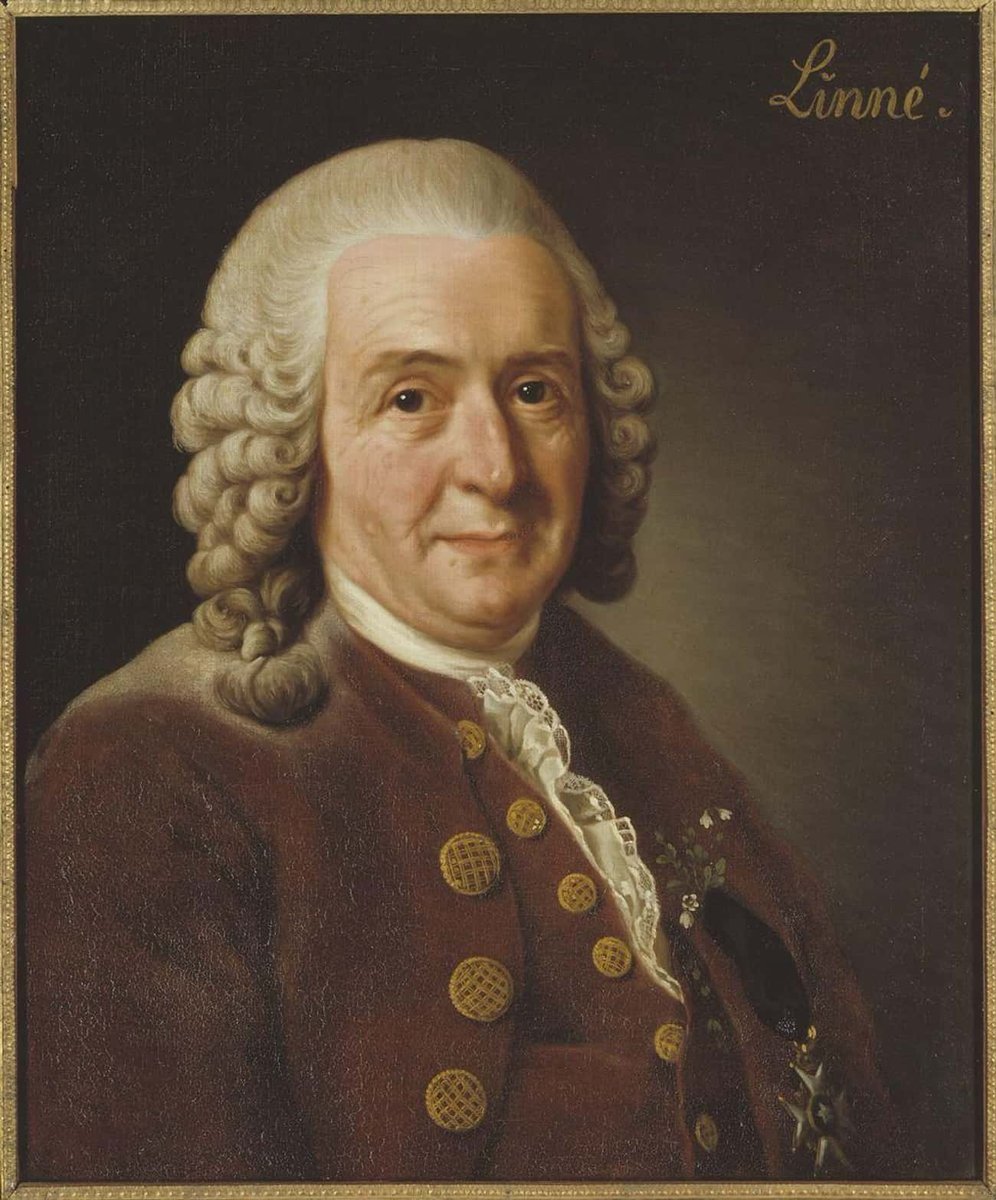
Carl Linnaeus was as a Swedish zoologist who invented the taxonomy of binomial nomenclature, which we use to label organisms. In other words, he helped give every animal its proper name.
For such a respected figure in science, it’s incredibly embarrassing to learn that Linnaeus campaigned his entire life to prove that mermaids were real.
Despite being skeptical of other fantastical creatures, Linnaeus was sure that mermaids existed and wrote countless letters imploring the scientific community to look into them. He funded various expeditions but was never able to prove that they weren’t imaginary