I thought I hated Warriors fans
I thought I hated Nuggets fans
I thought I hated Clippers fans
I thought I hated Celtics fans
I was wrong.
Those fans are my best friends compared to the disdain I possess for the entire state of Oklahoma
A British scientist invented the single most valuable piece of technology in human history, then signed a document that legally guaranteed he would never make a cent from it, and he did it on purpose while every university around him was racing to patent everything they could.
His name is Tim Berners-Lee, and the invention was the World Wide Web (WWW).
Not the internet, which already existed as a way to connect computers, but the actual web of pages and links you are using to read this right now. HTML. HTTP. The URL. He built all three while working at CERN, a physics lab in Switzerland, between 1989 and 1991.
He wrote the first browser on a NeXT computer and stuck a label on it that said "DO NOT POWER IT DOWN" because if anyone unplugged it, the entire web would vanish.
Here is the part that should stop you cold.
CERN owned the invention. Under the rules of the time, the lab could have licensed it, charged a fee for every installation, and collected a royalty on every server that ever came online.
His colleague Robert Cailliau confirmed they actively discussed exactly this, because in the early 1990s patenting university inventions and squeezing money out of them was the standard move.
They could have charged for every search. Every upload. Every page load on Earth, forever.
Berners-Lee fought to give it away instead.
He pushed CERN to release the source code into the public domain with no patent and no fee of any kind. On April 30, 1993, two CERN directors signed a half-page document that relinquished all intellectual property rights to the World Wide Web. A few signatures on a single sheet of paper.
That was the moment nobody came to own the thing that now connects more than five billion people.
His reasoning was not sentimental. It was mechanical.
He understood something most inventors never grasp. The value of the web was not in the code. It was in the network. And a network only grows if everyone can join without asking permission.
The second you charge a toll, people route around you, and you end up with a hundred tiny incompatible webs instead of one universal one. He said it plainly years later.
If he had demanded fees, there would be no World Wide Web. There would be lots of small webs, and none of them would have mattered.
So the thing that made the web worth trillions is the exact same thing that guaranteed he would never personally capture any of it. Openness was not a sacrifice he made against the invention's success. Openness was the success. The free part was the product.
People who made far less consequential things became billionaires off the platform he built. He watched it happen and kept running a nonprofit standards body out of an office at MIT, setting the rules that keep the web working for everyone, paid like a normal professor.
When an interviewer once asked him why he never cashed in, he refused the premise of the question. He said that framing only makes sense if you measure a person's worth by their net worth. People are what they have done and what they stand for, not what sits in their bank account.
The man who could have owned a piece of every click ever made chose to own none of it, because he understood that the only way to give the world something this big was to make sure he could never take it back.
The most valuable thing ever built belongs to everyone, and that was the entire point.
Your 256GB Android is "full" again.
You've deleted photos. You've uninstalled apps. You've cleared WhatsApp.
Still full.
Because the real junk lives in folders Android refuses to open. 30GB of it.
I recovered 31GB yesterday. Didn't touch one photo, one chat, one app.
Here's where to find it on Samsung, Xiaomi, Vivo, and OnePlus:
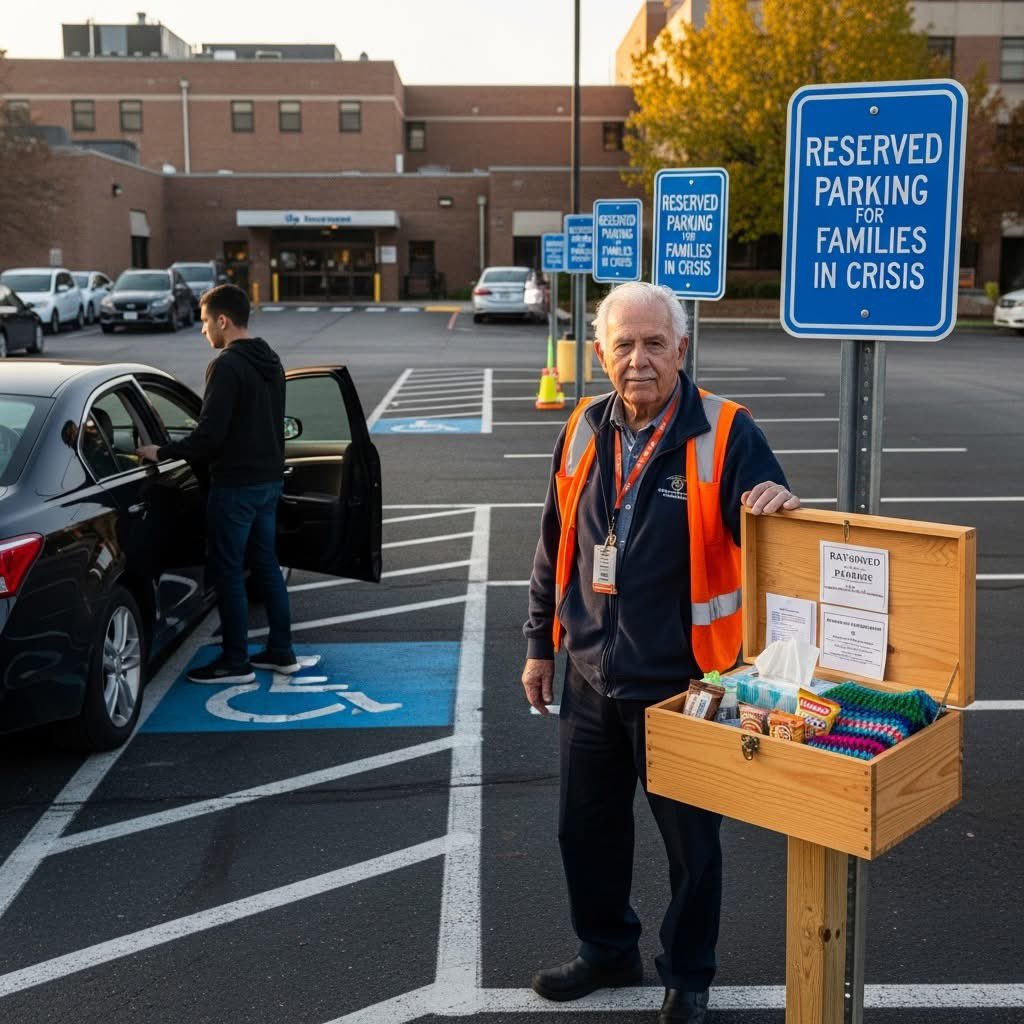
"My name's Raymond. I'm 73. I work the parking lot at St. Joseph's Hospital. Minimum wage, orange vest, a whistle I barely use. Most people don't even look at me. I'm just the old man waving cars into spaces.
But I see everything.
Like the black sedan that circled the lot every morning at 6 a.m. for three weeks. Young man driving, grandmother in the passenger seat. Chemotherapy, I figured. He'd drop her at the entrance, then spend 20 minutes hunting for parking, missing her appointments.
One morning, I stopped him. "What time tomorrow?"
"6:15," he said, confused.
"Space A-7 will be empty. I'll save it."
He blinked. "You... you can do that?"
"I can now," I said.
Next morning, I stood in A-7, holding my ground as cars circled angrily. When his sedan pulled up, I moved. He rolled down his window, speechless. "Why?"
"Because she needs you in there with her," I said. "Not out here stressing."
He cried. Right there in the parking lot.
Word spread quietly. A father with a sick baby asked if I could help. A woman visiting her dying husband. I started arriving at 5 a.m., notebook in hand, tracking who needed what. Saved spots became sacred. People stopped honking. They waited. Because they knew someone else was fighting something bigger than traffic.
But here's what changed everything, A businessman in a Mercedes screamed at me one morning. "I'm not sick! I need that spot for a meeting!"
"Then walk," I said calmly. "That space is for someone whose hands are shaking too hard to grip a steering wheel."
He sped off, furious. But a woman behind him got out of her car and hugged me. "My son has leukemia," she sobbed. "Thank you for seeing us."
The hospital tried to stop me. "Liability issues," they said. But then families started writing letters. Dozens. "Raymond made the worst days bearable." "He gave us one less thing to break over."
Last month, they made it official. "Reserved Parking for Families in Crisis." Ten spots, marked with blue signs. And they asked me to manage it.
But the best part? A man I'd helped two years ago, his mother survived, came back. He's a carpenter. Built a small wooden box, mounted it by the reserved spaces. Inside? Prayer cards, tissues, breath mints, and a note,
"Take what you need. You're not alone. -Raymond & Friends"
People leave things now. Granola bars. Phone chargers. Yesterday, someone left a hand-knitted blanket.
I'm 73. I direct traffic in a hospital parking lot. But I've learned this: Healing doesn't just happen in operating rooms. Sometimes it starts in a parking space. When someone says, "I see your crisis. Let me carry this one small piece."
So pay attention. At the grocery checkout, the coffee line, wherever you are. Someone's drowning in the little things while fighting the big ones.
Hold a door. Save a spot. Carry the weight no one else sees.
It's not glamorous. But it's everything."
Let this story reach more hearts....
Credit: Mary Nelson
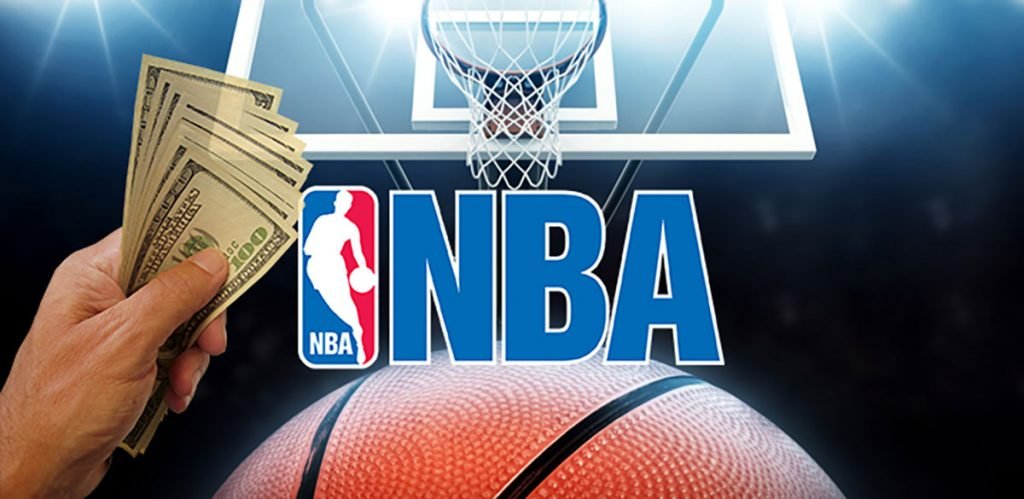
¿Qué sabemos hasta ahora de la investigación y detención de jugadores y entrenadores de la NBA por diferentes casos de apuestas y juego?
Os lo traigo TODO en este hilo 🧵⤵
EIGRP (Enhanced Interior Gateway Routing Protocol) .. explained like you are 3 😉:
EIGRP is like a bunch of friends on a playground.
•Each friend knows different shortcuts to get to the slide.
•They share their shortcuts with each other.
•Everyone picks the fastest, easiest path to the slide.
EIGRP = friends sharing the best routes so nobody gets lost.
Cuba funciona como una secta y puedo demostrarlo.
La palabra “secta” suele traer a nuestras mentes la imagen de personas vestidas de negro celebrando ritos extraños, pero ¿y si te dijera que existen 8 criterios para saber si un grupo es una secta y todos aplican a Cuba?
🧵Hilo.
🚨🇨🇺 Esta mañana se publicó el informe anual del Observatorio Cubano de Derechos Humanos.
Los datos son aterradores. El régimen cubano está intentando OCULTAR EL INFORME de todas las redes sociales.
Esta es la realidad de Cuba que no quieren que sepas. Te lo cuento.
[HILO] 🧵
Ya es la quinta caida del sistema electrico nacional en estos meses, desde lo mas profundo de mi corazon me resingo en Marx, en Engels, en la madre de los tomates y los zapingos que gobiernan este pais
«Quien con monstruos lucha cuide de no convertirse a su vez en monstruo. Cuando miras largo tiempo a un abismo, el abismo también mira dentro de ti»
Friedrich Nietzsche
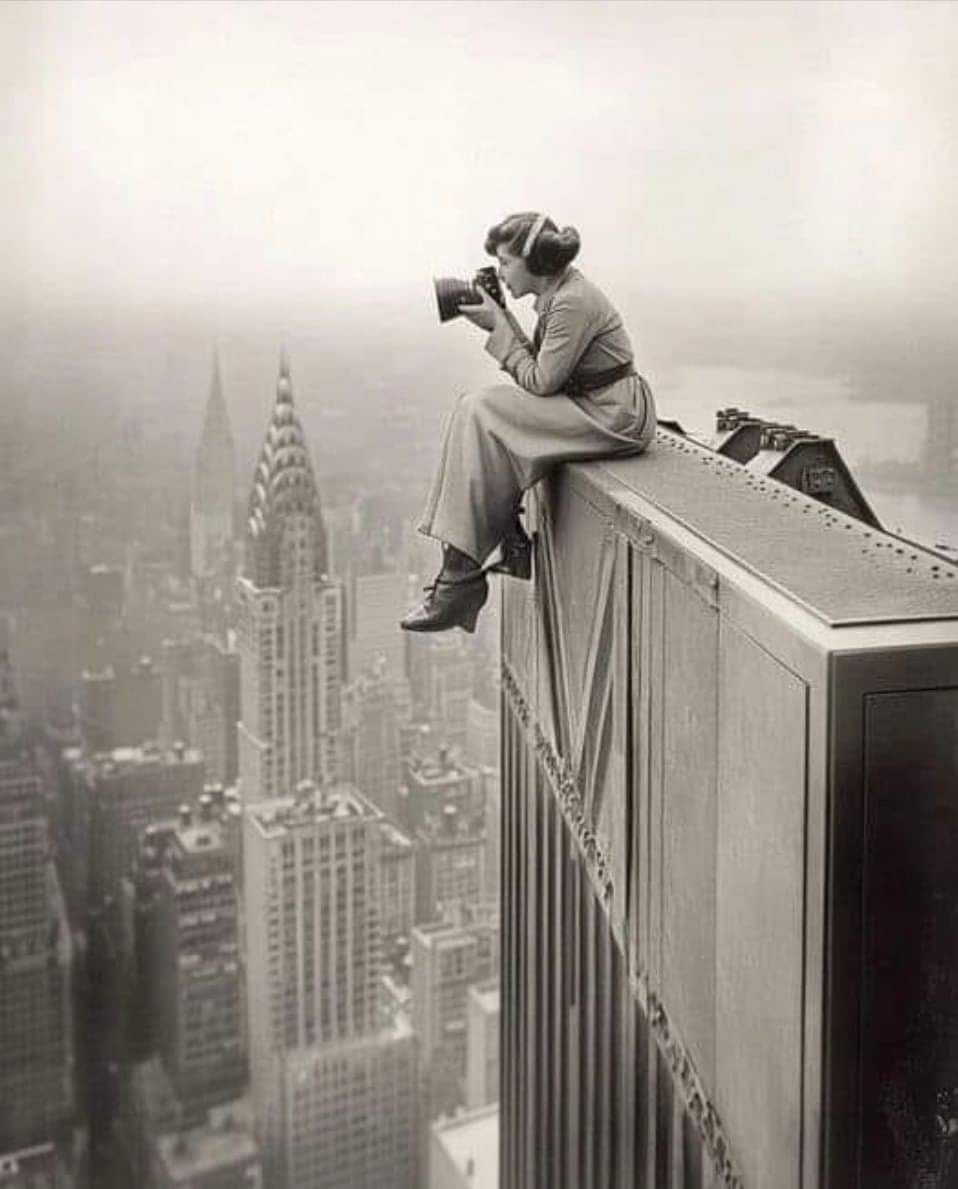
📷 Margaret Bourke-White
"Me he vuelto solitario o, como ellos dicen, insociable y misántropo, porque la más salvaje soledad me parecía preferible a la sociedad de los malvados, que no se nutre más que de traiciones y odio".
𝐉𝐞𝐚𝐧-𝐉𝐚𝐜𝐪𝐮𝐞𝐬 𝐑𝐨𝐮𝐬𝐬𝐞𝐚𝐮
Today in 1945, George Orwell published a devastating critique of Communism.
Animal Farm reveals why every communist revolution follows the same tragic pattern: liberation to corruption to oppression.
Here are 10 truths from Animal Farm Orwell warned us never to forget 🧵👇🏼
"Me acuso a veces de ser incapaz de amar.
Tal vez sea cierto, pero he sido capaz de elegir algunos seres y de reservales fielmente lo mejor de mí, hagan lo que hagan."
- Albert Camus
"El dolor y el sufrimiento son siempre inevitables para una gran inteligencia y un corazón profundo. Las personas realmente grandes, creo, tienen una gran tristeza en la tierra".
"Crimen y castigo", Fiodor #Dostoievski










![agusantonetti's tweet photo. 🚨🇨🇺 Esta mañana se publicó el informe anual del Observatorio Cubano de Derechos Humanos.
Los datos son aterradores. El régimen cubano está intentando OCULTAR EL INFORME de todas las redes sociales.
Esta es la realidad de Cuba que no quieren que sepas. Te lo cuento.
[HILO] 🧵 https://t.co/pQQhfCapnm](https://pbs.twimg.com/media/G0gH8JfXsAAAylD.jpg)