Lo bueno de que alguien esté pegando alaridos a esta hora, a través de un micrófono, al lado de mi ventana es que voy a estar tan cansado cuando se calle que me dormiré de inmediato.
para mí, estar económicamente cómoda es suficiente, no tengo que ser la más rica, sólo quiero poder comer siempre lo que quiero, ir a donde quiero, pagar mis cuentas a tiempo y darles a las personas que amo una gran vida. eso es todo
There was a girl in my college class who never split the bill.
Not because she couldn’t afford it.
Because she always paid the whole thing.
Birthdays. Coffee. Late-night food runs.
Everyone joked she was “the rich one.”
She wasn’t.
One night someone asked why she never lets anyone else pay.
She laughed and said, “If I pay, I don’t owe anyone.”
It went quiet for a second.
Later I found out she grew up in a house where nothing was free.
If her dad bought her something, he’d remind her for months.
If her uncle helped with school fees, it came with favors.
If someone did you a kindness, they owned a piece of you.
So now she pays first.
Not to impress.
Not to show off.
To stay unowned.
The brutal part?
Most people thought she was generous.
She was just protecting herself.
Si vamos a usar expresiones yanquis en español traduzcamoslas bien aunque sea, porque recién leí "tal cosa PAGA ALQUILER GRATIS" y lo que ME COSTÓ ENTENDER QUE ERA "lives rent free" por favor se los pido.
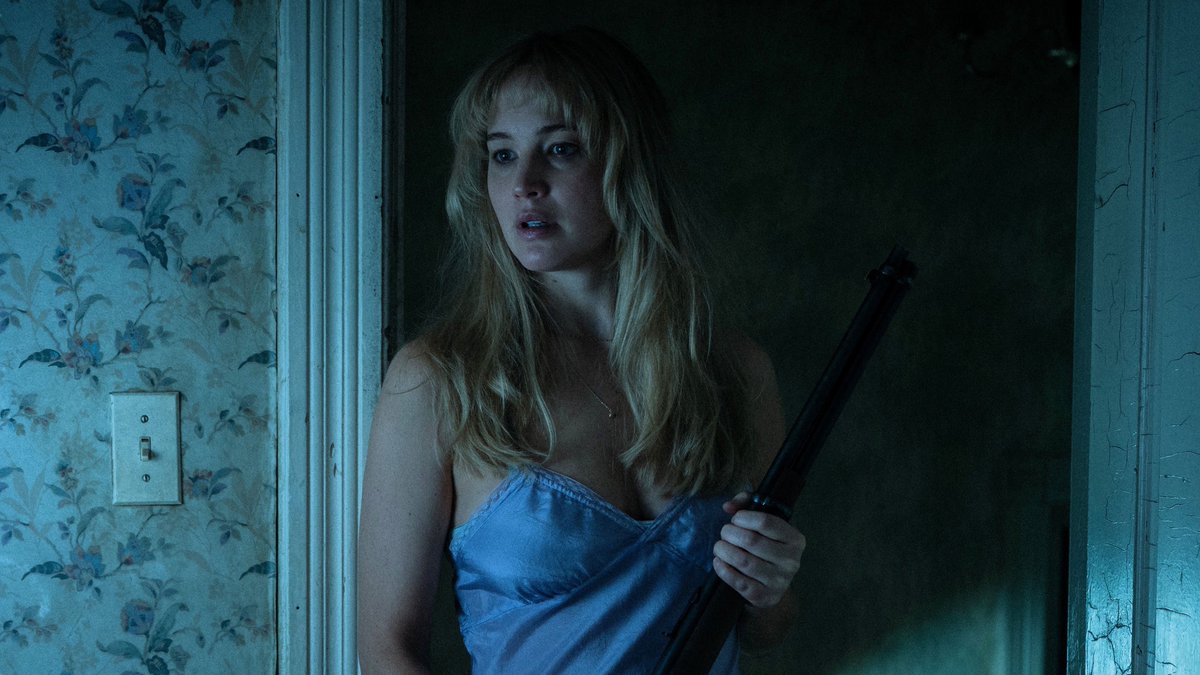
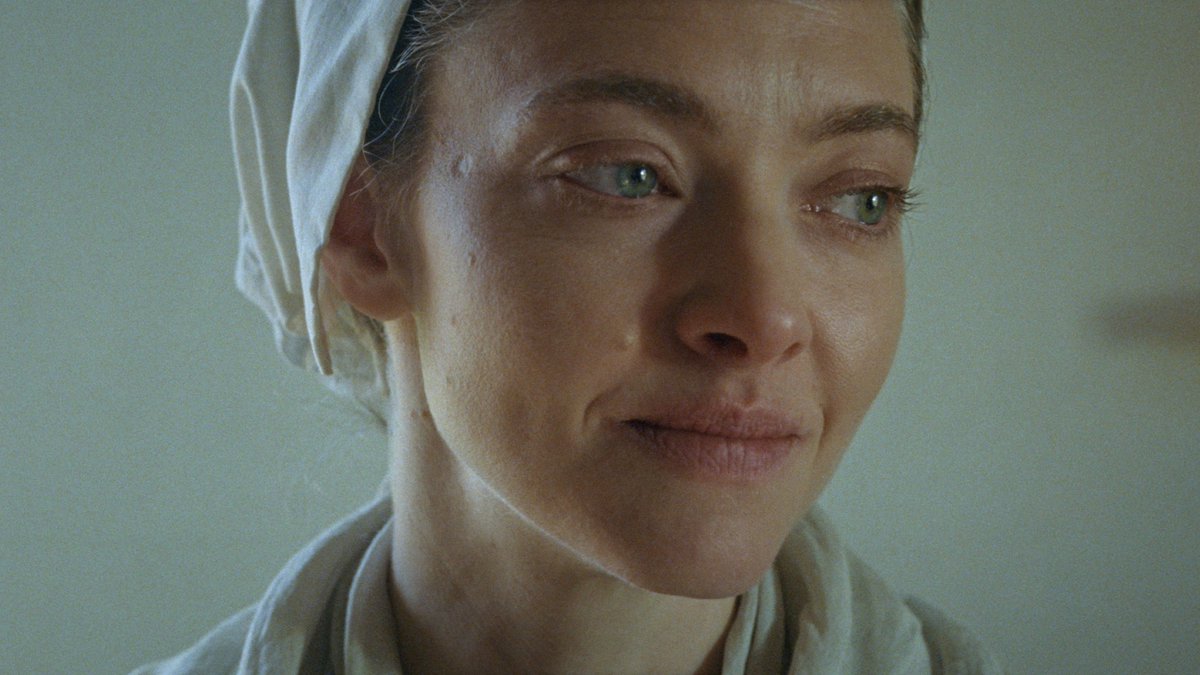
I think it is interesting how the voters didn’t take too kindly to Amanda Seyfried and Jennifer Lawrence’s performances despite both giving career best work with their recent roles. As much as we like to think the Academy welcomes complex female characters, that’s mostly the case when the narrative suits them. When they are no longer sanitised portraits that make the audience deeply uncomfortable with their defying, even resentful attitudes they don’t get nearly as much appreciation for it. Which would explain why Jessie Buckle is sweeping the competition even if Rose Byrne seemed the exception to this perception, another role that’s similarly difficult to stomach.
No one knows you. No one has a story about who you are. No one is waiting for you to be the person you were yesterday. You're just a stranger in a chair by the window, watching a city that doesn't need anything from you.
It's the feeling that anything could happen. That the world is bigger than the walls you built around yourself back home. That the life you've been living is just one version of a life, and there are others, and they're not as far away as you thought.
At home, you're fixed. Known. You fit into a shape that other people recognize, and after a while, you forget you're even in a shape at all. But here, alone, somewhere new, the shape dissolves. You could be anyone. You could be more of yourself than you've ever been. No one is watching to see if you stay consistent.
To rebuke some points the usual fragile snowflakes are making to my tweet on Fable and diversity;
1. Narrative accuracy despite being fictional.
At the end of Fable 3 you make Aurora, an extremely hot desert filled country to the South, part of Albion. So if the new Fable is set after, it makes sense Albion would be far more diverse in its people than the prior games already were.
Not that there needed to be such a narrative reason mind you. The franchise has teleportion, plus there's other forms of travel, so it's not like over the course of decades, more and more immigration couldn't occur, just like in real life.
2. An old name for England.
Albion was an ancient Greek/Roman name for England nearly 1000 years BEFORE medieval times, in 4th Century BC Roman Britain, which Fable's world isn't inspired by.
Hence the name is a nod to the game being inspired by British folklore, not an admission of historical accuracy. Even during Roman rule the name became Britannia.
The Albion in Fable is fictional. Which should've been obvious by it having entirely different and wildly fantastical locations to England, in addition to giants, magic etc lol.
3. An affront to creativity.
It's insane snowflakes draw the line at black and brown people, but not trolls, giants, magic, fantastical locations, fire breathing giant birds etc.
They're clearly NOT interested in accuracy and realism, just gatekeeping art to omitting minorities.
But here's the thing, in wanting fantastical fiction to mimic historic real life, they not only defeat the point of fiction, but prove they're deeply un creative and dull. Fiction is about expanding on creativity for artistic intent and entertainment, and greater diversity can aid in that.
Personally, I can't stand fragile snowflakes who persistently whine whenever creatives create things that don't wholly conform to their own subjective ideals, prejudices or insecurities.
To me, such folk are akin to the equivalent of entitled gaming Karens, and in my honest opinion, should be ignored and/or mocked, just like memed Karens.
If developers want hot women with big boobs and skimpy armour even if it isn't realistic, let them. If they want to have more black and brown people, let them. If they want normal realistic looking women instead of Insta models, let them.
Tired of gaming tourists and people in general, whether on the right or left, being fragile, entitled, socially detatched and insular snowflakes about this stuff. Let creatives create without your constant whining. #Fable #Xbox
El *problema* del trabajo remoto es que dejo en evidencia que las horas culo existen. En mis casi 20 años de vida corporativa no vi a nadie trabajar a full 8 horas todos los días, salvo a los ineficientes y a los inseguros que no les gusta delegar entonces se sobrecargan para estar “tapados de trabajo”