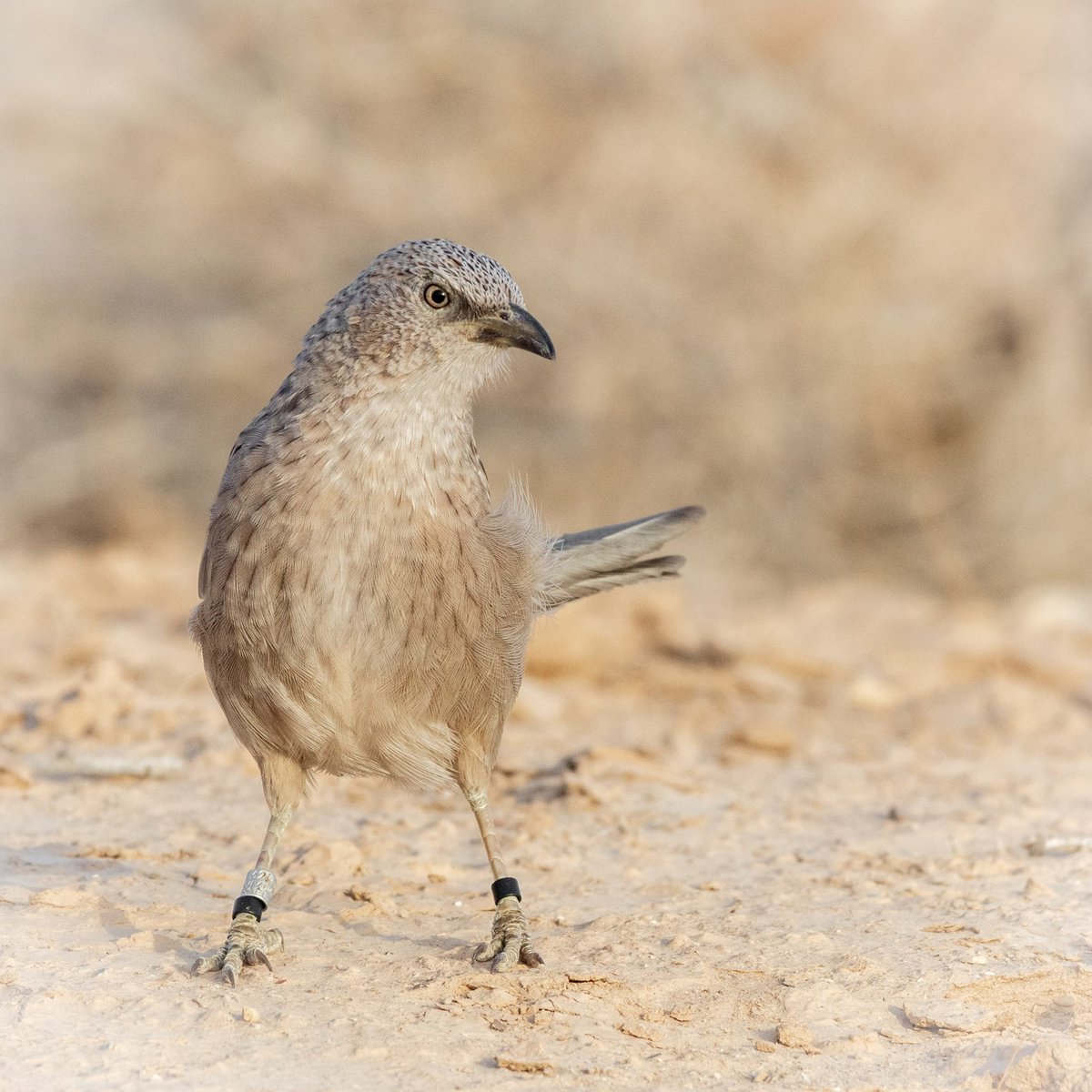
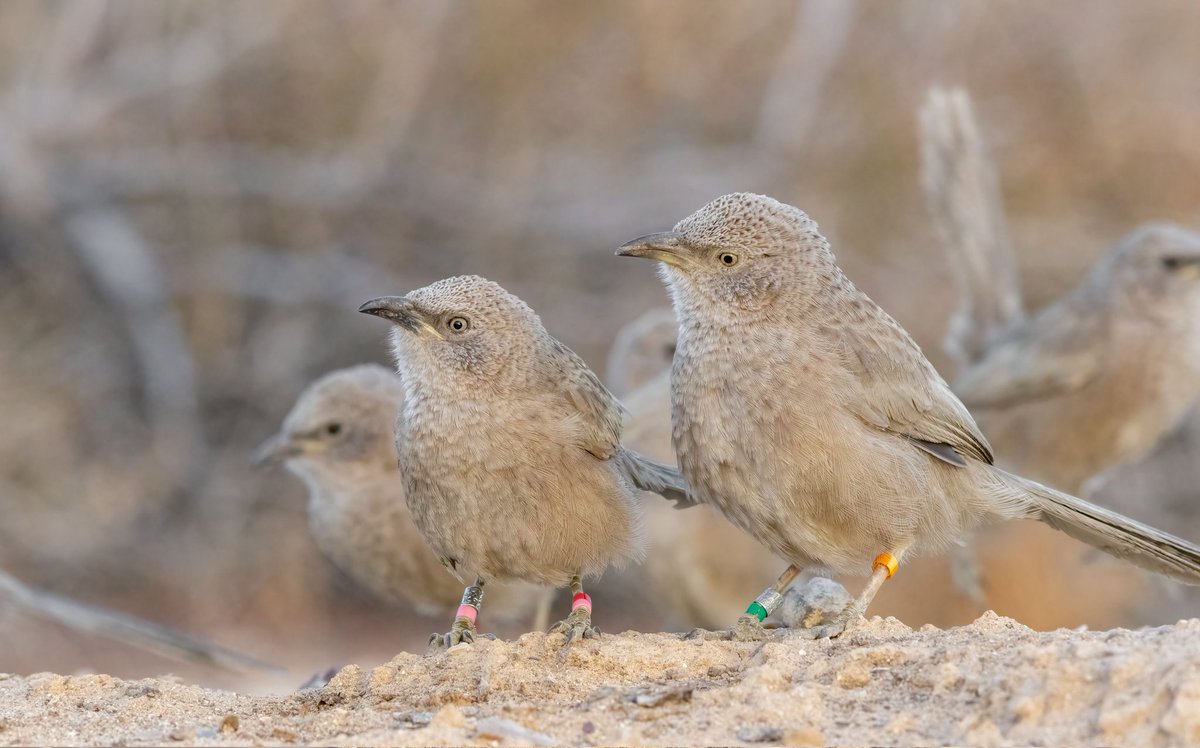
1/ The first chapter of my thesis is published and is fully available as open access:
https://t.co/5YU10Eethb
In this study we explore how the Arabian babbler (Argya squamiceps) an obligate social species cope with habitat modification on a extremely arid ecosystem.
📣📣📣PhD position available in my lab at @mncn_csic in Madrid to study speciation mechanisms in oceanic island birds, using phenotypic and genomic data.
- 💰4-year contract
- 🎓Biol, Genetics, Master's, English.
- 📅Apply by October 15
-👉CV & letter to [email protected]
🦎🐸 La ciencia no es charca
🔭 Iñigo Martínez-Solano, investigador del CSIC (@batracofistro)
🔭 Carlos Caballero Díaz, investigador Universidad Autónoma de Madrid (@Linternido)
🔭Helena Martínez Gil, investigadora del CSIC
Se dedican a la investigación de los anfibios, un grupo de animales muy amenazado y todavía muy desconocido. Todo impulso que se haga a la ciencia nunca será suficiente. A tope ahí con los tritones 👏🏻#LaRevuelta
🎓 ¿Te apasiona la investigación en aves y estás en el último curso de grado o en máster? ¡Tenemos 3 oportunidades para que te unas a nuestro grupo con una beca #JAEIntro del @CSIC !
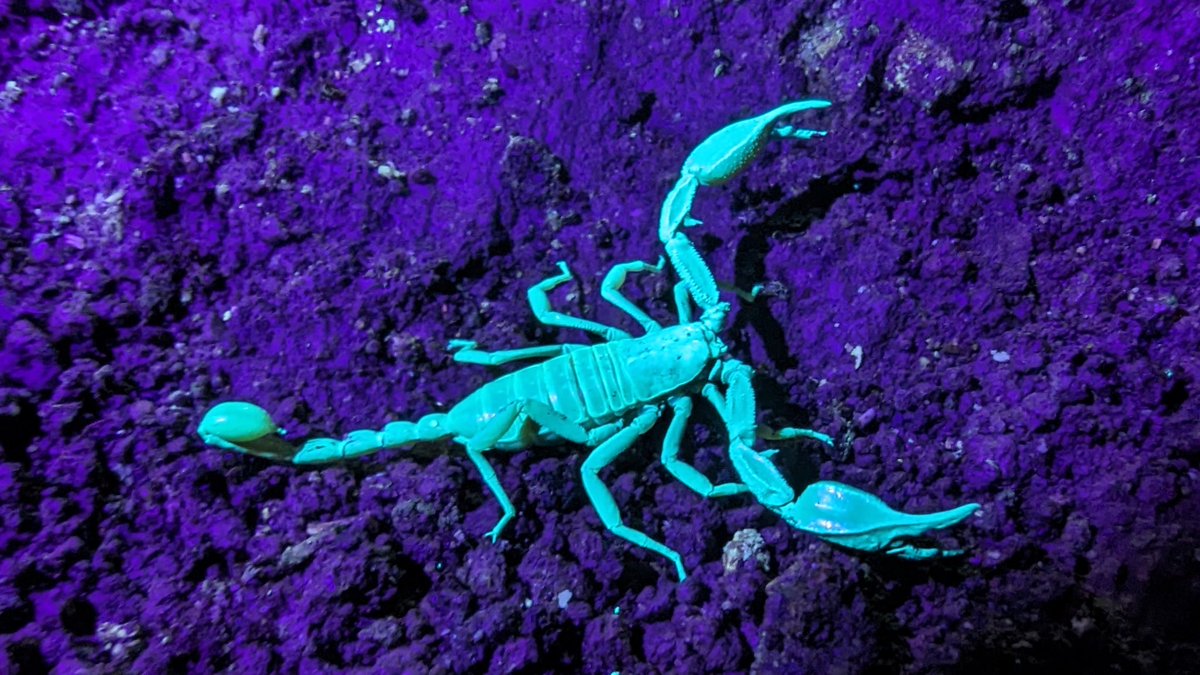
🚨Research alert! A study led by Javier Blasco (@jblascoarosteg), a Ph.D. student from @ULisboa_, & Museum curator Lorenzo Prendini reveals new insights about the cave-dwelling scorpion Euscorpius studentium—previously known only from juvenile specimens.
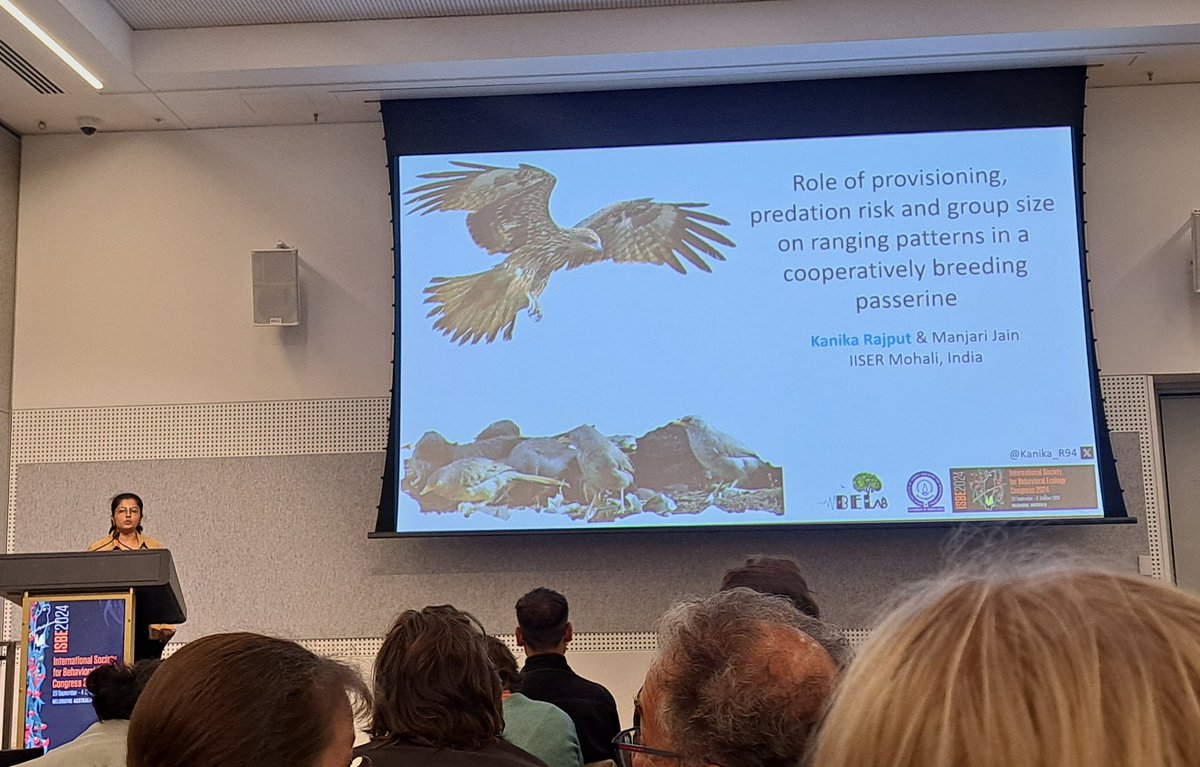
A quick reminder that tomorrow (Friday 4th) I will be talking in the last morning session of #ISBE2024 (9.00 hospitality suite 6) about how habitat modification influences the lifetime fitness of Arabian babbler, a social and cooperatively breeding bird.
12/ Many thanks for reading until here. @KeynanOded , @LeeKoren2 and I worked on this paper in collaboration with Enrique Casas and Manuel Arbelo form Universidad de la Laguna
1/ The first chapter of my thesis is published and is fully available as open access:
https://t.co/5YU10Eethb
In this study we explore how the Arabian babbler (Argya squamiceps) an obligate social species cope with habitat modification on a extremely arid ecosystem.
11/ These results confirm that habitat modification doesn't only influence the fitness of the populations, also sociality and pace-of-life of the individuals, leading to secondary effects on fitness. Combining both effects are especially important when studying social species