MIR Alergia HUFJD Vivo en la ciudad de mi corazón Apasionada por medicina, alergología, inmunología, música clásica, natación, montañas, café y muchas cosas más
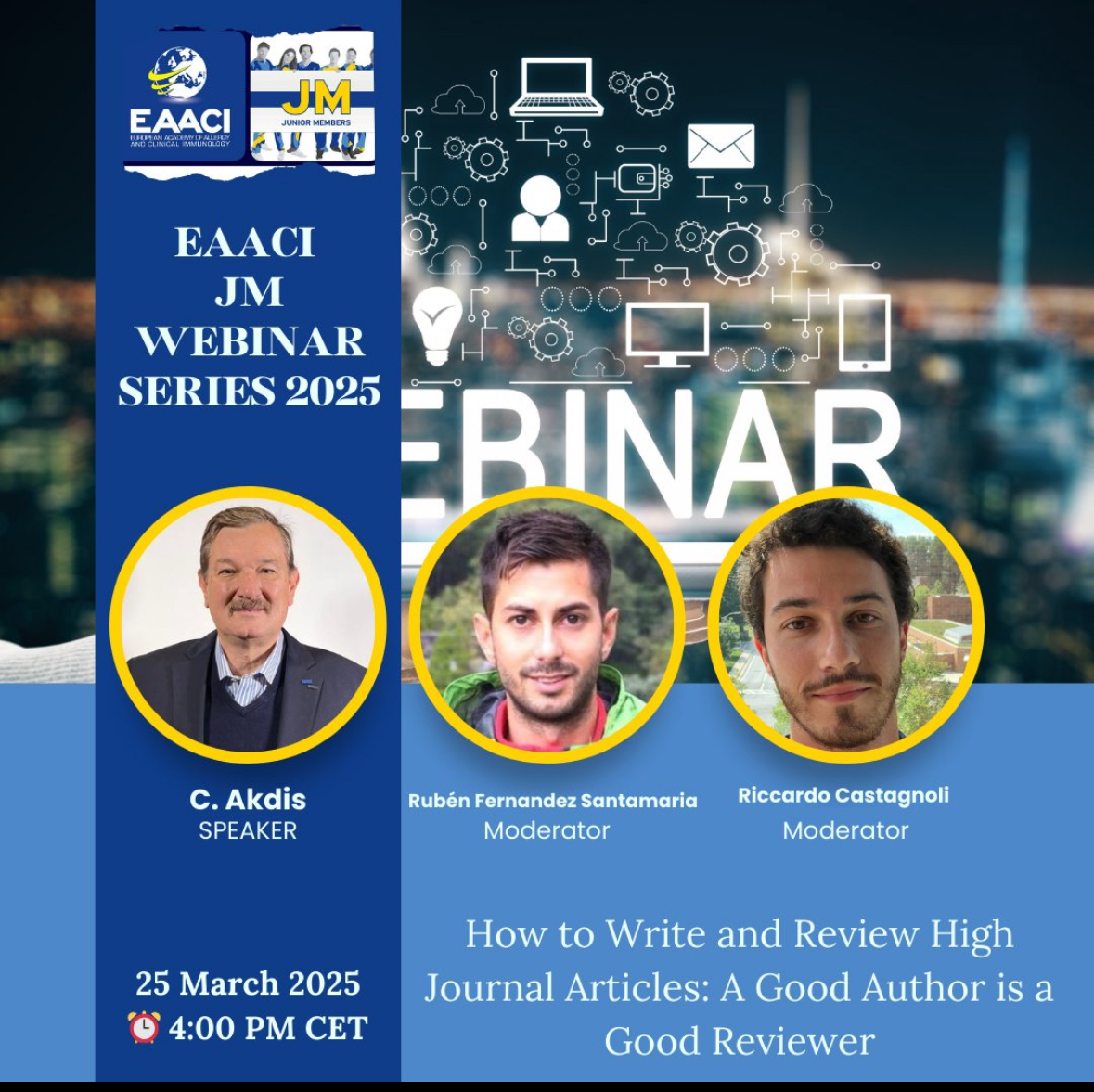
On March 25, 2025 at 16 CET, join us for our inaugural #webinar series!
Prof. @CezmiAkdis will share his insights on: “How to write and review high-level journal articles: a good author is a good reviewer.”
Register here:
https://t.co/dbP22vtijq
@EAACI_JM@EAACI_HQ @EaaciKH
Allergen immunotherapy (#AIT) is a treatment that involves the gradual and controlled exposure to allergens to treat IgE-mediated allergic conditions. It remains the only disease-modifying therapy capable of inducing allergen tolerance and mitigating Th2-driven allergic inflammation. The process of achieving tolerance involves sustaining regulatory T and B cells, normalizing allergen-specific immune responses, shifting IgE production toward IgG, adjusting activation thresholds for mast cells and basophils, and modulating non-allergen-specific immune cells. As patients progress through AIT, their sensitivity to allergens diminishes, leading to reduced allergic inflammation, symptom relief, and an overall improvement in quality of life.
This issue starts with an editorial by Denton et al. summarizing the results from a pediatric Phase III randomized controlled trial comparing pre- and co-seasonal birch pollen sublingual immunotherapy in children with moderate to severe seasonal allergic rhinitis. Martín-Cruz and Palomares comprehensively review and provide new insights into trained immunity in AIT, highlighting their potential for advancing allergy prevention and treatment. Asllani and Mitsias et al., in an EAACI task force report, provide data on the frequency, characteristics and risk factors of adverse events in adults with IgE-mediated respiratory allergies undergoing AIT. Zhou et al. study the association of HLA-DR+ regulatory T cells and IL-10 with success or failure of desensitization outcomes. Demir et al. investigate whether cross-protection of AIT-induced antibodies to related allergens requires a high degree of structural identity. Gappa et al. evaluate the efficacy and safety of the SQ tree sublingual immunotherapy in a paediatric population with moderate-to-severe allergic rhinitis and/or conjunctivitis. Jutel et al. assess the safety and tolerability of a house dust mite subcutaneous immunotherapy product when used in a newly designed one-strength dose escalation scheme. Mösges et al. evaluate the clinical impact of the mannan-conjugated birch pollen polymerized allergoid T502 in birch pollen-induced allergic rhinoconjunctivitis. Chinthrajah et al. investigate whether dupilumab enhances the efficacy of oral immunotherapy in pediatric patients with peanut allergy. Ashley et al. examine relationships between peanut sIgE and age at baseline and remission, in children who completed oral immunotherapy. Landgraf et al. present an ELISA-based in vitro test system to quantify the major honey bee venom allergen in crude bee venoms and therapy allergen products. Spriggs et al. examine the effect of venom immunotherapy and sting challenge on health-related quality of life measured by venom-allergy quality of life questionnaire in patients with Jack jumper ant allergy. Von Borstel et al. study the expansion of phenotypically modified type 2 memory B cells after allergen immunotherapy. Yong et al. evaluate the inguinal and axillary lymph node size distribution for intralymphatic injection. Patniboon et al. present the results of a preclinical evaluation of virus-like particle-based AIT in house dust mite allergy. Cho et al. demonstrate the ultrasound-guided intralymphatic allergen administration in the superficial inguinal lymph node. Véronique Bordas-Le Floch et al. identify serum markers predictive of AIT efficacy in house dust mite allergic subjects. Paolucci et al. investigate whether mRNA-based AIT can induce allergen-specific B- and T-cell responses in naïve mice and assess its safety in allergen-sensitized mice.
https://t.co/WsHBrsUyhR
Interested in our #Allergy programme (PGCert, PGDip, MSc) with amazing faculty& students @ImperialNHLI@ImperialMed
? Part-time, online or blended for busy motivated people! Register for our online info & research update webinar on 20th March 5pm GMT! ✨https://t.co/jhDU31gYK7
Dear Juniors!
🔎Looking for a specific article? The @AllergyEaaci website offers a dedicated section where published manuscripts are categorized for easy searching! 🔬 Dive in and discover valuable content now!
https://t.co/ycdQlBZs7n
Vaya tela, se jubiló hace poco y ahora esta noticia… Descanse en paz y mucho ánimo a sus familiares. Ha sido gran médico y gran persona. Tuve suerte de poder coincidir con el en inters y pasillos del hospital. No me acuerdo ningún jefe de servicio que hubiera bajado a Urgencias.
Hoy es un día muy duro para mí y toda mi familia.Nos ha dejado mi hermano José, excelente medico, gran padre, pero sobretodo la mejor persona que he conocido en toda mi vida, siempre dispuesto a ayudar. Muchas gracias x todo hermano, se me va hacer muy difícil no tenerte🥲🥲🥲
🔴 Ante la emergencia sanitaria internacional de MPOX declarada por la OMS, España participará el 19 de agosto en el Comité de Seguridad Sanitaria de la UE.
264 casos se han notificado este año en nuestro país.
Avanzamos en la vacunación y la vigilancia epidemiológica.
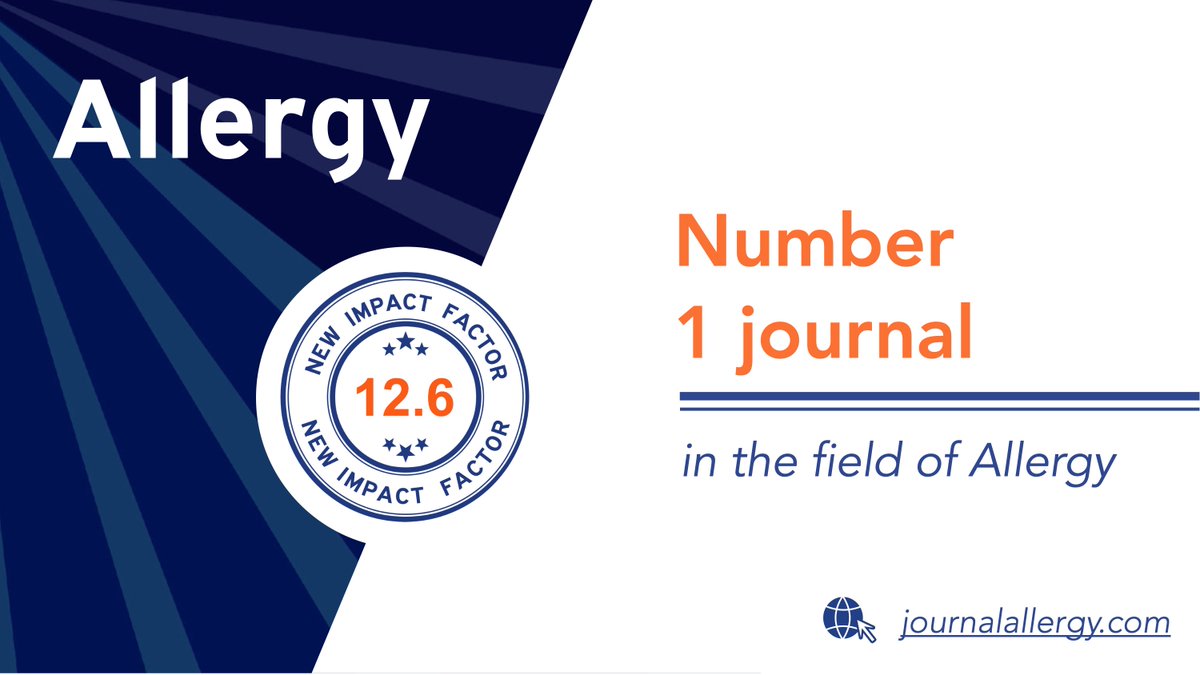
Allergy Named Highest-Impact Journal in Allergy and Clinical Immunology for 2024
We are thrilled to announce that the 2024 journal Impact Factors stablished by Clarivate has been released, and we are immensely proud to share that Allergy has been recognised with a Impact Factor of 12.6 as the number one journal in our speciality of Allergy and Clinical Immunology. This outstanding achievement is a testament to the entire team's unwavering commitment and hard work.
The success of Allergy is rooted in several key factors:
✨Full Commitment and Hard Work: The dedication of our editorial and support teams has been instrumental in driving the journal to new heights.
✨Rapid Decisions for Submissions: Our efficient submission process ensures that authors receive timely and comprehensive feedback.
✨Extensive and High-Quality Reviews: We maintain rigorous peer review standards to ensure the publication of only the highest quality research.
✨Timely Publications: Speedy yet thorough processing of manuscripts guarantees that important research reaches the community promptly.
✨High Numbers of Impressions and Downloads: The significant engagement with our published papers highlights the journal’s influence and reach within the scientific community.
On behalf of the EAACI Executive Committee, it is our pleasure to extend our heartfelt gratitude to the entire Allergy team.
Special thanks to our Editor-in-Chief, Cezmi Akdis, for his visionary leadership, and our Deputy Editors, Ioana Agache and Marek Jutel, for their invaluable contributions. We also recognize the vital roles of our Associate Editors, including Heimo Breiteneder, Thomas Eiwegger, Wytske Fokkens, Emma Guttman-Yassky, David Jackson, Kari Nadeau, Robyn O’Hehir, Liam O’Mahony, Oliver Pfaar, Alexandra Santos, Claudia Traidl-Hoffmann, De Yun Wang, and Luo Zhang, along with the entire editorial board for their expertise and dedication.
In addition, our heartfelt thanks go to our Managing Editor, Laura Alberch; Graphics Editor, Anna Globinska; Social Media Editor, Ruya Kilic Ogulur; Associate Managing Editor, Marisa McGarry; Production Editor, Sathish Asokan Kannan, and Journal’s Publishing Manager, Lisbeth Cranfield.
Together, we have set a new standard of excellence in Allergy and Clinical Immunology, and we look forward to continuing this upward trajectory. Thank you to everyone who has contributed to making #Allergy a leader in our field!
Maria Torres
EAACI President
#Allergy_journal @EAACI_HQ@EAACI_JM
https://t.co/WsHBrsUyhR
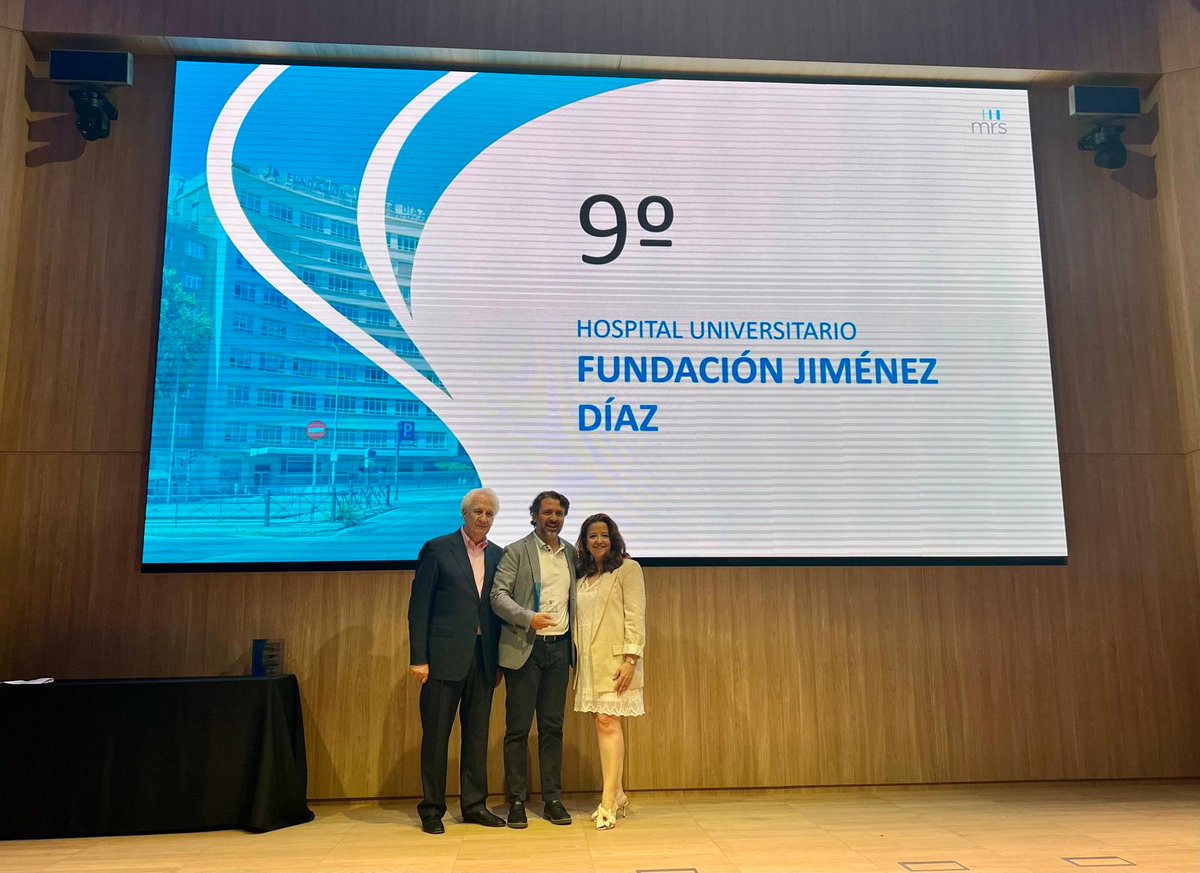
¡Nos mantenemos en el Top 10 de los hospitales con mejor reputación de España según el Monitor de Reputación Sanitaria desarrollado por @mercoranking! Ha recogido este reconocimiento el Dr. @Javi_Arcos_, gerente de nuestro centro
También nuestro Servicio de Alergología ha logrado colocarse entre los 3 mejores de todos los hospitales de @SaludMadrid. En este caso, ha recogido el reconocimiento el Dr. Javier Cuesta Herranz, jefe asociado de este Servicio
Si el año pasado muchos pacientes nuestros pensaron que se habían recuperado de alergia a gramíneas, este año ellos mismos adelantan citas y piden empezar a vacunarles, porque ya no pueden… Así se cambia el nivel de la polinización año tras año.
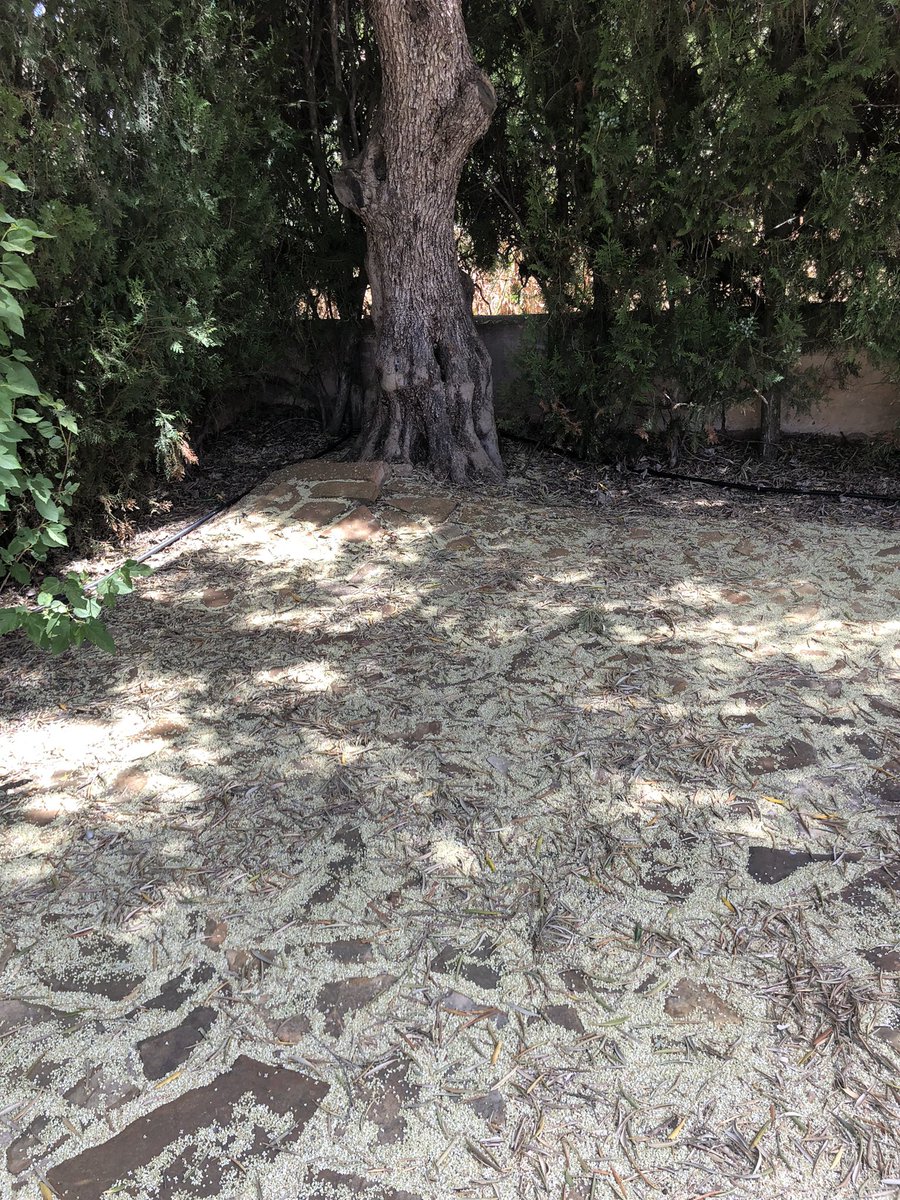
Las gramíneas continúan en niveles altos. El olivo está en su etapa final, después de una polinización corta e intensa. La inflamación provocada por el polen desciende el umbral para los alérgicos. Las gramíneas precisan 35 granos al inicio, y sólo 14 a final de temporada.
🆕GEMA 5.4. Nueva edición de la Guía Española para el Manejo del Asma (2024) avalada por 18 sociedades científicas.
👉Descárgala 🔗 https://t.co/v0ZBOJILwF
👁️🗨️También iaGEMA: herramienta de IA conversacional para la consulta ágil y sencilla de la guía.
¡Inicia la cuenta atrás! España será el anfitrión del Congreso de Alergia más grande del mundo #EAACICongress2024
Del 31 de mayo al 3 de junio en 📍Valencia.
Conoce a los Embajadores españoles 👉🏻🔎 https://t.co/nK9La8cJBA
@EAACI_HQ@QuirceSantiago