I teach you real trading, not betting disguised as strategies.
Gambling is for those looking for shortcuts.
By following me, you will understand what it means to build a solid approach based on discipline and risk management.
Raise the bar and get committed!
Twenty years of leveraged trading changes your brain.
You get used to the pressure, the real risk, the weighty decisions. Every amplified mistake teaches you to see first, to feel first.
You no longer just look at the price.
You sense the intention.
You don't follow the noise.
You look for the structure.
And this clarity comes out of the charts.
You read people better.
You weigh risk automatically.
You don't get carried away by euphoria or panic.
It's not talent.
It's survival trained over years.
SEE WHAT OTHERS DON'T SEE
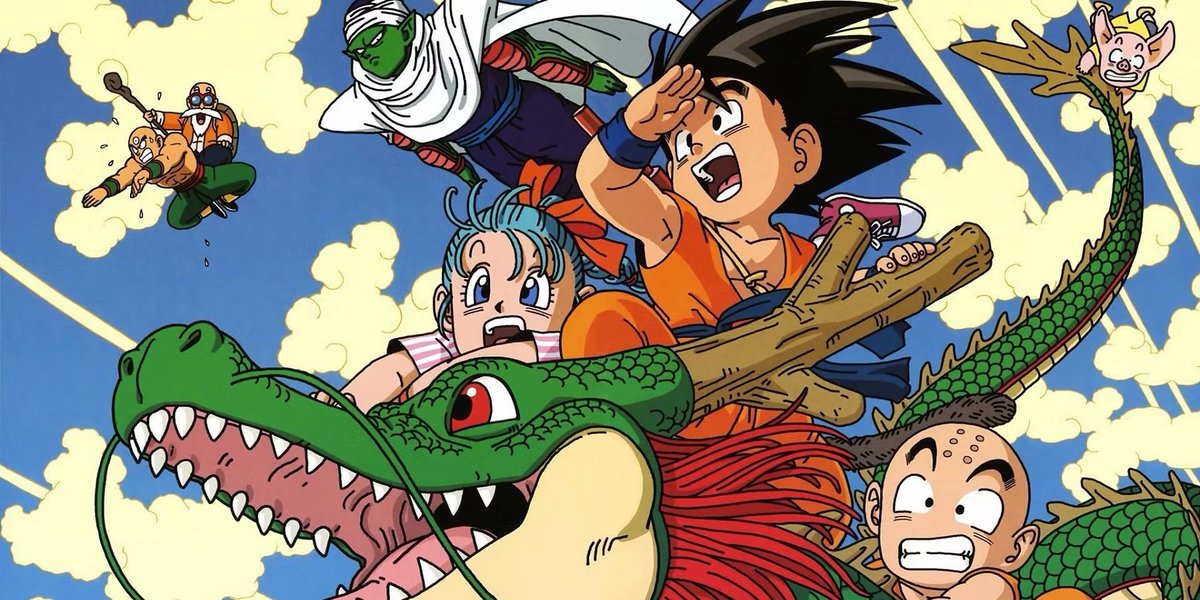
In my day, to watch a new episode
you had to wait until the next day, or even the next week. No rewind, no binge watching, no algorithm serving everything up on a silver platter. Netflix didn't exist. Neither did YouTube.
There was waiting. And waiting was part of the experience.
It taught you a quality that today seems almost like a flaw: patience.
Waiting without having everything right away. Enduring the void between episodes. Enjoying the process, not just the result.
Today, everything is immediate. Want something? Click.
Want entertainment? Scroll.
Want dopamine? Refresh.
And that changes the brain. It changes the way we react to things. It changes the way we experience time.
The difference is not technological. It is mental.
Those who grew up in the 1990s/2000s internalised the idea that things come if you wait. That not everything is instantaneous. That time is part of the game.
Those born today in an 'on demand' world risk experiencing waiting as a problem, not as a natural phase.
And this is where the mantra comes in.
One lives with an 'now or never' mentality.
The other lives with a 'it will come when the time is right' mentality.
It seems like a small thing, but it makes a huge difference.
In life. At work. In investments. In relationships.
Because in the end, it's not the one with the most tools who wins.
It's the one who knows how to stay still long enough when needed.