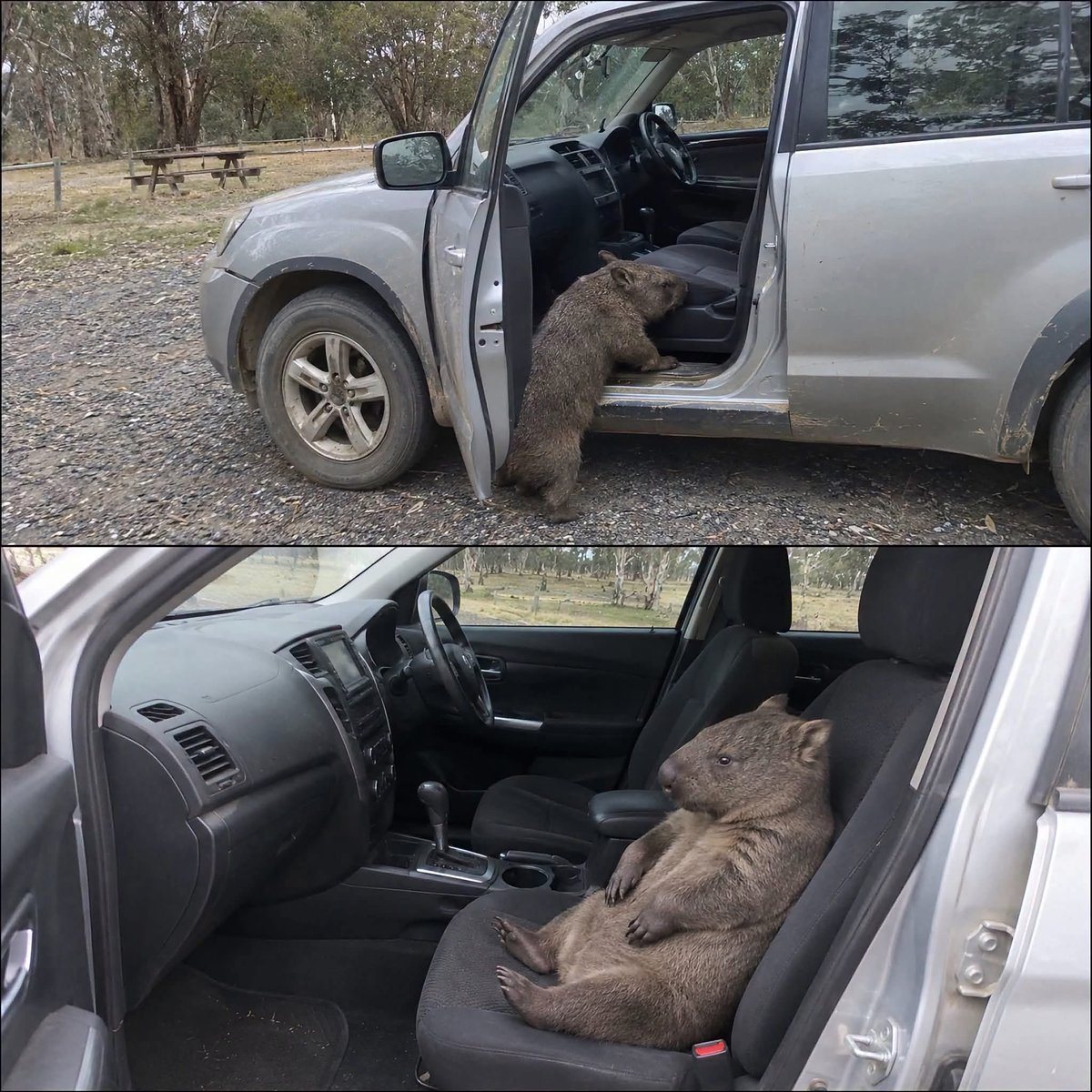
Australian officials have issued a reminder to shut your car doors after one wombat helped himself to several passenger seats. The notice followed complaints from visitors at a popular picnic area, where the same wombat reportedly kept climbing into parked cars while people unloaded bags or packed up lunch.
At first, staff thought they were receiving several calls about one incident. Then they realized the cars were different. The passenger wasn’t.
One couple waited nearly an hour before he climbed out. Another visitor said he settled into the seat before she’d even finished putting her things in the boot. Officials asked visitors to keep their doors closed and contact staff if they found an unexpected occupant.
After the photos spread online, a park spokesperson clarified the situation. “He hasn’t been abandoned. He lives here. Please stop calling to say someone’s left their wombat in a car.”
New delay reason: owl refuses to deplane. Found on the walk-around. Flight’s delayed. Just sitting in the inlet.. Looking at us like we were interrupting his nap.
Weston Big Wood is irreplaceable ancient woodland & a protected SSSI . Yet plans could see around 500 homes built on Tower Farm and Black Rock , enclosing it on both sides . We should be protecting places like this , not building right up to their edges . https://t.co/vB7LjjcgqB
I’ve been exclusively using @DxOLabs PhotoLab for over 5 years now and they have just launched version 10. I had a chance to preview it so why not check it out on YouTube https://t.co/xr9GAs5L0T via @YouTube
Swiss farmers planted flowers between their crops and watched pest damage drop by over half. The UK is now running the same trial across 15 farms. The reason this works is embarrassingly simple.
A Swiss study on winter wheat found that fields with wildflower strips had 40 to 53% fewer leaf beetle pests than fields without. Crop damage dropped 61%.
The mechanism is simple. Wildflowers feed hoverflies, lacewings, parasitic wasps, ladybugs, and ground beetles. Those insects eat the aphids, beetle larvae, and caterpillars that farmers would otherwise spray for. A few meters of wildflowers hosts an unpaid pest control crew that would jump at the chance to whoop some aphid ass.
In apple orchards where no insecticides had been used for five years, plots with wildflower alleyways had 9.2% damaged fruit. Control plots without flowers had 32.5%.
The UK is now running a five-year trial across 15 farms placing 6-meter flower strips through the middle of fields, not just at the edges, because the beneficial insects can't reach the center of a large field otherwise.
This works the same way in a backyard vegetable garden as it does on a commercial farm. Plant native flowering species near your tomatoes, beans, and squash. The pests still show up, but the predators show up too.
Study doi: 20151369
FOUND SD CARD today 14th June WESTLETON HEATH.
Photos were taken on a Canon EOS R6 and include Kingfisher, Egrets, Deer from Minsmere area with some taken today.
SanDisk Ultra 32GB.
Happy to post it back if we can find the owner. Please Retweet.
@DavidWalsh22
Satellite-tagged White-tailed Eagle 'disappeared' on Snilesworth Estate, in the North York Moors National Park.
Link to a feature article in The Guardian & some additional commentary from me ⬇️
https://t.co/KrdZsKRMCG
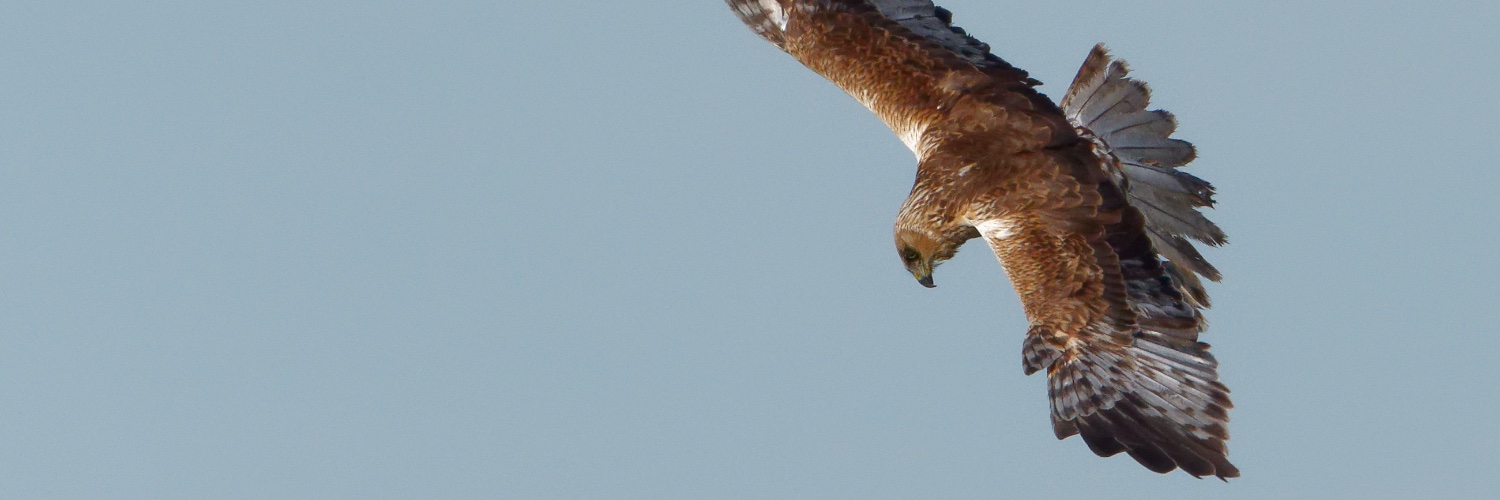
The reintroduction of White-tailed Eagles to Exmoor has been given the green light by Natural England, with up to 20 birds due to be released across the national park from this summer!
#birdwatching#birdguides#birding#birds
Britain's largest bird of prey is returning.🦅
We've approved a new licence to release white-tailed eagles in Exmoor National Park. This builds on the existing Isle of Wight programme led by @forestryengland and @RoyDennisWF.
https://t.co/G4Pz4fnvwF