Microbiome researcher at the Medical University of Graz | focused on confined built environments | human associated archaea | applied bioinformatics and PP
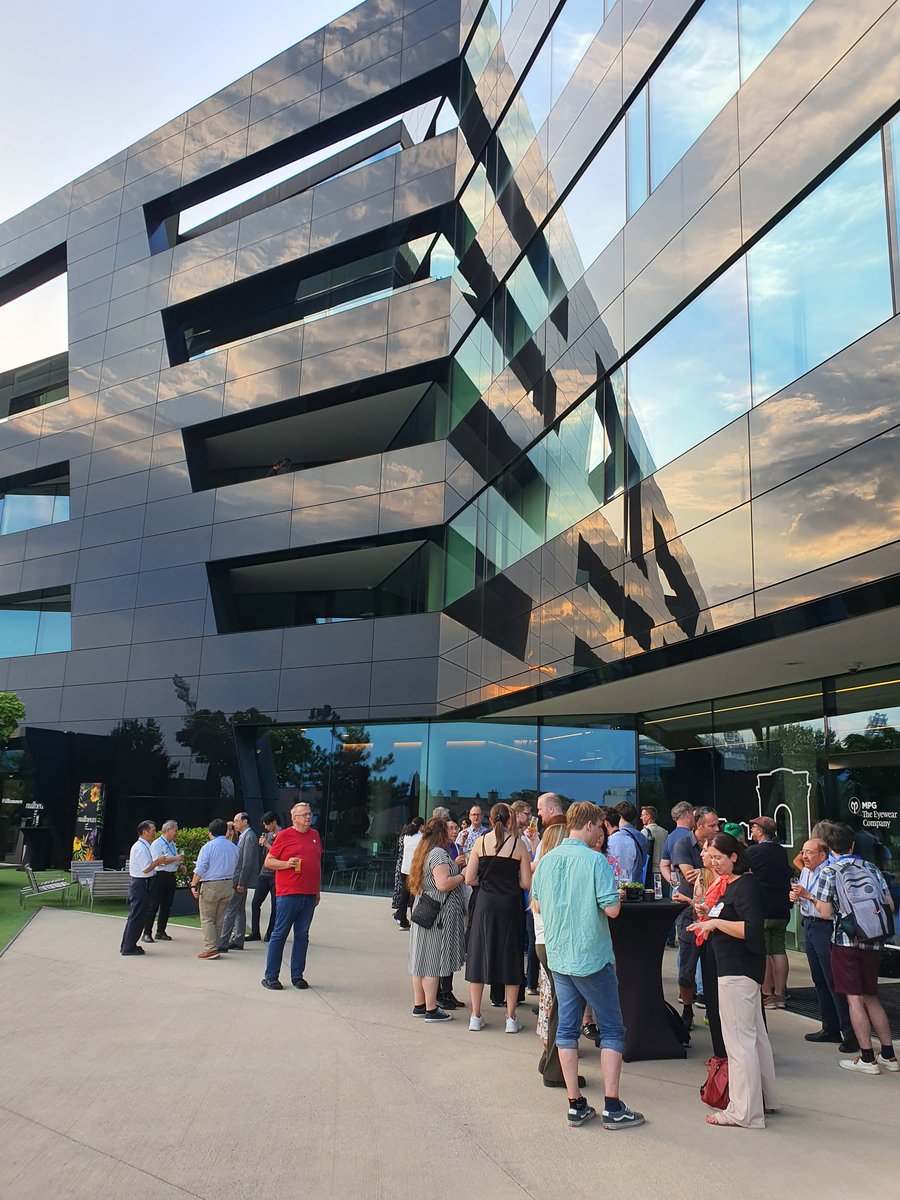
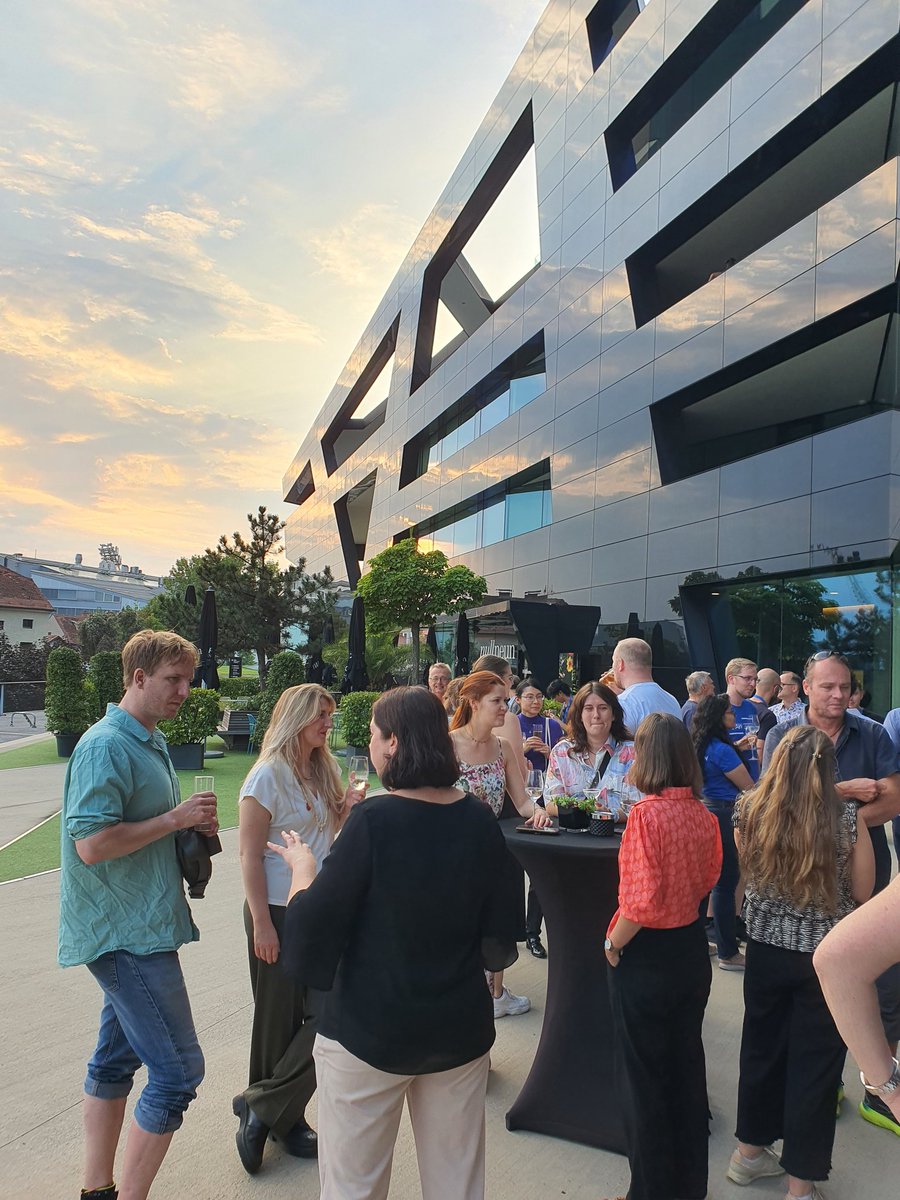
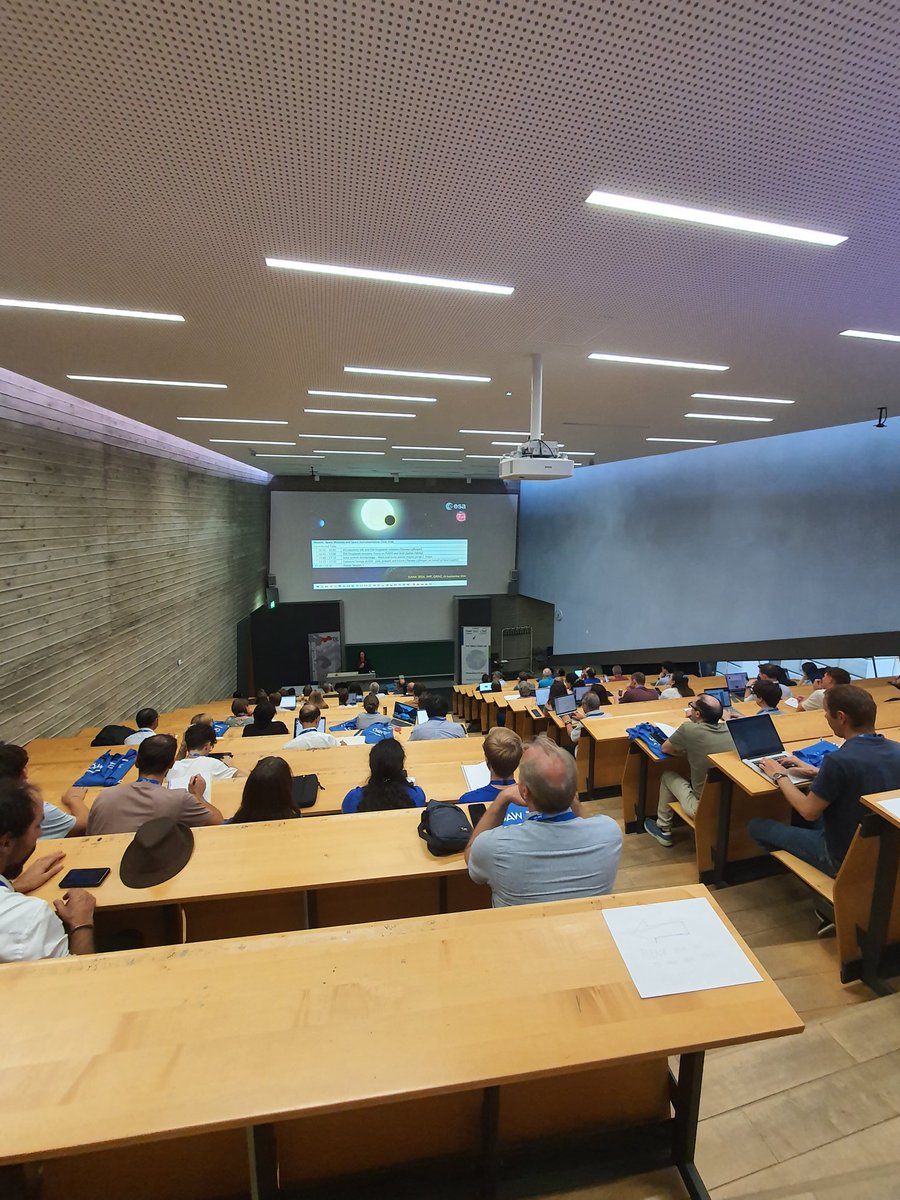
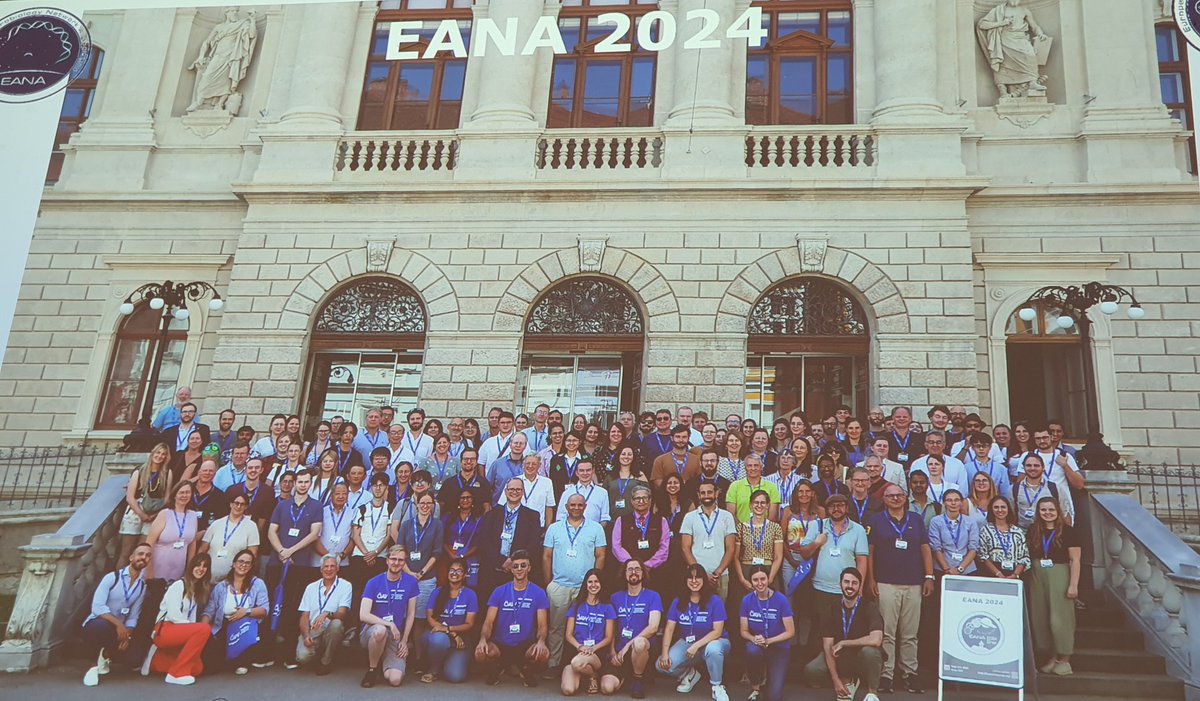
Today acting as the chair for the Mars 1 and 2 sessions, and looking forward to tomorrow's #BioTechMed-Graz supported planetary protection session, where I'll present some results from our ProConTra project!
New #archaeome paper alert! Growing human #archaea is sometimes really a pain, but we found a way to cultivate Methanobrevibacter species in a very targeted way: https://t.co/lUSyDZl4PC
It took 10 years of research to finally prove the presence of archaea on human skin. What a challenging yet thrilling journey! Big thanks to @Archaea_Vienna for the amazing collaboration, discussions, and dedication to our shared vision. 🙌🔬 #ResearchJourney#Collaboration
Overall, Nitrosocosmicus archaea are proving to be integral, stable components of the human #skin#microbiome. Their unique adaptations and interactions with our skin open new doors for understanding skin health and and the biology or archaea.
Co-occurrence network patterns show these AOA interact with specific skin bacteria, reinforcing their role in a balanced skin microbiome. This relationship suggests they play a key role in maintaining skin health.
In our study with 47 individuals, we found these AOA strains consistently present in both cross-sectional and longitudinal samples. Their stability on the skin highlights their role as emerging commensals.
Genomic analysis reveals special adaptations, including unique gene families and interactions with host proteins. These adaptations help them colonize skin effectively and maintain their presence, especially in sebaceous areas.
These AOA strains are autotrophic, meaning they use ammonia and urea as their sole energy sources. This unique metabolic capability allows them to thrive on our skin, where nutrients are quite different from their usual soil environments.
Archaea on skin? YES! We’ve tracked and isolated two new strains of ammonia-oxidizing archaea (AOA) from human skin: Nitrosocosmicus epidermidis and Nitrosocosmicus unguis. Here’s what makes them fascinating. 👇 #Microbiome#SkinHealth
‼️Exciting news this morning! Our new preprint on human skin #archaeome is online. A great collaboration with the Schleper lab @Archaea_Vienna, spearheaded by @AlexMahnert supported by many colleagues and friends! 👇Details: https://t.co/ovUOEJ5nrO