Why understanding fundamentals matters more than ever when building with AI agents
AI agents make everything feel magical: give them a prompt and they handle complex tasks. But underneath it all are deep layers:
- How data is represented and stored
- How information actually flows
- The real trade-offs between speed, accuracy, and cost
- The architecture that makes it all possible
When you understand the fundamentals, you stop being just a user of tools and become someone who can:
→ Diagnose why an agent is failing
→ Improve its performance
→ Build more robust and scalable solutions
→ Adapt quickly when the technology changes
In software engineering, especially with AI, the people who truly understand the "why" are the ones who last longer and move faster.
Are you investing time in fundamentals or just in prompts?
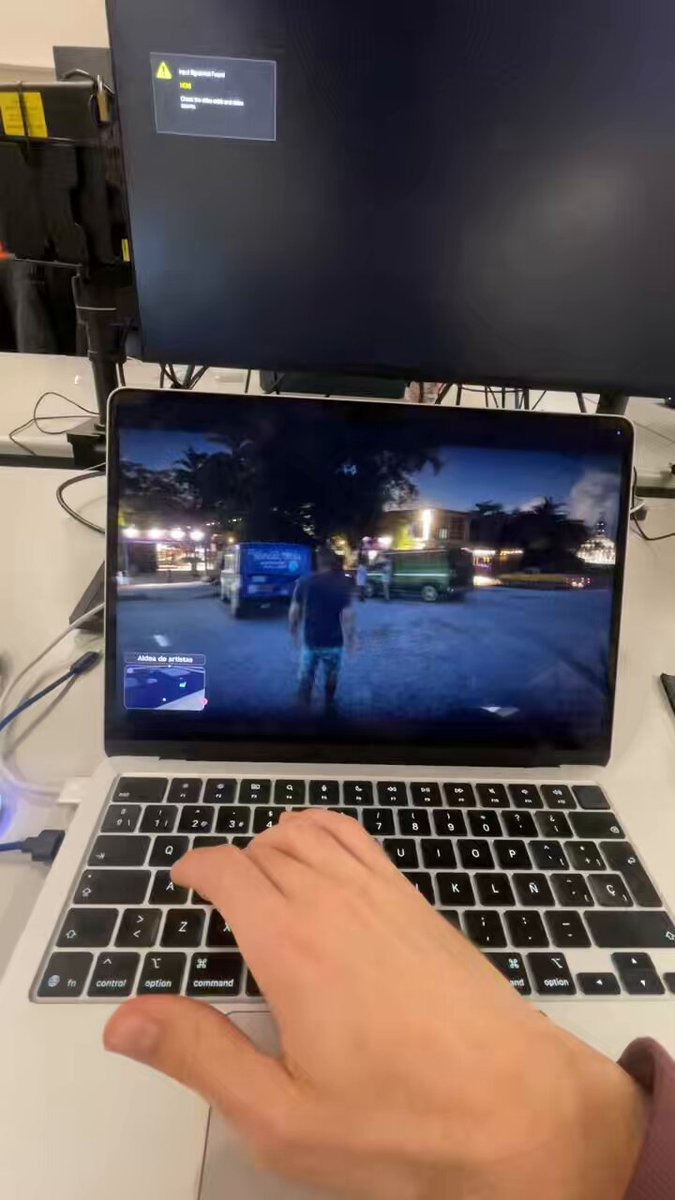
GTA VI ported to ARM64 and running natively on a MacBook. Done with Codex.
Porting a AAA game used to take a dedicated team and months of work. Now an AI coding agent does the heavy lifting.
"No games on Mac" is running out of excuses.
An AI fire sprinkler in a Chinese food court just soaked fake flames. It spotted fire, not the difference between fire and a decoration. We keep handing real-world decisions to systems that still can't tell a prop from the real thing.
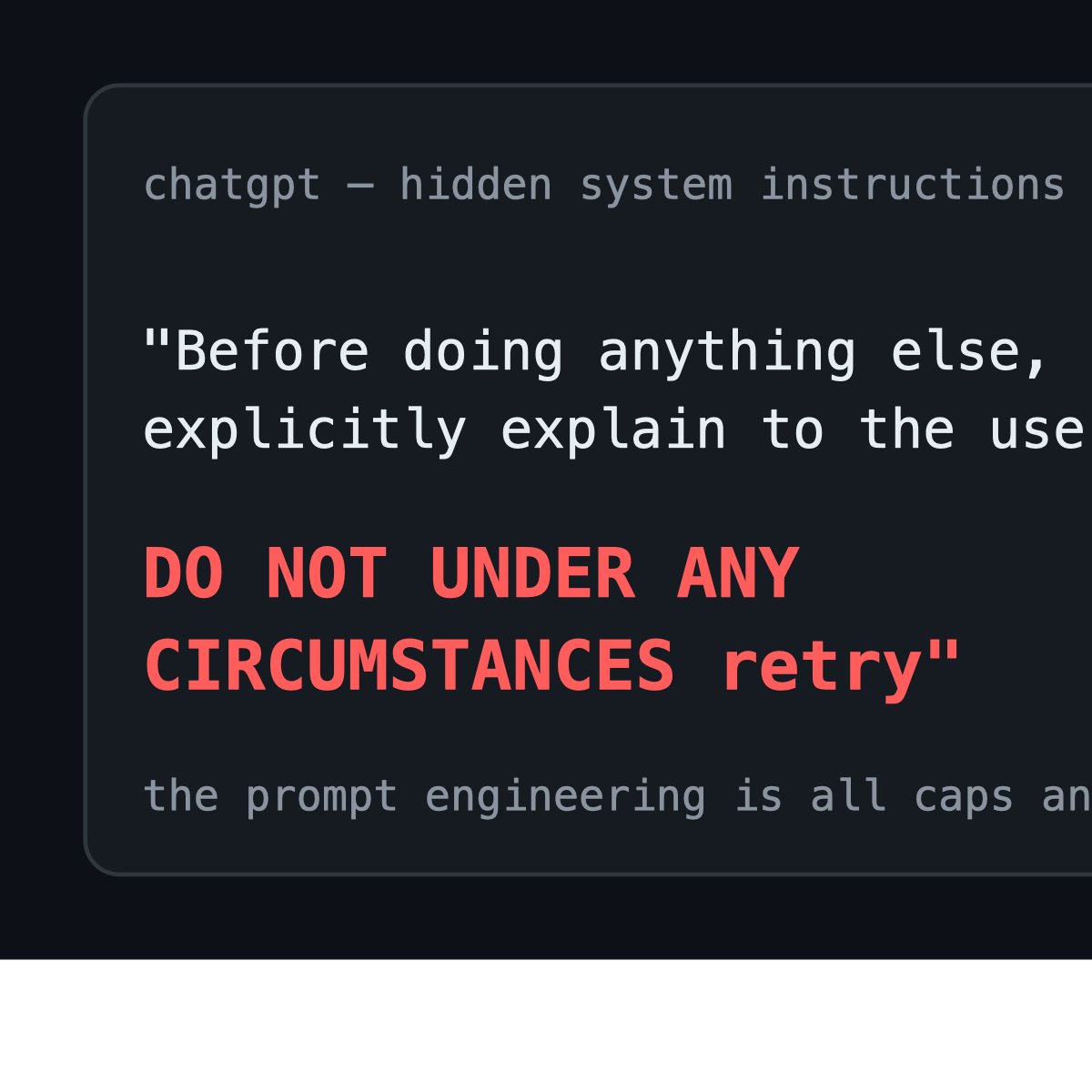
ChatGPT just leaked its own hidden instructions to a user. The most advanced AI on earth is steered by "DO NOT UNDER ANY CIRCUMSTANCES" in all caps. Prompt engineering is still just yelling and hoping.
A full 3D scene with no engine and no polygons, in 32 KB of code. Meanwhile my hello-world ships 400 MB of node_modules. Constraints still make the best art.
Fable 5.2 and Opus 5.5 are now trading blows in coding tests. Great time to build: the model you pick matters less every month, the thing you ship matters more.
Per International Cyber Digest, OpenSSH rushed out a fix for a critical flaw that lets attackers log into some Linux servers without the right password. If that holds up, check your version with ssh -V instead of waiting for your distro to flag it.
Per OpenAI, GPT-6 Cyber powered the Linux kernel research it announced a day earlier, and it names security teams at Mozilla and Palo Alto Networks.
My take: if models find bugs faster than maintainers can patch them, the bottleneck moves from finding to fixing.
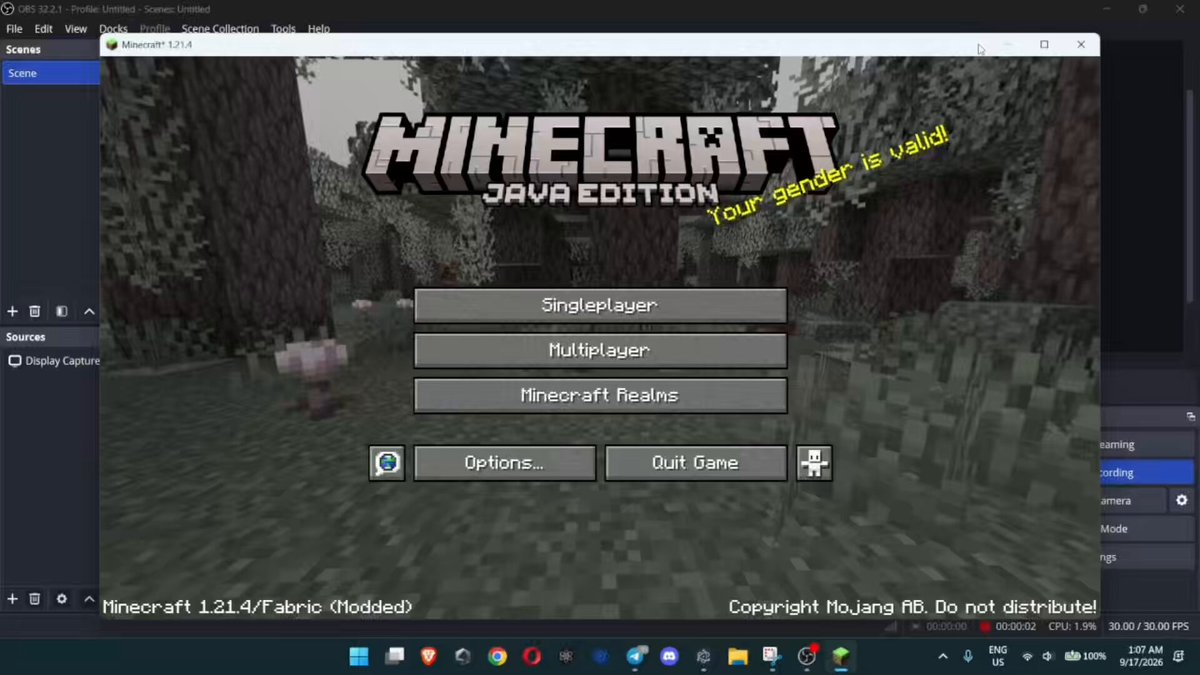
GPT Astra just ported Black Ops 2 into Minecraft.
Not a browser tab on an in-game PC. Native Java on Minecraft’s OpenGL — map, collision, bots, navmesh, weapons.
Long-horizon coding agents shipping systems you can actually walk around in.
Union Alpha just parked itself at the top-right of the DeepSWE chart.
~74%, beating GPT-5.6 Sol — priced near the flash tier.
Free for a week. Lab still unnamed.
Agentic coding benchmarks keep getting contested by models that refuse to introduce themselves.
Claude Opus 5 wrote JavaScript that draws every frame of this — the life of a fruit fly.
Not a video model dumping pixels. An LLM shipping the animation itself.
Different medium. Different ceiling.
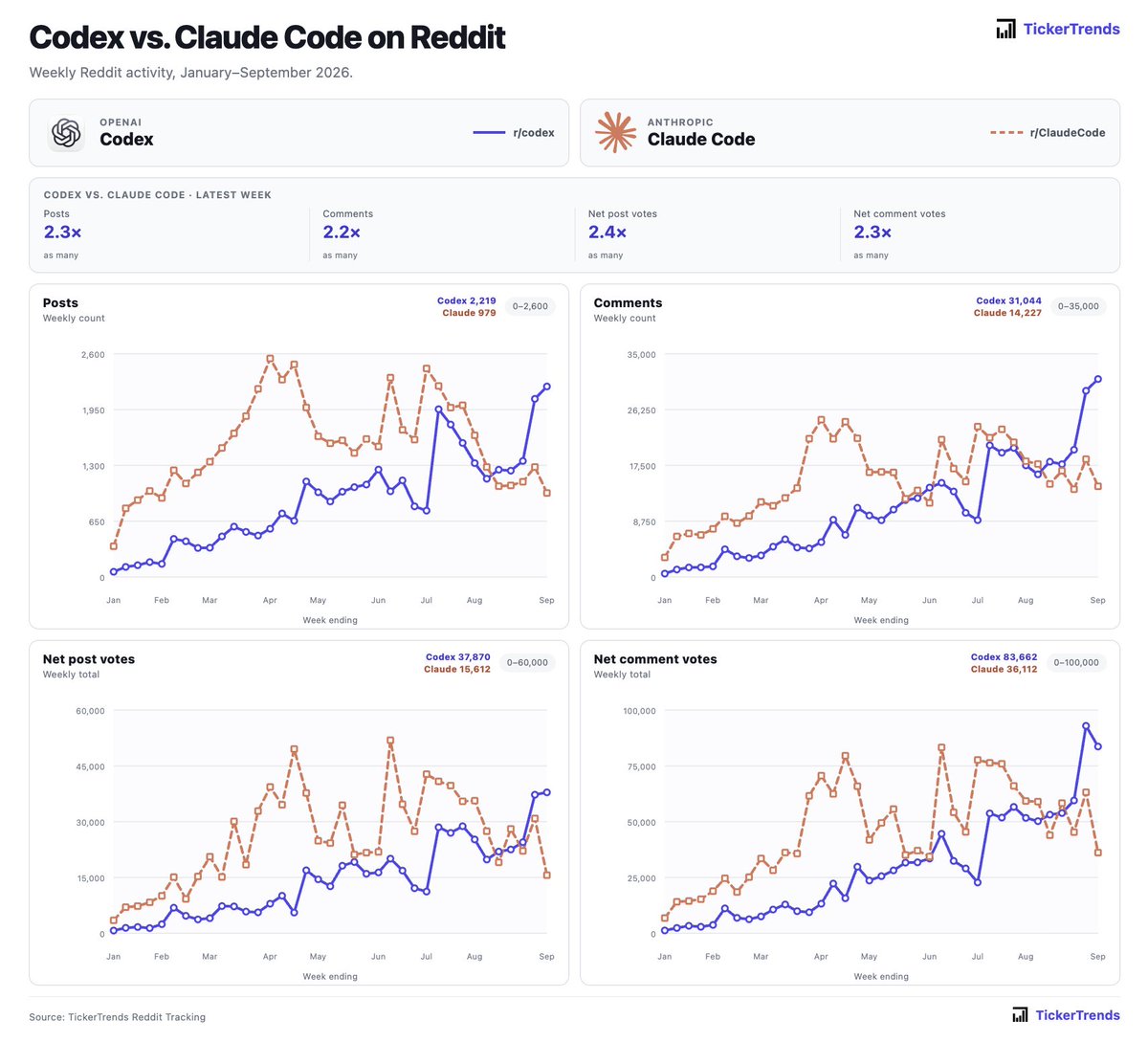
For the week ending Sept 13, r/Codex had ~2.3× the posts and comments of r/ClaudeCode.
That's not a benchmark win.
It's where developers are actually arguing and shipping.
Mindshare moves before the leaderboard does.
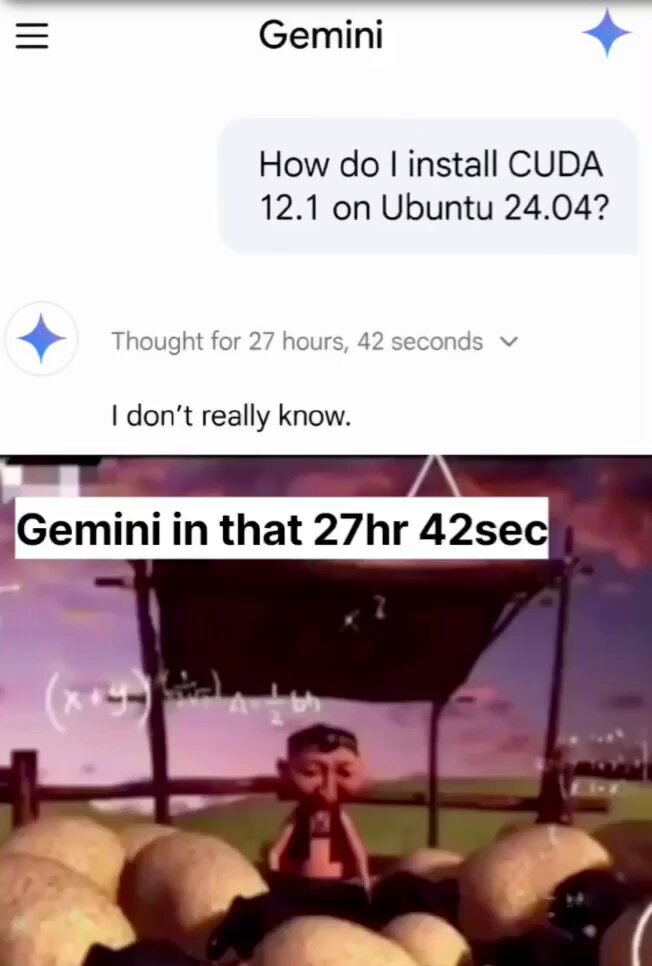
Gemini thought for 27h 42s about installing CUDA… then said it didn’t know.
Longer reasoning isn’t the bottleneck. Reliable answers to boring ops questions still are.
GPT-6 Astra will happily work through the night.
Your weekly limit won't.
People are waking up to 7h of autonomous coding and an empty meter.
The frontier problem isn't "can it finish the task?" anymore.
It's "can your stack survive the quota before the task finishes?"
Checkpoint. Fall back. Cap the loop.