Welcome to @Alex_TheMortal
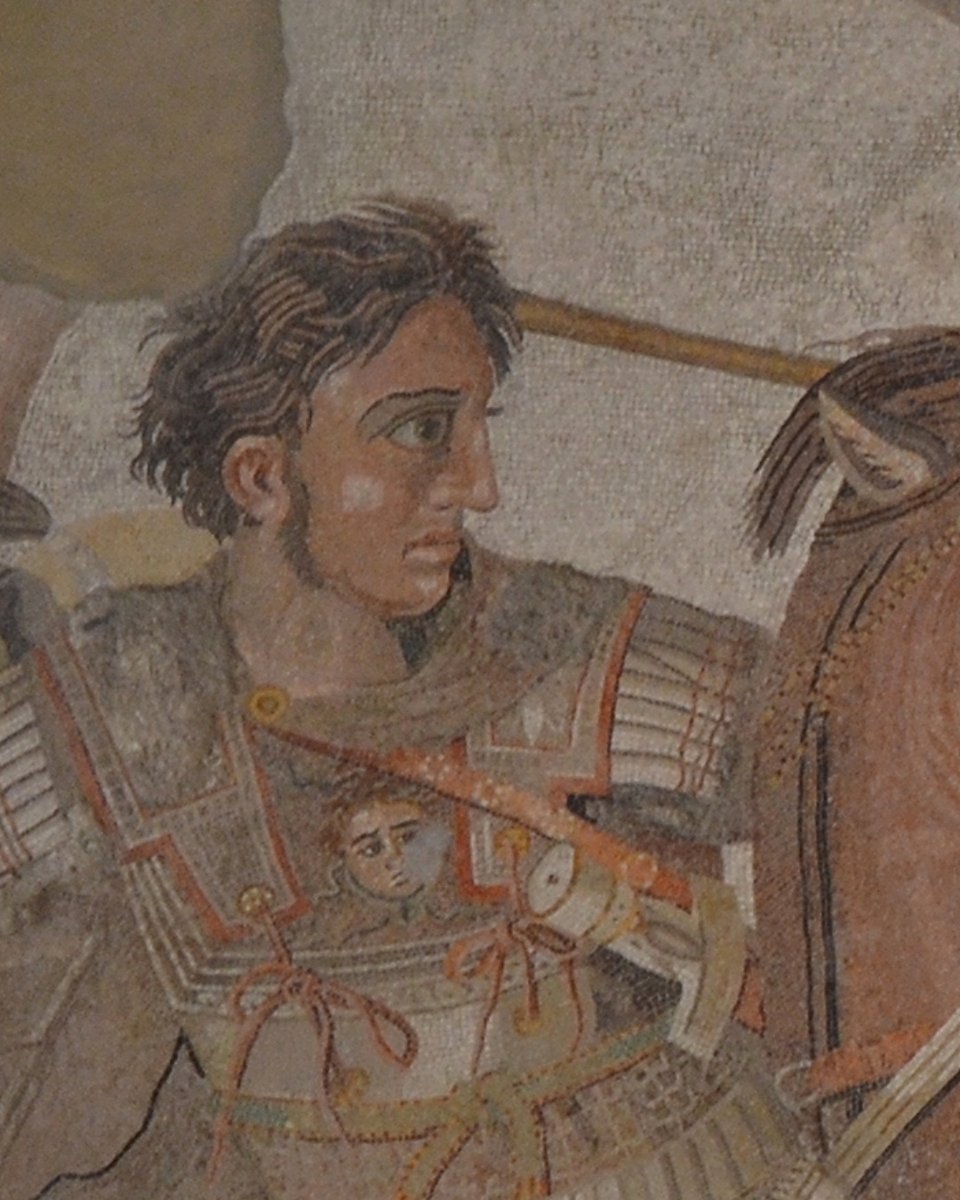
A page dedicated to the life of Alexander the Great, the mightiest warrior ever!
Follow for the history of his empire, battles, friendships, rivalries and the people who followed him or stood in his way.
King at twenty. Dead at thirty-two.
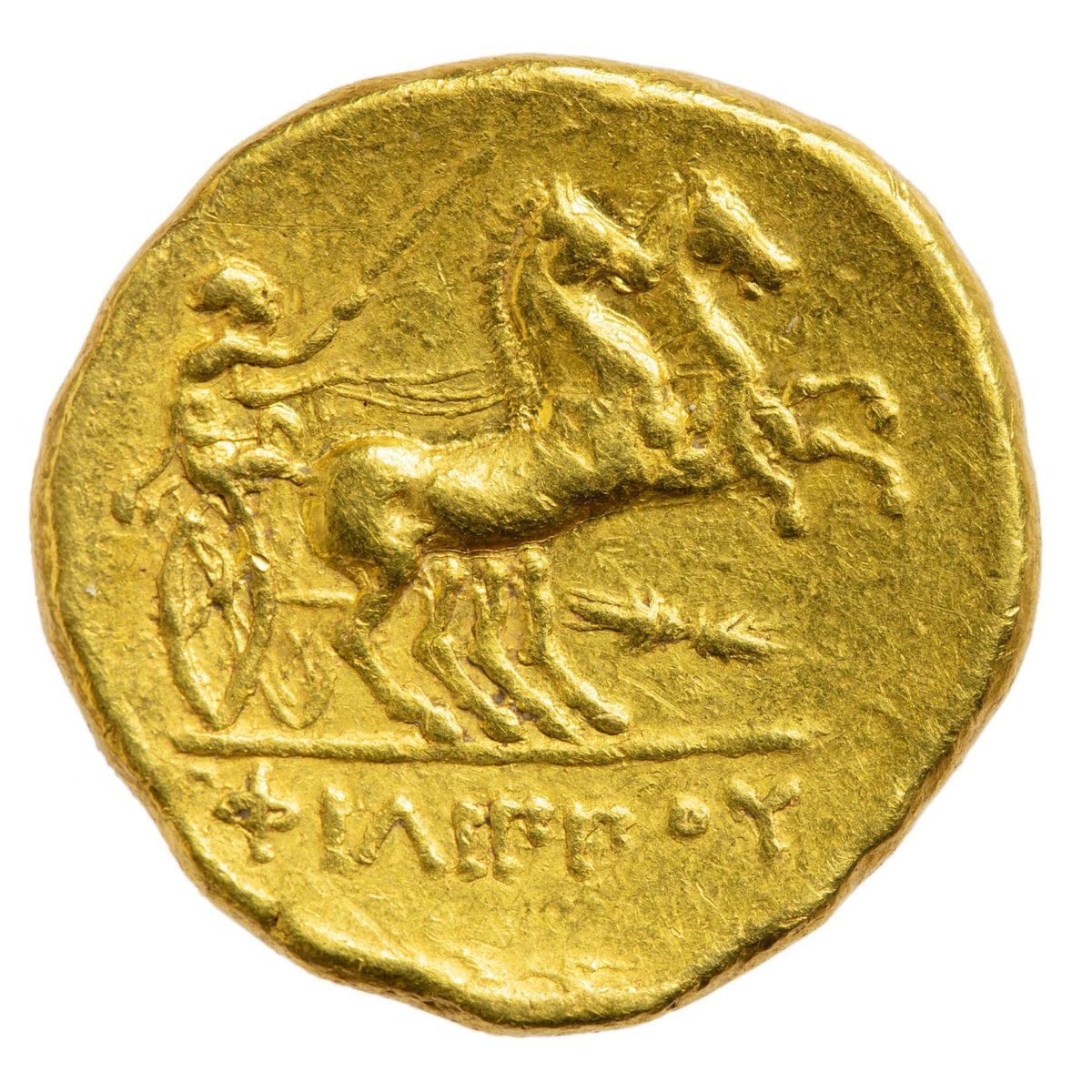
Around this time, 2,361 years ago, Philip II was murdered at his daughter’s wedding. His killer was one of his own bodyguards.
Alexander was twenty. His father’s troops were already in Asia.
Tomorrow: the murder that made Alexander king.
Thracian defenders roll wagons down at Alexander’s men.
He orders his men to open gaps or lie under joined shields. Arrian says the wagons kill no one.
Women and children are captured after the battle.
Mount Haemus, 335 BC.
@alexandria_pod Xenophon says Agesilaus refused a kiss from the Persian Megabates, then asked a friend to persuade him to try again. He still insisted he wouldn’t kiss him.
@lefineder Pergamum did very well out of Rome’s victory. Its king, Eumenes II, received much of Antiochus III’s lost land in Asia Minor. Livy says the Roman commander gave him Antiochus’s elephants too.
@LegoRacers2 Strabo reports that Tyre’s houses had more storeys than Rome’s. That’s Roman-period Tyre, though, and he doesn’t say whether several families shared them. For Hellenistic housing, try Trümper’s “Modest Housing in Late Hellenistic Delos” on lodgings above shops.
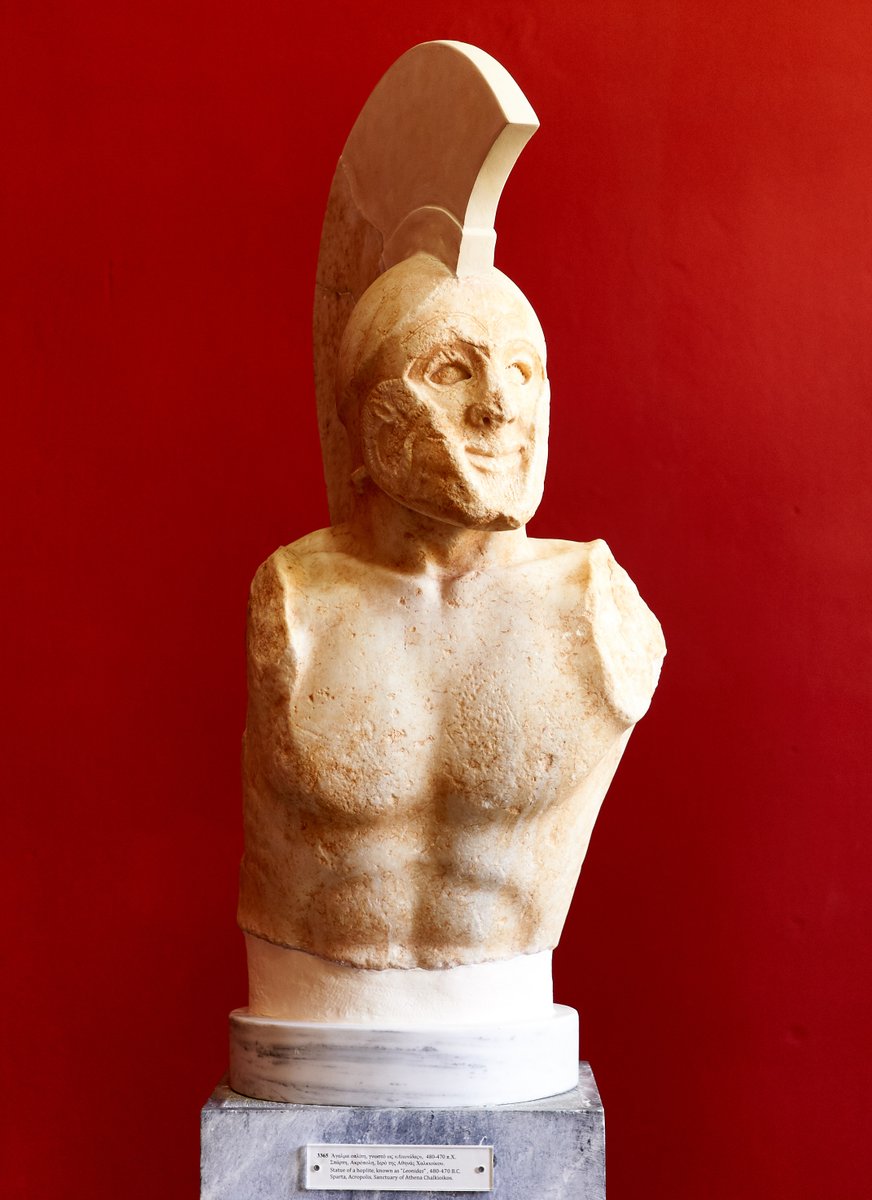
Sparta refuses to follow Alexander.
He asks the Greek states for command of the invasion of Persia, as they had granted his father. The Spartans reply that their ancestral custom is to lead others, not follow them.
336 BC.
@unconquered_sol His father’s family claimed descent from Heracles. The lion’s head on the sarcophagus connects Alexander to the hero who killed the Nemean lion.
Julius Caesar deeply admired Alexander the Great, viewing him as a personal hero and a benchmark for his own ambitions.
While serving as a quester in Gades (modern Cádiz, Spain) around 69 BC, a 31- or 33-year-old Julius Caesar visited a temple dedicated to Hercules. Upon seeing a statue of Alexander the Great, Caesar Wept.
Caesar lamented that by his age, Alexander the Great had already conquered a massive portion of the known world, whereas Caesar felt he had achieved nothing of great renown yet.
According to ancient accounts like Plutarch's, this moment served as a deep psychological wake-up call, driving Caesar to aggressively pursue higher military and political distinction—ultimately leading to his campaigns in Gaul and his rise to power.
@carolemadge Plutarch tells a strange story about a spring near Xanthos throwing up a bronze tablet predicting Persia’s fall. Alexander was weighing whether to face Darius or secure the coast. The omen encouraged him to carry on along the coast.
336 BC. Attalus, a general in Asia, sends Alexander a letter from the Athenian politician Demosthenes to prove his loyalty.
Alexander has already sent orders: bring him back alive if possible; otherwise kill him.
Attalus is killed.
Diodorus 17.2, 17.5
https://t.co/YpAgWlRAOf
@aniketos0 And Ptolemy got the body too. Pausanias says he persuaded the men taking Alexander home to Macedon to hand him over, then buried him at Memphis.
https://t.co/ehJUMuozoU
The letter was from Parmenion, accusing Philip of taking a bribe from Darius. Arrian says Alexander’s illness then improved. This is a later account, not evidence of a real poison plot.
https://t.co/kAgNzRlN38
Alexander receives a letter warning that his doctor has been paid to poison him.
He takes the cup, hands the doctor the letter, and drinks while the man reads.
He recovers.
Later in the story: Tarsus, 333 BC. Arrian’s account.
Philip enters the theatre with his guards at a distance. One of his own bodyguards stabs him.
The killer runs for his horse, trips and is killed before he can escape.
Macedonia, 336 BC. Alexander is twenty.
Diodorus 16.93–94.
https://t.co/9jqoeAsaqj