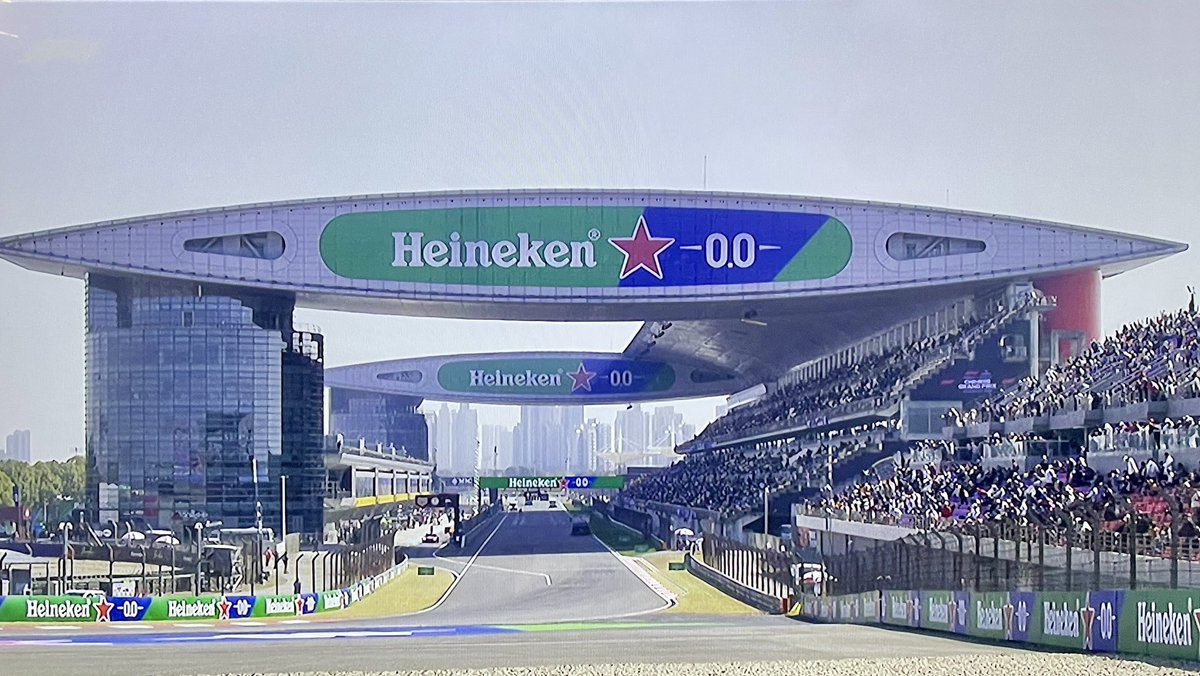
Massive victory for Mercedes in the mitigations to the 2026 regulations.
Not surprising, given how closely in bed with the FiA and FOM they are from an economic powerhouse standpoint, as a huge helper in formulating the regs and now having an economic stranglehold as PU supplier for 4 teams.
They’ve managed to avoid a big reduction in the recharge limit, while advancing their internal combustion engine advantage by increasing the super clipping recharge rate, and they solve their launch problems with emergency MGU – K deployment if they struggle to get off the line.
Now they’ve launched a political campaign to lobby for limitations on the accessibility of ADUO, claiming that only Honda should qualify for anything. And you know what? Given what Mercedes controls, they may get their way.
At this point, this feels a bit like formula Mercedes.
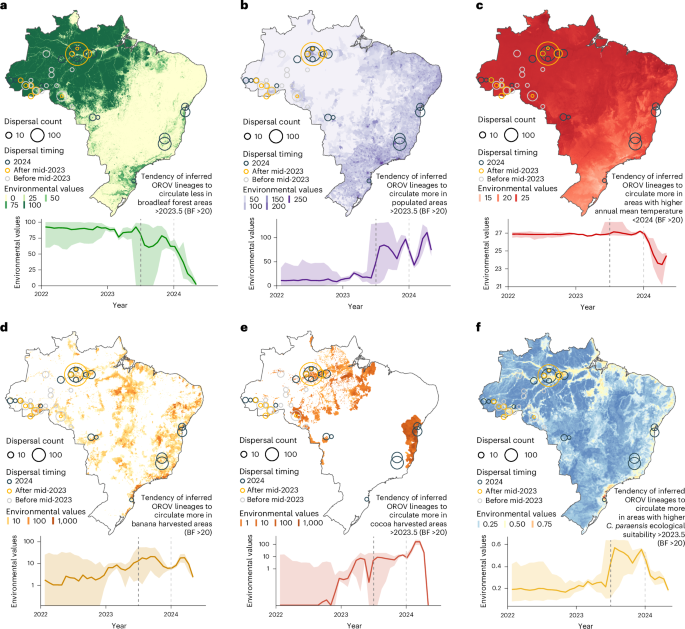
Our publication in Nature Ecology and Evolution reveal a multiscale expansion process with both short- and long-distance dispersal or Oropouche virus, a new re-emergent pathogen. Our results also demonstrate a rapid advance on methods that can be used to track pathogens of global importance.
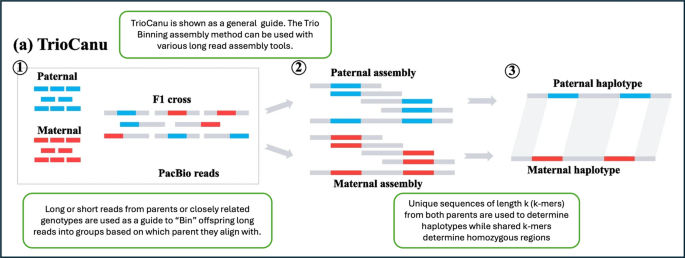
Polyploid plant genomes complexity and the challenges of sequencing.
Anderson, A.W., Albertini, E. & Rosellini, D. Planta 263, 97 (2026).
➡️https://t.co/45s9rgravB
Video del coronel William C. Gorgas, jefe de sanidad de los trabajos del canal. Se le ve conversando con otra persona durante el recorrido del ferrocarril entre Colón y Panamá.
My in-terminal plasmid editor is ***actually*** coming together! Next big feature is a proper synbio module editor. Check back often; actively developing this!
https://t.co/3mkWtVqa1T
🤝 I’m forming a focus group to synergize and supercharge evidence‑based science communication on social media. Want to join? Drop a comment below or DM me. #SciComm
La gente antes hacía una sola comida y se almorzaba y cenaba lo mismo; los chiquillos de ahora piensan que tienen un restaurante en casa y cada uno quiere comer algo diferente.
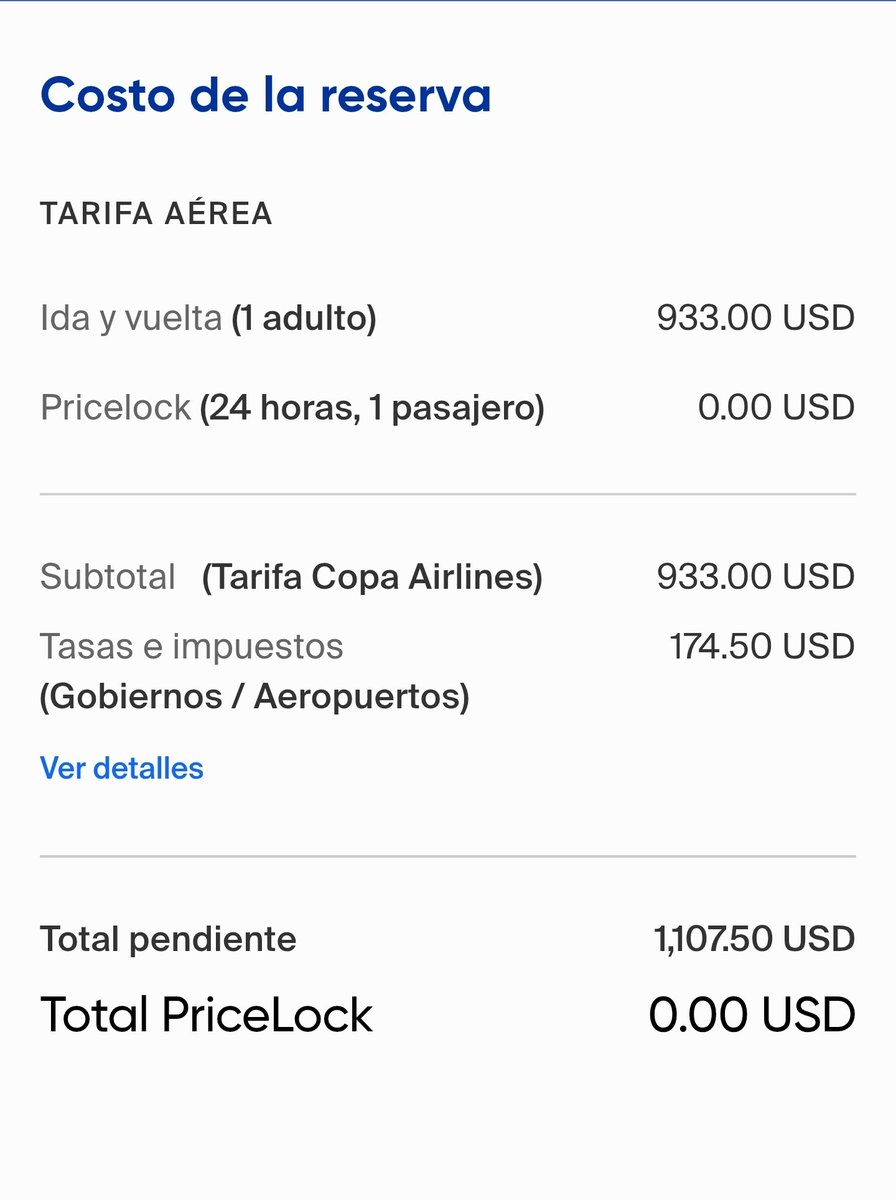
Como @CopaAirlines comienza a jugar con los precios para Toronto. @AcodecoPma cuando uno va a pagar con el número de reserva ya no te aparece. Y ponen "Lo sentimos no pudimos encontrar tu reserva"
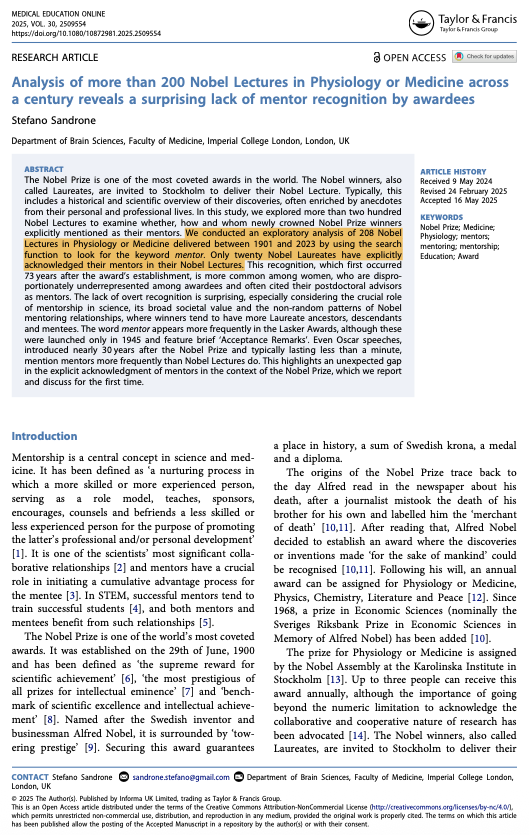
A recent study claimed that of 208 Nobel Prizes in Physiology or Medicine from 1901-2023, just 20 awardees thanked a mentor during the Lecture.
This was surprising to me. So I scraped all Nobel Lectures, converted them into clean .txt files, and repeated the analysis.
I extracted 525 lectures in all, with 145 from chemistry, 68 from economics, 158 from medicine, and 154 from physics. Next, I used the OCR tool from Datalab to extract just the text from each lecture while removing any images, captions, and references.
Finally, I repeated the analysis. The study in question did a simple Ctrl+F for mentions of the word "mentor," (which is really just too simple for this kind of analysis). When I did the same, I found that just 12 of 158 (7.6%) Medicine lectures contain the word "mentor". I found similar or lower rates in other fields, with 11 of 145 (7.6%) Chemistry lectures, 7 of 154 (4.5%) Physics lectures, and 2 of 68 (2.9%) Economics lectures containing the word.
But again, this method completely misses most acknowledgements. A winner who thanks “my students and colleagues,” like Mario Molina did in 1995, wouldn’t be counted at all.
So next, I built a Python script that broadened the search to include words like mentor(s), student(s), and advisor(s). Using these criteria, nearly 90 percent of Chemistry, Physics, and Medicine lectures contained at least one of those terms, whereas just 3 of 68 in Economics did.
Finally, I expanded my script to include spatial context. Specifically, this new script checked whether mentions of these keywords appeared near words indicative of gratitude, such as “thank,” “owe,” or “appreciate.” With this filter, I found that 38.1 percent of all Nobel lectures include a direct acknowledgment of someone else, and that this number is much higher in Medicine (more than 50 percent.)
In other words, Nobel laureates thank their mentors and colleagues and students far more than this recent study may suggest.
Thanks for coming to my TED talk.
🧪 Led by Dr. Cécile Delarasse, Sorbonne University researchers used the experimental autoimmune #uveoretinitis mouse model to delineate the cellular mechanisms underlying P2X7’s role in autoimmune responses. | @BioMedCentral
📃 Check this out: https://t.co/mI3DOvyUOk
@CholaDeSantiago No suena descabellado y puede ser muy cierto, la evolución es la fuerza formadora de lo que somos en el planeta tierra, y ocurre en escalas de tiempo que son difíciles de concebir.
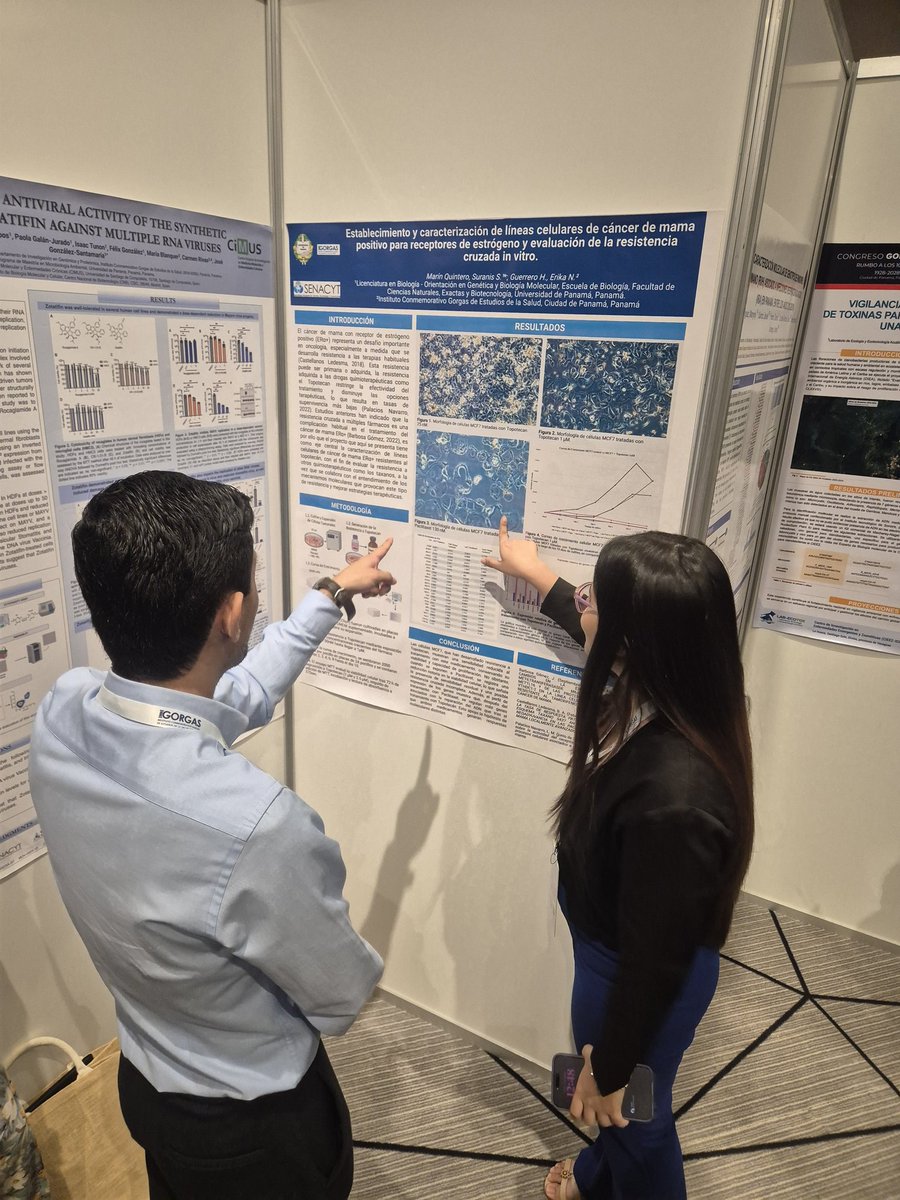
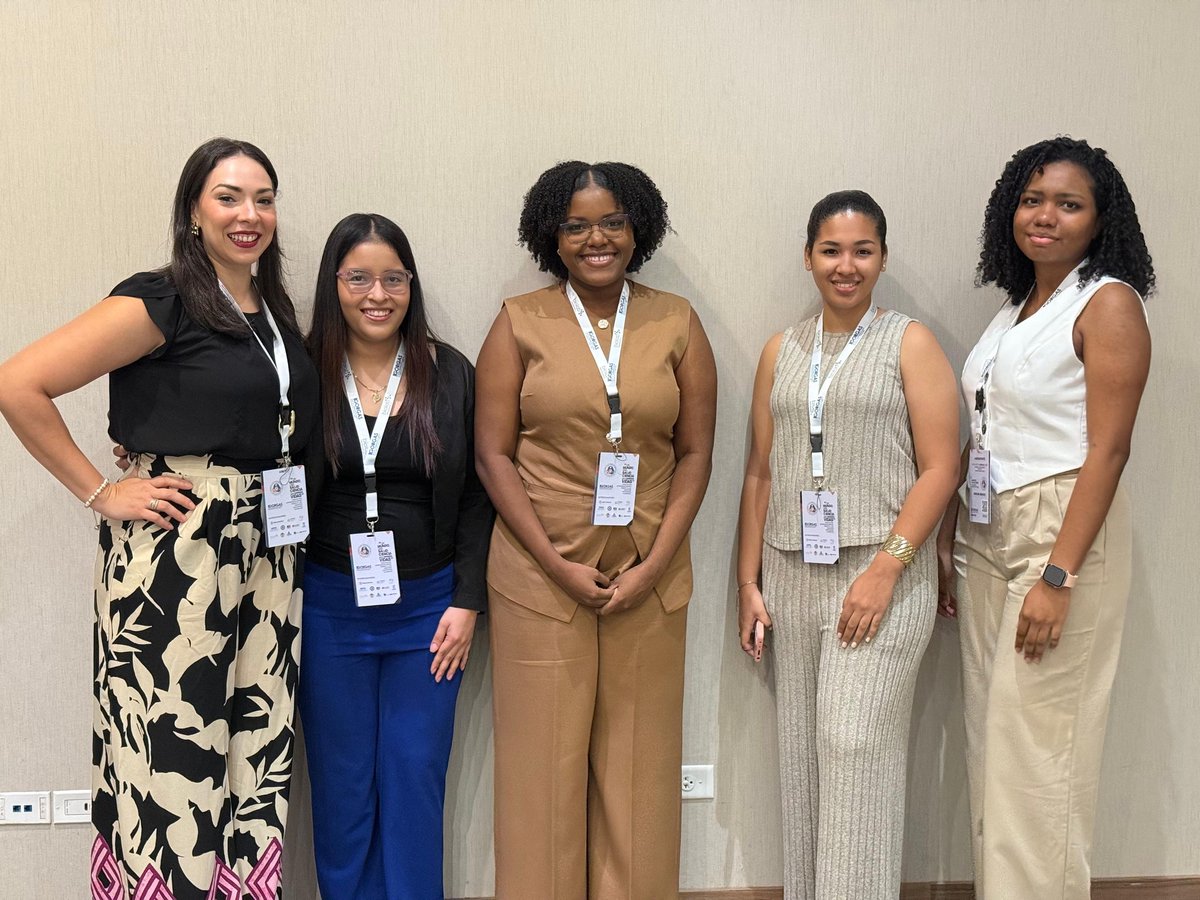
Presentación en el #congresoGorgas25 de Suranis Marin, miembro del equipo investigador del Guerrero Research Lab! Suranis realiza estudios en cáncer de mama HER2+.